
Dust is an unavoidable part of life indoors, but when it accumulates faster than you can clean, it raises a simple yet frustrating question: Why is my home so dusty? While some level of dust is normal, excessive buildup can trigger allergies, affect air quality, and make even the most meticulous cleaning routines feel futile. The truth is, dust doesn’t just appear out of nowhere—it’s the result of specific sources and behaviors inside and outside your home. Understanding the root causes and adopting targeted solutions can dramatically reduce dust levels and improve your indoor environment.
Common Sources of Indoor Dust
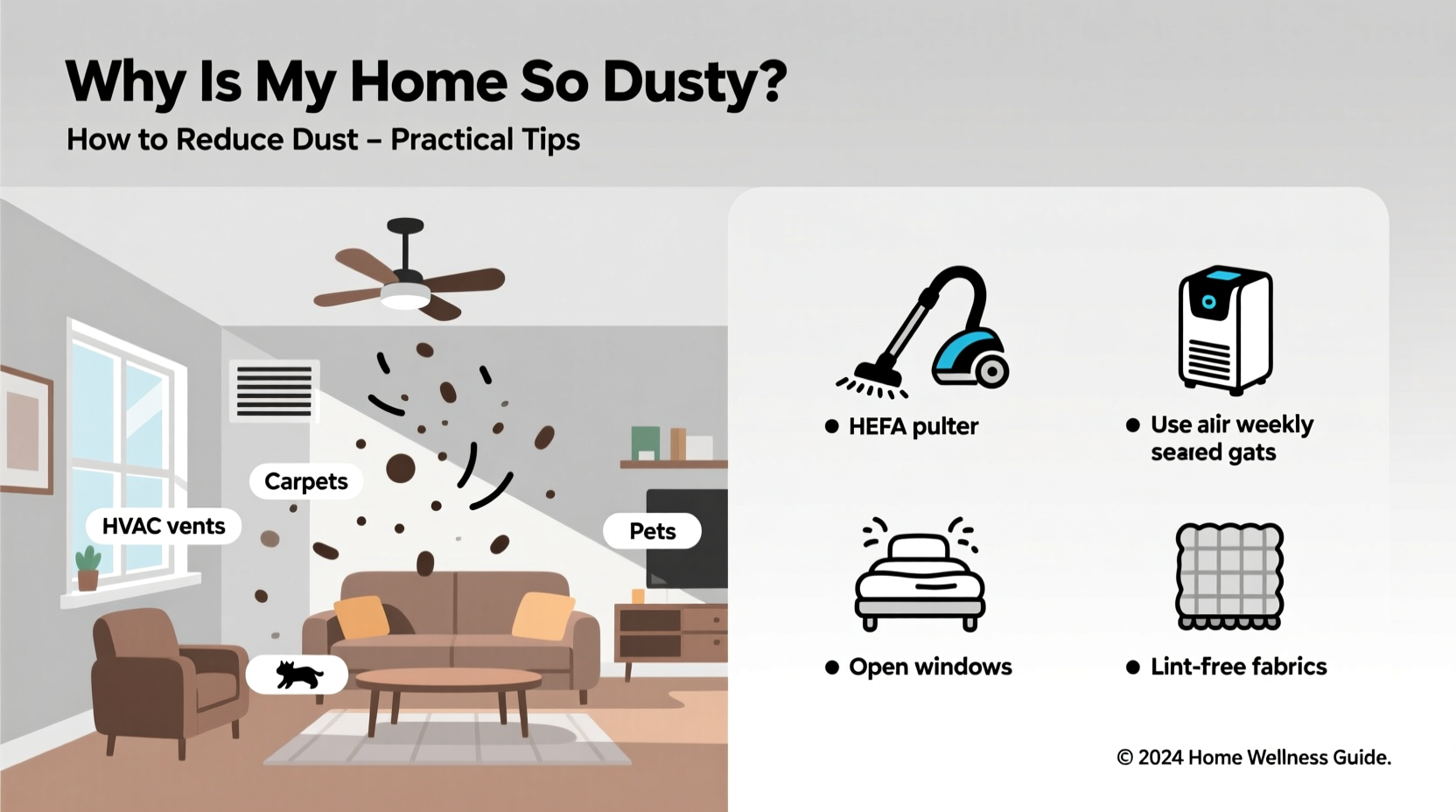
Dust is a mixture of many tiny particles, including dead skin cells, pet dander, fabric fibers, pollen, soil tracked in from outside, and even microscopic insect parts. While outdoor air brings in pollutants, much of the dust in your home originates from within. Identifying where dust comes from is the first step in reducing it.
- Pet dander: Animals shed skin flakes and hair, both major contributors to household dust.
- Carpets and upholstered furniture: These materials trap and release fibers, especially when walked on or disturbed.
- Outdoor infiltration: Open windows, doors, and ventilation systems allow pollen, soil, and pollution to enter.
- Human activity: Everyday actions like walking, making beds, or folding clothes stir up settled particles.
- Poor HVAC maintenance: Dirty air filters and ducts circulate dust instead of trapping it.
Structural and Environmental Factors That Increase Dust
Beyond daily habits, certain structural and environmental conditions make homes more prone to dust accumulation. These often go unnoticed until dust becomes a persistent issue.
Ventilation issues: Homes that are too tightly sealed may lack proper airflow, allowing dust to settle rather than being filtered out. Conversely, homes with poor sealing let in outdoor dust through cracks and gaps.
High foot traffic: More people mean more skin cells, clothing fibers, and dirt brought in on shoes. Entryways without mats or shoe removal policies become dust gateways.
Construction or renovation nearby: Even if work isn’t happening inside your home, nearby projects can increase airborne particulates that enter through windows or vents.
Dry indoor air: Low humidity allows dust particles to remain airborne longer. Ideal indoor humidity ranges between 30% and 50%—too dry, and dust floats; too moist, and mold may grow.
“Dust levels are rarely about cleanliness alone. They’re often a symptom of airflow, filtration, and material choices.” — Dr. Lena Torres, Indoor Air Quality Specialist
Step-by-Step Guide to Reducing Home Dust
Reducing dust requires a systematic approach. Follow this timeline to create a lasting impact on your home’s dust levels.
- Week 1: Audit Your Home
Walk through each room and note visible dust hotspots—ceiling fans, blinds, baseboards, electronics. Identify potential sources: pets, carpets, open windows, clutter. - Week 2: Upgrade Filtration
Replace your HVAC filter with a MERV 11 or higher-rated one (if compatible). Consider adding a standalone HEPA air purifier in high-traffic areas like the living room or bedroom. - Week 3: Control Entry Points
Place washable doormats at all entrances. Implement a no-shoes policy. Seal gaps around windows and doors with weatherstripping to block outdoor dust. - Week 4: Deep Clean Soft Surfaces
Vacuum upholstery and curtains using a HEPA-filter vacuum. Wash bedding in hot water weekly. Store off-season clothing in sealed containers to reduce fiber shedding. - Ongoing: Maintain a Dust-Reduction Routine
Damp-dust surfaces weekly, vacuum twice a week, and change air filters regularly. Avoid feather dusters, which scatter dust into the air.
Do’s and Don’ts of Dust Management
| Do | Don't |
|---|---|
| Use microfiber cloths with water or mild cleaner | Use dry rags or feather dusters |
| Vacuum with a HEPA-filter vacuum cleaner | Vacuum without emptying the canister frequently |
| Keep windows closed during high pollen or windy days | Rely solely on natural ventilation in dusty areas |
| Wash bedding weekly in hot water (130°F/54°C) | Let throw blankets or pillows go uncleaned for months |
| Groom pets regularly to reduce dander | Allow pets on furniture without barriers like washable covers |
Real Example: A Family’s Dust Reduction Journey
The Carter family lived in a two-story suburban home with two dogs, wall-to-wall carpeting, and large windows facing a busy street. Despite cleaning weekly, dust coated shelves and electronics within days. After consulting an indoor air quality expert, they discovered their HVAC filter hadn’t been changed in over six months and their bedroom air register was clogged with pet hair.
They took action: installed MERV 12 filters, added a HEPA air purifier in the main living area, replaced bedroom carpets with hardwood, and adopted a “shoes-off” rule. Within three weeks, dust accumulation slowed significantly. Family members with seasonal allergies reported fewer symptoms, and cleaning time dropped by nearly half.
Essential Dust-Reducing Checklist
Use this checklist monthly to stay ahead of dust buildup:
- ✅ Change HVAC filter
- ✅ Vacuum all floors and upholstery with HEPA vacuum
- ✅ Damp-mop hard surfaces
- ✅ Wash bed linens in hot water
- ✅ Wipe down ceiling fans and light fixtures
- ✅ Clean window sills and blinds
- ✅ Empty air purifier filters as recommended
- ✅ Check door sweeps and weatherstripping for gaps
- ✅ Groom pets and wipe paws after outdoor time
- ✅ Declutter surfaces to reduce dust-catching zones
Frequently Asked Questions
Why does dust return so quickly after cleaning?
Dust returns quickly when sources aren’t controlled—such as unfiltered air circulation, shedding fabrics, or pet dander. Cleaning only removes surface dust but doesn’t stop new particles from entering or being generated. Addressing airflow, filtration, and material choices breaks the cycle.
Can houseplants reduce dust?
Some studies suggest certain indoor plants can capture airborne particles on their leaves, but their overall impact on dust reduction is minimal. Overwatered plants can increase humidity and encourage mold, potentially worsening air quality. For real results, rely on mechanical filtration over greenery.
Is dust harmful to health?
For most people, household dust is more of an annoyance than a danger. However, it can trigger asthma, allergies, and respiratory irritation—especially when it contains mold spores, pesticides, or chemical residues. Children and older adults are particularly sensitive to prolonged exposure.
Take Control of Your Indoor Environment
Dust doesn’t have to be a constant battle. By understanding its sources and implementing smart, consistent strategies, you can maintain a cleaner, healthier home with less effort over time. It’s not about perfection—it’s about making informed choices that interrupt the dust cycle at its weakest points. From upgrading your air filter to establishing simple household rules, every action adds up.




 浙公网安备
33010002000092号
浙公网安备
33010002000092号 浙B2-20120091-4
Comments
No comments yet. Why don't you start the discussion?