
Dust seems like a never-ending battle. You wipe down surfaces, vacuum the floors, and run the duster across shelves—only to return two days later and find a fresh layer coating everything. If you’ve ever asked yourself, “Why is my house so dusty even after cleaning?” you’re not alone. Dust isn’t just an aesthetic nuisance; it can affect indoor air quality, trigger allergies, and compromise respiratory health. The truth is, dust doesn’t come from nowhere. It accumulates due to specific sources and behaviors in your home environment. Understanding the root causes—and implementing targeted strategies—is the only way to reduce dust for good.
Where Does Household Dust Really Come From?
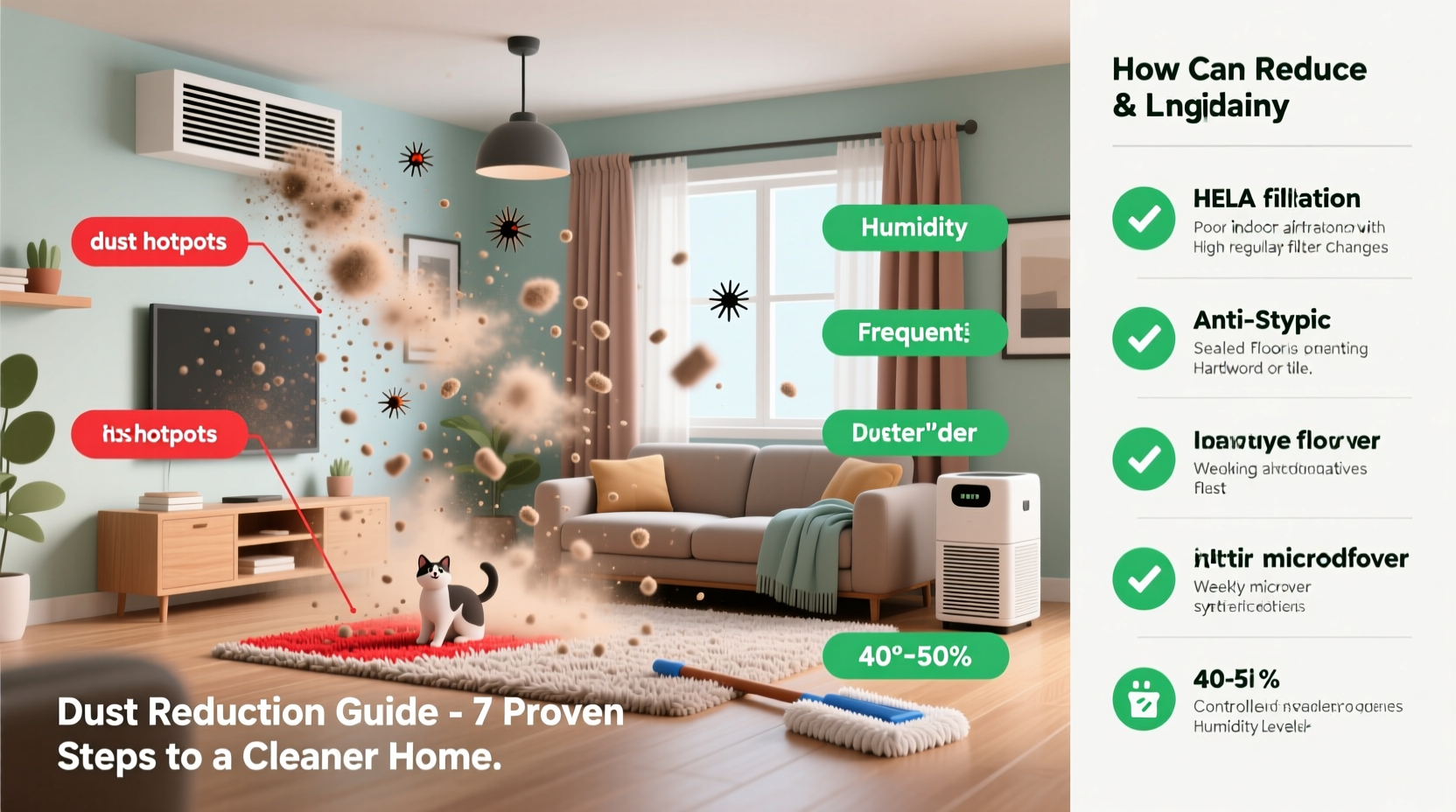
Many people assume dust comes primarily from outdoor dirt tracked in on shoes. While that contributes, most household dust is actually generated indoors. According to research from the U.S. Environmental Protection Agency (EPA), up to 60% of indoor dust consists of dead skin cells, fabric fibers, pet dander, and dust mite debris. The rest includes soil particles, pollen, mold spores, and microscopic pollutants from cooking, cleaning products, and even electronics.
Your daily activities play a major role. Walking across carpet releases trapped particles into the air. Making the bed stirs up dust mites living in bedding. Cooking without proper ventilation spreads grease and fine particulate matter. Even opening windows during high-pollen seasons introduces allergens that settle as dust.
Common Hidden Sources of Dust in Your Home
Cleaning visible surfaces is important, but true dust reduction starts with identifying less obvious contributors. Here are the most common hidden culprits:
- Poor HVAC filtration: A dirty or low-efficiency furnace filter recirculates dust instead of trapping it.
- Overstuffed closets and storage areas: Clothes, boxes, and unused items collect dust and release fibers when disturbed.
- Ductwork buildup: Air ducts can harbor years of accumulated dust, especially in older homes.
- Old or low-quality bedding: Faded sheets and pillows shed microfibers and harbor dust mites.
- Indoor pets: Fur, dander, and tracking in outdoor debris increase particulate load.
- Open windows and doors: Especially in dry, windy climates or near construction zones.
- Electronics and appliances: Devices like fans, routers, and TVs attract static-charged dust.
“Dust isn’t just dirt—it’s a complex mixture of biological and chemical particles that can impact long-term health.” — Dr. Lena Patel, Indoor Air Quality Specialist
Step-by-Step Guide to Reducing Dust for Good
Eliminating dust permanently requires a systematic approach. Follow this seven-step plan to transform your home environment:
- Upgrade your air filter: Replace your HVAC system’s standard filter with a MERV 11–13 rated pleated filter. Change it every 60–90 days—or more often in dusty environments.
- Seal air leaks: Check windows, doors, and attic access points for gaps. Use weatherstripping or caulk to prevent outdoor dust infiltration.
- Invest in a HEPA vacuum: Standard vacuums often blow fine particles back into the air. A HEPA-filtered model traps 99.97% of particles as small as 0.3 microns.
- Wash bedding weekly in hot water: Use water at least 130°F (54°C) to kill dust mites and remove skin flakes.
- Reduce clutter: Every extra item is a surface for dust to settle. Keep countertops, shelves, and floors clear.
- Use doormats strategically: Place high-traction mats at all entrances—indoors and outdoors—to trap soil before it enters.
- Run an air purifier: Position a HEPA air purifier in high-traffic rooms like bedrooms and living areas. Run it continuously for best results.
Do’s and Don’ts of Dust Prevention
| Do’s | Don’ts |
|---|---|
| Use microfiber cloths for dusting—they trap particles instead of spreading them. | Use feather dusters or dry rags that just move dust around. |
| Vacuum slowly and overlap strokes to ensure full suction coverage. | Rush through vacuuming without emptying the canister regularly. |
| Keep bedroom doors closed to limit dust migration from other areas. | Let pets sleep on beds where dander and fur accumulate in sheets. |
| Store off-season clothing in sealed plastic bins. | Leave clothes piled in open baskets or cardboard boxes. |
| Change HVAC filters seasonally or as recommended by manufacturer. | Forget about the filter until airflow noticeably drops. |
Real-Life Example: How One Family Cut Dust by 70%
The Thompson family lived in a 1950s ranch-style home in central Texas, an area prone to dry, dusty winds. Despite daily sweeping and weekly deep cleans, dust reappeared within hours. After consulting an indoor air quality inspector, they discovered their HVAC filter was MERV 5—a basic model incapable of capturing fine particles. Their air ducts hadn’t been cleaned in over a decade, and all windows were drafty.
They took action: installed MERV 12 filters, had their ducts professionally cleaned, added silicone seals to window frames, and placed washable microfiber doormats at every entrance. They also bought a HEPA air purifier for the main living area and switched to hypoallergenic bedding.
Within three weeks, they noticed less sneezing and clearer breathing. A follow-up air test showed a 72% reduction in airborne particulates. Most importantly, they no longer needed to dust every other day. Their routine dropped to once per week with sustained cleanliness.
How Often Should You Clean to Stay Ahead of Dust?
Cleaning frequency depends on your home’s size, location, occupants, and habits. However, a consistent schedule prevents buildup and makes maintenance easier. Follow this checklist to stay ahead:
Weekly
- Vacuum all floors, including under furniture and along baseboards.
- Damp-mop hard surfaces using a microfiber mop.
- Dust shelves, picture frames, and electronics with a microfiber cloth.
- Wash pillowcases, sheets, and blankets in hot water.
- Empty vacuum canister or replace bag.
Monthly
- Clean ceiling fans and light fixtures.
- Wipe down window sills and blinds.
- Rotate and flip mattresses.
- Inspect and clean air vents.
- Replace or clean reusable HVAC filters.
Every 3–6 Months
- Deep-clean carpets with a steam cleaner.
- Wash curtains and drapes.
- Declutter and dust inside closets and cabinets.
- Check for signs of pests, which contribute organic debris.
Annually
- Have air ducts inspected and cleaned if necessary.
- Service HVAC system to ensure optimal airflow.
- Re-caulk or reseal windows and doors.
- Replace worn doormats and entry rugs.
FAQ: Common Questions About Dust Control
Does opening windows make dust worse?
It depends. In rural or coastal areas with low pollution, brief ventilation improves air quality. But in cities, near roads, or during allergy season, outdoor air carries pollen, soot, and fine particulates that settle as dust. Use window screens and limit open time. Better yet, rely on mechanical ventilation like exhaust fans or energy recovery ventilators (ERVs).
Can houseplants reduce dust?
Some studies suggest certain plants like peace lilies and spider plants may capture airborne particles on their leaves. However, overwatered plants can promote mold growth, which worsens air quality. If you keep plants, wipe their leaves weekly and avoid overcrowding.
Why does dust appear faster in some rooms?
Rooms with high foot traffic, poor airflow, or lots of soft materials (carpet, curtains, upholstered furniture) collect dust more quickly. Bedrooms are particularly vulnerable due to shedding skin cells and frequent bedding disturbance. Close doors to less-used rooms to minimize circulation of dust-laden air.
Final Checklist: 10 Actions to Reduce Dust Long-Term
To make your efforts stick, use this concise checklist as a monthly audit tool:
- ✅ Upgrade to a MERV 11+ HVAC filter
- ✅ Install washable doormats at all entrances
- ✅ Vacuum with a HEPA-equipped machine weekly
- ✅ Damp-dust surfaces instead of dry wiping
- ✅ Wash bedding in hot water every 7 days
- ✅ Seal visible gaps around windows and doors
- ✅ Run a HEPA air purifier in main living areas
- ✅ Minimize clutter on shelves and floors
- ✅ Clean ceiling fans and light fixtures monthly
- ✅ Schedule professional duct cleaning every 3–5 years
Take Control of Your Indoor Environment
Dust doesn’t have to be a permanent fixture in your home. With the right knowledge and consistent habits, you can dramatically reduce its presence and enjoy cleaner air, fewer allergies, and less time spent cleaning. The key is shifting from reactive cleaning to proactive prevention. Address the sources—not just the symptoms—and build systems that maintain clarity over time. Small changes compound: sealing one leaky window, switching to a better filter, or adopting a weekly laundry rhythm can lead to measurable improvements in just weeks.




 浙公网安备
33010002000092号
浙公网安备
33010002000092号 浙B2-20120091-4
Comments
No comments yet. Why don't you start the discussion?