
A gurgling sound from your humidifier can be unsettling—especially when you're relying on it for comfort during dry winter months or allergy season. While the noise may seem concerning, in most cases, it’s not an immediate danger. However, understanding the root cause is essential to ensure your device operates efficiently and safely. This article breaks down the common reasons behind gurgling noises, evaluates potential risks, and provides actionable solutions to restore quiet, effective performance.
Understanding How Humidifiers Work
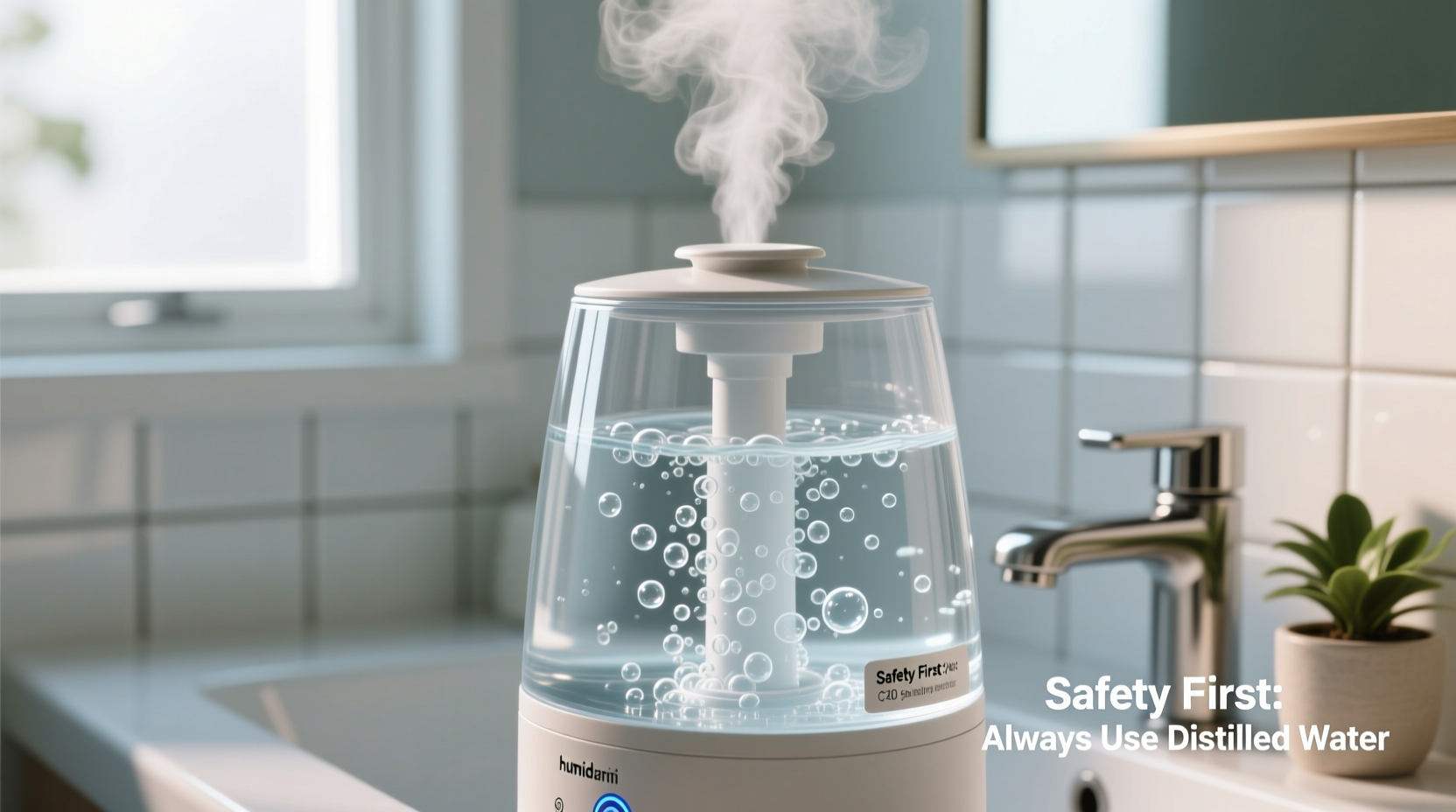
To diagnose a gurgling sound, it helps to understand the basic mechanics of different humidifier types. The two most common are ultrasonic and evaporative models, each operating differently:
- Ultrasonic humidifiers use high-frequency vibrations to break water into fine mist, which is then released into the air. These units often have internal reservoirs and require regular cleaning to prevent mineral buildup.
- Evaporative humidifiers rely on a fan to blow air through a wet wick filter, naturally releasing moisture. They are self-regulating and less likely to over-humidify but depend heavily on clean filters and proper water flow.
Gurgling typically occurs when water flows unevenly, becomes trapped, or encounters resistance in the system. While not always harmful, persistent or loud gurgling can signal underlying issues that affect performance or longevity.
Common Causes of Gurgling Sounds
Several mechanical and environmental factors can lead to gurgling. Identifying the source is the first step toward resolution.
1. Uneven Water Flow or Air Trapped in the System
In ultrasonic models, if water isn’t feeding smoothly into the mist chamber, air pockets can form. As the unit cycles on and off, these bubbles burst or shift, creating a bubbling or gurgling effect similar to water draining from a bottle.
2. Mineral Buildup in Internal Components
Hard water contains calcium and magnesium, which leave deposits inside the water tank, base, or nozzle. Over time, these minerals restrict water flow and disrupt the even dispersion of mist, causing irregular sounds.
3. Improper Unit Leveling
If the humidifier isn’t sitting perfectly level, water can pool on one side, leading to inconsistent siphoning and gurgling as it shifts during operation. Even a slight tilt on carpeted or uneven surfaces can cause this issue.
4. Clogged or Worn Wick Filter (Evaporative Models)
In evaporative units, a dirty or degraded wick filter can impede water absorption. When water pools at the bottom instead of being drawn up evenly, it creates bubbling or gurgling noises as air passes through.
5. Overfilling or Incorrect Assembly
Exceeding the maximum fill line can cause water to spill into areas not designed for liquid retention. Similarly, failing to reassemble parts correctly after cleaning—such as misaligning the tank and base—can disrupt internal seals and channels.
Troubleshooting Steps to Stop the Gurgling
Before assuming your humidifier is faulty, follow this systematic approach to identify and resolve the issue.
- Turn off and unplug the unit. Safety first—never inspect or clean a powered device.
- Check the placement. Place the humidifier on a flat, hard surface. Use a small level tool or smartphone app to confirm it’s balanced.
- Inspect water level. Ensure you’re not exceeding the “Max Fill” line. Overfilling is a common but easily overlooked mistake.
- Disassemble and examine components. Remove the water tank, filter (if applicable), and any removable plates or nozzles. Look for visible clogs, debris, or mineral crust.
- Clean all parts thoroughly. Use a mixture of white vinegar and water (1:1 ratio) to soak the base, tank, and nozzle for 20–30 minutes. Scrub gently with a soft brush. Rinse completely.
- Replace the wick filter if needed. Most manufacturers recommend replacing filters every 1–3 months, depending on usage and water hardness.
- Reassemble carefully. Align all parts precisely. Listen for a secure click or seal when attaching the tank to the base.
- Refill with distilled water. Tap water increases mineral deposits. Distilled water reduces scaling and improves performance.
- Restart and observe. Run the unit on low for 10–15 minutes to see if the gurgling persists.
Safety Concerns: Is a Gurgling Humidifier Dangerous?
In most cases, a gurgling humidifier is not an immediate safety hazard. However, prolonged neglect can lead to secondary risks:
- Electrical damage: If water leaks into the motor or electrical components due to poor assembly or cracks, it could short-circuit the unit.
- Mold and bacteria growth: Stagnant water from improper drainage or infrequent cleaning fosters microbial growth. When dispersed into the air, this poses respiratory health risks.
- Reduced efficiency: A malfunctioning humidifier may fail to maintain optimal humidity levels, defeating its purpose and potentially worsening dry skin or sinus issues.
“While occasional gurgling isn’t alarming, consistent strange noises often indicate maintenance needs. Ignoring them can compromise both air quality and device lifespan.” — Dr. Lena Patel, Indoor Air Quality Specialist
Do’s and Don’ts for Humidifier Maintenance
| Do’s | Don’ts |
|---|---|
| Use distilled or filtered water | Use tap water regularly, especially in hard water areas |
| Clean the unit every 3–7 days | Let water sit in the tank between uses |
| Replace filters as recommended | Run the humidifier without a filter (if required) |
| Place on a level, waterproof surface | Operate on carpet or uneven furniture |
| Empty, rinse, and dry after each use | Ignore musty smells or visible mold |
Mini Case Study: Resolving Chronic Gurgling in a Bedroom Humidifier
Sarah, a teacher in Denver, noticed her ultrasonic humidifier started gurgling loudly every night, disrupting her sleep. She initially assumed it was broken and considered replacement. Instead, she followed a cleaning protocol using vinegar and a soft brush. After disassembling the unit, she discovered a thick layer of white mineral scale around the transducer plate—a common issue in regions with hard water. Once cleaned and refilled with distilled water, the gurgling stopped entirely. Sarah now cleans her humidifier weekly and reports quieter, more reliable operation throughout the winter.
This case illustrates how a simple maintenance routine can resolve what seems like a mechanical flaw. It also underscores the importance of water quality in device performance.
When to Replace Your Humidifier
Even with diligent care, humidifiers have a limited lifespan—typically 3 to 5 years. Consider replacement if you experience any of the following:
- Continuous gurgling despite thorough cleaning and correct setup
- Visible cracks in the water tank or base
- Persistent musty odor that won’t go away after cleaning
- Frequent need for repairs or inconsistent mist output
- Manufacturer discontinues support or replacement parts
Older units may also lack modern safety features like automatic shutoff when water runs low or tanks are removed. Upgrading ensures better efficiency, quieter operation, and improved air quality.
Frequently Asked Questions
Is it safe to sleep with a gurgling humidifier running?
In most cases, yes—provided the noise is mild and the unit is otherwise functioning properly. However, if the gurgling is loud or accompanied by leaking, unusual smells, or inconsistent mist, it’s best to turn it off and investigate. Continuous abnormal sounds may indicate a developing problem that could worsen over time.
Can gurgling mean my humidifier is spreading mold?
Not directly. The gurgling itself doesn’t spread mold, but the conditions causing it—like stagnant water, infrequent cleaning, or a dirty tank—can promote microbial growth. If your humidifier has a musty smell or visible slime, stop using it immediately and disinfect thoroughly. Running a contaminated unit can release mold spores and bacteria into the air, posing health risks.
Why does my humidifier gurgle only at certain times?
Intermittent gurgling often relates to water level changes. For example, the noise might occur when the tank is nearly empty and air enters the feed tube. It can also happen during startup as the system equalizes pressure. If it only happens at low water levels, refill before it gets too low. If it occurs randomly, check for loose parts or improper sealing.
Preventive Checklist for Quiet, Efficient Operation
- ✔ Clean the tank and base weekly with vinegar solution
- ✔ Use distilled or demineralized water exclusively
- ✔ Replace the wick filter every 1–3 months
- ✔ Inspect for cracks or wear monthly
- ✔ Store properly when not in use (dry, cool place)
- ✔ Operate on a flat, non-porous surface
- ✔ Empty and dry the unit after each use
Conclusion
A gurgling humidifier isn’t usually dangerous, but it’s a clear signal that something needs attention. Whether it’s mineral buildup, improper leveling, or a worn-out component, addressing the issue promptly ensures safer, quieter, and more effective operation. Regular maintenance not only eliminates annoying sounds but also protects your indoor air quality and extends the life of your device. By using distilled water, cleaning consistently, and staying alert to changes in performance, you can enjoy comfortable, healthy humidity without disruption.




 浙公网安备
33010002000092号
浙公网安备
33010002000092号 浙B2-20120091-4
Comments
No comments yet. Why don't you start the discussion?