
A humidifier should run quietly, adding moisture to dry air without drawing attention. When you start hearing a gurgling or bubbling noise, it’s more than just an annoyance—it’s a signal that something in the system isn’t functioning as intended. While this sound doesn’t always mean your unit is broken, it does indicate a mechanical or operational imbalance that needs addressing. Left unchecked, these issues can reduce efficiency, shorten the lifespan of your device, or even lead to water leaks and mold growth.
Understanding the root causes behind the gurgling sound empowers you to take quick corrective action. Whether you own an ultrasonic, evaporative, or warm mist humidifier, several common factors—ranging from water levels to internal buildup—can trigger unusual noises. This guide breaks down the most frequent culprits, offers step-by-step fixes, and provides preventative strategies so your humidifier runs smoothly and silently.
Common Causes of Gurgling Sounds in Humidifiers
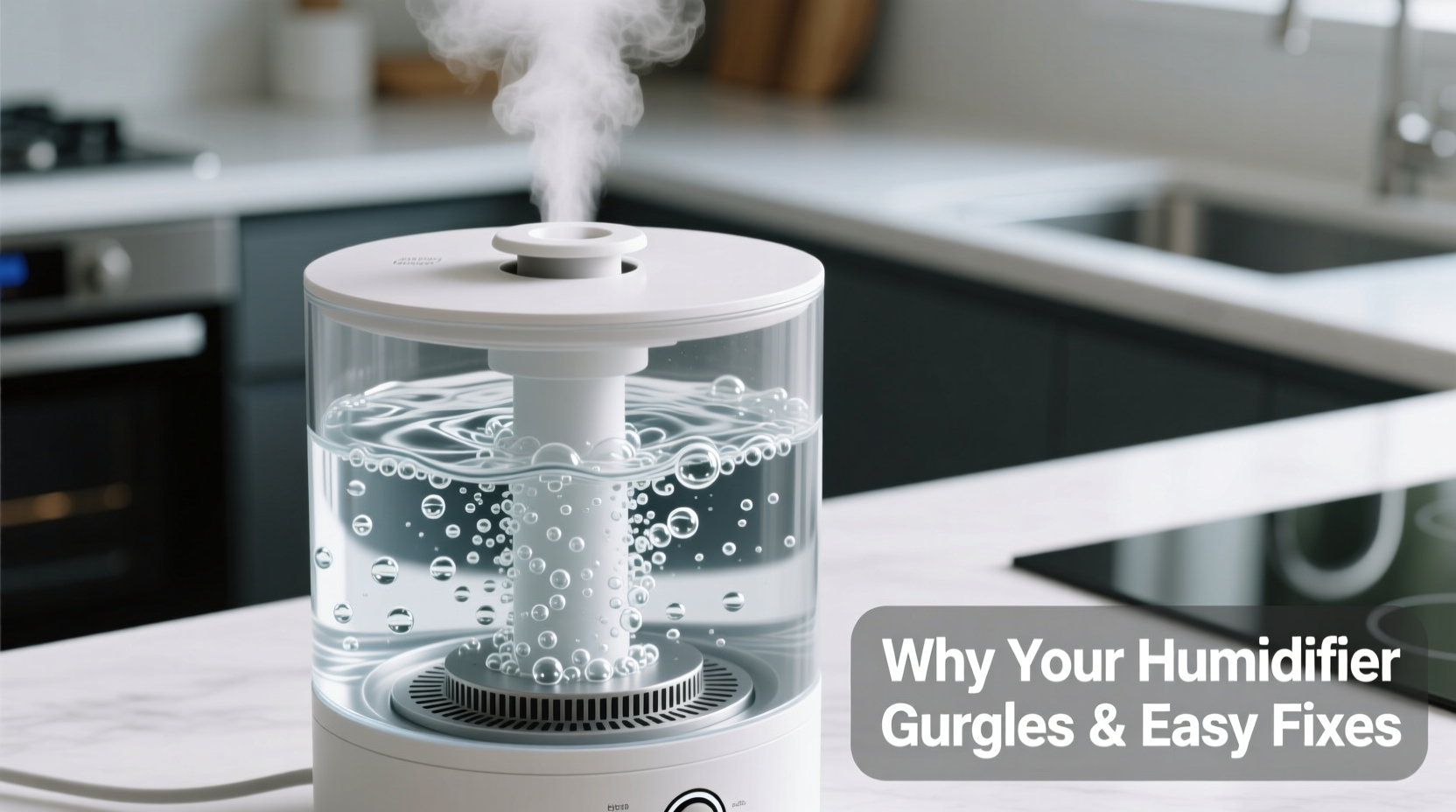
Gurgling noises typically stem from disruptions in how water flows or vaporizes inside the unit. The exact cause depends on your humidifier type, but most issues fall into one of several categories.
1. Improper Water Level
One of the most frequent reasons for gurgling is incorrect water volume. If the tank is overfilled, excess water may flood internal components like the wick filter or transducer (in ultrasonic models), causing splashing or bubbling sounds. Conversely, if the water level is too low, the pump or heating element may suck in air along with water, creating a suction-like gurgle.
2. Air Trapped in the System
Air pockets can form in the water reservoir or feed tubes, especially after refilling. As water moves through narrow channels, trapped air bubbles rise and pop, producing rhythmic gurgles. This is particularly common in console-style humidifiers with built-in pumps.
3. Clogged or Saturated Wick Filter
In evaporative humidifiers, the wick filter absorbs water and allows the fan to blow air through it, releasing moisture. Over time, mineral deposits from hard water clog the filter’s pores. A saturated or calcified wick restricts water flow, leading to uneven absorption and irregular dripping—both of which generate gurgling sounds.
4. Mineral Buildup on Transducer or Heating Element
Ultrasonic and warm mist humidifiers use either a vibrating transducer or a heating element to produce mist. Hard water leaves behind limescale and sediment, which accumulate on these sensitive parts. A coated transducer can’t vibrate efficiently, causing erratic water agitation and popping or gurgling noises.
5. Uneven Placement or Tilted Unit
If your humidifier isn’t sitting perfectly level, water pools unevenly inside the reservoir. This imbalance disrupts normal water flow to the misting mechanism, resulting in intermittent sputtering and gurgling. Even a slight incline on carpeted floors or uneven nightstands can trigger this issue.
Step-by-Step Guide to Diagnose and Fix the Noise
Before disassembling your humidifier, follow this logical troubleshooting sequence to identify and resolve the source of the gurgling sound.
- Unplug the unit and empty the water tank. Safety first—never work on an electrical appliance while it's plugged in.
- Inspect the base for visible debris or mineral deposits. Shine a flashlight into the reservoir and check around the transducer (ultrasonic) or heating chamber (warm mist).
- Clean the internal components using white vinegar. Fill the base with equal parts white vinegar and water. Let it sit for 20–30 minutes, then scrub gently with a soft brush. Rinse thoroughly.
- Replace or clean the wick filter (if applicable). Soak it in vinegar for 15 minutes if reusable. Replace every 1–3 months depending on usage and water hardness.
- Refill with distilled or demineralized water. Tap water contains minerals that accelerate buildup. Switching to purified water dramatically reduces long-term maintenance issues.
- Ensure the unit is level. Use a small bubble level or visually confirm it sits evenly on the surface.
- Reassemble and test operation. Run the humidifier at a low setting initially to monitor noise levels.
If the gurgling persists after cleaning and leveling, inspect tubing (in pump-equipped models) for kinks or blockages. Detach hoses carefully and flush with vinegar solution if accessible.
Do’s and Don’ts: Maintaining a Quiet, Efficient Humidifier
| Do’s | Don’ts |
|---|---|
| Use distilled or filtered water to minimize mineral deposits | Never use tap water regularly if you have hard water |
| Clean the tank and base weekly during active use | Don’t let standing water sit for more than 2 days |
| Replace wicks and filters as recommended by the manufacturer | Don’t reuse heavily scaled or discolored filters |
| Place the unit on a waterproof tray to protect surfaces | Don’t operate near electronics or wooden furniture without protection |
| Run a vinegar cycle monthly for deep descaling | Don’t use bleach or abrasive cleaners unless specified by the manual |
Real-World Example: Solving a Persistent Gurgling Issue
Sarah, a teacher from Denver, noticed her bedroom humidifier started making loud gurgling noises every night during winter. She assumed it was broken and nearly replaced it—until she recalled reading about mineral buildup. Her area has notoriously hard water, and she had been refilling the unit with tap water daily.
She followed a simple cleaning routine: emptied the tank, soaked the base in vinegar for half an hour, scrubbed the transducer gently with a toothbrush, and rinsed everything well. She also purchased a pack of replacement wicks and began using bottled distilled water. After reassembly, the humidifier ran silently. Six months later, with monthly maintenance, it still performs flawlessly.
This case illustrates how a common environmental factor—hard water—combined with routine neglect, leads to avoidable problems. With minimal effort, Sarah extended her humidifier’s life and regained peaceful sleep.
“Most humidifier noises are not signs of failure but signals for maintenance. Regular cleaning and using proper water types can eliminate 90% of operational issues.” — Dr. Alan Reeves, Home Appliance Engineer and Indoor Air Quality Consultant
Preventative Maintenance Checklist
To keep your humidifier running quietly and efficiently, adopt this simple checklist into your household routine:
- ✅ Empty and rinse the water tank daily when in use
- ✅ Deep clean the base and components weekly with vinegar
- ✅ Replace wick filters every 1–3 months (or per manufacturer guidelines)
- ✅ Use distilled or demineralized water exclusively
- ✅ Store the unit completely dry when not in seasonal use
- ✅ Inspect seals and hoses monthly for cracks or blockages (if applicable)
- ✅ Keep the exterior vents dust-free with a soft cloth
Sticking to this routine prevents not only gurgling but also bacterial growth, musty odors, and white dust dispersion—common side effects of poor upkeep.
Frequently Asked Questions
Is a gurgling humidifier dangerous?
Not inherently, but it can indicate underlying problems like excessive mineral buildup or component strain. If ignored, these issues may lead to motor burnout, leaks, or microbial contamination. Address the noise promptly to avoid safety risks and maintain air quality.
Can I use lemon juice instead of vinegar to clean my humidifier?
Lemon juice contains citric acid, which has mild descaling properties, but it’s less effective than acetic acid (found in vinegar). Additionally, citrus residues can leave behind organic matter that promotes mold. White vinegar is safer, more effective, and widely recommended by manufacturers for cleaning humidifiers.
Why does my humidifier gurgle only at certain settings?
This often occurs in multi-speed models where higher fan or mist output alters water dynamics. At high speeds, water may be drawn faster than it can replenish, causing temporary air intake and gurgling. Ensure the unit is properly filled and level. If the issue continues, clean internal channels to improve water flow consistency.
Final Thoughts and Action Plan
A gurgling humidifier isn’t just disruptive—it’s a call to action. These devices play a crucial role in maintaining healthy indoor humidity, especially during dry seasons. When they malfunction, comfort and air quality suffer. The good news is that most noise issues are fixable with basic care and a few household supplies.
Start by identifying the root cause: Is it water level? Mineral buildup? A clogged filter? Once diagnosed, apply the appropriate solution—cleaning, leveling, or part replacement. Then, implement a consistent maintenance schedule to prevent recurrence.
Remember, prevention is far easier than repair. Using distilled water, cleaning weekly, and replacing consumables on time will keep your humidifier quiet, efficient, and effective for years. Don’t wait for strange sounds to escalate into bigger problems. Take action today—your lungs, your home, and your peace of mind will thank you.




 浙公网安备
33010002000092号
浙公网安备
33010002000092号 浙B2-20120091-4
Comments
No comments yet. Why don't you start the discussion?