
If you’ve opened your humidifier only to find dark or black water inside, it’s more than just an eyesore—it could signal a serious hygiene issue. Black water in a humidifier often points to mold, mildew, bacterial growth, or mineral buildup from unclean tanks and poor maintenance. Left unchecked, these contaminants can be dispersed into your indoor air, potentially affecting respiratory health—especially for children, the elderly, or those with allergies or asthma.
Understanding the root causes of black water and how to prevent it isn’t just about preserving your device; it’s about safeguarding your home environment. This guide breaks down the most common reasons behind discolored water, offers actionable cleaning strategies, and provides long-term prevention tips to ensure your humidifier runs cleanly and efficiently.
Common Causes of Black Water in Humidifiers
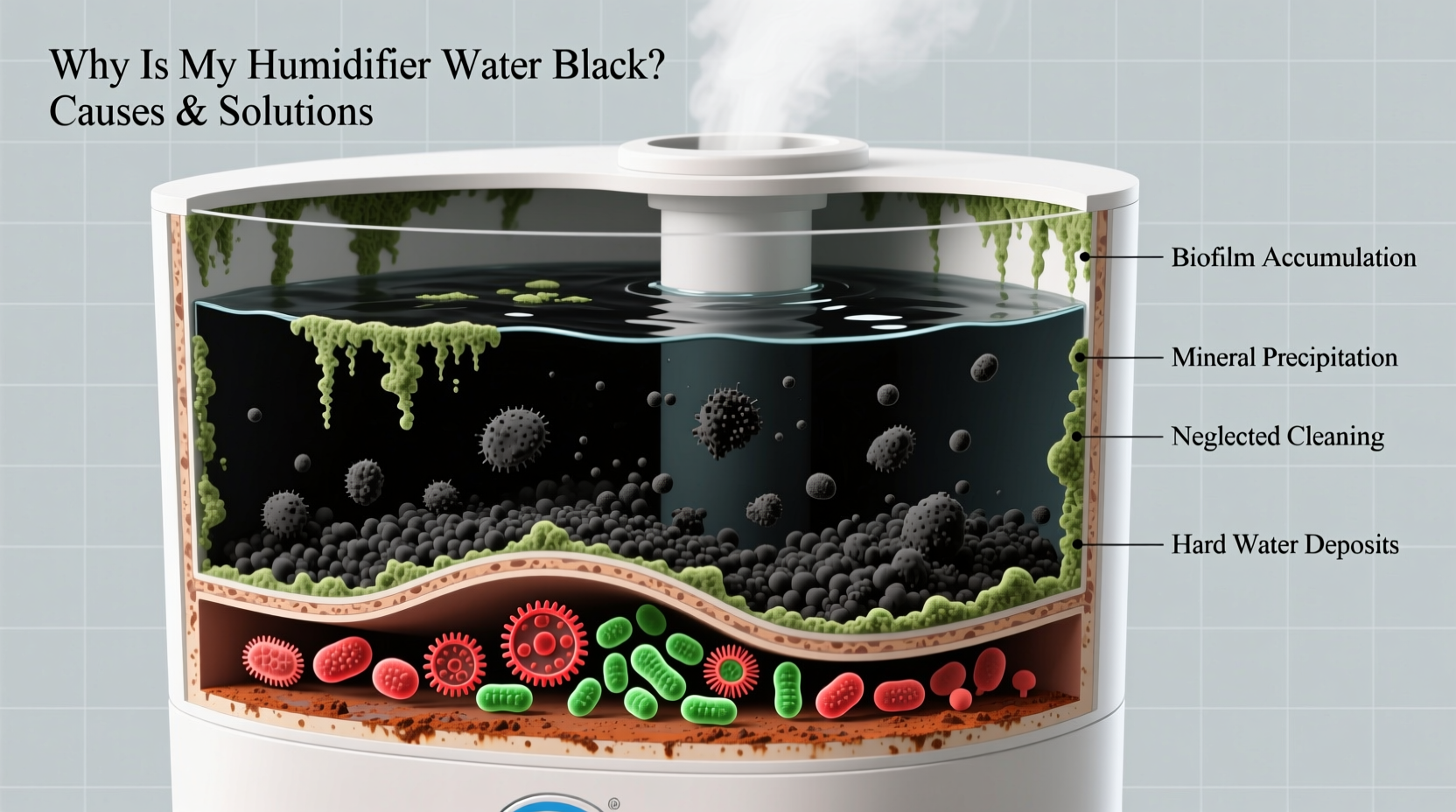
Several factors contribute to the development of black or dark-colored water in humidifiers. Identifying the cause is the first step toward effective resolution.
- Mold and Mildew Growth: Damp, warm environments are ideal breeding grounds for fungi. If the water tank isn’t cleaned regularly, mold spores can grow on internal surfaces and discolor the water.
- Bacterial Colonies: Certain bacteria thrive in stagnant water and can form biofilms—slimy layers that may appear gray, brown, or black.
- Mineral Buildup and Sediment: Hard water contains high levels of calcium and magnesium. Over time, these minerals settle and darken, especially when combined with organic matter.
- Algae Formation: If the humidifier is exposed to sunlight, algae can develop, contributing to discoloration.
- Worn or Degrading Internal Components: In older units, rubber seals, gaskets, or plastic parts may degrade and leach particles into the water.
- Poor-Quality or Contaminated Water: Using tap water with high iron content (often called “rusty water”) can lead to brownish-black sediment.
“Black water in a humidifier is never normal. It indicates microbial contamination or material breakdown, both of which compromise air quality.” — Dr. Lena Torres, Indoor Air Quality Specialist
Step-by-Step Guide to Cleaning a Humidifier with Black Water
Once you notice discoloration, immediate cleaning is essential. Follow this detailed process to thoroughly sanitize your unit:
- Unplug and Disassemble: Turn off and unplug the humidifier. Remove the water tank, filter, tray, and any detachable components.
- Dump Contaminated Water: Empty the tank outdoors or into a sink, avoiding contact with skin. Rinse immediately.
- Prepare a Cleaning Solution: Mix 1 cup of white vinegar with 1 cup of water, or use 3% hydrogen peroxide. Both are effective at killing mold and bacteria without harsh chemicals.
- Soak Removable Parts: Submerge the tank, base, and other non-electrical parts in the solution for 30 minutes.
- Scrub All Surfaces: Use a soft brush or toothbrush to scrub corners, crevices, and the mist nozzle. Avoid abrasive pads that can scratch plastic.
- Rinse Thoroughly: Rinse all parts with clean water until no vinegar or residue remains.
- Wipe Electrical Components: Dampen a cloth with vinegar solution and wipe the motor housing and fan area. Never submerge electrical parts.
- Air-Dry Completely: Let all components dry fully before reassembling to prevent moisture retention.
- Refill with Fresh Water: Use distilled or demineralized water to minimize future buildup.
Do’s and Don’ts for Humidifier Maintenance
| Action | Do | Don’t |
|---|---|---|
| Water Type | Use distilled or demineralized water | Use untreated tap water, especially if hard |
| Cleaning Frequency | Clean every 3–7 days | Wait until visible mold or odor appears |
| Drying | Allow full air-drying after cleaning | Reassemble while parts are still damp |
| Storage | Store disassembled and dry between seasons | Leave water sitting in the tank |
| Filter Care | Replace filters as recommended by manufacturer | Reuse expired or moldy filters |
Real Example: A Family’s Experience with Moldy Humidifier Water
The Carter family in Ohio began using a cool-mist humidifier during winter to ease their son’s allergy symptoms. After a few weeks, they noticed a musty smell and dark specks in the mist. Upon inspection, the water appeared murky with black flecks along the tank walls. They continued using it, assuming it was dust.
Within days, their son developed worsened congestion and nighttime coughing. A pediatrician suggested checking the humidifier. After cleaning it with vinegar, they discovered thick mold colonies around the base. Once they started weekly cleanings and switched to distilled water, his symptoms improved significantly.
This case highlights how easily microbial contamination can go unnoticed—and how quickly it impacts health. Regular maintenance isn’t optional; it’s essential.
Prevention Checklist for Long-Term Humidifier Health
To avoid recurring issues, follow this practical checklist:
- ✅ Use distilled or purified water instead of tap water
- ✅ Empty and dry the tank daily when not in use
- ✅ Clean the entire unit weekly with vinegar or hydrogen peroxide
- ✅ Replace filters every 1–3 months, depending on usage
- ✅ Store the humidifier disassembled and dry during off-seasons
- ✅ Keep the unit out of direct sunlight to prevent algae
- ✅ Inspect for worn seals or cracks in the tank annually
- ✅ Run a disinfectant cycle monthly (follow manufacturer instructions)
Frequently Asked Questions
Is black water in a humidifier dangerous?
Yes. Black water often contains mold spores, bacteria, or debris that can be aerosolized and inhaled. This poses respiratory risks, especially for individuals with asthma, allergies, or weakened immune systems. Immediate cleaning and preventive measures are strongly advised.
Can I use bleach to clean my humidifier?
You can use a diluted bleach solution (1 teaspoon of bleach per gallon of water) occasionally for deep disinfection, but rinse extremely thoroughly afterward. Residual bleach can be harmful when vaporized. For routine cleaning, vinegar or hydrogen peroxide are safer and equally effective.
Why does my humidifier turn black even after cleaning?
Recurring discoloration usually means one of three things: using tap water with high mineral or iron content, inadequate drying after cleaning, or a failing component like a degraded seal. Switching to distilled water and ensuring complete drying often resolves the issue. If problems persist, consider replacing aging parts or the unit itself.
Conclusion: Breathe Easier with a Clean Humidifier
A humidifier should improve your indoor air quality, not harm it. Black water is a red flag indicating neglect or contamination that demands immediate attention. By understanding the causes—mold, bacteria, mineral deposits, or component wear—and applying consistent cleaning habits, you can keep your humidifier functioning safely and effectively.
Start today: empty the tank, inspect for grime, and give your unit a thorough cleaning. Make maintenance part of your routine, just like changing an air filter or vacuuming. Your lungs—and your household—will thank you.




 浙公网安备
33010002000092号
浙公网安备
33010002000092号 浙B2-20120091-4
Comments
No comments yet. Why don't you start the discussion?