
Cloudy ice is a common frustration for homeowners who expect crystal-clear cubes from their refrigerator’s ice maker. While the cloudiness doesn’t affect taste or safety, it can be unappealing—especially when serving drinks at gatherings or trying to elevate your at-home cocktail experience. The truth is, most standard ice makers produce cloudy ice due to trapped air and impurities. But with a few smart adjustments and techniques, you can achieve restaurant-quality clear ice at home. This guide breaks down the science behind cloudy ice, explains what causes it, and delivers practical, proven methods to transform your ice into pristine, transparent cubes.
The Science Behind Cloudy Ice
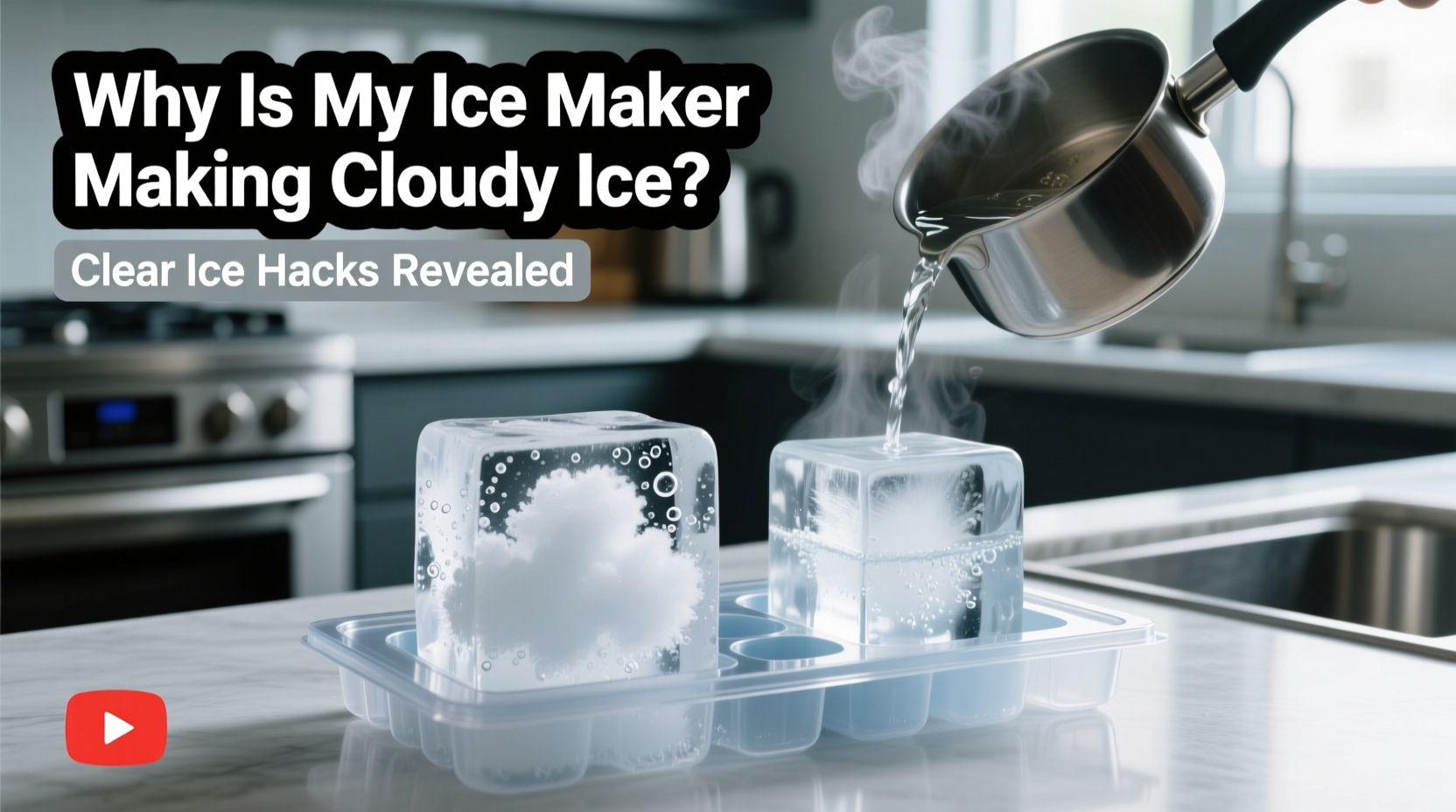
Clear ice forms when water freezes slowly and in one direction—typically from the top down. In contrast, household ice makers freeze water rapidly from all directions. As water cools, dissolved gases like oxygen and nitrogen come out of solution and get trapped in the center of the cube. Simultaneously, minerals and microscopic impurities in tap water are pushed toward the core as the outer edges freeze first. This concentration of particles and bubbles in the middle creates the familiar white, hazy appearance.
According to Dr. Robert Wolke, professor emeritus of chemistry at the University of Pittsburgh and author of *What Einstein Told His Cook*, “The opacity in ice isn’t dirt—it’s light scattering off tiny air bubbles and mineral clusters frozen in place.” He adds, “Slow freezing allows those impurities to be excluded gradually, resulting in clarity.”
“The key to clear ice isn’t purer water alone—it’s controlling the freezing process.” — Dr. Robert Wolke, Chemist & Food Scientist
Common Causes of Cloudy Ice in Home Ice Makers
Understanding the root causes is essential before applying fixes. Here are the primary reasons your ice maker might be producing cloudy ice:
- Rapid Freezing: Most ice makers freeze water too quickly, trapping air and impurities.
- Tap Water Quality: Municipal water contains chlorine, calcium, magnesium, and other minerals that contribute to cloudiness.
- Poor Filtration: A clogged or outdated water filter fails to remove enough particulates and gases.
- Agitation During Freezing: Movement from water dispensing or vibrations in the freezer disrupts even crystal formation.
- Ice Storage Conditions: Stored ice absorbs odors and moisture, leading to surface frost and haze over time.
Hacks to Make Clear Ice at Home
You don’t need professional equipment to create stunningly clear ice. These accessible, low-cost methods work with everyday kitchen tools and deliver impressive results.
1. Boil the Water Twice (Double-Boiling Method)
Boiling water removes dissolved gases. Boiling it twice enhances this effect. Here’s how:
- Bring filtered water to a rolling boil in a clean pot.
- Cover and let simmer for 10 minutes to drive off more air.
- Cool completely, then repeat the boiling process.
- Pour into an ice tray and freeze slowly (see next section).
This method reduces microbubbles significantly. While not perfect, it dramatically improves clarity compared to untreated tap water.
2. Use Directional Freezing with an Insulated Cooler
This is the gold standard for DIY clear ice. By insulating three sides and the bottom of a container, only the top surface is exposed to cold air, allowing ice to freeze from the top down.
- Fill a small insulated cooler (like a 5-quart model) with distilled or boiled water.
- Leave the lid off and place it in the freezer.
- Freeze for 18–24 hours. Only the top portion will freeze solid; the cloudy center remains liquid.
- Discard the unfrozen, impurity-rich water at the bottom.
- Remove the clear block and cut it into cubes using a serrated knife or band saw.
The result? Large, glass-like ice cubes ideal for whiskey, cocktails, or upscale entertaining.
3. Switch to Distilled or Reverse Osmosis Water
Distilled water has nearly all minerals and gases removed through vaporization and condensation. It’s widely available and inexpensive. Reverse osmosis (RO) systems provide similar purity at home. Using either eliminates many impurities before freezing begins.
4. Freeze Ice Slowly in the Coldest Part of the Freezer
Place your ice tray in the back of the freezer, away from the door, where temperatures are most stable. Slower freezing promotes larger, clearer ice crystals. Use a metal tray instead of plastic—metal conducts heat better, enabling more uniform freezing.
5. Pre-Chill Your Water Before Freezing
Starting with cold water reduces the thermal shock during freezing. Refrigerate your water for at least an hour before pouring it into trays. This helps minimize bubble formation caused by rapid temperature changes.
Comparison Table: Methods for Clear Ice
| Method | Clarity Level | Time Required | Equipment Needed | Best For |
|---|---|---|---|---|
| Standard Ice Maker (tap water) | Low | 2–4 hours | None | Daily use, casual drinking |
| Double-Boiled Water + Tray | Moderate | 6+ hours | Pot, stove, tray | Improved everyday ice |
| Distilled Water Only | Medium-High | 4–6 hours | Tray, distilled water | Quick upgrade without effort |
| Directional Freezing (Cooler Method) | Very High | 18–24 hours | Cooler, knife/saw | Cocktails, special occasions |
| Reverse Osmosis + Slow Freeze | High | 6–8 hours | RO system, tray | Home bar enthusiasts |
Mini Case Study: Clear Ice Transformation in a Home Bar
Mark T., a cocktail enthusiast from Denver, struggled with cloudy ice ruining his carefully crafted old-fashioneds. He used his fridge’s built-in ice maker but noticed guests often commented on the “dirty” look of the cubes. After researching, he tried the directional freezing method using a $20 cooler and distilled water. He froze a 4-inch block over 20 hours, then cut it into large cubes with a bread knife.
The difference was immediate. His whiskey no longer looked murky, and chilling occurred more slowly due to the dense, solid ice. “It felt like upgrading from fast food to fine dining,” Mark said. “People actually complimented the ice now.” He now prepares clear ice weekly and stores it in an airtight container to prevent frost buildup.
Checklist: How to Achieve Clear Ice at Home
Follow this actionable checklist to start making clear ice today:
- ☐ Replace your refrigerator water filter (if applicable)
- ☐ Test your tap water—consider switching to distilled or RO water
- ☐ Try double-boiling a batch of water and freezing it in trays
- ☐ Use a small insulated cooler for directional freezing
- ☐ Freeze ice slowly in the back of the freezer, undisturbed
- ☐ Discard the cloudy center when using the cooler method
- ☐ Store finished clear ice in a sealed container to avoid odor absorption
- ☐ Experiment with size—larger cubes melt slower and stay clearer longer
Frequently Asked Questions
Is cloudy ice unsafe to consume?
No, cloudy ice is perfectly safe. The cloudiness comes from trapped air and harmless minerals, not bacteria or contaminants. If your water is safe to drink, your ice is safe to consume.
Can I make clear ice in my regular ice maker?
Not easily. Standard ice makers are designed for speed, not clarity. They agitate water and freeze it too quickly. However, using distilled water and ensuring your filter is fresh can slightly improve clarity. For truly clear results, manual methods are required.
Why does restaurant ice look so much clearer?
Commercial operations often use specialized machines like Clinebell or Kold-Draft units that freeze water slowly from one direction while continuously circulating it. This mimics the natural freezing process of lakes, pushing impurities outward and creating optically clear blocks.
Expert Tips for Long-Term Ice Quality
Sustaining clear ice isn’t just about freezing—it’s also about maintenance and storage. Consider these advanced tips to keep your ice looking its best:
- Defrost your freezer regularly. Frost buildup insulates cooling elements, leading to inconsistent temperatures and uneven freezing.
- Avoid opening the freezer frequently during the freezing process. Each time the door opens, warm air enters and disrupts crystal formation.
- Use silicone molds for easy release without cracking or chipping clear ice.
- Label and date your ice batches. Clear ice stored too long can absorb freezer odors, especially if not sealed properly.
- Consider a dedicated freezer for ice production. A separate, low-humidity freezer set to a stable -18°C (0°F) provides ideal conditions.
“Clarity starts with control. When you manage the variables—water source, temperature, and freezing rate—you take back power over quality.” — Chef Lena Reyes, Beverage Director at Alchemy Lounge
Conclusion: Elevate Your Ice, Elevate Your Experience
Cloudy ice isn’t a flaw—it’s a sign of how modern appliances prioritize speed over perfection. But with a little knowledge and minimal effort, you can bypass those limitations and create ice that’s not only clear but functional. Clear ice melts slower, chills drinks more evenly, and enhances the visual appeal of any beverage. Whether you're hosting guests, enjoying a quiet evening with a scotch, or simply tired of murky cubes, these hacks offer real, lasting improvements.
Start small: try using distilled water this week. Then experiment with double-boiling or the cooler method. Each step brings you closer to professional-grade results. Ice shouldn’t be an afterthought—it’s part of the experience. Take control of your freezing process, and you’ll never look at an ice cube the same way again.




 浙公网安备
33010002000092号
浙公网安备
33010002000092号 浙B2-20120091-4
Comments
No comments yet. Why don't you start the discussion?