
There’s nothing more disappointing than setting up your festive outdoor display only to find that your inflatable Santa, snowman, or reindeer sags within hours. Inflatable Christmas decorations bring joy and whimsy to holiday displays, but when they fail to stay inflated, the magic fades fast. The good news? Most issues are fixable with a few simple checks and repairs. Whether it's a tiny puncture, a failing fan, or improper setup, understanding the root causes can save time, money, and seasonal frustration.
This guide walks you through common reasons why inflatables lose air, how to diagnose the problem, and what you can do to get them back in shape—before the neighbors start wondering if Santa deflated on his way down the chimney.
Understanding How Inflatable Decorations Work
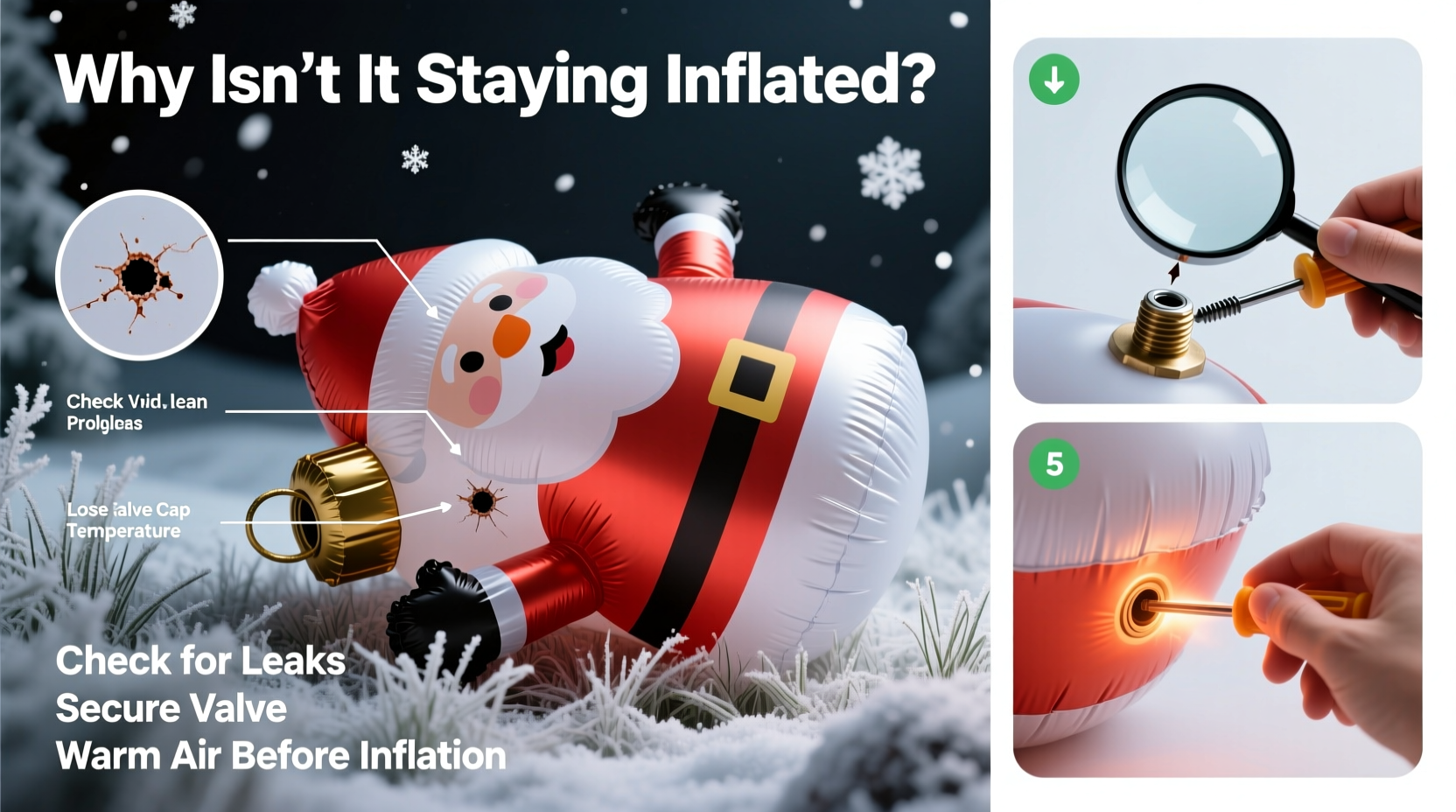
Inflatable holiday decorations rely on an internal electric fan to maintain constant airflow. Unlike balloons or sealed bouncy castles, these units aren’t meant to be fully sealed. Instead, the fan continuously pushes air into the structure, creating outward pressure that keeps the shape rigid. Excess air escapes through small vents or seams designed to prevent overinflation.
This means that if the fan stops working—even briefly—the decoration will begin to deflate. It also explains why most inflatables make a soft humming noise during operation. Any disruption in power, airflow, or structural integrity can compromise performance.
“Many people assume their inflatable has a leak like a balloon, but 60% of the time, the issue is actually with the fan unit or power supply.” — Mark Reynolds, Seasonal Lighting Technician with 15+ years in holiday display installation
Step-by-Step Guide: Diagnosing Why Your Inflatable Won’t Stay Inflated
Follow this logical sequence to identify and resolve the problem efficiently.
- Unplug and inspect the decoration: Lay it flat on a clean surface. Look for obvious tears, loose stitching, or detached panels.
- Check the fan housing: Locate the fan unit—usually at the base or inside a rear pocket. Ensure it’s securely attached and free of debris.
- Test the power source: Plug the decoration into a known-working outlet using a different extension cord if possible. Use a voltage tester or multimeter to confirm power delivery.
- Listen for fan operation: Once powered, place your ear near the fan. You should hear a consistent hum. Silence indicates a dead motor; inconsistent noise may point to electrical issues.
- Feel for airflow: Hold your hand near intake and exhaust vents. Strong, steady airflow confirms the fan works. Weak or intermittent flow suggests blockages or partial failure.
- Inspect seams and fabric: Inflate manually (by blowing or using a hairdryer on cool) and listen closely for hissing sounds. Submerge suspect areas in water (if safe) to spot bubbles indicating leaks.
- Reassemble and retest: After repairs, reconnect all parts and test outdoors under normal conditions.
Common Causes and Fixes
1. Fan Motor Failure
The most frequent culprit behind deflation is a burned-out or damaged fan motor. These motors run continuously for weeks and are vulnerable to moisture, overheating, or manufacturing defects.
- Symptoms: No sound, weak vibration, or erratic inflation.
- Solution: Replace the fan unit. Many manufacturers sell replacement fans by model number. Universal kits are also available online.
2. Power Supply Issues
A faulty cord, tripped GFCI outlet, or overloaded circuit can interrupt power without obvious signs.
- Symptoms: Decoration starts inflated but collapses after minutes; flickering lights (if lit).
- Solution: Test with a different outlet, preferably one not shared with other high-draw devices. Use outdoor-rated GFCI outlets and avoid daisy-chaining extension cords.
3. Small Punctures or Seam Leaks
Nails, pet claws, sharp branches, or even UV degradation can create tiny holes. While minor leaks may not collapse the unit immediately, they increase strain on the fan.
- Symptoms: Slow deflation, especially overnight; localized sagging.
- Solution: Clean the area, dry thoroughly, and apply vinyl repair patches or waterproof tape designed for inflatables.
4. Improper Setup or Vent Blockage
Some models require specific orientation or clear airflow paths. Blocking intake vents with mulch, snow, or furniture disrupts function.
- Symptoms: Decoration inflates unevenly or partially.
- Solution: Ensure the fan intake is elevated above ground level and unobstructed. Keep snow cleared during winter storms.
5. Cold Weather Performance
Air contracts in cold temperatures, reducing internal pressure. Combined with a marginally strong fan, this can lead to temporary deflation at night.
- Symptoms: Deflates in evening, reinflates at midday.
- Solution: Confirm fan is functioning optimally. Consider relocating to a slightly sheltered area if wind chill is extreme.
Troubleshooting Checklist
Use this quick-reference checklist before calling it a lost cause:
- ✅ Is the power outlet live and GFCI-reset if needed?
- ✅ Is the extension cord rated for outdoor use and undamaged?
- ✅ Can you hear the fan running steadily?
- ✅ Is there visible damage to the fabric or seams?
- ✅ Are intake and exhaust vents clear of debris?
- ✅ Is the fan unit securely connected and seated properly?
- ✅ Have you tested the decoration in a warmer, wind-free environment?
- ✅ Did you check for slow leaks using soapy water or submersion?
Do’s and Don’ts: Inflatable Care Table
| Do | Don’t |
|---|---|
| Use outdoor-rated extension cords with proper gauge (typically 16 AWG or lower) | Daisy-chain multiple extension cords |
| Elevate the fan off wet surfaces using a plastic tray or stand | Place directly on muddy or snowy ground |
| Patch small holes with vinyl repair kits or waterproof duct tape | Use regular tape or glue not designed for flexible plastics |
| Store clean, dry, and loosely folded in a cool, dark place | Compress tightly into small bags or leave damp in storage |
| Inspect annually for wear, brittleness, or rodent damage | Leave outdoors year-round or exposed to direct sunlight |
Real Example: A Snowman That Wouldn’t Stand Up
Debbie from Minnesota purchased a 7-foot inflatable snowman in 2022. By the third week of December, it began deflating nightly. She assumed it was a hole, so she patched several spots with tape—but the problem persisted.
After reading about fan performance in cold weather, she recorded a time-lapse video. It showed the snowman slowly sinking after sunset. During the day, it reinflated completely. She realized temperature changes were affecting air volume, but her fan wasn’t powerful enough to compensate.
She ordered a higher-CFM replacement fan compatible with her model. After installation, the snowman stayed upright all night, even during a -15°F cold snap. The original fan had degraded over two seasons and couldn’t maintain pressure under thermal stress.
Her takeaway: “Just because it hums doesn’t mean it’s working well enough.”
How to Repair Small Leaks Effectively
Not every leak requires replacing the entire unit. Here’s how to patch common damage:
- Clean the area: Wipe with mild soap and water. Let dry completely.
- Cut a patch: Use a repair kit with PVC-compatible adhesive and material. Cut the patch larger than the hole (at least 1 inch beyond).
- Apply adhesive: Follow product instructions—some require drying time before pressing the patch.
- Press firmly: Use a roller or flat object to eliminate air bubbles.
- Cure: Allow 12–24 hours before inflating.
For emergency fixes, heavy-duty waterproof tape (like Gorilla Tape) can serve as a temporary solution until a proper patch is applied.
When to Replace vs. Repair
While many issues are fixable, some situations warrant replacement:
- Widespread fabric degradation: Brittle, cracked, or faded material won’t hold patches well.
- No replacement fan available: If the manufacturer discontinued parts, long-term reliability drops.
- Mold or mildew inside seams: Indicates prolonged moisture exposure and potential health risks.
- Frayed internal wiring: Safety hazard that shouldn’t be ignored.
Consider the cost: A new fan might be $15–$30. A full decoration could cost $50–$150. Weigh safety, effort, and expected lifespan before deciding.
FAQ: Common Questions About Inflatable Deflation
Can I leave my inflatable out in the rain?
Most modern inflatables are water-resistant and designed for outdoor use, including light rain. However, prolonged exposure to standing water or flooding can damage electronics. Always ensure the fan unit is elevated and protected from direct downpours.
Why does my decoration inflate during the day but collapse at night?
This is typically due to temperature fluctuations. Cold air contracts, reducing internal pressure. If your fan is aging or undersized, it may struggle to keep up. Check fan output and consider upgrading if needed.
Is it safe to repair an inflatable with a heat-activated patch?
Only if the manufacturer specifies it. Some materials can melt or warp under heat. For most home repairs, cold-applied adhesive patches are safer and just as effective.
Final Tips for Long-Term Success
Prevention beats repair every time. Extend the life of your inflatable decorations with proactive care:
- Store clean and dry in a breathable bag—not plastic, which traps moisture.
- Disassemble and fold loosely to avoid crease damage.
- Keep away from pets and sharp objects during storage.
- Inspect before each season—don’t wait for failure.
- Label cords and keep manuals or model numbers handy for part replacements.
“The best holiday displays aren’t just about size—they’re about reliability. A well-maintained $40 inflatable beats a neglected $200 one every time.” — Lisa Tran, Professional Holiday Display Designer
Conclusion: Keep the Holidays Light and Upright
An inflatable that won’t stay inflated isn’t necessarily doomed. With methodical troubleshooting, most issues—from dead fans to sneaky leaks—can be resolved quickly and affordably. Understanding how these decorations work empowers you to fix them confidently and enjoy years of festive cheer.
Take action tonight: pull out last year’s problem decoration, run through the checklist, and give it a second chance. A little maintenance now ensures smiles all season long.




 浙公网安备
33010002000092号
浙公网安备
33010002000092号 浙B2-20120091-4
Comments
No comments yet. Why don't you start the discussion?