
Jade rollers have become a staple in modern skincare routines, prized for their cooling effect, ability to reduce puffiness, and role in promoting lymphatic drainage. But many users are alarmed when they notice their once-pristine green roller beginning to darken—sometimes even turning black in spots. This discoloration can be unsettling, especially given the investment some place in high-quality tools. The truth is, a jade roller turning black is not always a sign of poor quality or contamination. In fact, it’s often the result of natural chemical interactions between the stone, your skin, and the products you use. Understanding the science behind this phenomenon can help you maintain your tool properly and determine whether the change is harmless or a signal to replace it.
The Science Behind Jade and Natural Stone Reactions
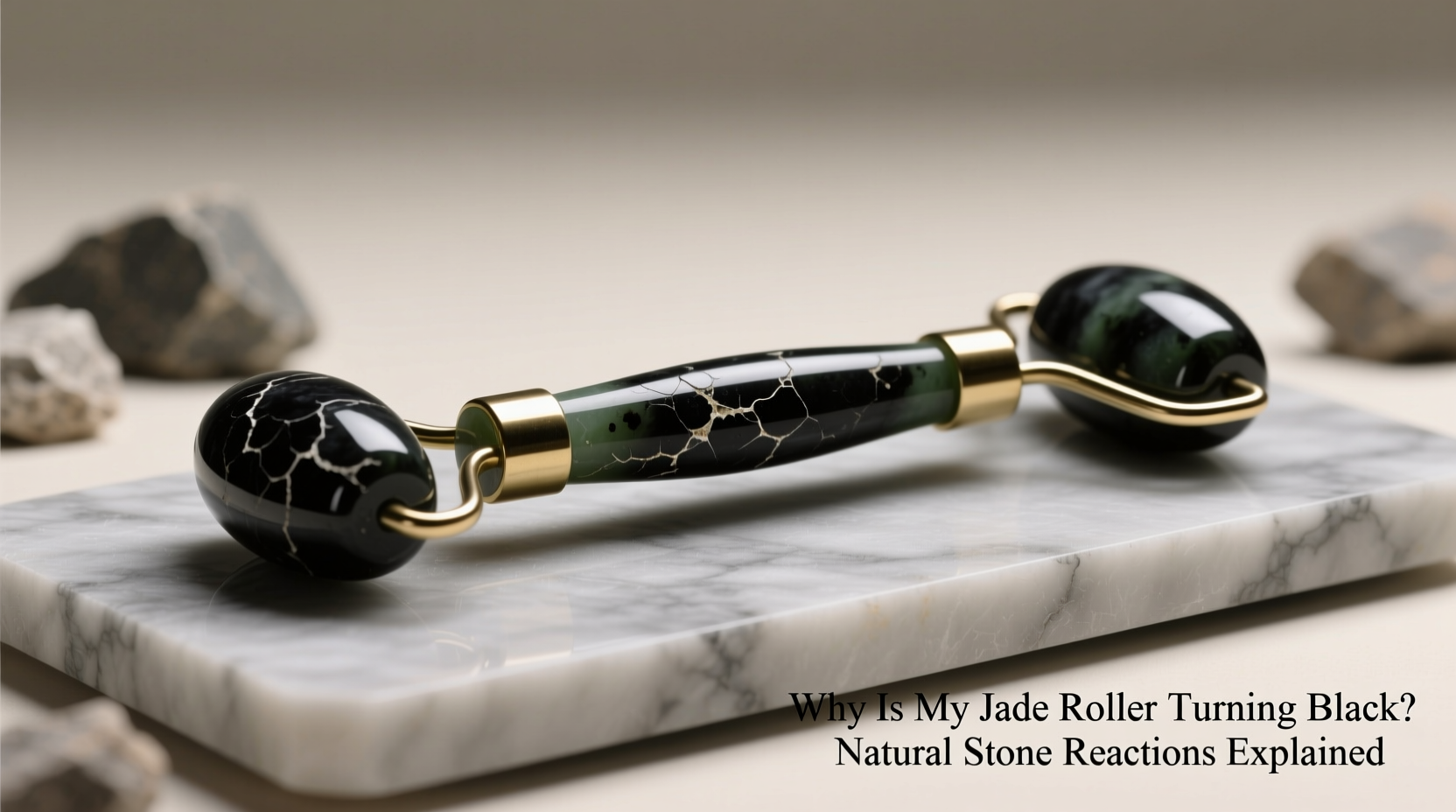
Jade is not a single mineral but a term used to describe two distinct silicate minerals: nephrite and jadeite. Most affordable facial rollers are made from nephrite, a microcrystalline form of amphibole that forms under high pressure and low temperature conditions deep within the Earth’s crust. Nephrite is naturally porous at a microscopic level, meaning it can absorb substances from its environment—including oils, moisture, and chemical residues.
This porosity plays a central role in why discoloration occurs. When a jade roller turns black, it's typically due to oxidation or chemical staining rather than mold or bacterial growth (though improper cleaning can contribute). The surface of the stone may react with compounds present in skincare products, sweat, or even the pH of your skin. Over time, these interactions can lead to visible darkening, particularly around areas of frequent contact.
Mineralogists note that jade’s composition includes iron, magnesium, calcium, and other trace elements. Iron, in particular, is prone to oxidation when exposed to moisture and air—a process similar to rusting. If your roller comes into regular contact with water or humid environments without thorough drying, iron within the stone can oxidize, leading to dark or brownish-black spots.
“Natural stones like nephrite are dynamic materials. They interact with their surroundings over time, and slight color changes are normal—especially with daily exposure to organic compounds.” — Dr. Lena Park, Geologist & Cosmetic Tool Consultant
Common Causes of Black Discoloration on Jade Rollers
While jade is durable, it is not inert. Several factors can accelerate or trigger blackening:
- Skin Oils and Sebum: Your skin naturally produces oils that can seep into the stone’s pores. Over time, oxidized sebum can leave behind yellow, gray, or black residue.
- Sweat and Body Chemistry: Sweat contains salts, urea, and varying pH levels. Some individuals have more acidic sweat, which can corrode mineral surfaces slightly and promote staining.
- Skincare Products: Serums, oils, and moisturizers containing vitamin C, retinoids, or metallic ingredients (like certain sunscreens) can react with the stone. For example, L-ascorbic acid (vitamin C) is highly reactive and may cause surface oxidation.
- Water Exposure: Leaving your roller wet or storing it in a damp bathroom increases the risk of mineral leaching and oxidation.
- Environmental Pollutants: Airborne particles, chlorine from tap water, or hard water minerals can deposit on the surface and contribute to discoloration.
How to Test Whether the Darkening Is Harmful
Not all black spots are equal. Some indicate natural aging; others suggest hygiene issues. Here’s how to assess what you’re seeing:
- Texture Check: Run your finger over the darkened area. If it feels rough, gritty, or raised, it may be mold or buildup. Genuine stone oxidation remains smooth.
- Smell Test: A musty or sour odor indicates microbial growth. Clean immediately and consider replacing if the smell persists.
- Wipe Test: Gently rub the spot with a cotton pad soaked in 70% isopropyl alcohol. If the black residue transfers, it’s likely product buildup. If not, it’s probably internal stone reaction.
- Location Pattern: Even, gradual darkening across the roller suggests chemical interaction. Patchy, localized black spots—especially near crevices—may point to trapped moisture and mold.
Real Example: A Case of Reactive Skincare Routine
Sophia, a 34-year-old esthetician from Portland, noticed her jade roller developing dark streaks after three months of daily use. She was using a vitamin C serum followed by a niacinamide moisturizer. After ruling out mold (no odor, smooth texture), she consulted a dermatology lab technician who suggested the L-ascorbic acid in her serum was reacting with trace iron in the nephrite. Upon switching to an oil-based roller cleaner and reducing direct serum contact, the darkening stabilized. Her roller remained functional and safe to use, though slightly darker in hue.
Do’s and Don’ts for Maintaining Your Jade Roller
| Do’s | Don’ts |
|---|---|
| Clean with a soft cloth and mild soap weekly | Soak the roller in water for extended periods |
| Dry completely before storing | Store in a humid bathroom or sealed plastic bag |
| Use a dedicated stone-safe cleanser or alcohol wipe (occasionally) | Use abrasive cleaners or exfoliants on the stone |
| Store in a breathable fabric pouch | Expose to extreme temperatures (freezer/heat) |
| Inspect monthly for texture or odor changes | Share your roller without sanitizing first |
Step-by-Step Guide to Proper Jade Roller Care
Maintaining your jade roller doesn’t require complex rituals, but consistency is key. Follow this routine to minimize discoloration and extend lifespan:
- After Each Use: Wipe the roller gently with a dry, clean microfiber cloth to remove surface oils.
- Weekly Cleaning: Dampen a soft cloth with lukewarm water and a drop of pH-neutral soap. Wipe the entire surface, avoiding soaking. Rinse the cloth and wipe again to remove soap residue.
- Drying: Pat dry with a towel, then leave the roller on a clean surface in a well-ventilated area for 1–2 hours. Do not return to storage until completely dry.
- Deep Clean (Monthly): Use a cotton pad with 70% isopropyl alcohol to gently wipe the stone. This removes buildup and disinfects without damaging the material.
- Storage: Place in a linen or cotton pouch away from direct sunlight and moisture. Avoid stacking heavy objects on top to prevent microfractures.
- Inspection: Once a month, examine the roller under good lighting. Look for cracks, cloudiness, or persistent stains that don’t wipe off.
When to Replace Your Jade Roller
A jade roller can last for years with proper care, but there are clear signs it’s time to retire it:
- Persistent black spots that grow despite cleaning
- Foul odor that doesn’t dissipate after alcohol cleaning
- Cracks, chips, or rough patches that could irritate skin
- Visible mold, especially in the metal connector or handle joints
- Loss of smooth glide due to surface erosion
If the discoloration is purely aesthetic and the roller passes all safety checks, there’s no health risk in continuing to use it. However, if you're uncomfortable with the appearance or suspect contamination, replacement is the safest choice.
FAQ: Common Questions About Jade Roller Discoloration
Is a black jade roller dangerous to use?
Not necessarily. If the darkening is due to natural oxidation and the roller is clean, dry, and odor-free, it’s generally safe. However, if you notice mold, cracks, or irritation after use, discontinue immediately.
Can I prevent my jade roller from turning black?
You can significantly reduce discoloration by wiping it after each use, avoiding direct contact with active skincare ingredients, and ensuring it dries fully. Using a protective coating like food-grade mineral oil occasionally may help seal minor pores, though this should be done sparingly.
Does real jade turn black, or is mine fake?
Real nephrite jade can darken due to oxidation and absorption. Fakes made from dyed glass or resin may also discolor—but usually more uniformly or unnaturally. Authenticity isn’t solely determined by color change; consider sourcing, weight (real jade is dense), and price point.
Conclusion: Embrace the Natural Evolution of Your Skincare Tools
Your jade roller is more than just a beauty gadget—it’s a piece of natural geology interacting daily with your body and routine. Like leather developing a patina or copper gaining a verdigris layer, some changes in appearance are not flaws, but signs of use and authenticity. Understanding the reasons behind blackening empowers you to make informed decisions about care and replacement. With mindful maintenance, your roller can remain both effective and hygienic for years, even if it doesn’t look brand new.




 浙公网安备
33010002000092号
浙公网安备
33010002000092号 浙B2-20120091-4
Comments
No comments yet. Why don't you start the discussion?