
Jade rollers have become a staple in modern skincare routines, praised for their ability to reduce puffiness, improve circulation, and enhance product absorption. But when your once-pristine green stone begins to darken or develop black spots, it’s natural to question its safety and effectiveness. The discoloration isn’t just cosmetic—it can signal improper care, contamination, or chemical reactions. Understanding the causes behind a blackening jade roller and learning how to properly clean and maintain it ensures both hygiene and longevity. This guide dives into the science of stone care, offers actionable cleaning methods, and shares expert-backed practices to keep your jade roller radiant and functional.
Why Jade Rollers Turn Black: Common Causes
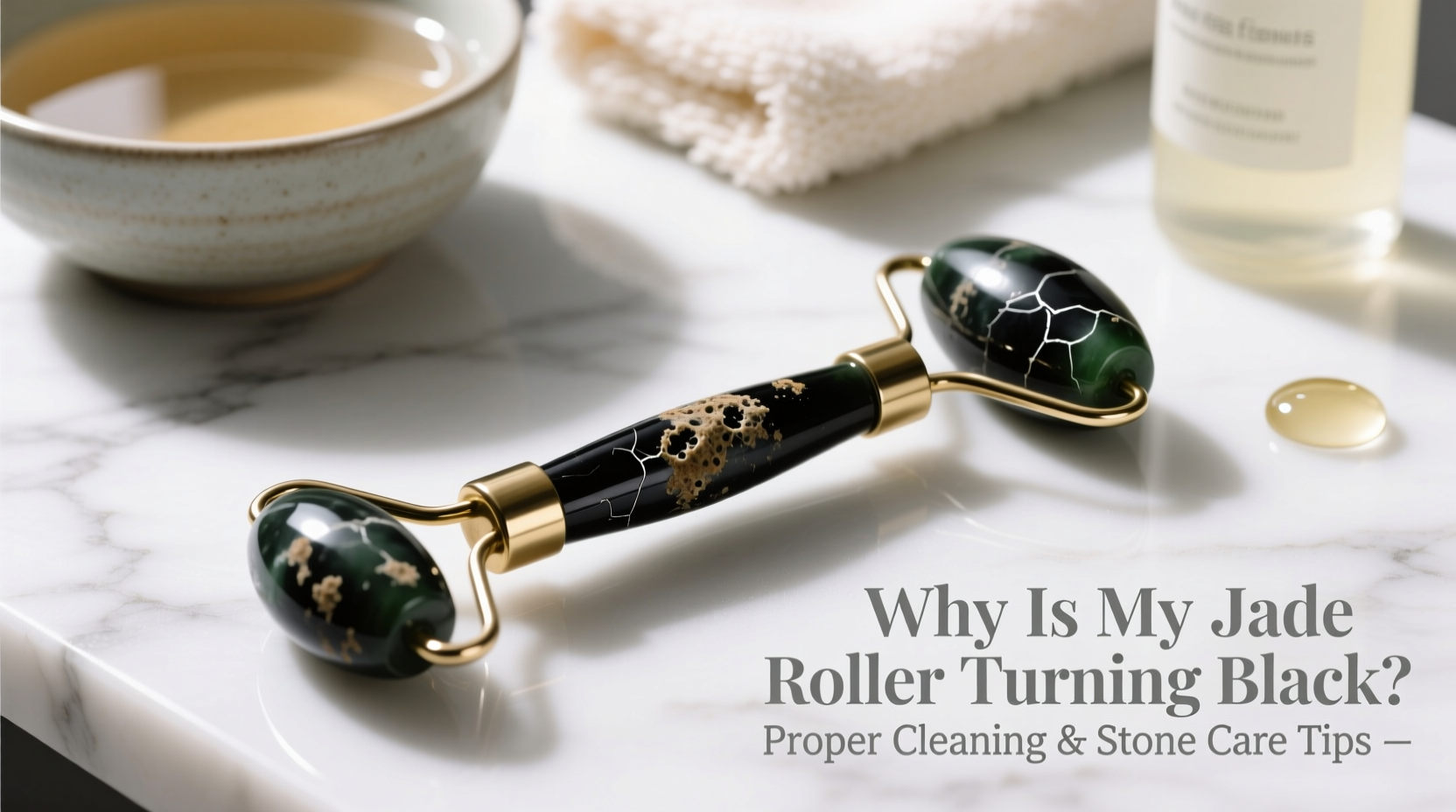
The transformation of a jade roller from a vibrant green to a dull or blackened appearance is often alarming, but it’s rarely due to the stone itself decaying. Instead, several external factors contribute to this change:
- Product Buildup: Skincare oils, serums, and moisturizers—especially those containing mineral oil, fragrance, or active ingredients like retinol—can leave residues that seep into microscopic pores on the jade surface.
- Bacterial Growth: When not cleaned regularly, moisture and organic matter foster bacterial or fungal colonies, which may appear as dark streaks or spots.
- Chemical Reactions: Exposure to chlorine, hard water minerals, or acidic skincare products can react with trace metals in the jade, causing oxidation and discoloration.
- Low-Quality Stone: Some rollers are made from dyed quartz or synthetic materials marketed as “jade.” These imitations degrade faster and are more prone to staining.
- Environmental Contaminants: Storing the roller in humid areas (like bathrooms) or near metal surfaces can accelerate tarnishing, especially if the handle contains iron or copper alloys.
How to Properly Clean Your Jade Roller: A Step-by-Step Guide
Cleaning your jade roller doesn’t require harsh chemicals or complicated tools. The goal is gentle yet thorough sanitation to remove buildup without damaging the delicate stone. Follow this routine weekly—or more often if you use heavy oils or acne treatments.
- Remove Attachments (if applicable): If your roller has a detachable head, separate it from the handle to clean each part individually.
- Rinse Under Lukewarm Water: Hold the roller under a gentle stream to loosen surface debris. Never use hot water, as thermal shock can crack natural stone.
- Use a Soft Brush and Mild Soap: Dip a clean toothbrush or soft silicone brush in a mixture of lukewarm water and pH-neutral soap (such as baby shampoo or castile soap). Gently scrub the entire surface, focusing on crevices around the roller heads.
- Disinfect Naturally: Soak the roller in a solution of one part white vinegar to three parts water for no more than 5 minutes. Vinegar acts as a natural disinfectant without etching the stone.
- Rinse Thoroughly: Flush all cleaning agents away under running water to avoid residue.
- Air-Dry Completely: Place the roller on a clean towel in a well-ventilated area, away from direct sunlight. Ensure it’s fully dry before storing—moisture promotes microbial growth.
- Polish (Optional): Once dry, gently buff the surface with a microfiber cloth to restore shine.
“Natural stones like jade are porous and reactive. Consistent, gentle cleaning prevents long-term damage far better than infrequent deep cleans.” — Dr. Lin Zhao, Holistic Skincare Researcher
Do’s and Don’ts of Jade Roller Care
Maintaining your jade roller goes beyond cleaning. Daily habits and storage choices play a crucial role in preserving its integrity. Use this table as a quick reference for best practices.
| Do’s | Don’ts |
|---|---|
| Wipe the roller after each use with a dry cloth | Leave residue from facial oils or sunscreen on the surface |
| Store in a dry, cool place away from humidity | Keep it in the bathroom where steam accumulates |
| Use non-abrasive, natural cleaners like vinegar or mild soap | Soak in alcohol, bleach, or abrasive cleaners |
| Inspect monthly for cracks or pitting | Drop it on hard surfaces or expose to extreme temperatures |
| Pair with water-based or lightweight serums | Roll over thick ointments or medicated creams frequently |
Real-Life Example: How One User Revived Her Discolored Roller
Sophie, a 32-year-old esthetician from Portland, noticed her jade roller developing gray-black streaks after six months of daily use. She initially assumed it was mold and nearly discarded it. Instead, she consulted a crystal wellness specialist who suggested a gentle detox protocol. Sophie followed a vinegar soak, used a soft brush with baking soda paste (sparingly), and air-dried the roller near a fan for 12 hours. To her surprise, most of the discoloration lifted. She now cleans her roller every Sunday and stores it in a linen pouch inside a drawer—away from her other skincare bottles. “It looks almost new,” she says. “I realized I was leaving it damp on the sink edge every night. That small habit caused all the trouble.”
Stone Quality Matters: Identifying Genuine Jade
Not all green rollers are created equal. True nephrite or jadeite jade is durable, cool to the touch, and naturally semi-translucent. However, many affordable rollers are made from aventurine, serpentine, or even glass painted to resemble jade. These materials are softer and more porous, making them prone to staining and degradation.
To test authenticity:
- Temperature Test: Genuine jade stays cold longer. Hold it in your palm—real jade warms slowly.
- Visual Inspection: Look for consistent grain patterns and slight translucency. Dyed stones often have uneven color or surface-level pigmentation.
- Sound Test: Tap two jade pieces together lightly. Authentic jade produces a clear, ringing tone; fakes sound dull.
If your roller stains easily or develops black spots within weeks, it may not be genuine jade. While imitation rollers still offer cooling benefits, they require extra care and shorter replacement cycles.
Preventative Maintenance Checklist
Preserving your jade roller starts with consistency. Use this checklist monthly to ensure optimal condition:
- ☑ Wipe roller with a dry cloth after each use
- ☑ Perform deep clean with vinegar solution once per week
- ☑ Inspect for cracks, roughness, or pitting
- ☑ Store in a breathable fabric pouch or dry wooden box
- ☑ Avoid contact with perfumes, exfoliants, or acne medications
- ☑ Replace if structural damage occurs or discoloration persists after cleaning
Frequently Asked Questions
Can I use rubbing alcohol to clean my jade roller?
No. Rubbing alcohol is too harsh for natural stone and can strip its surface, increasing porosity and susceptibility to staining. It may also degrade the adhesive holding the roller to the handle. Stick to mild soap, vinegar, or plain water.
Is black residue on my jade roller dangerous?
Potentially. If the black substance is mold, bacteria, or chemical residue, continued use could introduce contaminants to your skin, especially if you have acne or sensitive skin. Persistent black marks after cleaning suggest the stone is compromised—replace it to avoid risk.
How often should I replace my jade roller?
With proper care, a high-quality jade roller can last 2–3 years. Signs it’s time to replace include deep cracks, persistent discoloration, loose rollers, or a rough texture. If you use it daily, consider rotating between two rollers to extend lifespan.
Conclusion: Care for Your Tool, Care for Your Skin
Your jade roller is more than a trendy beauty tool—it’s an investment in your skincare ritual. When it starts turning black, it’s not just a cosmetic flaw; it’s a warning sign of neglect or inferior materials. By understanding the causes of discoloration, adopting a simple but consistent cleaning routine, and storing it mindfully, you protect both the tool and your skin. True jade is resilient, but only when treated with respect. Whether you’re using a cherished heirloom piece or a new addition to your vanity, proper care ensures it remains effective, hygienic, and beautiful for years to come.




 浙公网安备
33010002000092号
浙公网安备
33010002000092号 浙B2-20120091-4
Comments
No comments yet. Why don't you start the discussion?