
Panting in kittens is not as common as it is in dogs, so when you notice your young cat breathing rapidly with an open mouth, it’s natural to feel concerned. While occasional panting can be normal under specific circumstances, persistent or unexplained panting may signal an underlying health issue. Understanding the difference between harmless and dangerous causes of panting is essential for responsible kitten care.
Kittens are fragile during their first few months of life, and their respiratory systems are still developing. This makes them more sensitive to stress, temperature changes, and physical exertion. Recognizing when panting is part of normal behavior—and when it requires immediate veterinary attention—can make a critical difference in your kitten’s well-being.
Normal vs. Abnormal Panting: What to Look For
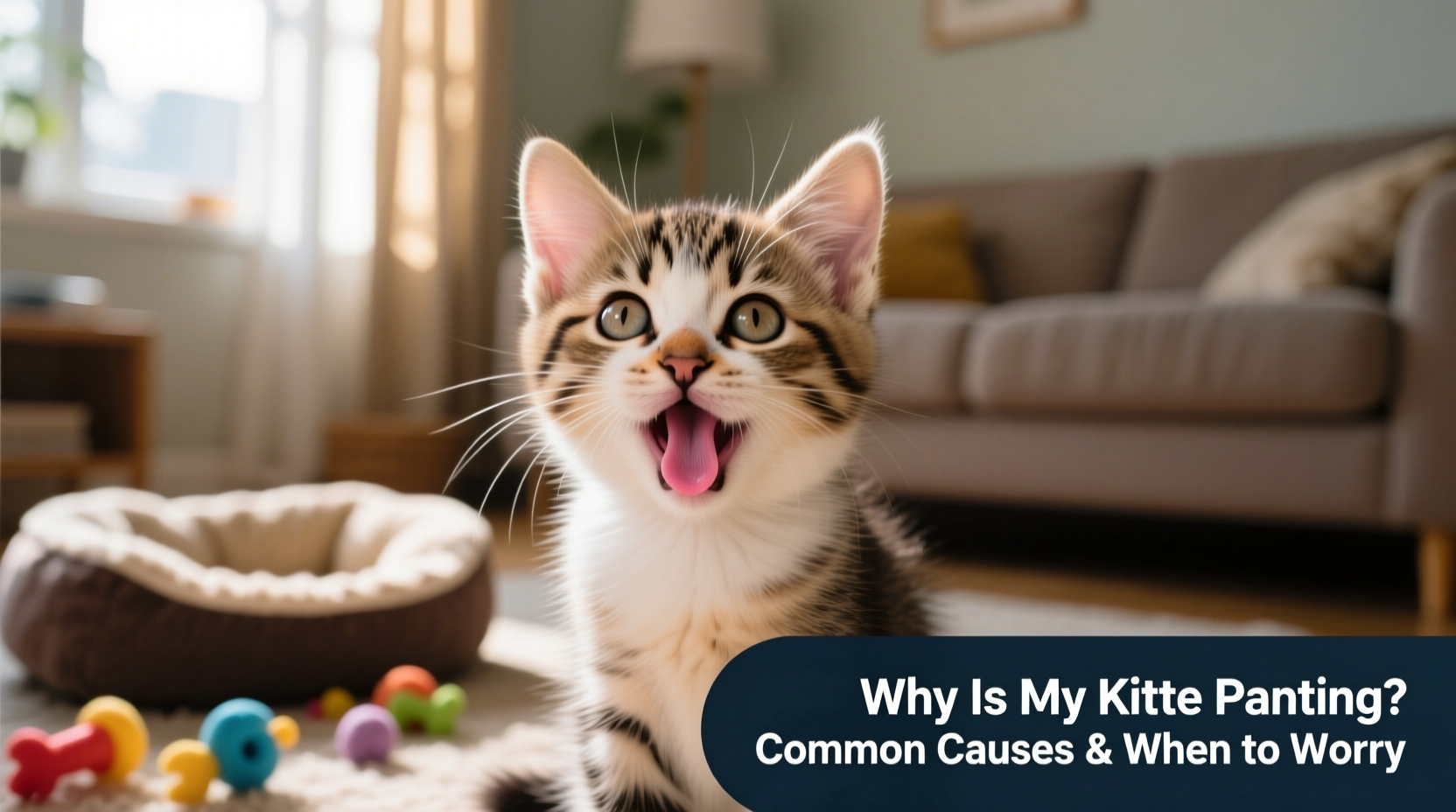
Occasional panting after vigorous play or during hot weather is typically nothing to worry about. Just like humans, kittens regulate body temperature through respiration. If your kitten has been chasing toys or exploring in a warm room, brief periods of rapid, open-mouth breathing are a natural cooling mechanism.
However, abnormal panting is often accompanied by other signs that suggest distress. These include:
- Loud or labored breathing
- Extended head and neck posture while breathing
- Gums or tongue turning blue or pale
- Reluctance to move or lie down
- Visible abdominal effort with each breath
If panting continues for more than a few minutes after rest, occurs without obvious cause, or is paired with any of these symptoms, it should be treated as a potential emergency.
Common Causes of Kitten Panting
Several factors can lead to panting in kittens. Some are benign and temporary, while others require prompt medical evaluation.
1. Overheating or Hot Environment
Cats do not sweat like humans. They rely on limited sweat glands in their paws and increased respiration to cool down. In high temperatures or poorly ventilated spaces, a kitten may pant to lower its body temperature. This is especially true in humid conditions or if the kitten has a dark coat that absorbs heat.
2. Physical Exertion
Young kittens are full of energy and often engage in intense bursts of activity. After a sprint across the room or an enthusiastic play session, panting helps them recover oxygen levels. As long as the breathing returns to normal within 2–5 minutes, this is considered normal.
3. Stress or Anxiety
Travel, loud noises, new environments, or unfamiliar people can trigger anxiety in kittens. Stress-induced panting is common during car rides, vet visits, or introductions to other pets. The key is monitoring how quickly the kitten calms down once the stressor is removed.
4. Respiratory Infections
Upper respiratory infections (URIs) are widespread in young cats, particularly those from shelters or multi-cat households. Viruses like feline herpesvirus or calicivirus can cause nasal congestion, sneezing, and difficulty breathing—leading to open-mouth breathing or panting. These infections may also result in fever, lethargy, and discharge from the eyes or nose.
5. Heart or Lung Conditions
Congenital heart defects or pulmonary issues, though rare, can manifest early in life. Conditions such as cardiomyopathy or pleural effusion impair oxygen delivery, forcing the kitten to breathe harder. These cases often involve persistent panting even at rest.
6. Pain or Internal Injury
A kitten in pain—whether from trauma, ingestion of a foreign object, or internal illness—may pant as a physiological response. Pain increases heart rate and respiration, mimicking signs of overheating or exertion.
When to Worry: Red Flags Requiring Immediate Care
Not all panting is equal. Certain patterns and accompanying symptoms demand urgent veterinary assessment.
| Symptom | Normal? | Action Required |
|---|---|---|
| Panting after play, stops in 2–3 min | Yes | Monitor, no action needed |
| Panting while resting or sleeping | No | Veterinary visit ASAP |
| Blue or gray gums | No | Emergency care required |
| Open-mouth breathing with hunched posture | No | Seek help immediately |
| Panting with vomiting or diarrhea | No | Call vet promptly |
“Any instance of resting panting in a kitten should be taken seriously. It’s not typical feline behavior and often indicates compromised respiratory or cardiovascular function.” — Dr. Lena Torres, DVM, Feline Medicine Specialist
Step-by-Step: What to Do If Your Kitten Is Panting
If you notice your kitten panting, follow this timeline to assess and respond appropriately:
- Stop and Observe (0–2 minutes): Determine if the kitten has just exercised or is in a warm area. Note breathing rate, posture, and gum color.
- Remove Stressors (2–5 minutes): Move the kitten to a quiet, cool room. Turn off loud appliances and limit handling.
- Check Vital Signs (5 minutes): Gently lift the lip to check gum color. Press on the gum—healthy pink color should return in less than 2 seconds (capillary refill time).
- Offer Water & Cool Surface (5–10 minutes): Provide fresh water and let the kitten rest on tile or a cool mat. Do not force water or submerge in cold water.
- Evaluate Response (10–15 minutes): If panting persists beyond 10–15 minutes, or worsens, prepare to contact your veterinarian or nearest emergency clinic.
- Seek Veterinary Help (Beyond 15 minutes): Call ahead to inform the clinic of symptoms. Transport the kitten in a secure carrier with minimal disturbance.
Prevention and Long-Term Care Tips
While not all causes of panting can be prevented, proactive care reduces risks significantly.
- Schedule regular wellness checks with your vet, starting at 6–8 weeks of age.
- Keep vaccinations up to date to prevent infectious diseases.
- Use gradual introductions when adding new pets or changing environments.
- Provide mental stimulation through safe toys to reduce stress-related behaviors.
- Monitor weight and growth—underweight or malnourished kittens are more vulnerable to respiratory strain.
Frequently Asked Questions
Is it ever normal for a kitten to pant?
Yes, but only briefly after intense activity or in warm environments. Normal panting resolves quickly with rest and cooling. Panting at rest, during sleep, or without a clear trigger is not normal and warrants investigation.
Can dehydration cause panting in kittens?
Yes. Dehydration increases heart rate and impairs thermoregulation, which may lead to panting. Other signs include dry gums, sunken eyes, and poor skin elasticity (skin that doesn’t snap back when gently pinched). Always ensure fresh water is available.
How fast should a kitten breathe normally?
A resting kitten typically takes 20–30 breaths per minute. Rapid breathing (tachypnea) is defined as more than 40 breaths per minute at rest. Count breaths for 15 seconds and multiply by four for an accurate estimate.
Conclusion: Stay Calm, Stay Observant, Act When Needed
Understanding why your kitten is panting empowers you to make informed decisions about their health. Most episodes have simple explanations and resolve on their own. But because kittens can deteriorate quickly, vigilance is crucial. Trust your instincts—if something feels off, it’s always better to consult a professional early rather than wait.




 浙公网安备
33010002000092号
浙公网安备
33010002000092号 浙B2-20120091-4
Comments
No comments yet. Why don't you start the discussion?