
Homebrewed kombucha should be tangy, slightly sweet, and effervescent. When your batch comes out flat—lacking that satisfying fizz—it can be frustrating, especially after days of careful brewing. Carbonation is one of the most anticipated results of the second fermentation (F2), but many factors influence whether your kombucha bubbles properly. This comprehensive guide breaks down the science behind carbonation failure, identifies common mistakes, and offers actionable solutions so you can consistently brew sparkling kombucha at home.
Understanding How Kombucha Carbonates
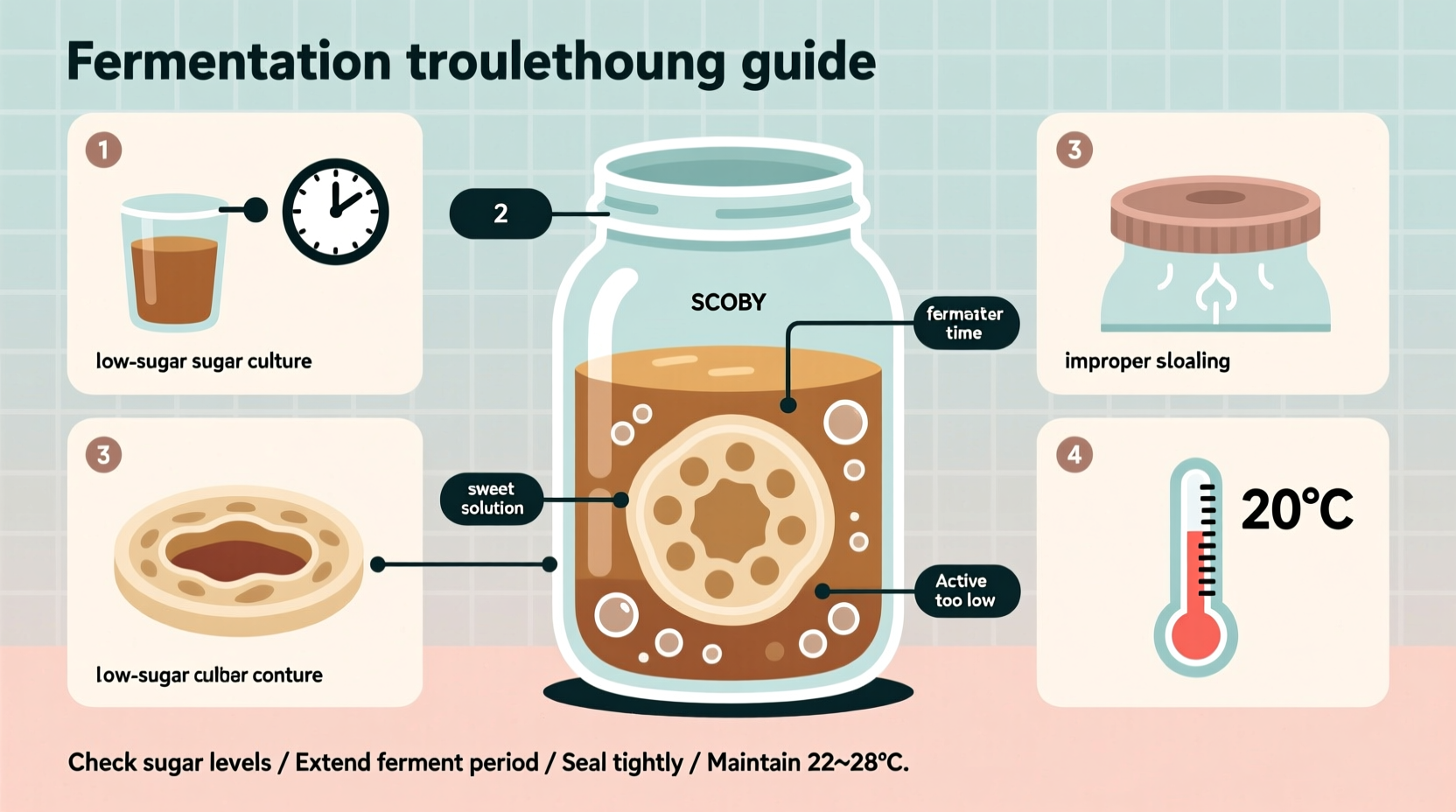
Carbonation in kombucha occurs during the second fermentation, a sealed anaerobic process where residual yeast and added sugars produce carbon dioxide (CO₂). Since the bottles are closed, CO₂ dissolves into the liquid, creating natural bubbles. This phase typically lasts 2–7 days at room temperature and depends on three key elements: sugar, yeast activity, and containment.
The primary agents responsible for carbonation are the remaining yeast cells from the first fermentation. These consume newly introduced sugars—often from fruit, juice, or additional sweeteners—and ferment them into alcohol and CO₂. Without enough viable yeast or accessible sugar, little to no gas is produced.
“Carbonation isn’t magic—it’s microbiology. You need active yeast, fermentable sugar, and an airtight environment.” — Dr. Lena Torres, Fermentation Scientist, Oregon State University
Common Reasons Why Kombucha Fails to Carbonate
Flat kombucha usually stems from preventable issues. Below are the most frequent causes and their underlying mechanisms.
1. Inactive or Depleted Yeast Population
If the SCOBY (Symbiotic Culture Of Bacteria and Yeast) has weakened or if too much vinegar-like acidity developed in the first ferment, yeast activity may have declined. Overly acidic environments inhibit yeast function, reducing their ability to ferment new sugars during F2.
2. Insufficient or Non-Fermentable Sugar
Sugar fuels carbonation. If you don’t add enough during bottling or use non-fermentable sweeteners like stevia or erythritol, there won’t be enough substrate for the yeast to work with. Even some fruits contain minimal fermentable sugars, leading to weak fizz.
3. Poor Seal or Leaky Bottles
Any breach in the bottle’s seal allows CO₂ to escape. Swing-top bottles are popular, but worn gaskets or improperly tightened lids result in failed carbonation. Plastic bottles can help test pressure build-up—if they remain soft, no gas is forming.
4. Temperature Too Low
Yeast slows dramatically below 68°F (20°C). Brewing kombucha in a cold basement or near drafty windows suppresses microbial activity. Conversely, temperatures above 85°F (29°C) can kill sensitive cultures or encourage mold.
5. Over-Oxidation or Excessive Oxygen Exposure
Leaving kombucha open to air during transfer introduces oxygen, which shifts metabolism toward acetic acid production rather than CO₂. Always minimize headspace and cap bottles quickly.
Troubleshooting Checklist: Diagnose Your Flat Batch
Use this checklist to pinpoint what went wrong and how to correct it in your next batch.
- ✅ Did you add fresh sugar source (fruit, juice, or cane sugar) before bottling?
- ✅ Are your bottles airtight? Test seals regularly and replace worn gaskets.
- ✅ Is your brewing environment between 72–78°F (22–26°C)?
- ✅ Was your first fermentation overly sour (> pH 2.8)?
- ✅ Did you leave too much headspace in bottles (more than 1–2 inches)?
- ✅ Are you using chlorinated tap water? Chlorine harms yeast and bacteria.
- ✅ Have you stored starter tea or SCOBYs for long periods without feeding?
Step-by-Step Fix: How to Rescue and Prevent Flat Kombucha
Follow this sequence to improve carbonation in future batches—or even revive a currently flat one.
Step 1: Confirm Bottle Integrity
Inspect each bottle’s seal. Replace cracked glass or brittle swing-top gaskets. To test, fill a bottle with water, cap it, and shake. Check for leaks. Only proceed with fully sealed containers.
Step 2: Add a Fermentable Sugar Boost
Open flat bottles and add 1/2 teaspoon of white sugar or 1 tablespoon of fruit juice per 16 oz bottle. Reseal immediately. Avoid honey unless pasteurized, as raw varieties may introduce competing microbes.
Step 3: Move to a Warmer Spot
Place bottles in a consistently warm area—on top of the refrigerator, inside a turned-off oven with the light on, or near a heating vent. Maintain 75°F ideal temperature for optimal yeast performance.
Step 4: Wait Patiently
Allow 3–5 additional days undisturbed. Burp bottles carefully every two days to check pressure and prevent over-carbonation explosions. If using glass, wrap bottles in towels and open outside.
Step 5: Refrigerate to Stabilize
Once fizzy, refrigerate immediately to halt fermentation. Cold temperatures drastically slow yeast activity. Never leave actively fermenting bottles unattended for more than 7 days at room temp.
Optimal Ingredients and Practices for Reliable Fizz
Success starts long before bottling. What you do in the first fermentation sets the stage for carbonation.
| Factor | Best Practice | Avoid |
|---|---|---|
| Sugar Type | Plain cane sugar (evaporated cane juice) | Artificial sweeteners, monk fruit, stevia |
| Fruit Additions | Pineapple, mango, berries, ginger | Apples (low sugar), citrus peels (may inhibit yeast) |
| Bottle Type | Glass swing-tops with new gaskets, PET plastic soda bottles | Metal lids without sealing rings, wine bottles |
| Temperature | 72–78°F (22–26°C) | <68°F or >85°F |
| Fermentation Time (F2) | 3–7 days | More than 10 days unrefrigerated |
Pro Tip: Use Ginger for Natural Carbonation Boost
Ginger contains natural compounds that stimulate yeast activity and adds spice. Grate fresh ginger root (½ tsp per bottle) or add ginger juice to enhance both flavor and fizz. Many commercial brewers rely on ginger precisely for its reliable carbonation effects.
Real-World Example: From Flat to Fizzy in One Week
Samantha, a home brewer in Portland, struggled for months with flat kombucha despite following recipes closely. Her kitchen stayed around 65°F in winter, and she used filtered tap water treated with chlorine neutralizer. She added blueberries during F2 but saw no bubbles.
After reviewing her process, she made three changes: moved bottles to a warmer closet near heating ducts, replaced old swing-top gaskets, and switched from blueberries to pineapple chunks with 1 tsp extra sugar per bottle. Within five days, her kombucha was noticeably fizzy. She now maintains consistent carbonation year-round by monitoring temperature and refreshing equipment seasonally.
“Sometimes the issue isn’t your technique—it’s your tools or environment.” — Samantha Reed, Home Fermenter & DIY Wellness Blogger
Advanced Tips for Consistent Carbonation
- Use a priming calculator: Similar to beer brewing, calculate exact sugar amounts based on volume and desired carbonation level. For kombucha, aim for 1–2 volumes of CO₂.
- Add a splash of unfiltered apple cider vinegar: Contains live acetobacter and yeasts that can boost fermentation if your culture is sluggish.
- Reuse some F2 liquid as starter: Save 10% of a successfully carbonated batch to inoculate the next round—this carries active yeast strains ready to work.
- Avoid metal contact: Stirring with metal spoons or storing in metal containers can harm the SCOBY and reduce viability over time. Use wood, silicone, or plastic.
Frequently Asked Questions
Can I carbonate kombucha without adding more sugar?
No. The second fermentation requires an additional sugar source because most sugars were consumed during the first ferment. Without new food for yeast, CO₂ cannot form. Even naturally sugary fruits provide the necessary fermentables.
Why did my kombucha explode when I opened it?
Over-carbonation occurs when fermentation continues too long or at high temperatures. It’s often caused by leaving bottles at room temperature past 7 days or adding excessive sugar. Always refrigerate once carbonated and “burp” bottles periodically to monitor pressure buildup.
Is it safe to drink flat kombucha?
Yes. Flat kombucha is still probiotic-rich and safe to drink if it smells vinegary and shows no mold. Lack of fizz doesn’t indicate spoilage—it just means less CO₂ was produced. Consider it a tonic base for smoothies or salad dressings.
Final Thoughts: Mastering the Fizz
Consistent carbonation is achievable with attention to detail, proper tools, and environmental control. Most failures stem from overlooked variables—temperature fluctuations, degraded equipment, or incorrect ingredients—not flawed methods. By understanding the biological process behind fizz and applying targeted fixes, you can turn every batch into a crisp, refreshing success.
Don’t let one flat batch discourage you. Fermentation is dynamic, influenced by season, water quality, and microbial health. Track your variables, adjust mindfully, and celebrate small improvements. With practice, you’ll develop intuition for when your kombucha is ready to pop.




 浙公网安备
33010002000092号
浙公网安备
33010002000092号 浙B2-20120091-4
Comments
No comments yet. Why don't you start the discussion?