
Kombucha’s signature effervescence is one of its most appealing qualities. That crisp, bubbly mouthfeel elevates it from a simple fermented tea to a refreshing, soda-like beverage. But if your homemade kombucha tastes flat or lacks that satisfying fizz, you're not alone. Many home brewers struggle with under-carbonated batches. The good news? Carbonation issues are usually fixable—and often preventable—with the right knowledge and adjustments.
The absence of fizz doesn’t mean your brew has failed. It simply means something in the fermentation or bottling process needs tweaking. Whether you're new to brewing or have been making kombucha for years, understanding the science behind carbonation and the practical steps to encourage it will help you consistently produce sparkling, flavorful results.
Understanding Kombucha Carbonation: The Science Behind the Fizz
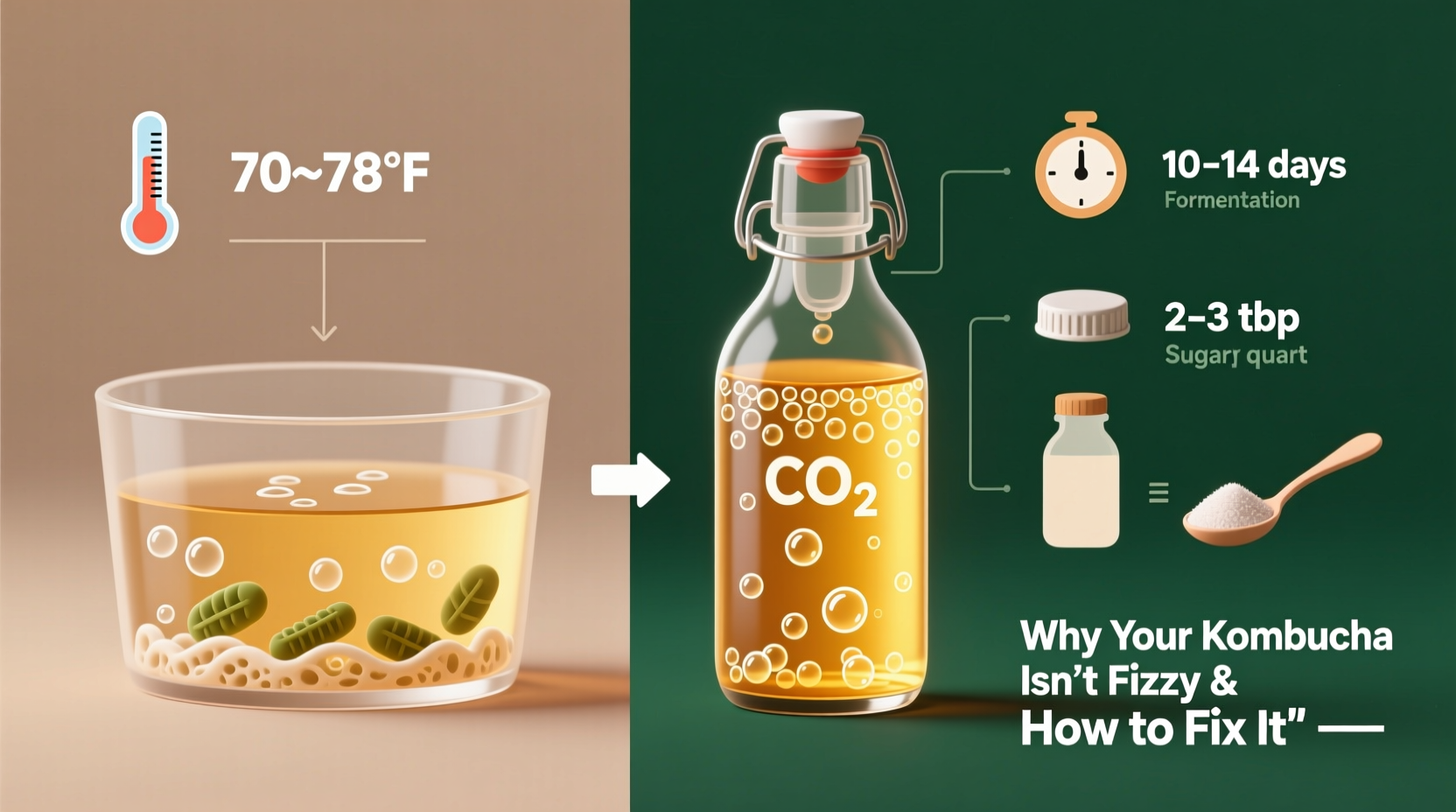
Carbonation in kombucha occurs when yeast consumes sugar and produces carbon dioxide (CO₂) as a byproduct. During the second fermentation—when the kombucha is bottled—this CO₂ becomes trapped in the liquid, creating bubbles. The key players in this process are:
- Yeast: Converts sugar into alcohol and CO₂.
- Bacteria: Works alongside yeast but primarily produces acetic acid (vinegar flavor), not gas.
- Sugar: The fuel source for yeast activity. Without enough residual sugar, there's nothing left to ferment.
- Airtight bottles: Essential for trapping CO₂ and building pressure.
If any of these elements are missing or unbalanced, carbonation suffers. For example, over-fermenting during the first stage can deplete all available sugars, leaving nothing for the yeast to work with later. Similarly, using bottles that aren’t fully sealed prevents pressure buildup, resulting in flat kombucha.
“Carbonation isn’t just about taste—it’s a sign of healthy microbial activity. When done right, it reflects a balanced SCOBY ecosystem.” — Dr. Lena Torres, Fermentation Scientist, Oregon State University
Common Reasons Your Kombucha Isn’t Fizzy
Several factors can sabotage carbonation. Identifying the root cause is the first step toward fixing it.
1. Insufficient Sugar for Secondary Fermentation
The second fermentation requires fresh sugar to feed the remaining yeast. If no additional sugar is added before bottling—or if too little is used—there won’t be enough fuel for CO₂ production. Common additions include fruit juice, honey, or plain cane sugar.
2. Over-Fermented First Brew
If the primary fermentation lasts too long (typically beyond 14 days), the yeast may have already consumed most of the sugar. This leaves little energy source for carbonation during bottling. Over-fermented kombucha tends to be overly tart and vinegar-like, with low fizz potential.
3. Poor Bottle Sealing
Even the best fermentation won’t produce fizz if CO₂ escapes. Swing-top bottles (like Grolsch-style) are ideal because they create an airtight seal. Plastic bottles can work but must be tightly closed. Avoid jars with loose lids or plastic wrap.
4. Low Ambient Temperature
Yeast slows down significantly below 70°F (21°C). If your home is cool, especially during winter months, secondary fermentation can stall. Cold environments extend fermentation time and reduce bubble formation.
5. Using Pasteurized or Preserved Ingredients
Adding pasteurized fruit juice, sulfite-preserved dried fruit, or preservatives like potassium sorbate can inhibit yeast activity. These substances are designed to kill microbes—which includes the very yeast you need for carbonation.
6. Reusing Bottles Without Residual Yeast
Over-washing bottles or sterilizing them with boiling water removes beneficial yeast sediment from previous batches. A small amount of live culture helps jumpstart carbonation.
Step-by-Step Guide to Achieve Perfect Carbonation
Follow this detailed process to maximize fizz in every batch:
- Monitor Primary Fermentation Closely: Start tasting your kombucha around day 7. It should be tangy but still slightly sweet. If it’s too sour, sugar reserves are likely depleted.
- Prepare Flavor Additives: Use raw, unpasteurized fruit juice, fresh fruit, ginger, or 1–2 teaspoons of sugar per 16 oz bottle. Avoid artificial sweeteners or preservatives.
- Transfer Carefully: Siphon or pour kombucha into clean bottles, leaving behind heavy yeast sediment if desired—but don’t remove all of it. Some yeast is essential.
- Fill to the Top: Minimize headspace by filling bottles within 1 inch of the top. Less air means more efficient CO₂ dissolution.
- Seal Tightly: Use high-quality swing-top bottles. Check seals regularly for wear.
- Ferment in a Warm Spot: Place bottles in a dark area between 72–78°F (22–26°C). Closets, pantries, or near appliances often provide stable warmth.
- Wait 3–7 Days: Begin checking carbonation levels on day 3. Gently open one bottle to test—point it away from your face!
- Refrigerate Promptly: Once fizzy, chill bottles immediately to halt fermentation and preserve carbonation.
Do’s and Don’ts of Kombucha Carbonation
| Do’s | Don’ts |
|---|---|
| Add 1/4 cup of fruit juice or 1–2 tsp sugar per quart for second fermentation | Use store-bought juice with preservatives like sulfites |
| Store bottles in a warm room (72–78°F) | Keep bottles in cold basements or refrigerators during second ferment |
| Use airtight, swing-top glass bottles | Use mason jars with standard lids (they’re not pressure-safe) |
| Leave a small amount of yeast sediment when bottling | Sterilize bottles with boiling water—this kills active cultures |
| Refrigerate once desired fizz level is reached | Leave bottles out for more than 10 days—risk of over-pressurization |
Troubleshooting Flat Batches: A Real Example
Jessica, a home brewer in Vermont, made kombucha weekly but rarely achieved consistent fizz. Her kitchen stayed around 65°F in winter, and she used mason jars with metal lids, believing they were airtight. She also added only fresh lemon slices—no extra sugar.
After researching, she adjusted her method: she began adding 1 tablespoon of honey per bottle, switched to swing-top bottles, and moved her bottles to a cupboard above her refrigerator, where temperatures averaged 74°F. Within five days, her kombucha was noticeably fizzy. By controlling temperature, sealing properly, and feeding the yeast, she transformed her results.
Her experience highlights how multiple small factors can collectively undermine carbonation—even when individual steps seem correct.
Expert Tips for Consistent Bubbles
Ginger is particularly effective because it stimulates yeast activity and adds complexity to flavor. Many commercial brands use ginger precisely for its dual role in taste and texture enhancement.
Checklist: How to Ensure Fizzy Kombucha Every Time
- ✅ Taste kombucha at 7–10 days; bottle while slightly sweet
- ✅ Add 1–2 tsp sugar or 1/4 cup fruit juice per quart before bottling
- ✅ Use high-quality, airtight swing-top bottles
- ✅ Fill bottles nearly full to reduce oxygen space
- ✅ Store bottles in a warm spot (72–78°F)
- ✅ Wait 3–7 days, then refrigerate to stop fermentation
- ✅ Open carefully to test fizz—never point at yourself or others
- ✅ Keep a brewing journal to refine your process
Frequently Asked Questions
Can I carbonate kombucha without adding sugar?
No—carbonation requires fermentable sugar. Even naturally sweet ingredients like fruit contain sugars that feed yeast. If you avoid refined sugar, use fruit juice or honey instead. Zero-sugar kombucha cannot be naturally carbonated.
Why did my bottle explode?
This usually happens when kombucha ferments too long in a sealed container, building excessive pressure. Always refrigerate after 5–7 days of second fermentation. Also, inspect bottles for cracks and never use containers not rated for pressure, like regular glass jars.
Is it safe to drink flat kombucha?
Yes. Flat kombucha is still safe and contains probiotics, acids, and antioxidants. It may lack fizz, but it hasn’t spoiled unless it smells moldy or shows visible contamination. You can repurpose flat batches in smoothies, salad dressings, or marinades.
Final Thoughts: Mastering the Art of the Fizz
Perfect carbonation isn’t magic—it’s a balance of biology, timing, and technique. The yeast in your SCOBY are living organisms that respond to their environment. Give them sugar, warmth, and a sealed space, and they’ll reward you with lively bubbles.
Every brewer encounters flat batches now and then. What separates consistent success from frustration is attention to detail and willingness to adjust. Track your variables: temperature, sugar type, fermentation duration, and bottle quality. Over time, you’ll develop an intuitive sense of what your kombucha needs.
Remember, even slight changes—like moving bottles to a warmer corner or adding a splash of apple juice—can make a dramatic difference. With patience and practice, you’ll move beyond asking “why is my kombucha not fizzy” to confidently crafting sparkling, delicious kombucha that rivals any store-bought brand.




 浙公网安备
33010002000092号
浙公网安备
33010002000092号 浙B2-20120091-4
Comments
No comments yet. Why don't you start the discussion?