
Kombucha’s effervescence is one of its most prized qualities. That crisp, bubbly bite on the tongue signals a well-crafted brew. But when your homemade kombucha comes out flat—more vinegar tea than sparkling probiotic tonic—it can be deeply disappointing. The good news? Flat kombucha is rarely a lost cause. More often than not, the issue lies in the bottling phase, where small missteps can derail carbonation entirely.
Carbonation doesn’t happen by accident. It’s the result of precise biological conditions: live yeast, residual sugar, and time in a sealed environment. When any of these elements are missing or unbalanced, fizz fails to develop. By understanding the science behind secondary fermentation and identifying common bottling errors, you can transform flat batches into consistently bubbly success stories.
The Science Behind Kombucha Carbonation
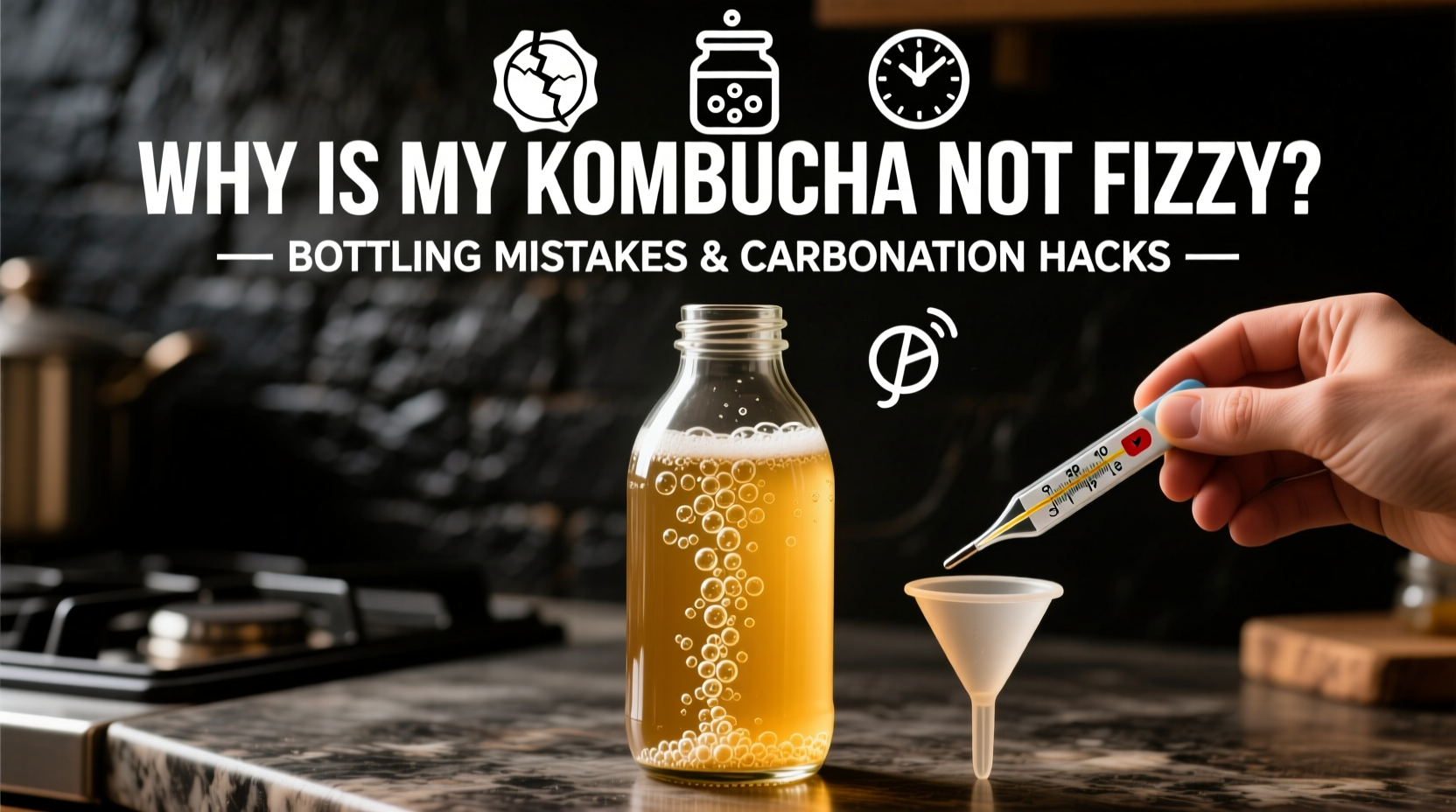
Carbonation in kombucha occurs during the second fermentation stage, also known as “bottle conditioning.” After the initial fermentation (where the SCOBY consumes most of the sugar and produces acids), the liquid is transferred to sealed bottles with added flavorings or extra sugar. This provides food for the remaining yeast, which then produce carbon dioxide (CO₂) as a byproduct.
Because the bottles are airtight, CO₂ cannot escape and dissolves into the liquid, creating natural carbonation. The process typically takes 2–7 days at room temperature, depending on sugar content, ambient temperature, and yeast activity.
Three key factors must align:
- Residual or added sugar – Yeast need fermentable fuel.
- Viable yeast cells – These microorganisms must still be active.
- Airtight seal – Pressure must build inside the bottle.
If any of these components fail, carbonation will not occur—or will be weak and inconsistent.
5 Common Bottling Mistakes That Kill Fizz
Even experienced brewers make bottling errors that sabotage carbonation. Here are the most frequent culprits and how to avoid them.
1. Using Non-Airtight Containers
Plastic flip-top bottles or mason jars with standard lids won’t hold pressure. CO₂ leaks out slowly, preventing buildup. Always use bottles specifically designed for carbonation—thick glass swing-tops or PET plastic bottles rated for pressure.
2. Over-Fermenting the First Fermentation
If the primary ferment runs too long, yeast become dormant or die off due to high acidity and low sugar. Without active yeast, no CO₂ is produced in the second stage. Aim to bottle your kombucha when it reaches a balanced tartness—usually 7–14 days, depending on temperature.
3. Refrigerating Too Soon
Putting bottles in the fridge before carbonation completes halts yeast activity instantly. Cold temperatures suspend fermentation. Always allow bottles to sit at room temperature (ideally 70–78°F / 21–26°C) for several days post-bottling.
4. Not Adding Enough Sugar or Fruit
The second ferment requires additional sugar. A typical guideline is 1–2 tablespoons of sugar per liter, or equivalent in fruit/fruit juice. Without this boost, yeast have nothing to ferment.
5. Filtering or Over-Straining the Brew
Some brewers strain kombucha to remove yeast sediment, but this removes the very organisms needed for carbonation. While a light strain is acceptable, completely filtering through fine mesh or coffee filters strips out essential yeast.
“Carbonation isn’t magic—it’s microbiology. You need living yeast, sugar, and a sealed system. Remove one, and the bubbles disappear.” — Dr. Lena Torres, Fermentation Scientist, University of California, Davis
Step-by-Step Guide to Successful Bottle Conditioning
To ensure consistent fizz, follow this reliable second fermentation process:
- Monitor primary fermentation: Taste daily after day 7. Stop when sweet-tart balance feels right—slightly sweet with mild tang.
- Prepare flavorings: Chop fresh fruit, add juice, ginger, or herbs. Use about 1/4 cup per quart.
- Add sugar: Mix in 1 tablespoon of sugar per liter of kombucha. Stir gently to dissolve.
- Bottle carefully: Pour kombucha into clean, airtight bottles, leaving 1–2 inches of headspace.
- Seal tightly: Ensure swing-top gaskets are intact and lids are fully closed.
- Ferment at room temp: Store bottles in a dark, warm spot (70–78°F) for 3–7 days.
- Burp cautiously: After day 3, briefly open one bottle over a sink to test pressure. Re-seal immediately.
- Refrigerate: Once fizzy, chill all bottles to halt fermentation and preserve carbonation.
Proven Carbonation Hacks for Flat Kombucha
Sometimes, despite best efforts, fizz falls short. These tested techniques can rescue lackluster batches or boost future ones.
1. Add Fresh Yeast
If your brew lacks active yeast, introduce a pinch of champagne yeast or a spoonful of unfiltered store-bought kombucha (which contains live cultures). This jump-starts fermentation without altering flavor significantly.
2. Use Ginger for Natural CO₂ Boost
Ginger contains natural compounds that stimulate yeast activity. Grated fresh ginger (1–2 tsp per bottle) not only adds zing but enhances carbonation. One home brewer reported a 40% increase in fizz after adding ginger consistently.
3. Try the “Burp and Re-Seal” Method
If bottles aren’t building pressure, gently open each one after day 4, release minimal gas, then reseal. This resets pressure dynamics and can restart stalled fermentation.
4. Warm Up the Environment
Cool rooms slow yeast metabolism. Place bottles near a heat source (but not direct sunlight)—on top of the fridge, near a water heater, or in a fermentation box set to 75°F.
5. Extend Fermentation Time
Some batches take longer. Let bottles sit up to 10 days. Monitor daily to avoid over-carbonation, which can lead to explosions.
| Hack | When to Use | Expected Result |
|---|---|---|
| Add 1 tsp fruit juice per bottle | Low fizz after day 5 | Moderate increase in carbonation |
| Transfer to warmer room (75°F+) | Slow or no pressure buildup | Accelerated fermentation in 24–48 hrs |
| Introduce champagne yeast (tiny pinch) | No signs of fizz by day 6 | Rapid, strong carbonation within 2 days |
| Shake bottle gently once daily | Yeast settling at bottom | More even distribution and consistent fizz |
Real Example: From Flat to Fizzy in 4 Days
Sarah, a home brewer in Portland, struggled for months with flat kombucha. Her first ferment tasted great—tangy, balanced—but every batch fizzed poorly. She used mason jars with metal lids, refrigerated after two days, and skipped added sugar, believing her original brew had enough.
After learning about airtight requirements and sugar needs, she switched to swing-top bottles, added 1 tablespoon of organic sugar per liter, and let bottles sit at 74°F for six days. On day 4, she burped one bottle and was met with a satisfying hiss. By day 6, all bottles were highly carbonated with a pleasant citrus-ginger bite. Sarah now shares her method with her local fermentation group, emphasizing that “the second ferment is where the magic happens—if you give it what it needs.”
Checklist: Achieve Consistent Kombucha Carbonation
Use this checklist before every bottling session:
- ✅ Primary ferment stopped at proper sweetness (not overly sour)
- ✅ Used airtight, pressure-rated bottles (e.g., swing-top glass)
- ✅ Added 1–2 tbsp sugar (or equivalent fruit/juice) per liter
- ✅ Left 1–2 inches of headspace in each bottle
- ✅ Stored bottles at 70–78°F away from direct light
- ✅ Waited at least 3 days before testing pressure
- ✅ Refrigerated only after desired fizz level achieved
- ✅ Burped bottles occasionally if fermentation stalls
Frequently Asked Questions
Can I carbonate kombucha without adding sugar?
No—yeast require fermentable sugar to produce CO₂. Even naturally sweet fruits provide the necessary carbohydrates. If avoiding sugar, consider force-carbonating with a keg system instead.
Why do some bottles fizz more than others?
Inconsistent filling, uneven sugar distribution, or minor seal flaws can cause variation. Shake bottles gently before opening to mix settled yeast, and inspect gaskets regularly for wear.
Is it safe to leave kombucha fermenting for more than 7 days?
Yes, but monitor closely. Beyond 10 days, risk of over-carbonation increases, potentially leading to bottle bombs. Always “burp” a test bottle after day 7 and refrigerate promptly once fizzy.
Conclusion: Turn Flat Batches Into Bubbly Success
Flat kombucha isn’t a failure—it’s feedback. Each batch teaches you more about your environment, ingredients, and technique. The path to perfect fizz lies not in perfection but in understanding: knowing when to add sugar, which bottles to trust, and how to nurture the living culture within your brew.
By correcting common bottling mistakes and applying smart carbonation hacks, you’ll consistently produce kombucha that sparkles with life. Don’t let one flat batch discourage you. Adjust, experiment, and celebrate the small victories—one satisfying pop at a time.




 浙公网安备
33010002000092号
浙公网安备
33010002000092号 浙B2-20120091-4
Comments
No comments yet. Why don't you start the discussion?