
If you've ever taken a sip of your homemade kombucha only to recoil at its sharp, vinegar-like tang, you're not alone. Many home brewers encounter this issue—especially as they gain experience and begin experimenting with longer fermentation times. While a slight acidity is normal and even desirable in kombucha, excessive sourness can overpower the flavor and make it unpleasant to drink. The good news? A vinegary batch doesn't mean failure. In fact, understanding why this happens gives you powerful control over your brew. This guide breaks down the science behind over-fermentation, identifies common causes, and provides actionable steps to rebalance your process for consistently delicious results.
Understanding the Fermentation Process
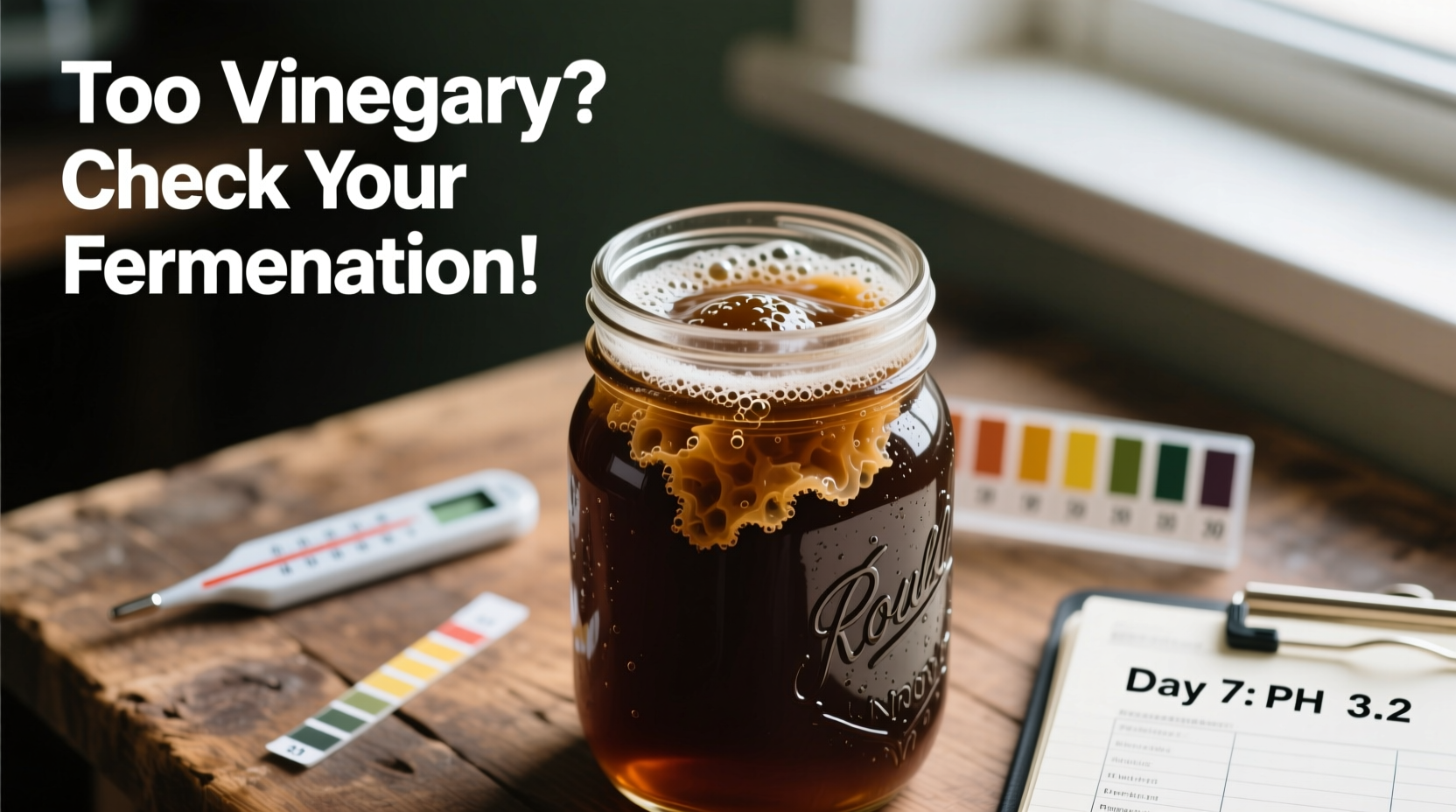
Kombucha is made through a two-stage fermentation process driven by a symbiotic culture of bacteria and yeast (SCOBY). During the first (primary) fermentation, yeast in the SCOBY consume sugar and produce alcohol and carbon dioxide. Then, acetic acid bacteria convert that alcohol into acetic acid—the compound responsible for vinegar’s sharp taste. As fermentation progresses, acetic acid levels rise, increasing sourness.
The balance between sweetness and acidity depends on several factors: time, temperature, sugar concentration, and the health of your SCOBY. Most beginners aim for a slightly sweet-tart profile, but when left too long or brewed in warm conditions, kombucha can quickly cross into overly acidic territory.
“Fermentation is a dynamic ecosystem. The moment you lose track of time or temperature, the bacteria take over—and that’s when vinegar wins.” — Dr. Lena Torres, Microbiologist & Fermentation Scientist
Common Causes of Overly Vinegary Kombucha
A too-sour brew usually stems from one or more controllable variables. Identifying the root cause is essential to correcting the issue and preventing recurrence.
1. Extended Fermentation Time
The most frequent culprit is leaving the kombucha to ferment too long. While some enjoy a stronger, more vinegary flavor, most prefer a balanced profile. Primary fermentation typically lasts 7–14 days. Beyond two weeks, especially in warm environments, acetic acid production accelerates significantly.
2. High Ambient Temperature
Temperature directly affects microbial activity. The ideal range for kombucha fermentation is 68–78°F (20–25°C). Above this, both yeast and bacteria become hyperactive, speeding up fermentation and acid production. In summer months or in warm kitchens, kombucha can turn vinegary in under 7 days.
3. Old or Overused Starter Tea
Starter tea (previously fermented kombucha) helps lower the pH of the new batch, creating an environment hostile to mold and favorable to the SCOBY. However, using overly acidic starter tea—especially from a previous over-fermented batch—can jumpstart acid production and lead to imbalance.
4. Excessive Sugar-to-Tea Ratio
More sugar means more food for yeast, which leads to more alcohol and, subsequently, more acetic acid. While sugar is necessary, exceeding recommended amounts (typically 1 cup per gallon) without adjusting fermentation time can result in aggressive souring.
5. Unhealthy or Imbalanced SCOBY
A weak or contaminated SCOBY may fail to regulate fermentation properly. If the bacterial component dominates due to stress or poor conditions, acid production outpaces balance, leading to excess sourness.
How to Fix Vinegary Kombucha
An over-soured batch isn’t ruined—it’s just one step in the learning process. Here are several ways to reclaim and repurpose your brew.
Dilution for Immediate Use
Mix your vinegary kombucha with still or sparkling water to reduce acidity. A 1:1 ratio often works well. Add fruit juice, herbal tea, or a touch of honey to restore sweetness and complexity.
Use It as Starter Tea
Vinegary kombucha makes excellent starter tea for your next batch. Its low pH inhibits contaminants, and when used in moderation (10–20% of total volume), it won’t overwhelm the new brew.
Second Fermentation with Flavoring
During the second ferment, add fruits, ginger, berries, or sweet herbs. These introduce natural sugars that mellow the acidity and create effervescence. For example, pineapple or peach puree can balance sourness beautifully.
Culinary Repurposing
Treat it like apple cider vinegar. Use it in salad dressings, marinades, or detox drinks. Its probiotic content remains beneficial even if it's too sour to drink straight.
“I once brewed a batch so sour I thought it was lost. Then I used it in a vinaigrette with olive oil and orange zest—my family asked for the recipe!” — Maya Chen, Home Brewer & Wellness Coach
Step-by-Step Guide to Preventing Over-Fermentation
Follow this structured approach to maintain consistent flavor across batches.
- Day 1: Prepare Sweet Tea
Boil 1 gallon of water. Remove from heat, add 1 cup of organic cane sugar and stir until dissolved. Add 4–6 tea bags (black, green, or oolong) and steep 10–15 minutes. Discard tea bags and cool to room temperature. - Day 1: Transfer & Inoculate
Pour cooled tea into a clean glass jar. Add 1–2 cups of starter tea (pH below 4.5). Gently place your healthy SCOBY on top. - Days 2–7: Monitor Daily
Cover the jar with a breathable cloth secured by a rubber band. Store in a stable location away from direct sunlight. Begin tasting on day 5 using a clean straw. - Days 7–10: Evaluate Flavor
When the kombucha reaches a balance of sweetness and tartness—similar to dry apple cider—it’s ready. The liquid should be slightly fizzy and smell pleasantly sour, not harsh. - Day 10+: Bottle or Refrigerate
Remove the SCOBY and 1–2 cups of liquid for starter tea. Bottle the remainder for second fermentation or refrigerate immediately to halt fermentation.
Do’s and Don’ts of Kombucha Brewing
| Do’s | Don’ts |
|---|---|
| Use filtered water to avoid chlorine exposure | Use metal containers or utensils (can damage SCOBY) |
| Maintain consistent temperature (use a heating mat if needed) | Ferment in direct sunlight or near heat sources |
| Taste frequently starting on day 5 | Leave unattended for more than 3 days without checking |
| Store extra SCOBYs in a \"hotel\" with starter tea | Use flavored or pasteurized teas (they inhibit fermentation) |
| Refrigerate after primary fermentation to stop acid buildup | Assume longer fermentation always equals better flavor |
Checklist: Optimizing Your Next Batch
- ✅ Check ambient temperature daily; adjust placement if above 78°F
- ✅ Use fresh, high-quality tea and organic sugar
- ✅ Start tasting on day 5 using a clean straw
- ✅ Reserve 1–2 cups of current batch for starter tea
- ✅ Label bottles with brew date and flavor
- ✅ Refrigerate after 7–10 days unless doing a second ferment
- ✅ Clean all equipment with hot water (no soap near SCOBY)
Real Example: From Vinegar to Victory
Sarah, a home brewer in Texas, struggled with consistently sour kombucha. Her kitchen routinely reached 82°F in summer, and she followed online advice to “let it ferment until it tastes right,” without regular tasting. After three batches turned sharply acidic, she nearly gave up. Then, she invested in a simple thermometer and began tasting every two days. She discovered her ideal window was just 6 days—not the 10–14 she’d been aiming for. By moving her jar to a cooler pantry shelf and setting phone reminders, she achieved a balanced, refreshing brew within two weeks. Now, she shares her adjusted timeline with local fermentation groups, emphasizing that regional climate plays a critical role.
Frequently Asked Questions
Can I save a SCOBY from a vinegary batch?
Absolutely. A healthy SCOBY can recover from an over-fermented environment. Simply transfer it to a fresh batch with proper starter tea and monitor conditions closely. The SCOBY itself is resilient and adapts to its surroundings.
Is vinegary kombucha safe to drink?
Yes. Overly acidic kombucha is still safe as long as there are no signs of mold, off smells (like rotten eggs), or discoloration. Acidity preserves the brew and indicates active fermentation. If too sour, dilute or repurpose it.
How can I make my kombucha less sour without shortening fermentation?
You can balance flavor without cutting fermentation short by adjusting ingredients. Reduce sugar slightly, use a milder tea (like white tea), or blend batches—one younger and sweeter with one older and tangier. Flavoring during the second ferment also masks sourness naturally.
Conclusion: Master Your Brew Through Awareness
Overly vinegary kombucha isn’t a mistake—it’s feedback. Each batch teaches you more about your SCOBY, your environment, and your preferences. By tuning into the rhythm of fermentation—temperature, timing, and taste—you gain mastery over the process. Don’t fear acidity; learn to work with it. Adjust your timeline, refine your technique, and embrace the living nature of your brew. With attention and consistency, you’ll transform sour surprises into satisfying sips.




 浙公网安备
33010002000092号
浙公网安备
33010002000092号 浙B2-20120091-4
Comments
No comments yet. Why don't you start the discussion?