
Kombucha that's overly vinegary rather than balanced between tangy, slightly sweet, and effervescent can be disappointing—especially after days of patient fermentation. While a hint of vinegar is normal and even desirable in mature kombucha, excessive acidity often signals an imbalance in the brewing process. The good news? This issue is both common and fixable. Understanding the science behind fermentation, the role of time and temperature, and how to adjust your SCOBY’s environment empowers you to consistently brew kombucha with the refreshing complexity you're aiming for.
The Science Behind Kombucha Flavor Development
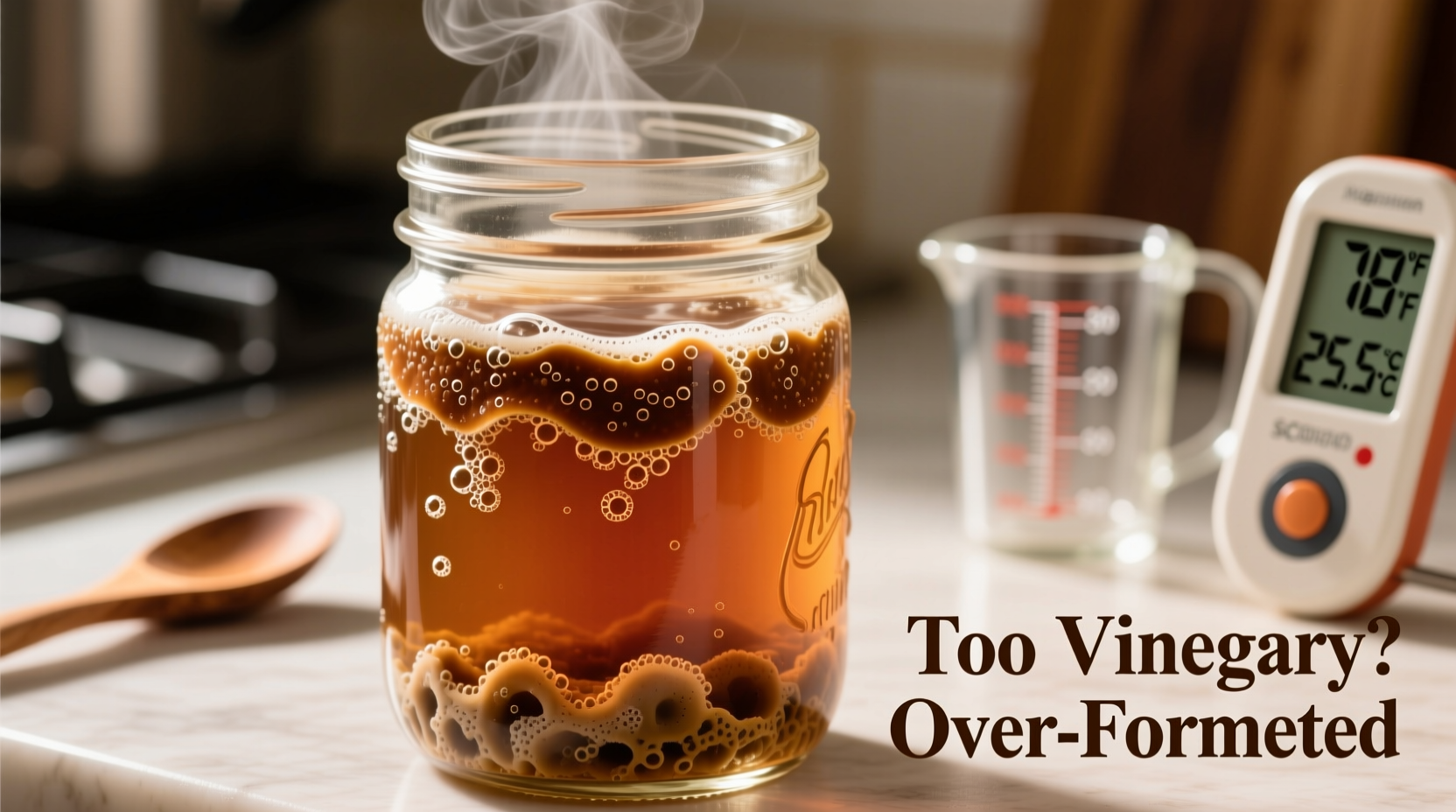
Kombucha is a symbiotic culture of bacteria and yeast (SCOBY) fermenting sweetened tea. During fermentation, yeast consume sugar and produce alcohol and carbon dioxide. Then, acetic acid bacteria convert some of that alcohol into acetic acid—the compound responsible for the sharp, vinegar-like taste. Lactic acid bacteria may also contribute subtle sourness. The balance between residual sugar, organic acids, and carbonation determines whether your kombucha tastes pleasantly tart or harshly acidic.
The ideal flavor profile emerges when fermentation stops just as the sweetness begins to fade but hasn’t fully disappeared. At this point, the drink has a bright tang, a faint sweetness, and a clean finish. Let it go too long, and acetic acid accumulates beyond palatable levels. This shift isn't always obvious until tasting, especially for beginners who may not recognize the progression of flavors over time.
“Fermentation is a dynamic ecosystem. The longer it runs, the more acids build up. Timing and temperature are everything.” — Dr. Lena Torres, Microbiologist & Fermentation Scientist
Primary Causes of Overly Vinegary Kombucha
Several interrelated factors can push kombucha toward excessive acidity. Identifying which one—or combination—is affecting your batch is the first step toward correction.
1. Extended Fermentation Time
The most common reason for vinegary kombucha is leaving the primary ferment too long. Most batches reach optimal balance within 7 to 14 days. Beyond two weeks, acetic acid production accelerates, especially if the culture is healthy and active. What starts as a mellow tang becomes sharp and one-dimensional.
2. High Ambient Temperature
Temperature directly influences microbial activity. The ideal range for kombucha fermentation is 75°F to 80°F (24°C to 27°C). Above this, yeast and bacteria work faster, shortening the effective fermentation window. A room at 85°F or higher can complete fermentation in under a week—easy to miss if you’re checking only every few days.
3. Too Much Starter Tea or Mature SCOBY
Using an excessive amount of starter liquid (previously fermented kombucha) lowers the initial pH too quickly, favoring acid-producing bacteria early on. Similarly, a thick, multi-layered SCOBY increases surface area and metabolic activity, speeding up acid development.
4. Low Sugar Content or Weak Tea
Insufficient sugar means less fuel for yeast, leading to premature stalling of fermentation dynamics. Paradoxically, this can result in higher relative acidity because there’s little residual sweetness left to balance the acids. Likewise, weak tea lacks the polyphenols and nitrogen sources the SCOBY needs for balanced growth.
5. Inconsistent Monitoring Habits
Many home brewers set their jars and forget them until a week or more has passed. Without regular tasting, it’s impossible to catch the flavor transition from balanced to over-acidified. Taste testing every 2–3 days during peak fermentation is essential.
How to Fix and Repurpose Vinegary Kombucha
If you’ve already produced a batch that’s too acidic, don’t discard it. Overly vinegary kombucha still has value and can be salvaged in several ways.
Blend It With Fresh Sweet Tea
Dilute the strong kombucha by mixing it 1:1 with freshly brewed, cooled sweet tea. This restores balance and creates a drinkable batch. You can also add fruit juice or herbal infusions for extra flavor.
Use It as Starter Liquid
Vinegar-rich kombucha makes excellent starter tea for future batches. Its low pH inhibits mold and supports healthy fermentation. Use up to 1 cup per gallon of new brew.
Make Kombucha Vinegar
Intentionally over-ferment kombucha (3+ weeks) to create a probiotic-rich vinegar. Strain, bottle, and use it in salad dressings, marinades, or as a natural cleaning agent. It’s gentler than distilled white vinegar and carries beneficial microbes.
Second Ferment Rescue
Add sweet fruits, juices, or honey to the second ferment. The remaining yeast will re-activate and consume some sugars, producing carbonation and masking sourness. Pineapple, mango, or peach puree works particularly well for balancing acidity.
“My first few batches were like drinking apple cider vinegar. Once I started tasting daily after day 5, I found my sweet spot around day 8.” — Sarah Kim, Home Brewer & Wellness Coach
Step-by-Step Guide to Balanced Kombucha Brewing
Follow this timeline to consistently achieve tangy-sweet kombucha:
- Day 1: Brew 1 gallon of black or green tea using 6–8 tea bags or 2 tablespoons loose leaf. Dissolve 1 cup of granulated sugar while hot. Cool to room temperature.
- Day 1 (cont.): Transfer sweet tea to a wide-mouth glass jar. Add 1 cup of starter kombucha and gently place the SCOBY on top. Cover with a breathable cloth and secure with a rubber band.
- Days 2–4: Store in a warm, dark place (75–80°F). No action needed. Avoid direct sunlight.
- Day 5: Begin tasting. Insert a clean straw below the SCOBY, cover the top with your finger, and remove a small sample. Assess sweetness and tang.
- Days 6–9: Continue tasting every 24 hours. Look for reduced sweetness, noticeable fizz, and a crisp, rounded sourness—not sharp or burning.
- When ready: Remove the SCOBY and 1 cup of liquid for starter. Bottle the rest for second fermentation or refrigerate immediately.
- Optional (Days 10–14): For second ferment, add 1–2 oz of fruit juice per 16 oz bottle. Seal and leave at room temperature for 2–5 days, then refrigerate to halt fermentation.
Do’s and Don’ts for Flavor Control
| Do’s | Don’ts |
|---|---|
| Use 1 cup of starter tea per gallon | Don’t use more than 1.5 cups of starter—this over-acidifies the base |
| Brew with real tea (black, green, white, oolong) | Don’t use herbal teas as the primary base—they lack nutrients for the SCOBY |
| Maintain consistent temperature (75–80°F) | Don’t ferment near heaters, ovens, or drafty windows |
| Taste every 2–3 days starting on day 5 | Don’t rely solely on time—always confirm with taste |
| Store finished kombucha in the fridge to slow fermentation | Don’t leave bottled kombucha at room temperature indefinitely—it will keep fermenting |
Real Example: Adjusting for Seasonal Changes
Consider Mark, a home brewer in Texas. His spring batches tasted perfect at 8 days. But come July, he noticed his kombucha turned vinegary by day 6. He hadn’t changed his recipe, but ambient temperatures had risen from 76°F to 84°F. After moving the jar to a cooler pantry and beginning daily tastings at day 4, he adjusted his schedule accordingly. Now, he brews summer batches in 5–6 days and winter batches in 10–12, maintaining consistency year-round. His key insight? “The calendar doesn’t matter—temperature and taste do.”
Checklist for Preventing Overly Acidic Kombucha
- ✅ Brew with 1 gallon water, 1 cup sugar, and 6–8 tea bags
- ✅ Cool sweet tea completely before adding SCOBY
- ✅ Use exactly 1 cup of starter tea per batch
- ✅ Ferment in a stable environment between 75°F and 80°F
- ✅ Start tasting on day 5 using a clean straw
- ✅ Bottle when sweetness is slightly present and tang is bright but not sharp
- ✅ Refrigerate promptly to preserve flavor balance
- ✅ Label bottles with brew date and flavor additions
Frequently Asked Questions
Can I dilute vinegary kombucha and still get health benefits?
Yes. Diluting with water or juice doesn’t reduce the probiotic or antioxidant content. The live cultures remain active, and the organic acids (like acetic and gluconic acid) are still present. It’s a practical way to enjoy the benefits without the intense sourness.
Is vinegary kombucha unsafe to drink?
Generally, no. Over-fermented kombucha is still safe if there’s no mold, off smells (like rotten eggs), or signs of contamination. Acidity actually protects against pathogens. However, excessive acid may irritate sensitive stomachs. If in doubt, smell and inspect the SCOBY—healthy cultures should smell like apple cider vinegar, not musty or putrid.
How can I make my kombucha sweeter without compromising fermentation?
The best approach is to control the first ferment closely and add sweetness during the second ferment. Use fruit juice, ginger, or honey (if not strictly vegan) in sealed bottles. The yeast will carbonate the drink while leaving residual sweetness. Avoid adding sugar directly to the first ferment beyond the initial cup—that disrupts microbial balance.
Conclusion: Master Your Brew Through Observation and Adjustment
Producing kombucha that’s tangy and subtly sweet—not harshly vinegary—comes down to attentive fermentation management. There’s no universal timeline; each kitchen environment, SCOBY strength, and seasonal shift affects the process. By understanding the microbial lifecycle, monitoring temperature, and tasting early and often, you gain control over the outcome. Even when batches go too far, they aren’t wasted. Repurpose them wisely and refine your next attempt. Every jar teaches you something new about the living culture you’re nurturing.




 浙公网安备
33010002000092号
浙公网安备
33010002000092号 浙B2-20120091-4
Comments
No comments yet. Why don't you start the discussion?