
Kombucha, the effervescent fermented tea beloved for its tangy flavor and probiotic benefits, can sometimes go off track—especially when brewed at home. One of the most common complaints among DIY fermenters is that their kombucha has become overly sour, bordering on vinegar. While a hint of acidity is expected, an aggressive vinegar punch suggests something’s amiss in your brewing process.
The good news: over-acidification is both preventable and correctable. Understanding the biology behind fermentation, identifying key variables, and adjusting your routine can bring your brew back into balance. Whether you're new to kombucha or have been brewing for months, this guide will help you pinpoint why your batch turned too vinegary—and how to avoid it next time.
Understanding the Fermentation Process
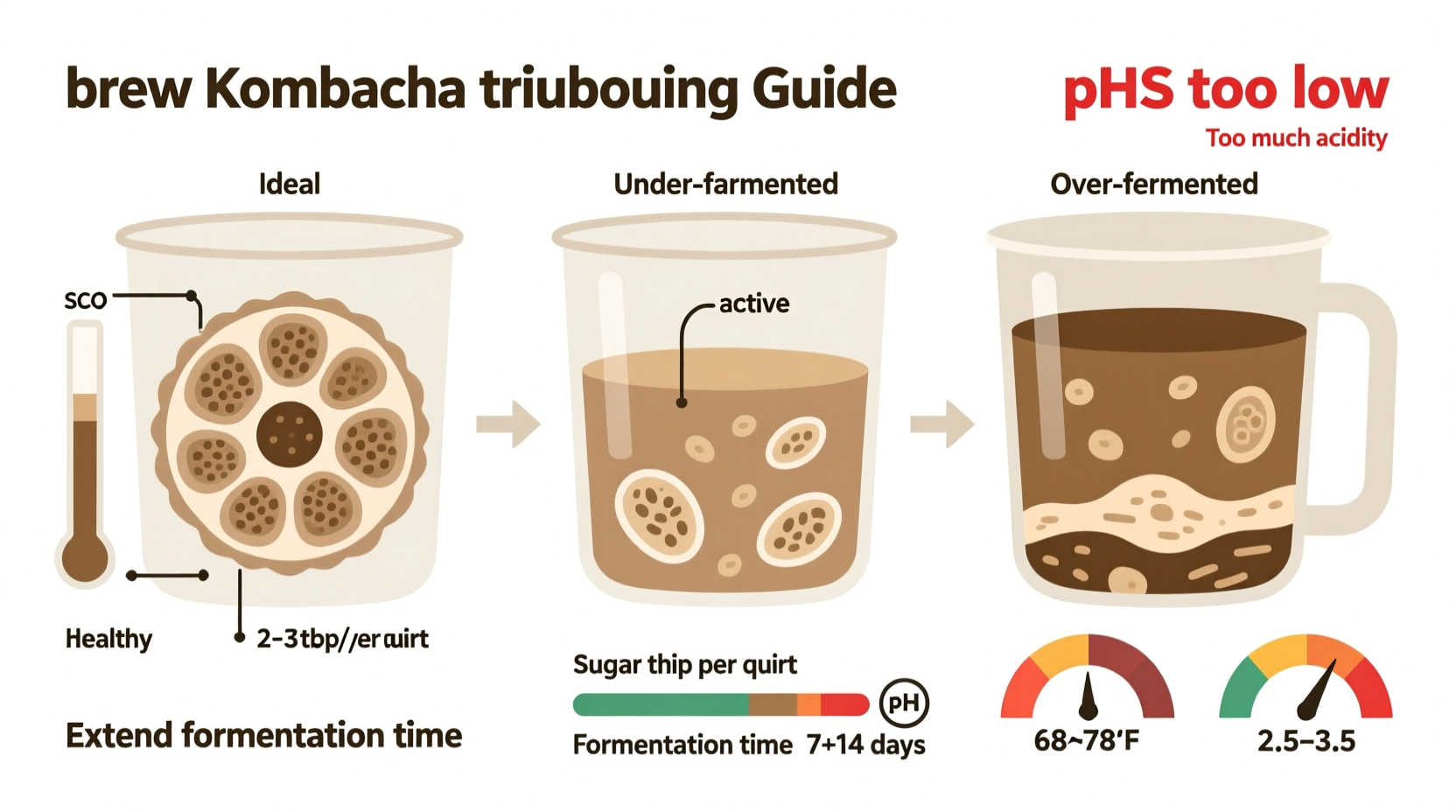
Kombucha is made through a symbiotic culture of bacteria and yeast (SCOBY) fermenting sweetened tea. During fermentation, yeast consumes sugar and produces alcohol, which bacteria then convert into organic acids—primarily acetic acid and gluconic acid. These acids are responsible for kombucha’s characteristic tartness.
In ideal conditions, fermentation lasts 7–14 days, depending on temperature, sugar content, and SCOBY health. But if left too long or exposed to unfavorable conditions, the bacterial activity intensifies, leading to excessive acid production. The result? A brew that tastes more like apple cider vinegar than refreshing tea.
Fermentation isn’t just about time—it's a delicate balance influenced by multiple factors:
- Temperature: Warmer environments accelerate microbial activity.
- Sugar levels: More sugar means more fuel for fermentation.
- Batch size and vessel: Surface area and container material affect oxygen exposure.
- SCOBY maturity: Older or thicker SCOBYs may ferment faster.
- Starter liquid ratio: Insufficient acidity at the start can delay fermentation; too much can speed it up.
Maintaining control over these elements is essential to achieving a balanced, drinkable kombucha.
Common Causes of Overly Vinegary Kombucha
An excessively sour kombucha doesn't happen without reason. Below are the top culprits behind over-acidification and what they mean for your brewing setup.
1. Extended Fermentation Time
The most frequent cause of vinegary kombucha is simply letting it ferment too long. Each day beyond the optimal window increases acid production. While some prefer a stronger tang, most enjoy kombucha with a bright but balanced profile. If your batch sits for 16+ days without tasting, you’re likely pushing into vinegar territory.
2. High Ambient Temperature
Heat speeds up microbial metabolism. In environments above 85°F (29°C), fermentation can progress rapidly—sometimes cutting the ideal timeframe in half. This often catches brewers off guard during summer months or in warm kitchens.
3. Too Much Starter Liquid
Starter liquid (previously fermented kombucha) lowers the pH of the new batch, creating an environment hostile to mold. However, using more than 10–15% starter can jumpstart acid production too aggressively, especially in warm conditions.
4. Imbalanced Sugar-to-Tea Ratio
Under-sweetening your tea deprives yeast of adequate food, potentially stalling alcohol production. Paradoxically, this can lead to early dominance of acid-producing bacteria. Conversely, over-sweetening provides excess fuel, prolonging fermentation and increasing acid yield if not monitored.
5. Overcrowded Brewing Vessel
Multiple SCOBYs stacked together increase surface-level bacterial mass, accelerating acid formation. While a thick SCOBY isn’t inherently bad, it may require shorter fermentation cycles.
“Fermentation is not a set-it-and-forget-it process. Active monitoring is the hallmark of successful homebrewers.” — Dr. Lydia Chen, Microbial Fermentation Specialist
Step-by-Step Troubleshooting Guide
If your latest batch tastes like vinegar, don’t discard it yet. Follow this timeline-based approach to diagnose and adjust your method.
- Day 1–3: Assess Setup
- Confirm you used 1 cup of starter liquid per gallon of sweet tea.
- Ensure tea is made from black, green, or white tea—not herbal blends lacking sufficient tannins.
- Verify sugar concentration: 1 cup per gallon of water is standard.
- Day 4–7: Begin Tasting
- Start sampling daily after day 5. Use a clean straw to draw liquid from beneath the SCOBY.
- Look for balance: sweetness should decrease gradually while tang increases mildly.
- Day 8+: Evaluate Progress
- If the brew tastes sharply acidic with little residual sweetness, fermentation is complete—or past complete.
- Remove the SCOBY and bottle immediately to halt further acid development.
- Post-Fermentation: Adjust for Next Batch
- Reduce fermentation time by 2–3 days.
- Move the jar to a cooler spot (closer to 72°F).
- Consider thinning your SCOBY stack to one or two healthy layers.
Rescuing and Repurposing Vinegary Kombucha
Even if your kombucha crossed the line into vinegar-like territory, it’s rarely wasted. Here are several ways to reclaim value from over-fermented brew:
- Use as Cleaning Vinegar: Dilute 1:1 with water for a natural, antimicrobial surface cleaner.
- Salad Dressings: Blend with olive oil, honey, mustard, and herbs for a zesty vinaigrette.
- Cooking Substitute: Replace apple cider vinegar in marinades or deglazing pans.
- Second Fermentation Base: Mix with fruit juice to rebalance acidity before bottling.
- New Starter Liquid: Save 1–2 cups per gallon to inoculate your next batch.
Repurposing teaches patience and resourcefulness—key traits of seasoned fermenters.
Prevention Checklist: Avoid Vinegary Brews Going Forward
To maintain consistent quality, follow this actionable checklist for every batch:
| Action | Do | Avoid |
|---|---|---|
| Fermentation Duration | Taste daily starting on day 5–6 | Leaving unattended beyond 14 days |
| Temperature Control | Maintain 75°F–80°F (24°C–27°C) | Placing near ovens, heaters, or sunny windows |
| Starter Liquid | Use 10–15% of total volume | Adding more than 20% “just to be safe” |
| Sugar Amount | Stick to 1 cup cane sugar per gallon | Substituting low-calorie sweeteners (e.g., stevia, xylitol) |
| SCOBY Management | Keep 1–2 healthy layers max | Stacking multiple thick SCOBYs indefinitely |
Mini Case Study: Sarah’s Summer Brew Gone Sour
Sarah, a home brewer in Texas, noticed her kombucha turning sharp and unpleasantly acidic within just 9 days—a far cry from the 12-day cycle she’d used successfully in spring. She kept her jar in the same kitchen corner, covered with a cloth, and followed her usual recipe.
Upon reviewing her process, she realized the ambient temperature had climbed to 88°F due to a heatwave. Her fermentation was progressing nearly twice as fast. After moving the jar to a basement shelf (cooler by 8°F), her next batch reached perfect balance in 10 days. She now uses a small digital hygrometer/thermometer and adjusts placement seasonally.
Sarah’s experience underscores a critical lesson: consistency in inputs doesn’t guarantee consistent results if environmental variables shift.
Frequently Asked Questions
Can I dilute vinegary kombucha with water to make it drinkable?
Yes, mixing equal parts over-fermented kombucha with still or sparkling water can mellow the acidity. Adding a splash of fruit juice or a touch of honey also helps restore balance. This is a quick fix for immediate consumption, though it won’t reverse the fermentation state.
Is vinegary kombucha harmful to drink?
No, over-fermented kombucha is not dangerous. It contains higher levels of acetic acid, which is naturally present in vinegar and generally safe in moderation. However, those with sensitive stomachs or acid reflux may find it irritating. As always, consume fermented products in reasonable amounts.
How do I know when to stop fermentation?
The best indicator is taste. Draw a small sample daily after day 5. Ideal kombucha retains a slight sweetness with a crisp, tangy finish. When it becomes noticeably sour with no residual sugar, it’s time to bottle. You can also measure pH: a reading between 2.5 and 3.0 indicates full fermentation. Below 2.5, it’s very acidic.
Final Thoughts and Call to Action
Brewing kombucha at home is as much an art as it is a science. A vinegary batch isn’t a failure—it’s feedback. Each fermentation cycle offers insights into microbial behavior, environmental influence, and personal preference. By paying attention to timing, temperature, and technique, you’ll refine your process and produce consistently enjoyable kombucha.
Don’t let one sour batch discourage you. Instead, use it as a learning opportunity. Adjust your timeline, relocate your jar, or simplify your SCOBY stack. Small changes yield significant improvements.




 浙公网安备
33010002000092号
浙公网安备
33010002000092号 浙B2-20120091-4
Comments
No comments yet. Why don't you start the discussion?