
Lipstick bleeding—when pigment migrates beyond the natural lip line and settles into fine lines—is a common frustration that can dull even the most carefully applied makeup. It not only disrupts precision but emphasizes signs of aging around the mouth. While it may seem inevitable with age or certain formulas, the truth is that this issue is largely preventable with the right techniques, products, and skincare habits. Understanding the causes behind lipstick migration empowers you to take control of your application and maintain crisp, vibrant color throughout the day.
The phenomenon occurs due to a combination of anatomical changes, product behavior, and environmental factors. As we age, the skin around the lips loses collagen and elasticity, creating vertical lip lines (also known as perioral rhytids). These tiny crevices act like channels for liquid or creamy lipsticks to seep into. Additionally, dryness, improper prep, and overly hydrating formulas can exacerbate the problem. The good news? With strategic preparation, correct tools, and mindful maintenance, you can significantly reduce—or even eliminate—lipstick bleed.
Understanding Why Lipstick Bleeds Into Fine Lines
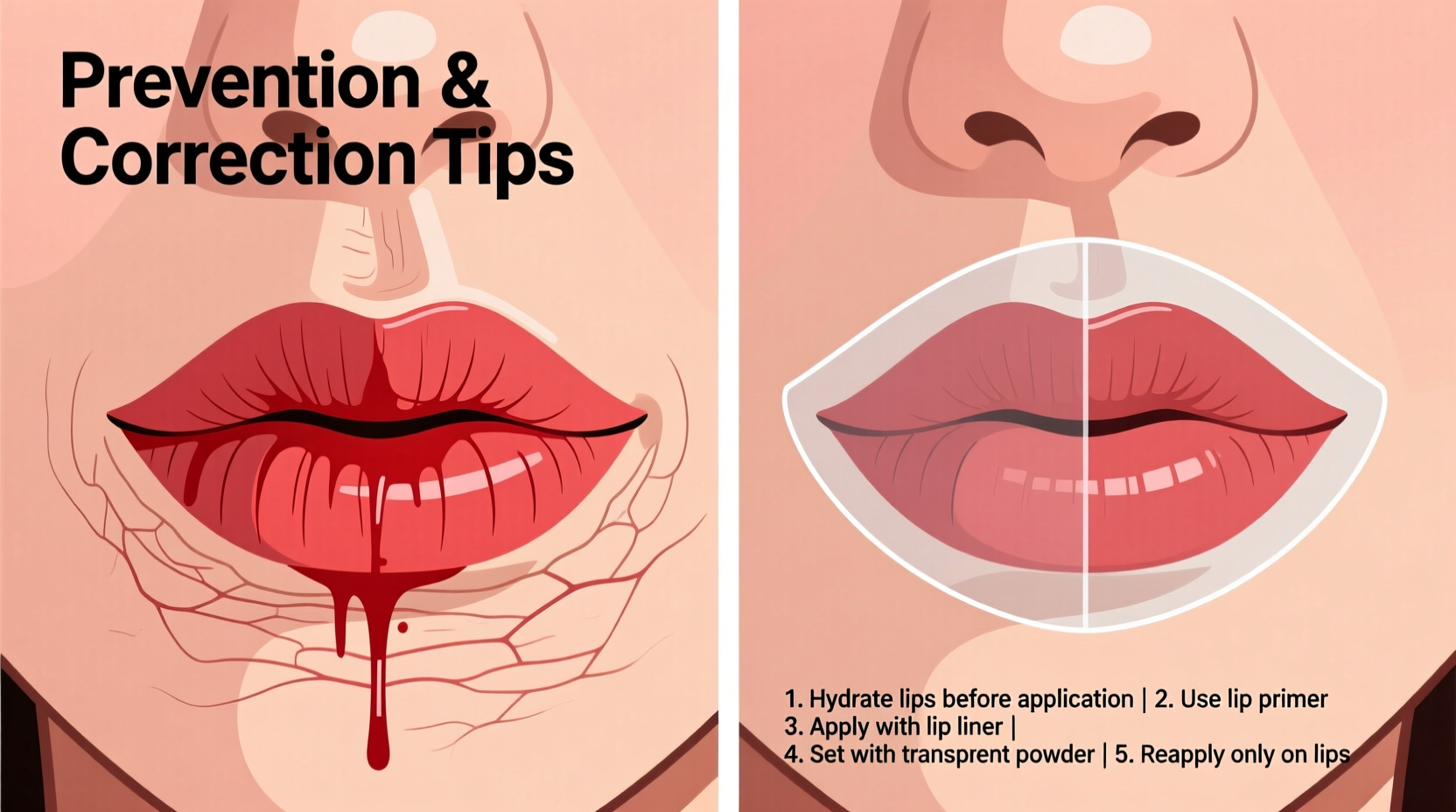
Lipstick migration isn’t just about poor application; it’s often a symptom of deeper skincare and formulation mismatches. Here are the primary reasons why lipstick tends to settle into fine lines:
- Aging Skin Structure: Collagen depletion thins the skin and deepens vertical lines above and below the lips, making them more prone to trapping pigment.
- Dry or Dehydrated Lips: Cracked or flaky lips create uneven surfaces where lipstick catches and sinks into crevices.
- Occlusive or Oily Formulas: Glossy, balm-like, or high-oil lipsticks naturally spread beyond the lip border over time.
- Inadequate Lip Liner Use: Skipping a liner removes a crucial barrier that defines edges and prevents feathering.
- Movement and Expression: Smiling, talking, and drinking cause constant movement, encouraging product shift.
- Over-Exfoliation or Harsh Products: Stripping the lip area can lead to micro-tears and increased sensitivity, worsening texture.
These factors interact dynamically. For example, using a hydrating lip balm without blotting before applying lipstick may leave behind residue that promotes slippage. Similarly, applying a bold matte shade on un-prepped lips might cling to dry patches and accentuate lines rather than glide smoothly.
Step-by-Step Guide to Prevent Lipstick Bleeding
Preventing lipstick from migrating into fine lines starts well before you pick up your favorite tube. A structured routine ensures longevity, sharp definition, and comfort. Follow these steps for optimal results:
- Hydrate Gently: Apply a nourishing lip mask or balm at night and in the morning. Look for ingredients like shea butter, ceramides, or squalane. Avoid petroleum-heavy balms if you’re sensitive to occlusives.
- Exfoliate Weekly: Use a soft toothbrush or gentle sugar scrub 1–2 times per week to remove dead skin. Never exfoliate immediately before lipstick—it can leave micro-abrasions.
- Prime the Area: Dab a small amount of facial primer or concealer around the lip line to blur fine lines and create a barrier. Let it set for 30 seconds.
- Line First, Fill Second: Choose a lip liner one shade darker or matching your lipstick. Outline precisely, then fill in the entire lip. This creates a base layer that locks color in place.
- Apply Lipstick Strategically: Use a brush for precision. Start from the center and work outward. Blot once, then reapply for intensity.
- Set with Powder (Optional): For extra staying power, place a single-ply tissue over lips and lightly dust translucent powder through it.
- Final Touch-Up: Clean up edges with a pointed concealer brush dipped in foundation to sharpen the outline.
This method builds layers of defense against migration while enhancing fullness and symmetry.
Best Products and Ingredients for Mature or Textured Lips
Not all lipsticks behave the same way on delicate skin. Choosing the right formula makes a dramatic difference in both appearance and performance.
| Product Type | Recommended For | Key Benefits | Caution |
|---|---|---|---|
| Matte Liquid Lipstick | Fine lines, long wear | Dries down quickly, resists migration | Can emphasize dryness if not prepped |
| Creamy Bullet with Wax Base | Balanced hydration and hold | Smooth glide without excessive slip | Avoid high-oil variants |
| Lip Stain (Tinted Serum) | Natural finish, subtle color | Binds to skin, less likely to bleed | May require touch-ups |
| Soft Matte Balms | Dry lips needing moisture + definition | Lightweight, non-greasy, buildable | Less durable than liquids |
Look for lip liners enriched with hyaluronic spheres or plumping peptides—they help smooth contours without overfilling. Also consider products labeled “feather-proof” or “long-wear,” which often contain film-formers that resist movement.
“Lining and filling the lips completely is non-negotiable when dealing with fine lines. It gives the color something to adhere to and stops migration before it starts.” — Dana White, Celebrity Makeup Artist
Correction Techniques for Existing Bleeding
Even with precautions, lipstick can shift during the day. Knowing how to correct it gracefully keeps your look fresh without starting over.
Midday Fix Without Removing Makeup
If you notice feathering midday, avoid wiping everything off. Instead:
- Blot gently with a tissue to remove excess oil.
- Use a cotton swab dipped in micellar water to clean up smudged areas around the mouth.
- Reapply lip liner along any softened edges.
- Press a fingertip lightly onto the center of the lips to redistribute remaining color evenly.
- Finish with a light dusting of setting powder around the perimeter.
For Severe Migration or Feathering
If the lipstick has deeply settled into lines:
- Remove all lip color with an oil-based cleanser or makeup wipe.
- Rehydrate with a quick-absorbing balm and wait two minutes.
- Apply a pea-sized amount of eye cream around the lip line to soften texture (avoid direct contact with lips).
- Wait another minute, then blot thoroughly.
- Repeat the full prevention protocol outlined earlier.
Mini Case Study: Reviving Evening Glamour After Dinner
Sarah, 52, loves wearing deep berry lipstick to dinner but often finds it faded and feathered by dessert. She used to reapply straight over the old layer, which only made the blurred effect worse. After switching strategies, her results improved dramatically.
She now follows a simple evening touch-up ritual: after blotting her lips post-meal, she uses a concealer brush to trace and clean the lip line, then reapplies liner followed by a thin layer of matte liquid lipstick. By focusing on edge definition first, she maintains a polished look without buildup. Her secret? Keeping a travel-sized kit with liner, concealer, and a small mirror in her clutch.
Within weeks, she noticed fewer touch-ups were needed overall—thanks to better initial prep and smarter product choices. “I used to think dark lipstick was too high-maintenance,” she says. “Now I realize it’s about technique, not effort.”
Do’s and Don’ts Summary
To reinforce best practices, here’s a concise checklist of actions to adopt—and avoid.
| Do’s | Don’ts |
|---|---|
| Moisturize lips hours before makeup | Apply thick balm right before lipstick |
| Fill in entire lips with liner | Only draw an outline without filling |
| Use a lip brush for precision | Swipe on lipstick straight from the bullet |
| Blot between coats | Layer multiple wet applications |
| Clean edges with concealer | Use foundation on a large brush (can smear) |
Frequently Asked Questions
Can lip fillers help prevent lipstick bleeding?
Yes, dermal fillers can reduce the depth of vertical lip lines by restoring volume and smoothing the skin. Hyaluronic acid fillers plump the area subtly, minimizing creases where pigment collects. However, this should be done by a licensed professional, and results vary. It’s a complementary solution—not a replacement—for proper makeup technique.
Is there a specific type of lip liner that works best?
A firm, wax-based liner offers the most control and longevity. Creamy or retractable liners may feel smoother but tend to break down faster. Choose a shade that matches your natural lip tone or lipstick exactly—too dark a liner will be visible and look harsh. Some brands offer \"invisible\" liners designed specifically to block feathering without adding color.
Why does my lipstick bleed more in cold weather?
Cold air dehydrates the skin, causing lips to chap and crack. When surface texture becomes uneven, lipstick clings to flakes and seeps into splits. Indoor heating worsens this by reducing humidity. Combat it with consistent overnight conditioning and avoid licking your lips, which increases dryness.
Conclusion: Master Your Lip Look with Confidence
Lipstick bleeding into fine lines doesn't have to be an unavoidable part of aging or daily wear. With targeted preparation, intelligent product selection, and refined application habits, you can achieve clean, defined lips that stay flawless for hours. The key lies not in covering flaws but in working with your skin’s natural structure—enhancing instead of masking.
Start tonight: assess your current routine, swap out overly slippery formulas, and commit to lining and filling your lips every time. Small adjustments yield visible results. Whether you prefer soft nudes or bold reds, precise application elevates your entire look. Share your own tips or ask questions in the comments—because great beauty is always evolving, together.




 浙公网安备
33010002000092号
浙公网安备
33010002000092号 浙B2-20120091-4
Comments
No comments yet. Why don't you start the discussion?