
Lizards are fascinating pets that bring a sense of wonder into homes with their unique behaviors and low-maintenance reputation. Yet, even the most experienced reptile keepers can feel uneasy when their lizard stops eating. Appetite changes are common, but they can also signal underlying health issues. Understanding the reasons behind a loss of appetite—and knowing when to act—is essential for ensuring your lizard lives a long, healthy life.
Unlike mammals, lizards don’t always show obvious signs of illness until problems become severe. A lack of appetite is often one of the first red flags. While occasional fasting can be normal, prolonged refusal to eat warrants investigation. This article explores the physiological, environmental, and medical causes behind reduced feeding in lizards, outlines actionable steps you can take at home, and clarifies when professional veterinary intervention is necessary.
Common Reasons Lizards Stop Eating
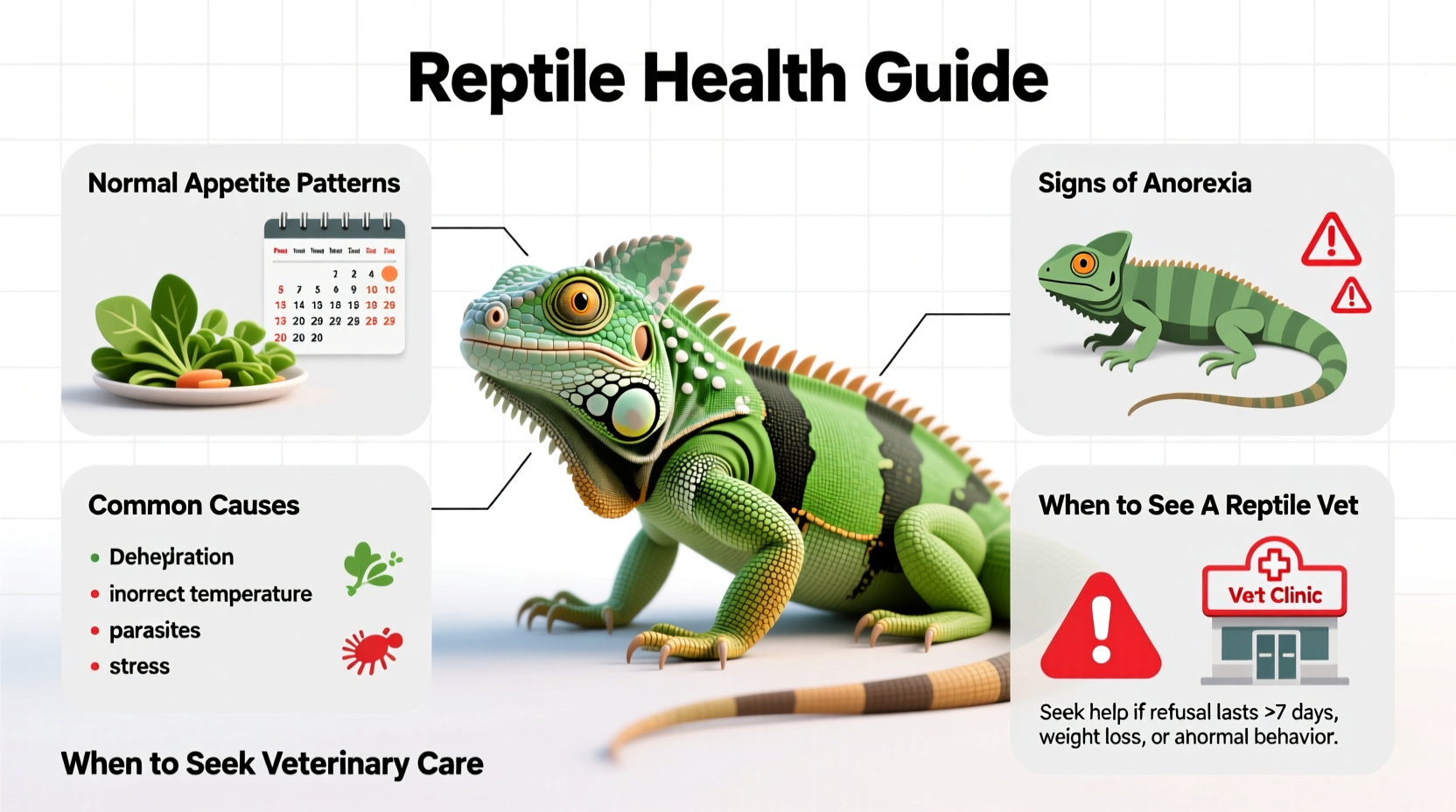
Lizard anorexia—complete or partial refusal to eat—is rarely due to a single cause. Instead, it's usually the result of a combination of factors, ranging from natural biological rhythms to serious illness. Identifying the root cause requires careful observation and a methodical approach.
- Brumation: Many lizard species, especially those from temperate climates like bearded dragons and leopard geckos, undergo brumation—a reptilian version of hibernation. During this time, metabolism slows, activity decreases, and appetite diminishes or stops entirely. Brumation typically occurs in cooler months and lasts several weeks.
- Environmental Stress: Incorrect temperature gradients, inadequate UVB lighting, high noise levels, or excessive handling can all lead to stress-induced fasting. Lizards are highly sensitive to their surroundings; even minor deviations from ideal conditions can impact feeding behavior.
- Poor Husbandry: Inappropriate diet, dehydration, unclean enclosures, or incorrect humidity levels can make a lizard feel unwell or disinterested in food. For example, calcium deficiency can lead to metabolic bone disease, which causes pain and reluctance to move or eat.
- Shedding Cycle: Prior to shedding, many lizards lose their appetite. Their eyes may appear cloudy, and skin can look dull. This is temporary and usually resolves within a few days after shedding completes.
- Reproductive Activity: Female lizards preparing to lay eggs may stop eating as their body diverts energy toward egg development. Males may also reduce feeding during breeding season due to increased territorial activity.
When Illness Might Be the Cause
If husbandry checks out and your lizard continues to refuse food, illness could be the culprit. Unlike mammals, reptiles mask illness well as a survival instinct, making early detection challenging. However, certain symptoms alongside appetite loss strongly suggest medical concerns.
Common illnesses associated with anorexia include:
- Parasitic Infections: Internal parasites such as pinworms or coccidia are prevalent in reptiles. Symptoms include weight loss, diarrhea, lethargy, and bloating. Fecal exams by a vet can confirm diagnosis.
- Respiratory Infections: Caused by improper temperatures or humidity, these infections manifest through wheezing, mucus around the nose or mouth, gaping, and reduced activity. Affected lizards often stop eating due to discomfort.
- Metabolic Bone Disease (MBD): Resulting from insufficient calcium or vitamin D3, MBD leads to soft jaws, limb deformities, tremors, and paralysis. Without treatment, it becomes fatal.
- Dental or Oral Infections: Mouth rot (infectious stomatitis) appears as redness, swelling, pus, or necrotic tissue in the mouth. Pain makes eating difficult.
- Gastrointestinal Obstruction: Impaction from ingesting substrate or foreign objects blocks digestion. Signs include bloating, straining, and absence of feces.
“Anorexia in reptiles is never normal if it persists beyond a few days outside of brumation or shedding. It’s a symptom, not a diagnosis.” — Dr. Susan Brown, DVM, Exotic Animal Specialist
Step-by-Step Guide to Assessing the Situation
Before rushing to the vet, conduct a thorough assessment of your lizard’s environment and condition. Follow this timeline to determine whether home care suffices or professional help is needed.
- Day 1–2: Observe and Record
- Note any changes in behavior: Is the lizard active? Breathing normally?
- Check for physical signs: Swelling, discharge, abnormal posture, or skin issues.
- Weigh your lizard and record the number.
- Day 3: Review Enclosure Conditions
- Verify basking spot temperature (species-specific; e.g., 95–110°F for bearded dragons).
- Ensure cool side is adequately cooler (75–85°F).
- Confirm UVB bulb is functional and replaced every 6–12 months.
- Check humidity levels—critical for chameleons and green iguanas.
- Day 4–5: Adjust Diet and Environment
- Offer favorite foods: Try waxworms, silkworms, or ripe fruit depending on species.
- Hand-feed gently if safe to do so.
- Mist the enclosure to encourage hydration, especially if shedding.
- Reduce disturbances: Limit handling and loud noises.
- Day 6–7: Reassess Progress
- If eating resumes and weight stabilizes, continue monitoring.
- If no improvement, prepare for a vet visit.
- Day 8+: Seek Veterinary Care
- Schedule an appointment with a reptile-savvy veterinarian.
- Bring a fresh fecal sample if possible.
- Take notes on behavior, diet, and enclosure parameters.
Do’s and Don’ts When Your Lizard Won’t Eat
| Do’s | Don’ts |
|---|---|
| ✔ Check and correct temperature and lighting settings | ✘ Assume fasting is “normal” without ruling out illness |
| ✔ Weigh your lizard regularly to track trends | ✘ Force-feed without veterinary guidance |
| ✔ Offer varied, nutritious foods the lizard previously enjoyed | ✘ Change multiple husbandry elements at once (hard to isolate issues) |
| ✔ Keep the enclosure clean and stress-free | ✘ Delay vet care if symptoms worsen or persist beyond a week |
| ✔ Consult a reptile veterinarian early if in doubt | ✘ Use over-the-counter medications without diagnosis |
Real Example: A Case of Misdiagnosed Anorexia
Mark, a bearded dragon owner, noticed his 3-year-old male “Spike” stopped eating insects and greens over a two-week period. Spike remained alert but less active. Mark assumed it was seasonal brumation, though it was mid-summer. He adjusted the lights and offered different foods, but Spike lost 15% of his body weight in three weeks.
Finally, Mark took Spike to a reptile-specialized vet. A fecal exam revealed a heavy load of coccidia, and blood work showed mild dehydration and low calcium. The vet prescribed antiprotozoal medication and calcium supplements. Within ten days of treatment and corrected UVB exposure, Spike resumed eating and regained weight.
This case highlights how easily parasitic infections can mimic natural fasting. Without veterinary testing, Mark might have continued waiting, risking permanent organ damage.
When to Seek Help from a Reptile Veterinarian
While some appetite fluctuations are part of normal lizard biology, certain warning signs demand immediate veterinary attention. Delaying care can turn treatable conditions into life-threatening emergencies.
Seek help immediately if your lizard shows any of the following:
- No food intake for more than 7–10 days (outside of brumation)
- Weight loss exceeding 10% of body mass
- Lethargy or inability to lift the head
- Visible swelling, lumps, or abscesses
- Discharge from eyes, nose, or mouth
- Labored breathing or open-mouth breathing
- No feces for over 10 days (risk of impaction)
- Tremors, seizures, or limb weakness (signs of MBD or neurological issues)
A qualified reptile veterinarian will perform a physical exam, run diagnostic tests (fecal floats, blood panels, radiographs), and provide targeted treatment. Early intervention improves prognosis significantly.
Frequently Asked Questions
Is it normal for my lizard to stop eating during shedding?
Yes, many lizards reduce or stop eating 2–3 days before shedding. Appetite typically returns shortly after the old skin is shed. Ensure proper humidity to support easy shedding and monitor for retained eye caps or skin constrictions.
Can I force-feed my lizard at home?
Force-feeding should only be done under veterinary instruction. Improper technique can cause aspiration or esophageal injury. If necessary, vets may recommend syringe-feeding a specialized recovery formula like EmerAid or Critical Care for Herbivores.
How long can a lizard survive without food?
Healthy adult lizards can survive weeks without food, depending on species and fat reserves. However, dehydration is far more dangerous—lizards can only go a few days without water. Always ensure access to fresh water and consider soaking dehydrated lizards in shallow warm water.
Action Plan Checklist
Use this checklist to respond effectively when your lizard stops eating:
- ✅ Confirm current temperature and humidity levels match species requirements
- ✅ Verify UVB lighting is functional and appropriately positioned
- ✅ Weigh your lizard and document baseline weight
- ✅ Inspect for signs of shedding, injury, or illness
- ✅ Offer preferred foods and ensure hydration
- ✅ Clean the enclosure thoroughly
- ✅ Monitor daily for changes in behavior or waste output
- ✅ Schedule a vet visit if no improvement in 7–10 days or if warning signs appear
Conclusion: Prioritize Proactive Care
A lizard not eating is a call to action, not a situation to ignore. Whether the cause is environmental, seasonal, or medical, timely response makes all the difference. By maintaining optimal husbandry, monitoring your pet closely, and seeking expert help when needed, you give your lizard the best chance at a full recovery and long-term well-being.




 浙公网安备
33010002000092号
浙公网安备
33010002000092号 浙B2-20120091-4
Comments
No comments yet. Why don't you start the discussion?