
A quiet kitchen can make even the smallest sound stand out. If you’ve recently noticed a persistent humming noise coming from your microwave—especially during operation—it’s natural to wonder whether this is something to ignore or a warning sign that demands immediate attention. The truth is, some level of sound is expected during normal use, but certain types of humming can indicate underlying problems. Understanding the difference between harmless operational noise and potentially dangerous malfunctioning components is essential for both appliance longevity and household safety.
Microwaves rely on several internal systems to generate heat and distribute it evenly. These include the magnetron, high-voltage transformer, cooling fan, and turntable motor—all of which contribute to the overall sound profile of the appliance. While most modern microwaves are designed to operate quietly, variations in age, model, installation, and usage patterns can affect how much noise they produce. This article breaks down the science behind microwave sounds, identifies when humming becomes concerning, and provides actionable guidance to help you assess risk and respond appropriately.
Understanding Normal Microwave Operation Sounds
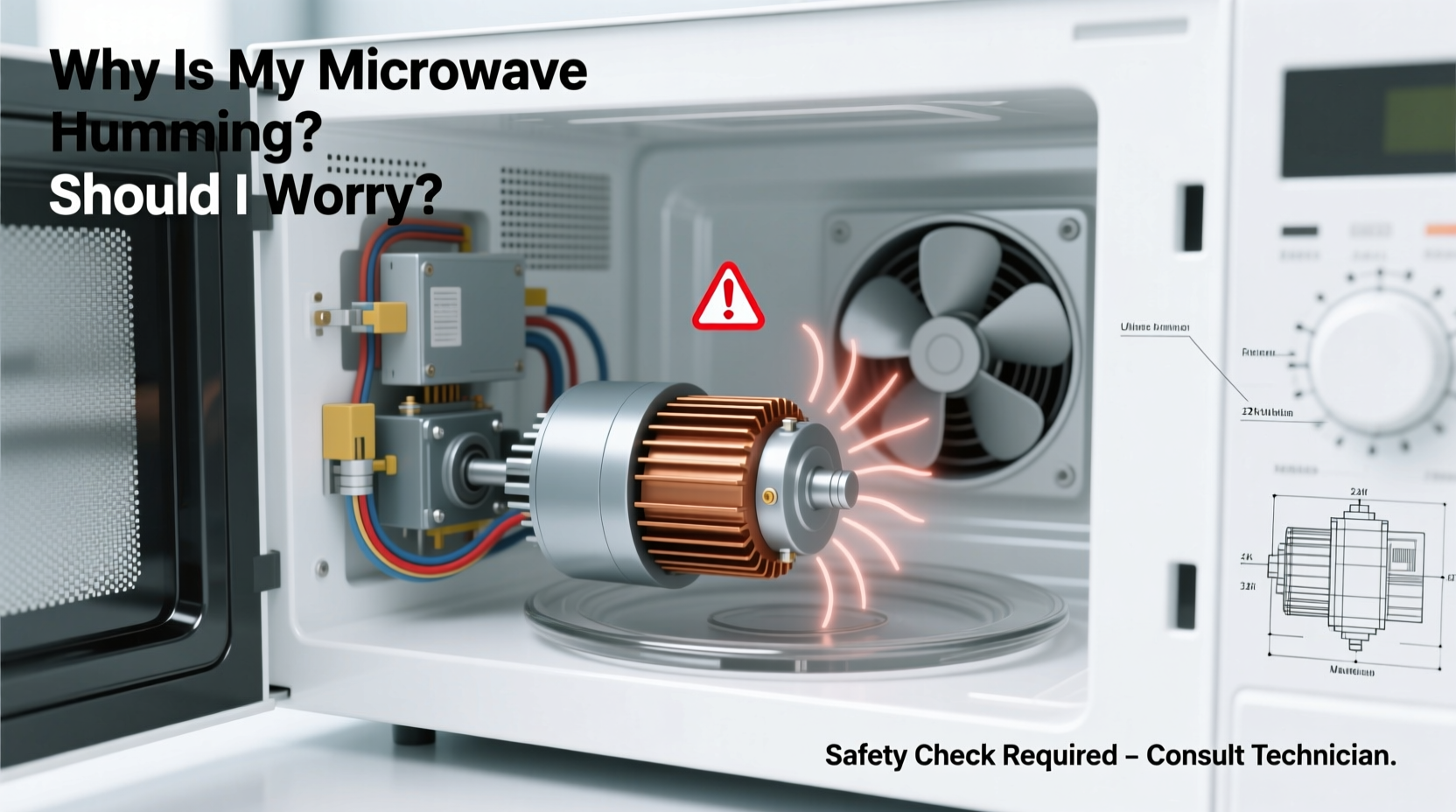
Before jumping to conclusions about mechanical failure, it’s important to recognize what constitutes normal operation. Most microwaves emit a low-frequency hum when running, primarily due to the vibration of the magnetron and the electrical current passing through the high-voltage transformer. This hum typically ranges between 50–60 Hz, aligning with standard household AC power frequency, and may become more noticeable in quiet environments.
The cooling fan also contributes to background noise by circulating air to prevent overheating. In compact or over-the-range models, where space is limited, fans may run louder to maintain adequate ventilation. Additionally, the turntable motor produces a soft whirring or clicking as it rotates the glass plate, which some users interpret as part of the “hum.”
Manufacturers design these components to work together efficiently, but slight variations in build quality or placement can amplify perceived noise levels. For example, if a microwave is mounted too close to a cabinet wall or installed on an uneven surface, vibrations may transfer into surrounding materials, creating resonance that makes the hum seem louder than it actually is.
When Humming Signals a Problem
Not all humming noises are benign. A sudden change in pitch, volume, or duration—especially if accompanied by other symptoms—can point to developing faults within critical components. Key warning signs include:
- A loud, buzzing hum that wasn’t present before
- Intermittent grinding or clicking alongside the hum
- Burning smells or visible sparks during operation
- Uneven heating or complete failure to heat food
- Frequent tripping of circuit breakers
These indicators often suggest issues such as a failing magnetron, arcing within the waveguide cover, or a deteriorating high-voltage diode. The magnetron, responsible for generating microwaves, requires precise voltage regulation. When its supporting components degrade, irregular current flow can cause audible oscillations and inefficient energy conversion.
One common culprit behind abnormal humming is the high-voltage transformer. Over time, insulation around its windings can wear down, leading to partial short circuits. This not only increases electromagnetic noise but also poses fire risks if left unaddressed. Similarly, a worn-out capacitor may struggle to store and release charge consistently, resulting in erratic power delivery and audible pulsing.
“Any unusual noise from a microwave—especially one that grows louder over time—should be investigated. Electrical arcing and component fatigue can escalate quickly.” — Dr. Alan Reyes, Appliance Safety Engineer at the National Home Electronics Lab
Step-by-Step Guide to Diagnosing the Noise
If your microwave begins humming abnormally, follow this structured diagnostic process to determine the severity and appropriate response:
- Unplug the unit immediately – Never attempt inspection while powered. Safety first.
- Inspect the interior cavity – Look for burn marks, melted spots, or debris near the waveguide cover (a mica or plastic panel on the side wall). Food splatter or grease buildup can carbonize and create conductive paths, causing arcing and humming.
- Clean the interior thoroughly – Use mild soap and water to wipe down surfaces. Avoid abrasive cleaners that could damage protective coatings.
- Check for obstructions – Ensure nothing is blocking the turntable or fan vents. Foreign objects can cause mechanical resistance and abnormal sounds.
- Reconnect and test under supervision – Run the microwave empty for 15 seconds. Listen carefully. If the hum persists or worsens, proceed to next step.
- Evaluate external factors – Confirm the outlet is grounded and the microwave isn’t sharing a circuit with high-draw appliances like refrigerators or kettles.
- Consult a technician if symptoms remain – Internal diagnostics require specialized tools and training. Do not open the casing unless certified.
Mini Case Study: The Overloaded Circuit Scenario
Sarah, a homeowner in Portland, noticed her microwave began emitting a deep, rhythmic hum every time she used it. Initially, she assumed it was aging normally. However, the noise intensified over two weeks, occasionally triggering her kitchen breaker. After ruling out food residue and confirming proper ventilation, she contacted an electrician. Upon testing, he discovered the microwave shared a 15-amp circuit with a dishwasher and under-cabinet lighting. During peak load, voltage fluctuations caused the transformer to vibrate excessively, producing the hum. By relocating the microwave to a dedicated circuit, the noise disappeared entirely. This case highlights how external electrical conditions can mimic internal failures.
Do’s and Don’ts of Microwave Maintenance
| Do’s | Don’ts |
|---|---|
| Wipe interior after each use to prevent grime buildup | Never operate the microwave empty—this can damage the magnetron |
| Use microwave-safe containers only | Don’t ignore burning smells or sparking—even once |
| Ensure proper clearance around vents (at least 3 inches) | Don’t attempt DIY repairs on high-voltage components |
| Replace damaged door seals promptly | Don’t use metal utensils or foil-lined packaging |
| Schedule professional servicing every 2–3 years for older units | Don’t delay replacement if the unit is over 10 years old and showing multiple issues |
Expert Insight: Longevity and Risk Management
Microwave ovens are among the most frequently used appliances in modern kitchens, yet they’re often overlooked in routine maintenance schedules. According to industry data, the average lifespan of a microwave is 7 to 10 years. Beyond this point, efficiency declines, and the likelihood of component failure rises significantly.
Dr. Lila Chen, senior researcher at the Consumer Appliance Safety Institute, emphasizes proactive monitoring:
“Age alone doesn’t dictate replacement, but combined with new noises, inconsistent performance, or visible wear, it’s a strong indicator. A humming noise in a unit older than eight years warrants serious evaluation.” — Dr. Lila Chen, CASI
She notes that early detection of anomalies can prevent secondary damage, such as melted wiring harnesses or compromised shielding that might expose users to microwave leakage. While regulatory standards require robust safety measures, degraded seals or misaligned doors in aging units can compromise protection.
FAQ
Is it safe to keep using a microwave that hums?
A consistent, low-level hum during operation is generally safe. However, if the noise changes suddenly—becoming louder, buzzing, or accompanied by sparks or smoke—you should stop using it immediately and have it inspected. Persistent abnormal sounds may indicate failing components that could lead to fire hazards or electrical shock.
Can a dirty microwave cause humming?
Yes. Built-up food particles, especially greasy residues, can carbonize on the waveguide cover inside the cavity. This carbonized material can absorb microwave energy and arc, creating popping or humming noises. Regular cleaning prevents this issue and maintains optimal performance.
How much does it cost to repair a noisy microwave?
Repair costs vary widely. Simple fixes like replacing a turntable motor ($30–$50) are economical. However, major components such as the magnetron ($100–$180) or high-voltage transformer ($120–$200), plus labor, can exceed $250. Given that a new mid-range microwave costs $100–$200, repairs are often not cost-effective unless the unit is high-end or recently purchased.
Final Recommendations and Action Plan
Not every humming microwave signals imminent danger, but dismissing unusual sounds can be risky. Start by assessing the context: Is the unit new or old? Has the noise changed recently? Are there accompanying symptoms like sparks or odors? Conduct basic troubleshooting—cleaning, checking placement, verifying power supply—before concluding it’s a hardware issue.
If simple steps don’t resolve the problem, prioritize safety over convenience. Unplug the appliance and consult a qualified technician. Avoid opening the casing yourself; microwaves contain capacitors that store lethal voltages even when unplugged. For units older than eight years exhibiting multiple warning signs, consider replacement rather than repair.
Checklist: What to Do When Your Microwave Starts Humming
- ✅ Unplug the microwave immediately
- ✅ Visually inspect the interior for burns, debris, or damaged parts
- ✅ Clean the cavity and waveguide cover gently
- ✅ Check for proper ventilation and clear obstructions
- ✅ Test on a different outlet if possible
- ✅ Listen for changes in tone, rhythm, or intensity
- ✅ Contact a certified technician if noise persists
- ✅ Replace the unit if repair costs approach 50% of a new model’s price
Conclusion
Your microwave’s humming noise might be nothing more than the sound of everyday physics at work—or it could be the first whisper of a deeper issue. By learning to distinguish between normal operation and potential failure, you protect not just your appliance, but your home and family. Pay attention to changes, act promptly when something feels off, and never underestimate the value of professional insight. Whether you choose to repair, replace, or simply monitor, informed decisions lead to safer, more efficient kitchens.




 浙公网安备
33010002000092号
浙公网安备
33010002000092号 浙B2-20120091-4
Comments
No comments yet. Why don't you start the discussion?