
A microwave sparking can be alarming—flashes of light, crackling sounds, and the smell of burning metal or plastic are not normal. While it might seem like a minor glitch, persistent sparking poses serious risks, including fire hazards and permanent appliance damage. The good news is that most causes are preventable and often easy to fix with basic troubleshooting. Understanding why your microwave sparks and knowing how to respond quickly can protect both your safety and your kitchen investment.
What Causes a Microwave to Spark?
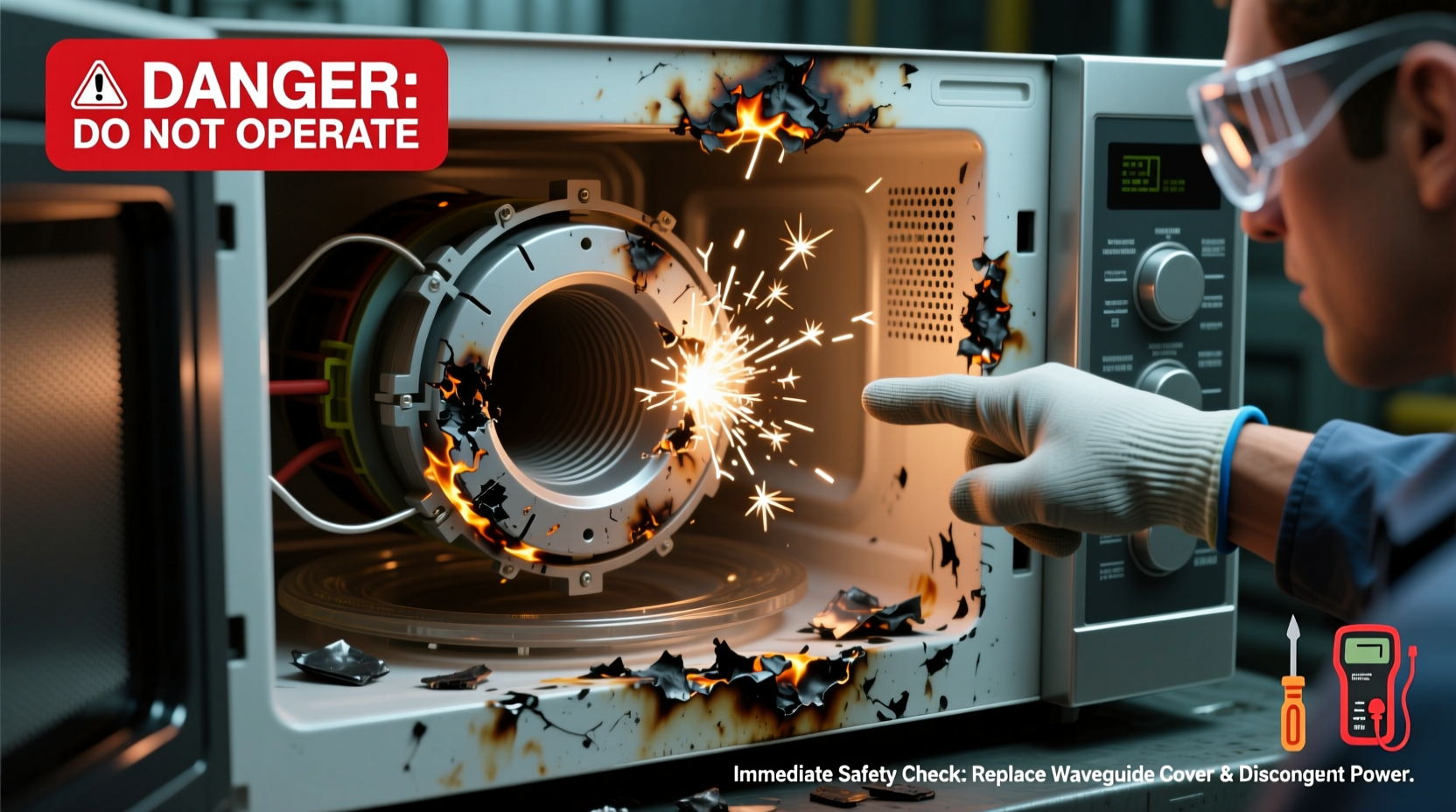
Microwaves heat food using electromagnetic waves that excite water molecules. These waves reflect off the metal interior walls, which are designed to contain and distribute energy evenly. However, when something disrupts this process—like damaged surfaces, foreign objects, or improper materials—arcing (sparking) can occur. Arcing happens when electrical currents jump between conductive points, much like lightning in a storm.
The most common causes include:
- Metal objects inside the cavity: Forks, aluminum foil, twist ties, or containers with metallic trim can create hotspots and cause sparks.
- Damaged waveguide cover: This mica or plastic panel protects the opening where microwaves enter the cooking chamber. If it’s burned, warped, or coated in grease, it can absorb energy and spark.
- Chipped enamel or rust on interior walls: Exposed metal beneath the coating can act as an unintended conductor, leading to arcing.
- Food debris buildup: Grease, sauce splatters, or carbonized food particles can become conductive over time, especially if they bridge gaps between surfaces.
- Defective stirrer fan (in some models): If the fan that distributes microwaves isn’t working, energy may concentrate in one area, increasing spark risk.
Immediate Steps to Take When Your Microwave Sparks
If you see sparks while your microwave is running, act quickly but calmly. Do not ignore it—even brief episodes can degrade components over time.
- Stop the microwave immediately. Press “Stop” or open the door to cut power.
- Unplug the unit. Disconnect it from the outlet to eliminate any electrical risk during inspection.
- Let it cool down. Wait at least 15–20 minutes before inspecting the interior.
- Inspect for obvious culprits: Look for metal objects, foil, or damaged dishes.
- Check the waveguide cover. Located on the right side wall or ceiling of most microwaves, this rectangular panel should be clean and intact.
- Smell for burning. A strong odor could indicate melted components or wiring issues—do not restart if this is present.
If sparks occurred only once and no damage is visible, it may have been caused by a stray utensil or foil wrapper. But repeated or unexplained sparking requires deeper investigation.
How to Fix Common Sparking Issues Step-by-Step
Many sparking problems can be resolved at home without professional help. Follow this timeline to diagnose and repair the issue safely.
Step 1: Clean the Interior Thoroughly
Grease and food residue can carbonize and become conductive. Use a mild detergent and warm water with a non-abrasive sponge. Avoid steel wool or harsh scrubbers that can scratch the enamel.
Step 2: Inspect the Waveguide Cover
This thin panel, usually made of mica or plastic, allows microwaves to pass through while protecting the internal waveguide. Signs of damage include:
- Burn marks or dark spots
- Peeling layers or warping
- Greasiness that won’t wipe off
If damaged, replace it. Mica covers are inexpensive and model-specific—search online using your microwave’s make and model number. Replacement takes under 10 minutes: remove screws or clips, install the new cover, and reassemble.
Step 3: Check for Interior Damage
Run your hand gently along the walls and ceiling. If you feel rough patches, chips, or exposed metal, corrosion may be causing arcing. Small chips can sometimes be sealed with high-temperature epoxy rated for appliances, but widespread damage usually means replacement is safer.
Step 4: Remove Any Metal Objects
Double-check that no forgotten silverware, foil-lined packaging, or decorative mugs remain. Even gold-trimmed china can spark under microwave energy.
Step 5: Test After Repairs
Plug the microwave back in. Place a microwave-safe cup of water inside and run it for one minute. Watch closely. If no sparks appear, the issue was likely resolved. If sparking returns, stop use immediately.
| Issue | DIY Fixable? | Risk Level | Action Required |
|---|---|---|---|
| Metal object inside | Yes | Low | Remove object, restart |
| Dirty waveguide cover | Yes | Medium | Clean or replace |
| Cracked enamel or rust | Sometimes | High | Seal minor chips; replace if severe |
| Faulty magnetron or wiring | No | Very High | Call technician or replace unit |
| Sparking with no clear cause | No | High | Discontinue use, seek expert help |
“Microwave arcing is never normal. Even small sparks can lead to component failure or fire. Address the root cause immediately.” — Dr. Alan Reyes, Appliance Safety Engineer, National Home Safety Institute
When to Replace Your Microwave Instead of Repairing It
While some fixes are simple, certain situations make replacement the smarter and safer choice:
- The microwave is over 8–10 years old. Efficiency declines, parts wear out, and modern units offer better safety features.
- Internal components show burn marks. This suggests deeper electrical issues beyond user-serviceable parts.
- The door seal is compromised. Cracks, warping, or loose latches can allow radiation leakage even if sparking stops.
- You’ve already replaced the waveguide twice. Recurring issues may point to magnetron instability or poor ventilation.
- Repairs cost more than 50% of a new unit. Basic countertop models start around $70; spending $100+ on repairs rarely makes sense.
In one documented case, a homeowner in Columbus, Ohio, noticed intermittent sparking in their 9-year-old microwave. They cleaned the interior and replaced the waveguide cover, but sparks returned within two weeks. A technician diagnosed a failing magnetron—a costly repair. Instead, the family invested in a new inverter microwave with improved safety sensors, reducing long-term risk and energy use. Their proactive decision prevented a potential kitchen fire.
Prevent Future Sparking: A Maintenance Checklist
Prevention is the best defense against microwave malfunctions. Use this checklist monthly to keep your appliance safe and efficient.
- ✅ Wipe down interior after heavy use or spills
- ✅ Inspect waveguide cover for discoloration or grease buildup
- ✅ Ensure no metal objects are stored near or inside the unit
- ✅ Clean the exterior vents with a soft brush or vacuum attachment
- ✅ Verify the door closes securely and seals tightly
- ✅ Run a steam clean (water + lemon juice) every few months to loosen grime
- ✅ Avoid using abrasive cleaners that damage protective coatings
Additionally, always use microwave-safe containers. Look for labels indicating “microwave safe” or “oven safe.” Glass, ceramic, and approved plastics are ideal. When in doubt, do a simple test: place the container next to a cup of water in the microwave and run for one minute. If the container stays cool and the water heats, it’s likely safe.
Frequently Asked Questions
Can a sparking microwave cause a fire?
Yes. Persistent arcing can ignite food debris, grease, or internal insulation. While modern microwaves have thermal cutoffs, these aren't foolproof. Immediate action reduces fire risk significantly.
Is it safe to continue using a microwave after it sparks once?
Only if the cause was clearly identified and resolved—such as removing a piece of foil—and no damage remains. If sparking happens again, discontinue use. One incident can weaken components, making future failures more likely.
Can I replace the waveguide cover myself?
Absolutely. Most manufacturers design them for user replacement. Purchase an exact match based on your model number (found inside the door or on the back). Installation typically involves 2–4 screws and takes less than 10 minutes with a screwdriver.
Conclusion: Act Now to Protect Your Kitchen and Family
Sparking in your microwave isn’t just inconvenient—it’s a warning sign. Whether caused by a forgotten fork or deteriorating internal parts, ignoring it risks fire, costly repairs, or exposure to electrical hazards. The steps to diagnose and resolve the issue are straightforward for many common cases, especially when caught early. Regular cleaning, proper use, and attentive maintenance go a long way in preventing problems before they start.
If you’ve experienced sparking, take action today. Unplug the unit, inspect it thoroughly, and follow the fixes outlined here. For unresolved or recurring issues, don’t hesitate to consult a qualified technician or upgrade to a newer, safer model. Your kitchen’s safety depends on it.




 浙公网安备
33010002000092号
浙公网安备
33010002000092号 浙B2-20120091-4
Comments
No comments yet. Why don't you start the discussion?