
The Monstera deliciosa, with its bold, tropical foliage and signature split leaves, has become a staple in modern indoor plant collections. Yet many owners find themselves asking: why is my monstera not splitting? The absence of fenestrations—those dramatic slits and holes in mature leaves—can be frustrating, especially when you've nurtured the plant for months or even years. The good news is that lack of splitting is rarely a sign of irreversible damage. Instead, it's typically a signal that environmental or developmental conditions aren’t yet optimal. Understanding the science behind fenestration and addressing key growth factors can transform your monstera from a solid-leaved houseplant into a lush, jungle-like specimen.
Understanding Fenestration: What It Is and Why It Matters
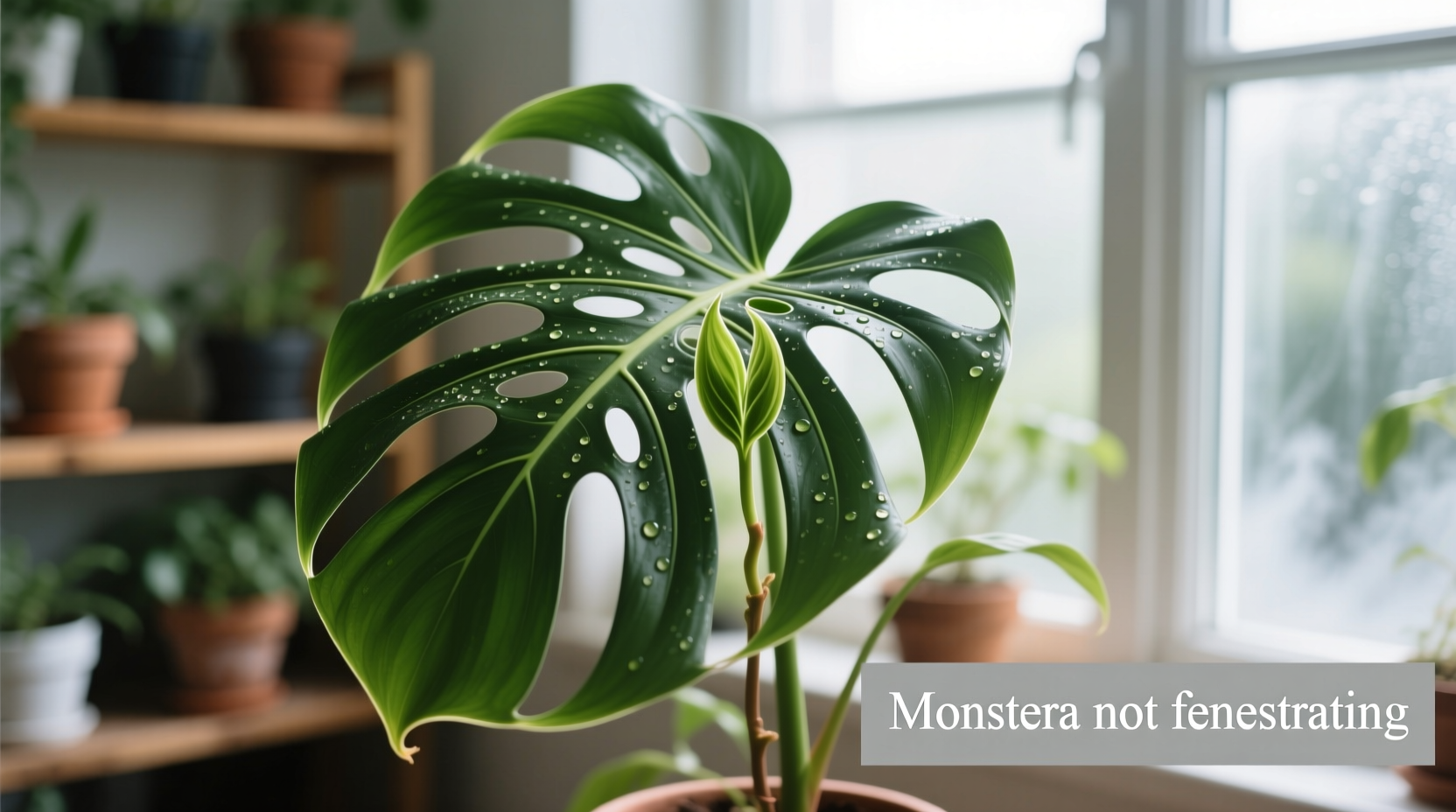
Fenestration refers to the natural process by which certain plants, including Monstera deliciosa, develop perforations and deep splits in their leaves as they mature. These openings are not random; they serve a biological purpose. In the wild, Monsteras grow beneath dense rainforest canopies where sunlight filters through in patches. Fenestrated leaves allow light to pass through to lower leaves, improving photosynthetic efficiency across the entire plant. Additionally, the splits help reduce wind resistance and prevent water accumulation during heavy rains.
Crucially, fenestration is a sign of maturity. Young monstera plants produce small, solid, heart-shaped leaves without any splits. This is entirely normal. As the plant ages and receives proper care, new leaves begin to show incisions along the edges and eventually develop full perforations. However, if your monstera remains in its juvenile phase despite adequate time, it’s likely responding to suboptimal growing conditions.
“Fenestration isn’t just aesthetic—it’s an evolutionary adaptation. When a monstera starts splitting, it’s telling you it feels secure enough in its environment to invest energy in structural complexity.” — Dr. Lila Nguyen, Botanist & Indoor Plant Physiologist
5 Key Reasons Your Monstera Isn’t Splitting
Several interrelated factors determine whether your monstera will develop fenestrations. Addressing these elements systematically increases the likelihood of mature leaf development.
1. Insufficient Light
Light is the most critical factor influencing fenestration. Monsteras require bright, indirect sunlight to trigger the hormonal signals needed for mature leaf formation. Low-light environments keep the plant in survival mode, prioritizing basic growth over advanced features like splits.
2. Immature Plant Age
If your monstera is less than 1–2 years old, it may simply not be ready to fenestrate. Juvenile plants focus energy on root and stem development before advancing to complex foliage. Patience is essential—rushing the process with fertilizers or pruning won’t accelerate maturity.
3. Poor Nutrient Availability
While monsteras aren’t heavy feeders, they do require consistent access to balanced nutrients, particularly nitrogen, potassium, and magnesium. A deficiency in any of these can stall developmental progression, including fenestration.
4. Inconsistent Watering Habits
Overwatering leads to root rot, which impairs nutrient uptake. Underwatering stresses the plant, forcing it into conservation mode. Both extremes inhibit the energy reserves needed for advanced leaf development. Monsteras thrive on a “soak and dry” cycle—allow the top 1–2 inches of soil to dry between waterings.
5. Lack of Support for Vertical Growth
In nature, Monsteras are climbers. They use aerial roots to ascend trees, reaching brighter light in the canopy. When grown in pots without support, they remain bushy and low, mimicking a shaded understory environment. Without vertical encouragement, the plant doesn’t receive the physiological cues to produce fenestrated leaves.
Step-by-Step Guide to Encourage Fenestration
Transforming your monstera into a fenestrating powerhouse requires intentional, consistent care. Follow this timeline-based approach to create ideal conditions for mature leaf development.
- Assess Plant Maturity (Week 1): Confirm your monstera is at least 12–18 months old. If younger, focus on foundational health rather than expecting splits.
- Optimize Lighting (Week 2): Relocate the plant to a bright, indirect light zone. Use a light meter app to ensure levels stay between 200–500 foot-candles. Rotate the pot weekly for even exposure.
- Add a Moss Pole or Trellis (Week 3): Install a sturdy moss pole or coir-covered stake. Gently tie the main stem and aerial roots to the support using soft plant ties. This mimics natural climbing behavior.
- Adjust Fertilization (Ongoing, Starting Week 4): Feed monthly during spring and summer with a balanced liquid fertilizer (e.g., 5-5-5 or 10-10-10). Reduce to every 6–8 weeks in fall and winter. Avoid over-fertilizing, which can cause salt buildup.
- Monitor Soil Moisture & Humidity (Ongoing): Use a moisture meter to guide watering. Maintain humidity above 50% using a humidifier or pebble tray. Dry air slows growth and discourages leaf complexity.
- Wait for New Growth (Month 3+): Fenestration appears on new leaves, not old ones. Track emerging foliage closely. The first signs may be small edge splits, progressing to full perforations over several growth cycles.
Do’s and Don’ts: Fenestration Best Practices
| Do’s | Don’ts |
|---|---|
| Provide bright, indirect light for 6–8 hours daily | Place in dim corners or far from windows |
| Use a moss pole to support upward growth | Let the plant sprawl horizontally long-term |
| Fertilize lightly during active growing season | Apply high-nitrogen lawn fertilizers |
| Maintain consistent watering and humidity | Allow soil to stay soggy or completely dry out |
| Be patient—fenestration takes time | Expect splits on young or newly propagated plants |
Real Example: From Solid Leaves to Full Fenestrations
Sarah, a plant enthusiast in Chicago, purchased a young monstera two years ago. For the first year, her plant produced only small, unsplit leaves despite regular watering. Concerned, she researched common issues and realized her apartment’s northern exposure provided insufficient light. She moved the plant to a sunnier spot near an east-facing window, added a coir pole, and began using a balanced fertilizer in spring. Within six months, the new growth showed slight notches along the leaf margins. By the end of the second growing season, her monstera displayed deeply fenestrated leaves up to 18 inches wide. “I thought I was doing everything right,” she said, “but it wasn’t until I addressed light and support that I saw real change.”
Tips for Long-Term Fenestration Success
- Prune Strategically: Remove yellowing or damaged leaves to redirect energy toward healthy, upward growth. Avoid cutting the topmost node unless necessary for shaping.
- Clean Leaves Regularly: Dust blocks light absorption. Wipe leaves gently with a damp cloth every 2–3 weeks to maximize photosynthesis.
- Repot Every 2–3 Years: Refresh soil and move to a slightly larger pot (1–2 inches wider) to prevent root binding, which restricts growth.
- Group Plants for Humidity: Cluster your monstera with other humidity-loving plants like ferns or pothos to create a microclimate.
Frequently Asked Questions
Can I make my monstera fenestrate faster?
You can’t force fenestration overnight, but you can accelerate it by optimizing light, support, and nutrition. Ensure your plant receives at least 6 hours of bright, indirect light daily, is trained vertically, and is fed appropriately during the growing season. Results typically appear within 3–6 months of correcting conditions.
Will older leaves start splitting if conditions improve?
No. Once a leaf unfurls, its structure is fixed. Fenestration only appears on new growth. Improving care encourages future leaves to develop splits, not alter existing ones.
My monstera is large but still no splits—what’s wrong?
Size doesn’t always equal maturity. Even large plants can remain in juvenile form if grown in low light or without vertical support. Evaluate lighting and consider adding a moss pole. Also, check for pests or root issues that might be limiting vitality.
Conclusion: Cultivate Patience and Consistency
A monstera without splits isn’t a failed plant—it’s a plant waiting for the right conditions to reveal its full potential. Fenestration is not merely decorative; it’s a milestone in your plant’s journey toward maturity. By providing adequate light, physical support, balanced nutrition, and stable moisture, you align your care routine with the plant’s natural biology. Remember, progress may be slow, but each new leaf offers clues about what your monstera needs. With attentive care, the day will come when you witness that first deep slit forming—a reward for patience and persistence.




 浙公网安备
33010002000092号
浙公网安备
33010002000092号 浙B2-20120091-4
Comments
No comments yet. Why don't you start the discussion?