
Moods shift. Everyone experiences ups and downs throughout the day, but when emotional fluctuations become frequent, intense, or seem to come out of nowhere, it’s natural to wonder: Why is my mood so unpredictable? While occasional mood swings are normal, persistent instability can affect relationships, work performance, and overall well-being. The good news? Mood unpredictability isn’t a life sentence. With awareness, tracking, and intentional habits, you can uncover patterns, identify triggers, and develop greater emotional resilience.
The human emotional system is complex—shaped by biology, environment, lifestyle, and psychology. Rather than dismissing mood shifts as “just stress” or “being sensitive,” understanding their roots empowers meaningful change. This article explores the science behind mood variability, offers tools for identifying personal triggers, and provides a step-by-step method for tracking and managing emotional patterns.
The Science Behind Mood Variability
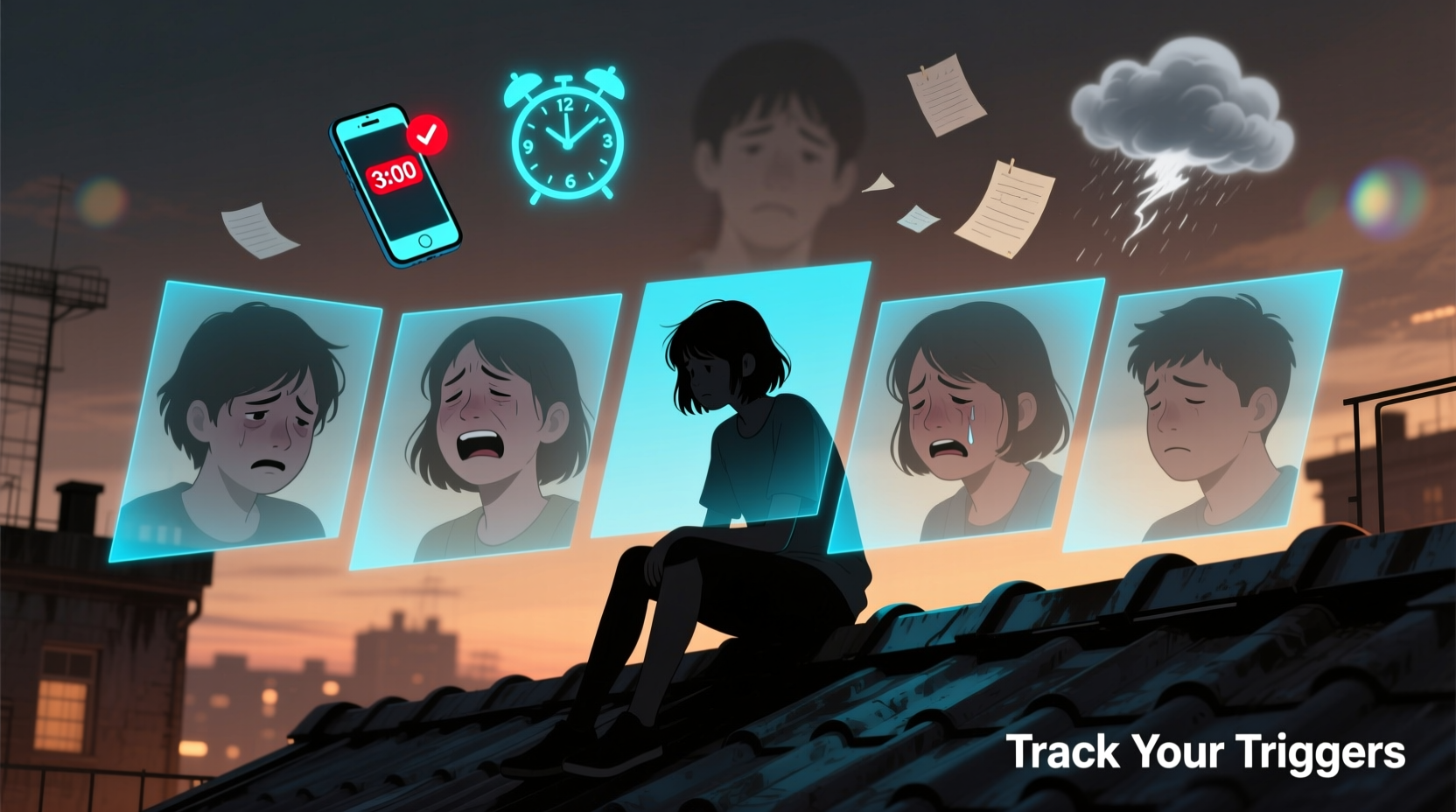
Mood changes are influenced by a dynamic interplay of neurotransmitters, hormones, circadian rhythms, and external stimuli. Serotonin, dopamine, norepinephrine, and cortisol all play roles in regulating how we feel from moment to moment. For example:
- Serotonin affects feelings of well-being and happiness; low levels are linked to irritability and depression.
- Dopamine drives motivation and pleasure; imbalances can lead to apathy or impulsivity.
- Cortisol, the stress hormone, spikes during pressure or perceived threats, often causing anxiety or agitation.
These chemicals don’t operate in isolation. They respond to sleep quality, diet, physical activity, social interactions, and even light exposure. A poor night’s sleep, for instance, can reduce serotonin production and increase cortisol, setting the stage for emotional volatility the next day.
“Mood is not random—it's information. Every shift reflects an internal or external input that your nervous system is responding to.” — Dr. Lena Patel, Clinical Psychologist and Neuroaffective Specialist
Additionally, psychological factors such as unresolved trauma, chronic stress, or unmet emotional needs can amplify sensitivity to everyday events. What might seem like a minor frustration—a delayed text, a crowded commute—can trigger disproportionate emotional reactions when underlying stressors are already high.
Common Triggers of Unpredictable Moods
Triggers aren't always obvious. Some are immediate and tangible (like loud noises), while others build slowly over time (like emotional neglect at work). Identifying them requires reflection and consistency. Below are common categories of mood triggers:
| Category | Examples | Impact on Mood |
|---|---|---|
| Biological | Poor sleep, blood sugar drops, hormonal shifts (e.g., menstrual cycle, thyroid issues) | Fatigue, irritability, anxiety, low motivation |
| Environmental | Loud environments, clutter, weather changes, lack of sunlight | Overstimulation, sadness (especially in winter), restlessness |
| Social | Conflict with loved ones, feeling ignored, social media comparison | Hurt, anger, loneliness, envy |
| Cognitive | Negative self-talk, rumination, perfectionism | Anxiety, shame, hopelessness |
| Lifestyle | Sedentary behavior, caffeine overload, skipped meals | Energy crashes, jitteriness, emotional reactivity |
One challenge is that triggers often interact. For example, skipping breakfast (lifestyle) leads to low blood sugar (biological), which lowers frustration tolerance. Then, a critical comment from a coworker (social) sparks an outburst that feels disproportionate—but was primed by earlier factors.
A Step-by-Step Guide to Tracking Your Mood Triggers
Tracking isn’t about judgment—it’s about pattern recognition. Over time, a consistent log transforms vague feelings into actionable insights. Follow this five-step process to begin identifying what influences your emotional state.
- Choose a Tracking Method
Select a tool that fits your routine: a notebook, notes app, or mood-tracking app like Daylio, Bearable, or Moodfit. Consistency matters more than format. - Record Mood Twice Daily
Rate your mood on a scale from 1 to 10 each morning and evening. Add brief descriptors: “anxious,” “calm,” “drained,” “hopeful.” - Note Contextual Factors
For each entry, document:- Sleep duration and quality
- Meals (timing, content)
- Physical activity
- Stressful events or interactions
- Caffeine/alcohol intake
- Menstrual cycle phase (if applicable)
- Identify Patterns Weekly
Every Sunday, review your log. Look for recurring sequences. Do low moods follow late nights? Does irritability spike after coffee on an empty stomach? - Test Small Changes
Once you spot a potential trigger, adjust one variable at a time. For example, if fatigue consistently precedes low mood, try going to bed 30 minutes earlier for three nights and observe the effect.
Sample Tracking Entry
Date: May 15 | Time: 7:00 PM
Mood: 3/10 – Frustrated, overwhelmed
Context:
- Slept 5.5 hours last night
- Skipped lunch, had two coffees
- Received critical feedback in team meeting
- No exercise today
- Rainy day, stayed indoors
After several weeks, entries like this reveal trends: poor sleep + skipped meals + social stress = higher likelihood of emotional distress.
Real-Life Example: How Sarah Gained Control
Sarah, a 32-year-old project manager, felt confused by her sudden irritability and tearfulness. One day she’d feel confident and energized; the next, she’d snap at her partner over small things and cry during meetings. She assumed it was burnout—until she started tracking.
After four weeks of logging, a clear pattern emerged: her lowest moods occurred between days 21 and 25 of her menstrual cycle. During this phase, she also reported lower energy, increased caffeine intake, and disrupted sleep. Further research led her to learn about luteal phase dysphoric disorder (PMDD), a condition affecting up to 5% of menstruating people.
Armed with this insight, Sarah adjusted her schedule during vulnerable weeks—blocking time for rest, reducing caffeine, and communicating her needs proactively. She also consulted her doctor, who recommended dietary supplements and cognitive behavioral strategies. Within two months, her emotional volatility decreased significantly.
Sarah’s story illustrates a crucial point: unpredictability often masks unrecognized patterns. Tracking turned confusion into clarity—and action.
Action Plan: Building Emotional Awareness
Understanding mood triggers is only the first step. Lasting stability comes from integrating awareness into daily life. Use this checklist to build sustainable emotional regulation habits:
- ✅ Track mood and context daily for at least 21 days
- ✅ Identify your top 3 personal triggers
- ✅ Adjust one lifestyle factor (e.g., sleep, hydration, screen time) linked to mood dips
- ✅ Practice a 5-minute mindfulness or breathing exercise when emotions spike
- ✅ Share findings with a trusted friend or therapist for accountability
Additionally, consider these long-term strategies:
- Create buffer zones: If you know mornings are tough, avoid scheduling difficult conversations early in the day.
- Optimize your environment: Reduce noise, add natural light, or use calming scents to support emotional regulation.
- Establish micro-routines: A 10-minute walk after lunch or a gratitude journal before bed can anchor your day.
Frequently Asked Questions
Can mood swings be a sign of a mental health condition?
Occasional mood shifts are normal. However, if your moods change rapidly, intensely, and interfere with functioning, it could indicate conditions like bipolar disorder, borderline personality disorder, or PMDD. Consult a licensed mental health professional for evaluation if patterns persist despite lifestyle adjustments.
How long should I track my moods before seeing patterns?
Most people begin noticing trends within 2–3 weeks. For those with monthly cycles (e.g., hormonal fluctuations), tracking across two full cycles (about 6 weeks) provides more accurate data. Patience and consistency are key—don’t expect immediate answers.
What if I can’t find any clear triggers?
Some triggers are subtle or cumulative. Stress, for example, builds gradually. Consider working with a therapist who can help uncover unconscious patterns or past experiences influencing your emotional responses. Sometimes, the root isn’t a single event but a combination of unmet needs over time.
Conclusion: Take Charge of Your Emotional Landscape
Unpredictable moods don’t have to control your life. By approaching your emotions with curiosity rather than criticism, you transform confusion into clarity. The act of tracking is itself a form of self-respect—it says, “My feelings matter, and I’m willing to understand them.”
You don’t need to eliminate mood changes—nor should you. Emotions are meant to fluctuate. But when shifts feel chaotic or disruptive, it’s a signal to look deeper. Whether it’s a biological rhythm, a lifestyle habit, or an unmet emotional need, the power lies in awareness.
Start today. Open your notes app, grab a journal, or download a tracker. Commit to just one week of honest observation. You might be surprised by what you discover—not just about your triggers, but about yourself.




 浙公网安备
33010002000092号
浙公网安备
33010002000092号 浙B2-20120091-4
Comments
No comments yet. Why don't you start the discussion?