
Chronic nasal congestion affects millions of people worldwide. Whether it’s a persistent stuffy nose upon waking, difficulty breathing through your nostrils during the day, or disrupted sleep due to blocked airways, ongoing congestion can significantly impact quality of life. While occasional stuffiness from a cold is normal, constant blockage suggests an underlying issue. Understanding the root causes—and knowing which remedies actually work—can help you regain clear breathing and improve daily comfort.
Common Causes of Chronic Nasal Congestion
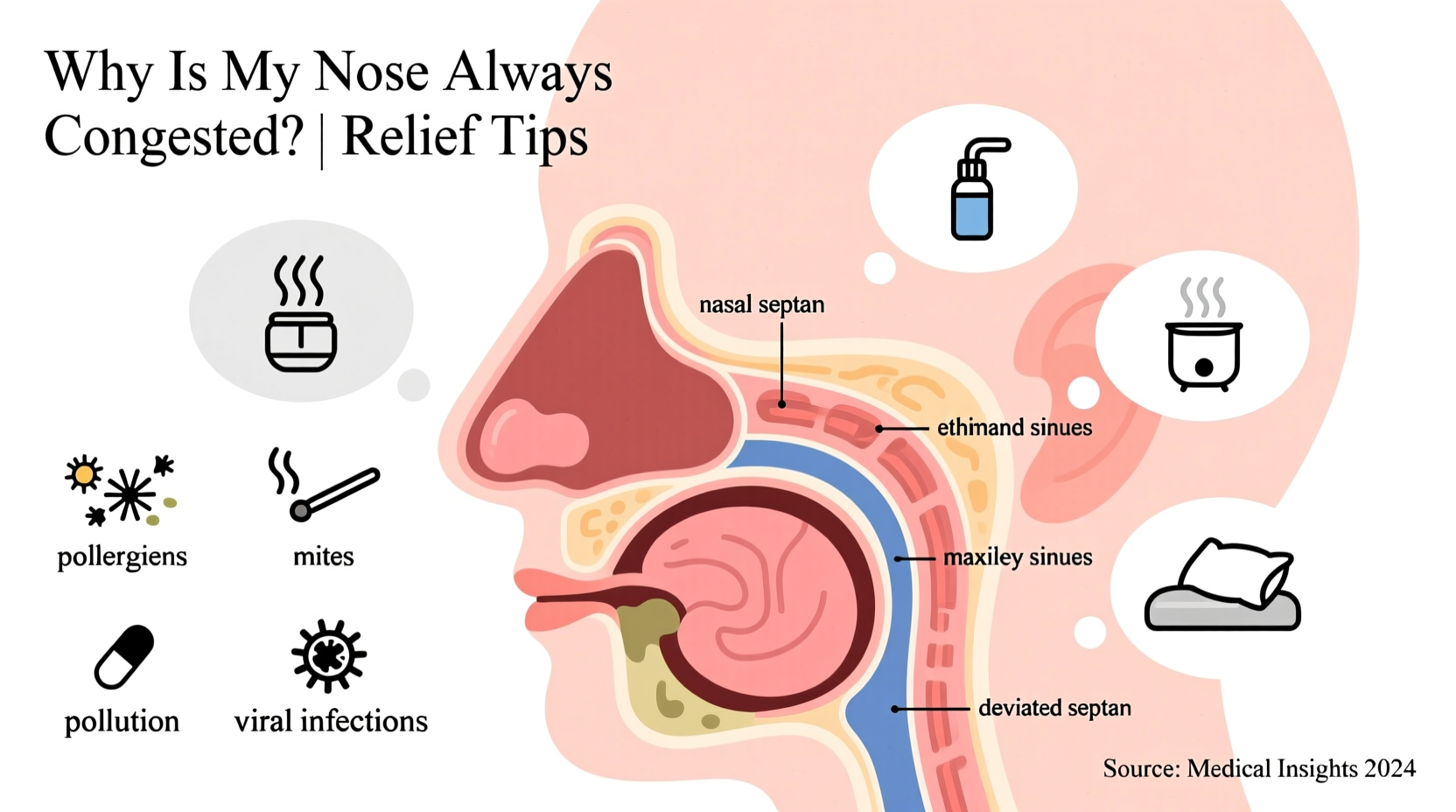
Nasal congestion occurs when the tissues lining the nasal passages become swollen due to inflamed blood vessels. This swelling restricts airflow and leads to that familiar “stuffy” sensation. Several factors can contribute to long-term congestion:
- Allergies (Allergic Rhinitis): Pollen, dust mites, pet dander, and mold are frequent triggers. The immune system overreacts, releasing histamines that cause inflammation and mucus production.
- Non-Allergic Rhinitis: Similar symptoms without an allergic trigger. Often caused by irritants like smoke, strong odors, weather changes, or certain medications.
- Sinus Infections (Sinusitis): Bacterial or viral infections in the sinus cavities lead to thick mucus, facial pressure, and prolonged congestion lasting more than 10 days.
- Nasal Polyps: Soft, noncancerous growths in the nasal passages or sinuses that obstruct airflow. Often linked with asthma or chronic inflammation.
- Deviated Septum: A crooked or displaced nasal septum—one side narrower than the other—can physically block one or both nostrils.
- Medication Side Effects: Some blood pressure drugs, antidepressants, and overuse of nasal decongestant sprays can worsen congestion.
- Hormonal Changes: Pregnancy, menstruation, or thyroid disorders may increase nasal swelling due to fluid retention and vascular changes.
Effective Relief Strategies for Daily Comfort
Treating nasal congestion begins with identifying its cause. However, several evidence-based strategies offer relief regardless of origin:
- Use a Saline Nasal Rinse: Regular irrigation with saline solution flushes out allergens, thins mucus, and reduces inflammation. A neti pot or squeeze bottle can be used once or twice daily.
- Run a Humidifier: Dry indoor air aggravates nasal membranes. Adding moisture—especially at night—helps keep passages lubricated and less irritated.
- Elevate Your Head While Sleeping: Gravity helps reduce swelling in nasal tissues. Use an extra pillow to prevent mucus pooling in the sinuses.
- Avoid Known Irritants: Smoke, perfumes, cleaning chemicals, and air pollution can trigger non-allergic rhinitis. Improve indoor air quality with HEPA filters.
- Stay Hydrated: Drinking plenty of water keeps mucus thin and easier to drain, reducing pressure and blockage.
When Medications Can Help
Over-the-counter and prescription treatments vary depending on the cause:
| Medication Type | Purpose | Best For | Cautions |
|---|---|---|---|
| Antihistamines (e.g., loratadine, cetirizine) | Block histamine release from allergens | Allergic rhinitis, seasonal allergies | May cause drowsiness (especially older types like diphenhydramine) |
| Nasal Corticosteroid Sprays (e.g., fluticasone, mometasone) | Reduce inflammation in nasal passages | Chronic allergies, polyps, non-allergic rhinitis | Take days to weeks to reach full effect; safe for long-term use |
| Decongestants (oral or spray) | Shrink swollen nasal tissues | Short-term relief (colds, acute sinus pressure) | Do not use nasal sprays longer than 3 days—risk of rebound congestion |
| Leukotriene Inhibitors (e.g., montelukast) | Target inflammatory chemicals involved in allergy responses | Allergies and asthma-related congestion | Requires prescription; monitor mood changes as rare side effects |
“Nasal steroid sprays are among the most effective long-term solutions for chronic congestion, especially when allergies are involved.” — Dr. Lena Patel, Board-Certified Otolaryngologist
Step-by-Step Guide to Clearing Nasal Passages Naturally
If you prefer drug-free approaches, follow this simple daily routine to support nasal health:
- Morning: Start with a saline rinse. Use lukewarm distilled or sterilized water mixed with salt and baking soda. Tilt your head and pour through one nostril, allowing it to exit the other. Repeat on both sides.
- Midday: Stay hydrated and avoid triggers. Drink herbal teas or warm water with lemon. Steer clear of smoky environments or scented products if sensitive.
- Evening: Use steam inhalation. Boil water, pour into a bowl, lean over it with a towel over your head, and breathe deeply for 5–10 minutes. Add a few drops of eucalyptus oil for enhanced effect.
- Before Bed: Run a humidifier and elevate your head. Keep the bedroom cool and clean to minimize allergens.
- Weekly: Clean nasal devices thoroughly. Neti pots and humidifiers should be disassembled, rinsed, and dried regularly to prevent bacterial or mold growth.
Real-Life Example: Sarah’s Journey to Better Breathing
Sarah, a 34-year-old teacher, struggled with year-round congestion for over five years. She assumed it was just “her thing” until she began experiencing fatigue and headaches. After tracking her symptoms, she noticed flare-ups coincided with cleaning her home using bleach-based products and spending time in dusty classrooms.
She consulted an allergist who diagnosed her with non-allergic rhinitis triggered by chemical irritants and mild dust sensitivity. Her treatment plan included switching to fragrance-free cleaners, using a saline spray three times a week, installing an air purifier at work and home, and starting a daily fluticasone nasal spray.
Within six weeks, Sarah reported significant improvement. She no longer woke up with a dry, stuffy nose and could finally exercise without shortness of breath. Her case highlights how environmental adjustments combined with targeted therapy can resolve even long-standing congestion.
Checklist: What You Can Do Today to Reduce Congestion
Implement these practical steps immediately:
- ✅ Replace old pillows and wash bedding weekly in hot water to reduce dust mites
- ✅ Discard any nasal decongestant spray you’ve used for more than 3 days
- ✅ Purchase a saline rinse kit and try it tonight
- ✅ Identify and eliminate strong fragrances or aerosols in your home
- ✅ Schedule an appointment with an ENT if symptoms persist beyond 3 weeks
Frequently Asked Questions
Can dehydration make my nose more congested?
Yes. When you're dehydrated, mucus becomes thicker and stickier, making it harder to drain from the sinuses. This increases the sensation of blockage and can promote infection. Drinking adequate fluids—especially warm liquids like broth or tea—helps loosen congestion naturally.
Is it possible to be allergic to my own home?
In a way, yes. Indoor allergens such as dust mites, pet dander, mold, and cockroach particles accumulate over time, especially in poorly ventilated spaces. These can trigger allergic reactions leading to chronic nasal symptoms. Regular cleaning, vacuuming with a HEPA filter, and controlling humidity below 50% can dramatically reduce exposure.
Why does my nose get stuffier at night?
Lying flat increases blood flow to the nasal area, causing tissues to swell. Additionally, indoor allergens like dust on pillows or dry air from heating systems can worsen nighttime congestion. Elevating your head and using a humidifier often provide immediate relief.
Take Control of Your Breathing Starting Now
Living with a constantly congested nose doesn’t have to be your normal. Whether your symptoms stem from allergies, structural issues, or environmental triggers, effective solutions exist. By combining lifestyle adjustments, proper hydration, targeted treatments, and professional guidance when needed, you can restore comfortable breathing and improve your overall well-being.




 浙公网安备
33010002000092号
浙公网安备
33010002000092号 浙B2-20120091-4
Comments
No comments yet. Why don't you start the discussion?