
Facial redness concentrated on the nose and cheeks is a common concern affecting millions of people worldwide. While occasional flushing after exercise or emotional stress is normal, persistent redness in these areas often signals an underlying skin condition or environmental trigger. Left unmanaged, chronic redness can progress to visible blood vessels, acne-like breakouts, or even skin thickening. Understanding the root causes—ranging from genetics to skincare habits—is essential for developing an effective treatment strategy. This guide explores the most frequent reasons behind facial redness and provides practical, dermatologist-backed solutions.
Common Causes of Persistent Redness on Nose and Cheeks
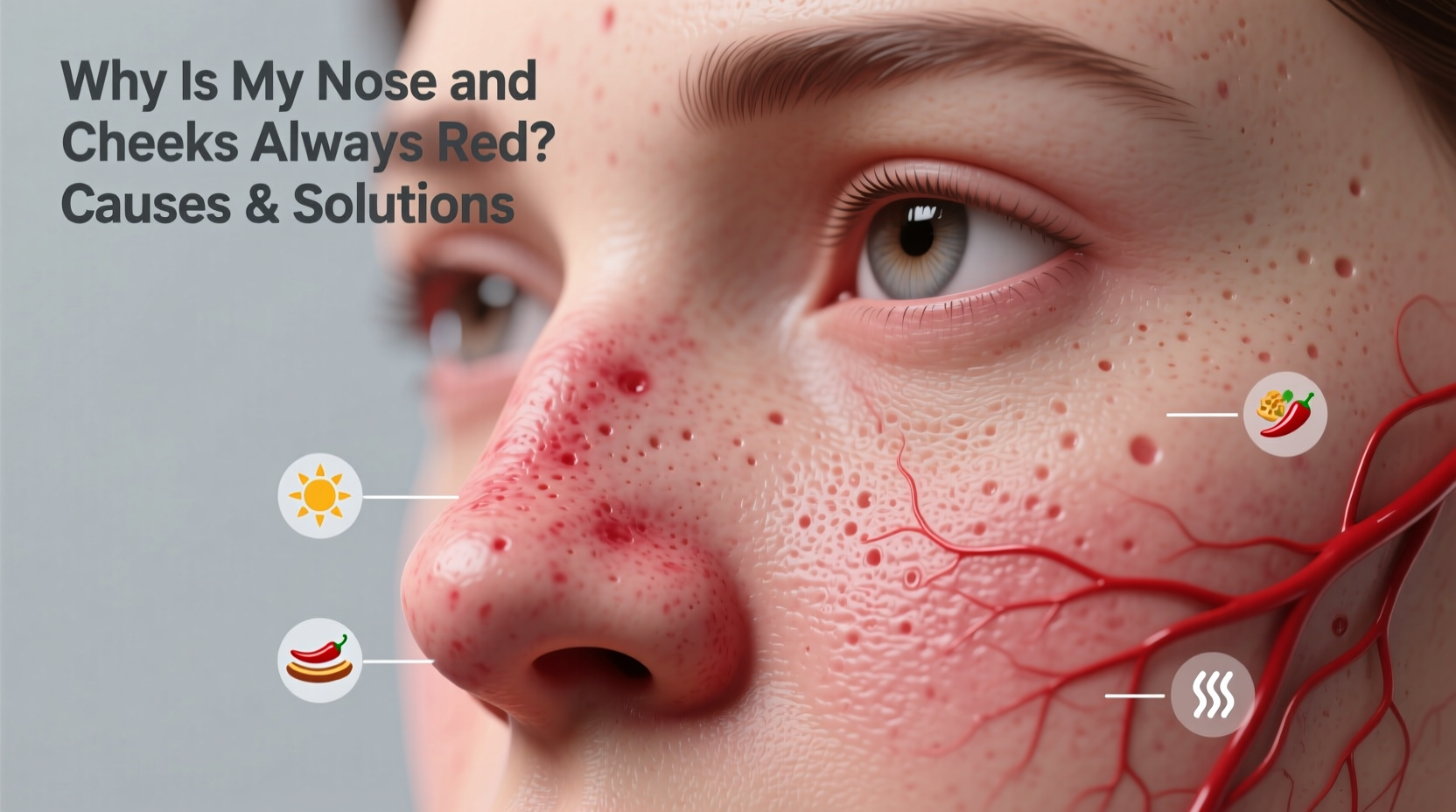
The face, especially the central region including the nose and cheeks, is highly vascular and sensitive. Several conditions can lead to chronic redness in this area:
- Rosacea: A chronic inflammatory disorder affecting up to 10% of adults, rosacea typically begins with frequent blushing and progresses to persistent redness, visible capillaries, and sometimes pimples that resemble acne.
- Seborrheic Dermatitis: Often mistaken for rosacea, this condition causes red, scaly patches and flaking, particularly around the nose creases and eyebrows, due to yeast overgrowth and inflammation.
- Atopic Dermatitis (Eczema): In individuals with sensitive skin, eczema can flare on the cheeks, leading to dryness, itching, and redness.
- Environmental Irritants: Cold weather, wind, UV exposure, pollution, and indoor heating strip the skin’s natural barrier, triggering reactive redness.
- Skincare Product Reactions: Harsh ingredients like alcohol, fragrance, sulfates, or strong acids can inflame sensitive skin, especially when used excessively.
- Diet and Lifestyle Triggers: Spicy foods, alcohol, hot beverages, and stress can dilate blood vessels and provoke flushing.
“Persistent facial redness isn’t just cosmetic—it’s often a sign of compromised skin barrier function or low-grade inflammation.” — Dr. Lena Patel, Board-Certified Dermatologist
Solutions and Treatment Approaches
Effective management of facial redness requires a multi-pronged approach: identifying triggers, repairing the skin barrier, and using targeted treatments. The right strategy depends on the underlying cause, but many solutions overlap across conditions.
1. Gentle Skincare Routine
Switching to mild, non-irritating products is the first step. Avoid foaming cleansers and toners with alcohol. Instead, use cream-based cleansers and lukewarm water.
2. Barrier Repair Moisturizers
Look for moisturizers containing ceramides, niacinamide, glycerin, and squalane. These ingredients strengthen the skin’s lipid layer, reducing sensitivity and preventing moisture loss.
3. Sun Protection Daily
UV radiation is a major trigger for both rosacea and general facial redness. Use a mineral sunscreen with zinc oxide or titanium dioxide every morning—even on cloudy days.
4. Medical Treatments
For moderate to severe cases, prescription treatments may be necessary:
- Brimonidine gel (reduces redness temporarily)
- Ivermectin or metronidazole creams (for inflammatory rosacea)
- Oral antibiotics like doxycycline (anti-inflammatory dose)
- Laser therapy (to target visible blood vessels)
Do’s and Don’ts: Managing Facial Redness
| Do’s | Don’ts |
|---|---|
| Use fragrance-free, hypoallergenic skincare products | Use exfoliants like scrubs or high-strength AHAs/BHAs daily |
| Apply a humidifier in dry indoor environments | Expose skin to extreme temperatures (hot saunas, freezing winds) |
| Keep a symptom journal to track flare-ups | Pop or pick at red bumps—they aren’t typical acne |
| Wear wide-brimmed hats outdoors for sun protection | Consume large amounts of alcohol or spicy foods if they trigger flares |
| Consult a dermatologist for accurate diagnosis | Self-diagnose and use steroid creams without medical guidance |
Step-by-Step Guide to Calming Red Skin
Follow this 7-day reset plan to reduce inflammation and support skin recovery:
- Day 1–2: Simplify Your Routine – Strip back to only a gentle cleanser, soothing moisturizer, and mineral sunscreen. Eliminate serums, acids, and retinoids.
- Day 3: Identify Triggers – Review recent diet, stress levels, and product changes. Note any patterns linked to redness spikes.
- Day 4: Introduce Niacinamide – Add a 5% niacinamide serum once daily. It helps reduce redness and strengthens the skin barrier.
- Day 5: Cold Compress Therapy – Apply a clean, cool cloth to the face for 5 minutes morning and night to constrict blood vessels.
- Day 6: Hydrate Internally – Drink at least 2 liters of water and increase omega-3 intake (e.g., chia seeds, salmon) to combat inflammation.
- Day 7: Evaluate Progress – Assess whether redness has improved. If not, consider booking a dermatology appointment.
Real-Life Example: Managing Rosacea Flare-Ups
Sarah, a 34-year-old teacher from Colorado, struggled with recurring redness on her cheeks and nose for years. She initially thought it was acne and used harsh acne washes, which only worsened the irritation. After seeing a dermatologist, she was diagnosed with erythematotelangiectatic rosacea. Her treatment plan included switching to a fragrance-free routine, daily mineral sunscreen, and twice-weekly use of a niacinamide serum. She also identified red wine and spicy curries as dietary triggers. Within six weeks, her baseline redness decreased significantly, and she reported feeling more confident without heavy makeup.
Frequently Asked Questions
Can I wear makeup if my cheeks and nose are always red?
Yes, but choose non-comedogenic, mineral-based foundations and avoid full-coverage products that may clog pores or irritate sensitive skin. Green-tinted color correctors can neutralize redness before applying foundation.
Is facial redness permanent?
Not necessarily. With proper care, many people experience long-term improvement. However, conditions like rosacea are chronic and require ongoing management to prevent progression.
Are there natural remedies that help reduce redness?
Aloe vera, oat extract, and chamomile have anti-inflammatory properties and can soothe irritated skin. However, they should complement—not replace—medical treatments for persistent issues.
Prevention Checklist for Long-Term Skin Health
To maintain calm, balanced skin, follow this actionable checklist:
- ✅ Use a sulfate-free, non-foaming cleanser twice daily
- ✅ Apply a broad-spectrum SPF 30+ every morning
- ✅ Keep a log of foods, products, and activities that trigger redness
- ✅ Replace rough washcloths with soft cotton pads or hands for cleansing
- ✅ Invest in a humidifier during winter months
- ✅ Limit alcohol consumption and avoid overheated environments
- ✅ Schedule annual skin checks with a dermatologist
Final Thoughts and Next Steps
Chronic redness on the nose and cheeks is more than a cosmetic issue—it's a signal from your skin that something needs attention. Whether it's an inflammatory condition like rosacea or a reaction to lifestyle factors, the key to improvement lies in consistent, informed care. Start by simplifying your routine, eliminating known irritants, and protecting your skin from environmental stressors. If redness persists despite self-care, don’t hesitate to seek professional evaluation. Early intervention can prevent worsening symptoms and improve your quality of life.




 浙公网安备
33010002000092号
浙公网安备
33010002000092号 浙B2-20120091-4
Comments
No comments yet. Why don't you start the discussion?