
Feather plucking in parrots is one of the most common behavioral issues reported by bird owners, yet it remains widely misunderstood. When a parrot begins pulling out its own feathers—sometimes to the point of drawing blood—it’s not just a cosmetic concern. It’s a signal that something is wrong, often deeply so. While occasional preening is normal, persistent feather destruction indicates distress, whether physical, psychological, or environmental. Understanding the root causes and taking timely, informed action can mean the difference between a bird that heals and one that spirals into chronic self-harm.
Understanding Feather Plucking: More Than Just a Bad Habit
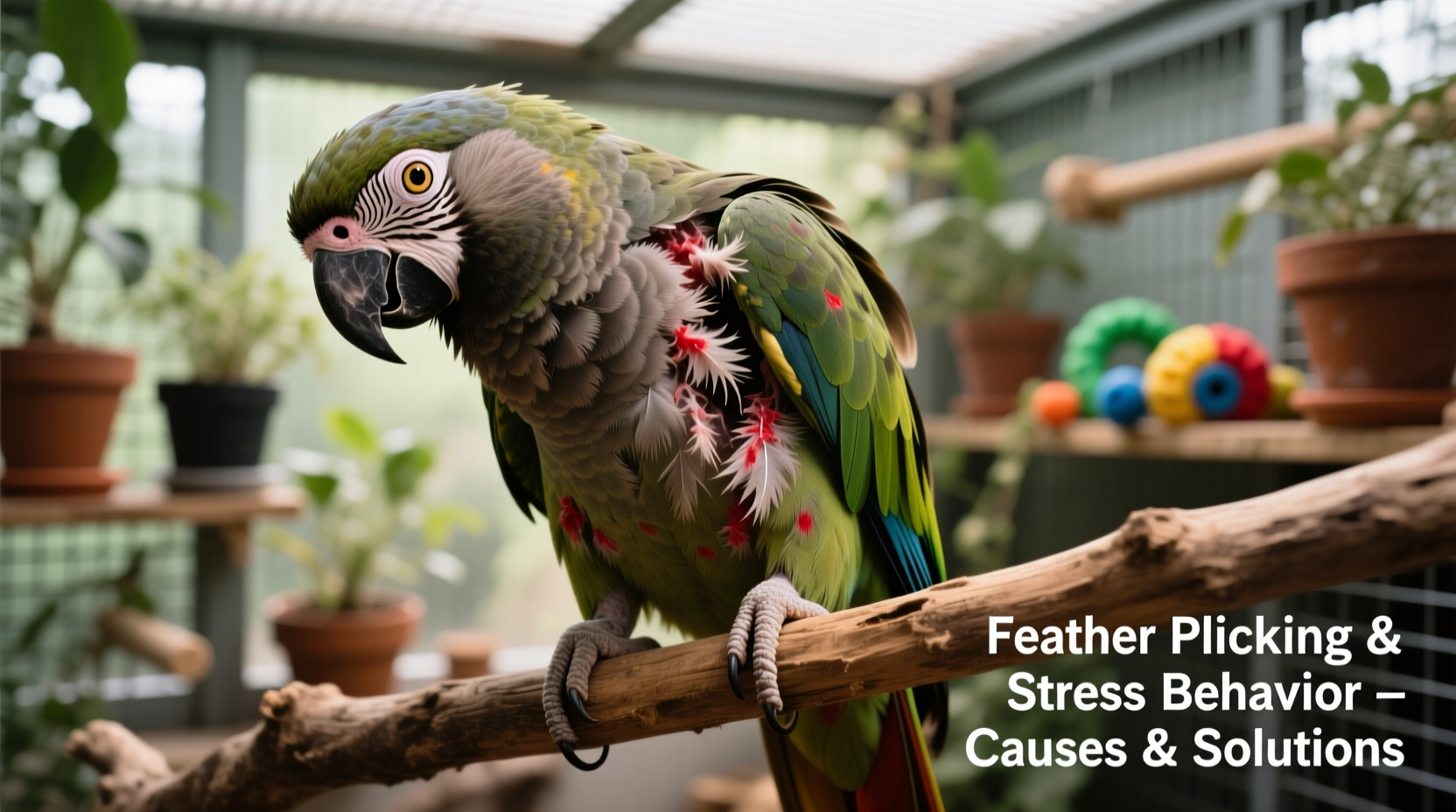
Feather plucking, also known as feather picking or self-mutilation, occurs when a bird removes, damages, or over-grooms its feathers beyond what’s necessary for hygiene. This behavior can affect any species of parrot—from cockatiels and lovebirds to African greys and macaws—but is especially prevalent in highly intelligent, social species that rely on stimulation and companionship.
The act itself varies in severity. Some birds nibble at their feathers without breaking the skin, while others chew down to bare patches, exposing raw flesh. In extreme cases, birds may even bite their own skin. Unlike molting, which follows a symmetrical pattern and involves shedding old feathers to make way for new ones, plucking is typically asymmetrical and focused on easily accessible areas like the chest, legs, or under the wings.
Medical Causes Behind Feather Plucking
Before addressing behavioral factors, it’s essential to eliminate underlying health problems. Many physical conditions mimic or trigger plucking behavior. A thorough veterinary examination, including blood work and skin tests, is critical.
Common medical causes include:
- Skin infections: Bacterial, fungal (e.g., candidiasis), or parasitic infestations such as mites can cause intense itching.
- Hormonal imbalances: Thyroid dysfunction or reproductive issues (especially in females) can lead to irritability and self-trauma.
- Allergies: Reactions to dust, cleaning products, aerosols, or certain foods may manifest as skin discomfort.
- Nutritional deficiencies: Diets high in seeds and low in vitamins A, D3, and calcium are linked to poor feather quality and skin irritation.
- Pain or internal disease: Liver disease, kidney failure, or nerve damage can cause discomfort that leads to focused picking.
“Over 50% of feather-plucking cases I see have an underlying medical component. Treating the behavior without diagnosing the cause is like putting a bandage on a broken bone.” — Dr. Laura Jenkins, Avian Veterinarian, Chicago Bird Clinic
Environmental and Psychological Triggers
Once medical issues are ruled out, attention must shift to the bird’s environment and emotional well-being. Parrots are sentient, emotionally complex animals with lifespans that can exceed 50 years. They require mental engagement, social interaction, and environmental stability to thrive.
Key stressors include:
- Lack of stimulation: A barren cage with no toys or challenges leads to boredom and obsessive behaviors.
- Inconsistent routines: Sudden changes in feeding times, sleep schedules, or household dynamics disrupt a bird’s sense of security.
- Social isolation: Parrots are flock animals. Being left alone for long hours without interaction breeds loneliness and anxiety.
- Excessive handling or trauma: Rough interactions, loud noises, or past abuse can leave lasting emotional scars.
- Overbonding to one person: When a bird sees its owner as its sole mate, separation—even brief—can trigger panic and self-soothing through plucking.
A real-life example illustrates this well: Luna, a 7-year-old green-cheeked conure, began plucking her chest feathers after her owner started working from home. At first, the increased attention seemed beneficial. But soon, the owner noticed Luna would frantically pick whenever she stepped away from her desk. The bird had become hyper-dependent, interpreting absence as abandonment. After establishing structured interaction periods and introducing independent play zones, Luna’s plucking decreased significantly within six weeks.
Step-by-Step Guide to Reducing Stress and Stopping Plucking
Reversing feather plucking requires patience and consistency. Here’s a proven five-step approach:
- Consult an avian veterinarian: Begin with a full diagnostic workup. Blood panels, fecal exams, and skin scrapings help identify hidden illnesses.
- Improve diet: Transition from seed-only diets to pelleted food supplemented with fresh vegetables, leafy greens, and limited fruit. Ensure access to clean water daily.
- Enrich the environment: Introduce at least three new toys every two weeks. Rotate them regularly to maintain novelty. Include foraging toys, shreddables, and puzzle feeders.
- Establish routine: Feed, interact, and cover the cage at consistent times each day. Parrots thrive on predictability.
- Encourage independence: Teach your bird to play alone using positive reinforcement. Start with short intervals and gradually increase duration.
Do’s and Don’ts of Managing Feather Plucking
| Do’s | Don’ts |
|---|---|
| Provide daily out-of-cage time in a safe, bird-proofed area | Leave your bird caged all day with no stimulation |
| Use positive reinforcement for calm, non-plucking behavior | Yell at or punish your bird for plucking—it increases anxiety |
| Offer foraging opportunities (e.g., hiding treats in paper rolls) | Give only pre-shelled nuts or easy-access food |
| Introduce companion birds only after careful assessment and quarantine | Assume another bird will automatically solve loneliness |
| Monitor progress with weekly photos and notes | Expect immediate results—behavior change takes months |
When Medication May Be Necessary
In severe cases where behavioral interventions aren’t enough, veterinarians may prescribe medications to manage anxiety or obsessive-compulsive tendencies. These include:
- SSRIs (e.g., fluoxetine): Used to reduce compulsive behaviors under close supervision.
- Antipsychotics (e.g., haloperidol): Reserved for extreme self-mutilation, usually short-term.
Medication should never be a standalone solution. It works best when paired with environmental enrichment and behavioral training. As Dr. Jenkins explains, “We use medication to lower the bird’s anxiety baseline so it can engage in learning new coping strategies. It’s a bridge, not a cure.”
Checklist: Creating a Low-Stress Environment for Your Parrot
Use this checklist to evaluate and improve your bird’s living conditions:
- ✅ Cage is at least 3x the bird’s wingspan in width and height
- ✅ Located in a family area but away from direct drafts, kitchens, or TVs
- ✅ Equipped with multiple perches of varying textures and diameters
- ✅ Stocked with at least 5 different types of toys (chewable, foraging, foot toys)
- ✅ Fed a balanced diet: 60–70% pellets, 20–30% fresh produce, 10% treats
- ✅ Given 2–4 hours of supervised out-of-cage time daily
- ✅ Maintained on a consistent light-dark cycle (10–12 hours of darkness)
- ✅ Protected from exposure to Teflon fumes, smoke, and strong scents
- ✅ Engaged in at least 30 minutes of direct interaction per day
- ✅ Monitored for signs of illness or distress (lethargy, appetite loss, vocal changes)
Frequently Asked Questions
Can feather plucking be reversed?
Yes, in many cases. If the underlying cause is identified and addressed early, feathers often regrow fully. However, chronic plucking can damage follicles permanently, leading to bald patches. The key is early intervention and sustained care.
Should I get my parrot a companion?
Not automatically. While some birds benefit from a partner, others become more stressed or aggressive. Introducing a second bird requires careful planning, quarantine, and monitoring. In many cases, improving human interaction and enrichment is safer and more effective.
Are collars helpful for stopping plucking?
Elizabethan collars are controversial. They prevent access to feathers but don’t address the root cause. Long-term use can interfere with preening, eating, and climbing, potentially worsening stress. They should only be used temporarily under veterinary guidance.
Conclusion: Healing Takes Time, But Hope Is Real
Feather plucking is not a life sentence. With compassion, consistency, and the right support, many parrots recover and go on to live enriched, healthy lives. The journey begins with understanding—not judgment. Your parrot isn’t misbehaving; it’s communicating distress in the only way it knows how. By listening through observation, partnering with professionals, and making thoughtful changes at home, you can restore both feathers and trust.




 浙公网安备
33010002000092号
浙公网安备
33010002000092号 浙B2-20120091-4
Comments
No comments yet. Why don't you start the discussion?