
Peace lilies are known for their lush green foliage and elegant white blooms, making them a favorite among indoor plant enthusiasts. They’re often praised for being low-maintenance and forgiving—yet even the most attentive plant owners can be puzzled when their peace lily begins to droop, especially after recent watering. Drooping leaves are a distress signal, not just a cosmetic issue. While dehydration is a common cause, it’s far from the only one. In fact, many gardeners make the mistake of assuming under-watering is the culprit and end up worsening the problem by overwatering.
The truth is, drooping in peace lilies despite watering can stem from several underlying issues, including root rot, poor drainage, temperature stress, or inadequate light. Understanding the real cause is essential to restoring your plant’s health. This guide breaks down the most frequent reasons behind drooping, backed by horticultural insights, and provides practical, step-by-step solutions to bring your peace lily back to life.
Overwatering and Root Rot: The Hidden Culprit
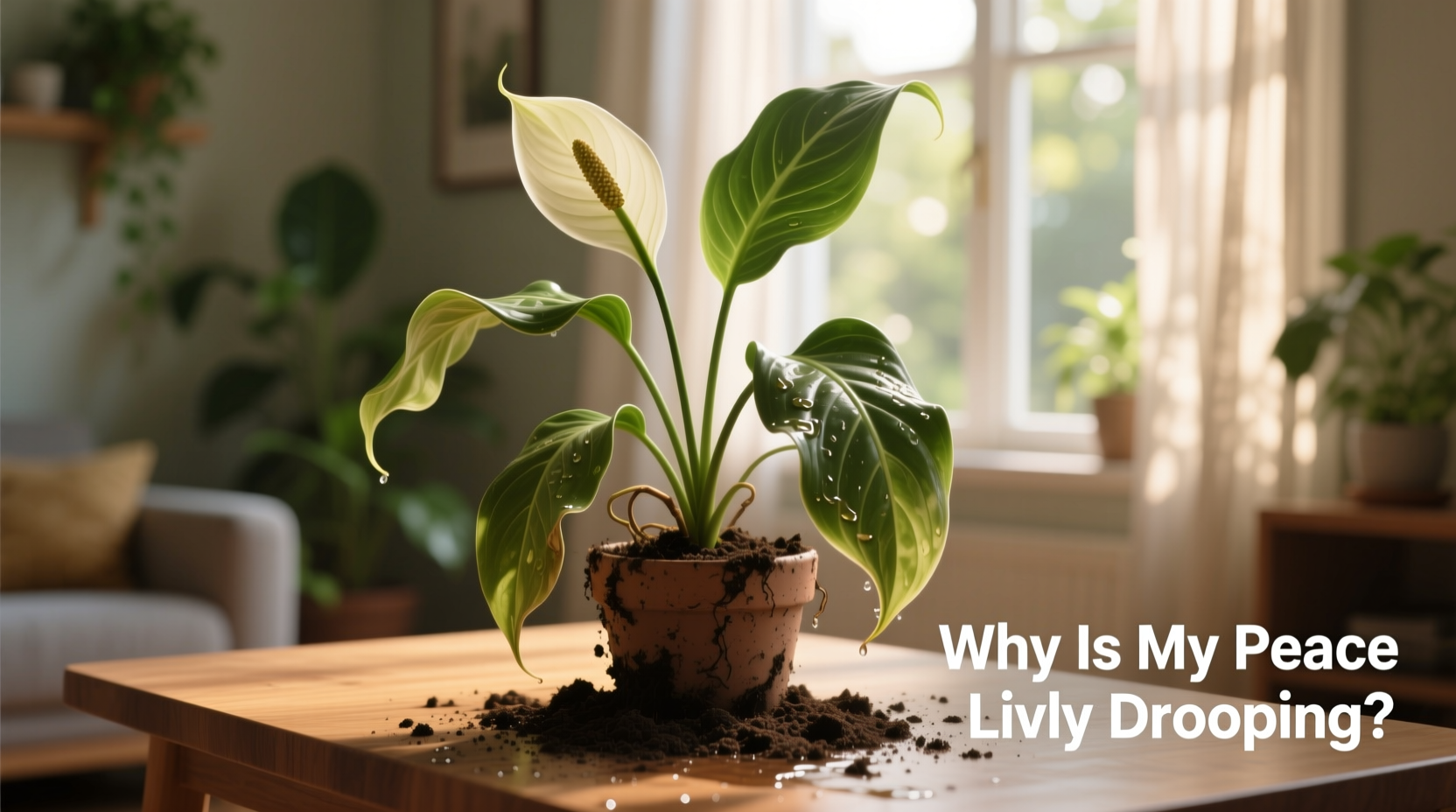
One of the most common yet overlooked reasons for a drooping peace lily—even after watering—is overwatering. It may seem counterintuitive, but giving your plant too much water prevents oxygen from reaching the roots. When soil stays saturated for extended periods, roots begin to suffocate and decay, leading to root rot. As roots die off, they lose their ability to absorb water and nutrients, causing the plant to wilt regardless of moisture levels.
Symptoms of overwatering include yellowing leaves, a musty smell from the soil, mushy stems, and dark, slimy roots upon inspection. If you’ve been watering on a strict schedule without checking soil moisture, this could easily be the issue. Peace lilies prefer slightly moist soil, not soggy conditions.
How to Fix Overwatering Damage
- Stop watering immediately. Let the soil dry out partially to restore oxygen flow.
- Inspect the roots. Gently remove the plant from its pot and examine the root system. Healthy roots are firm and white; rotted ones are brown, black, and soft.
- Trim damaged roots. Using sterilized scissors, cut away any dead or decaying roots.
- Repot in fresh, well-draining soil. Use a mix designed for tropical plants with perlite or orchid bark to improve aeration.
- Choose a pot with drainage holes. Ensure excess water can escape to prevent future saturation.
“Overwatering is the number one killer of peace lilies. These plants thrive on neglect more than constant care.” — Dr. Linda Harper, Urban Horticulturist at Green Canopy Research Institute
Poor Drainage and Soil Compaction
Even if you’re watering correctly, poor drainage can mimic the effects of overwatering. Many decorative pots lack drainage holes, trapping water at the bottom of the container. Over time, this leads to waterlogged soil and root stress. Similarly, old or compacted soil loses its structure, reducing air pockets and slowing drainage.
Soil compaction is especially common in older peace lilies that haven’t been repotted in years. As organic matter breaks down, the soil becomes dense and clay-like, preventing proper root respiration and water movement.
Signs Your Peace Lily Has Drainage Issues
- Water pools on the surface and takes hours to absorb.
- Soil feels wet days after watering.
- Leaves droop despite the soil feeling damp.
- Roots emerge from the top or bottom of the pot.
| Drainage Factor | Problem | Solution |
|---|---|---|
| No drainage holes | Water accumulates, roots drown | Repot into a container with holes or use a nursery pot inside a decorative one |
| Compacted soil | Reduced aeration and slow drying | Replace with a loose, peat-based mix containing perlite |
| Over-sized pot | Excess soil holds too much moisture | Downsize to a pot only 1–2 inches wider than the root ball |
Environmental Stress: Light, Temperature, and Humidity
Peace lilies are native to tropical rainforests, where they grow under a dense canopy with filtered light, high humidity, and stable temperatures. When placed in environments that deviate significantly from these conditions, they respond with stress symptoms—including drooping.
Insufficient light is a frequent issue. While peace lilies tolerate low light, prolonged exposure to dim areas weakens the plant, reducing its ability to photosynthesize and maintain turgor pressure in its leaves. On the other hand, direct sunlight can scorch leaves and increase transpiration, leading to rapid moisture loss and wilting.
Temperature fluctuations also play a role. Cold drafts from windows, air conditioners, or heaters can shock the plant. Sudden drops below 60°F (15°C) impair metabolic functions, while temperatures above 85°F (29°C) increase water demand beyond what roots can supply.
Optimal Environmental Conditions for Peace Lilies
- Light: Bright, indirect light (east or north-facing window ideal)
- Temperature: 65–80°F (18–27°C)
- Humidity: 50% or higher; mist leaves or use a humidifier if needed
Real-Life Case: Reviving a Neglected Office Peace Lily
Jamie, an office manager in Portland, noticed her team’s peace lily was consistently drooping despite weekly watering. The plant sat in a corner under fluorescent lights, rarely moved or checked. After ruling out underwatering, she consulted a local nursery expert who identified multiple issues: the pot had no drainage, the soil was rock-hard, and the room humidity hovered around 30% due to HVAC use.
Following a step-by-step recovery plan, Jamie repotted the plant in a perforated container with fresh, airy soil, relocated it near a window with sheer curtains, and began using a small humidifier nearby. Within three weeks, new upright leaves emerged, and the drooping ceased. “I assumed it just needed water,” she said. “But it was crying out for better air and moisture balance.”
Nutrient Imbalance and Fertilizer Misuse
Fertilizer is often seen as a quick fix for struggling plants, but peace lilies require very little feeding. Over-fertilizing can lead to salt buildup in the soil, which draws moisture away from roots through osmosis—a process called fertilizer burn. This results in dehydrated, drooping leaves even if the soil is wet.
On the flip side, long-term neglect without any nutrient replenishment can cause deficiencies, particularly in magnesium and nitrogen, weakening leaf structure and chlorophyll production. Pale, thin leaves that droop easily may indicate a lack of essential nutrients.
Best Fertilizing Practices
- Fertilize only during active growing season (spring to summer).
- Use a balanced, water-soluble fertilizer (e.g., 10-10-10) diluted to half strength.
- Apply every 6–8 weeks—never more frequently.
- Flush the soil with distilled or filtered water every few months to remove salt accumulation.
“Less is more with peace lily nutrition. One feeding per season is often enough.” — Carlos Mendez, Master Gardener and Houseplant Educator
Step-by-Step Recovery Plan for a Drooping Peace Lily
If your peace lily is drooping despite watering, follow this structured approach to diagnose and correct the issue:
- Assess the soil moisture. Stick your finger 2 inches deep. If wet, skip watering. If dry, proceed cautiously.
- Check for drainage. Examine the pot. If no holes exist, consider repotting.
- Inspect the roots. Gently remove the plant. Trim any mushy or blackened roots.
- Replace the soil. Use a well-aerated mix with peat moss, perlite, and pine bark.
- Evaluate lighting. Move to a bright, indirect spot—no direct sun.
- Adjust environment. Keep away from drafts, heaters, and AC vents. Maintain warmth and humidity.
- Hold off on fertilizer. Wait at least 4–6 weeks after repotting before feeding.
- Monitor daily. Look for signs of improvement: new leaf growth, firmer stems, reduced droop.
Prevention Checklist: Keep Your Peace Lily Thriving
Peace Lily Care Checklist:
- ✅ Water only when top inch of soil is dry
- ✅ Use pots with drainage holes
- ✅ Provide bright, indirect light
- ✅ Maintain humidity above 50%
- ✅ Keep temperatures between 65–80°F
- ✅ Repot every 18–24 months
- ✅ Fertilize lightly in spring/summer only
- ✅ Clean leaves monthly to support photosynthesis
Frequently Asked Questions
Can a drooping peace lily recover?
Yes, in most cases. If caught early and the root system isn’t entirely compromised, peace lilies respond well to corrective care. Recovery typically takes 1–3 weeks once the underlying issue is addressed.
Why do leaves droop after repotting?
This is normal and known as transplant shock. The plant needs time to adjust to new soil and root disturbance. Keep it in a stable environment with consistent moisture and indirect light. Avoid fertilizing for at least a month.
Should I cut off drooping leaves?
If a leaf is severely wilted and doesn’t perk up after environmental adjustments, it’s best to remove it. Use clean scissors to cut at the base. This redirects energy to healthy growth and improves appearance.
Conclusion: A Drooping Peace Lily Is a Solvable Problem
A drooping peace lily isn’t a lost cause—it’s a communication tool. By paying attention to its signals and understanding the balance between water, air, light, and environment, you can revive your plant and prevent future issues. The key is to move beyond assumptions and investigate the actual conditions affecting its roots and surroundings. With thoughtful care, your peace lily can regain its vibrant posture and continue gracing your space with its serene beauty.




 浙公网安备
33010002000092号
浙公网安备
33010002000092号 浙B2-20120091-4
Comments
No comments yet. Why don't you start the discussion?