
Seeing your peace lily droop shortly after watering can be deeply frustrating. You’ve done what you thought was right—given it water—and yet the leaves are limp, the stems sagging, and the plant looks on the verge of collapse. This common issue confuses many indoor gardeners, but the answer rarely lies in a single cause. Instead, drooping in peace lilies often results from a combination of environmental, watering, and root-related factors that go unnoticed until symptoms appear.
The peace lily (Spathiphyllum) is known for its lush green foliage and elegant white blooms, but it’s also famously sensitive to changes in its environment. While it's often labeled as a low-maintenance houseplant, its responsiveness to stress makes it more of a \"canary in the coal mine\" than a truly hands-off plant. Drooping after watering isn’t necessarily a sign of underwatering—it could mean the opposite: overwatering, poor drainage, root rot, or even temperature shock. Understanding the full picture is essential to restoring your plant’s health.
Understanding Peace Lily Physiology
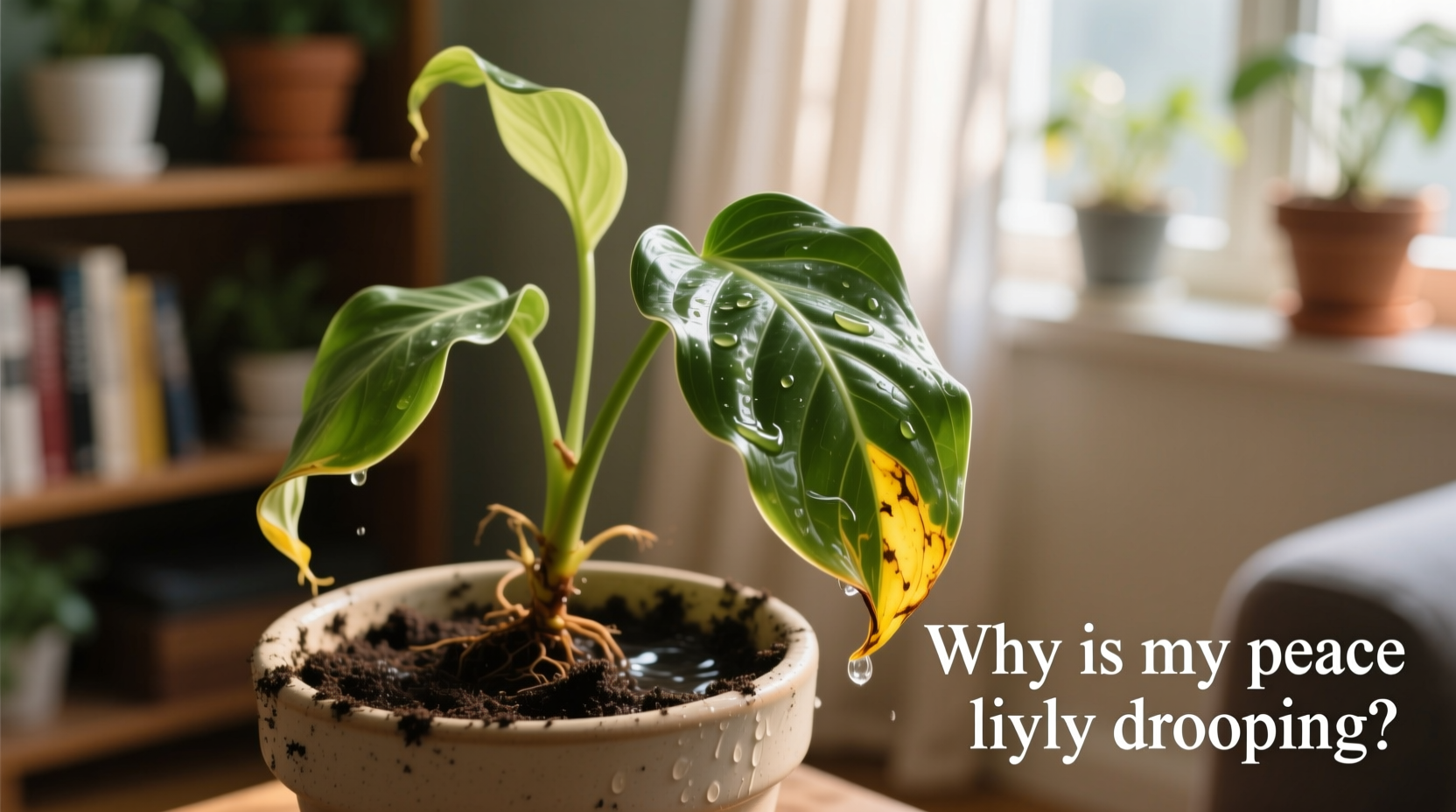
Peace lilies rely heavily on consistent moisture and humidity to maintain turgor pressure—the internal water pressure that keeps their cells firm and upright. When this pressure drops, the plant wilts. However, unlike some plants that droop only when dry, peace lilies will also droop when their roots are drowning or damaged. This dual response makes diagnosis tricky.
The roots absorb water and nutrients, transporting them through the stem to the leaves. If the roots are compromised—whether by rot, compaction, or oxygen deprivation—they cannot perform this function effectively, even if the soil is wet. In such cases, the plant behaves as though it’s thirsty, sending up distress signals through drooping foliage, despite ample moisture at the surface.
“Peace lilies don’t just respond to moisture levels—they react to root health, air quality, and microclimate stability. A drooping leaf is rarely about water alone.” — Dr. Lena Torres, Botanist & Indoor Plant Specialist
Common Causes of Drooping After Watering
Drooping after watering typically points to one of several underlying issues. Below are the most frequent culprits, each requiring a different corrective approach.
1. Overwatering and Root Rot
Overwatering is the leading cause of post-watering drooping. When soil remains saturated for too long, oxygen is displaced from the root zone. Roots begin to suffocate and decay, losing their ability to absorb water. The result? A plant that appears dehydrated despite wet soil.
Symptoms include:
- Drooping leaves within hours of watering
- Yellowing or browning of lower leaves
- Foul odor from the soil
- Mushy, dark brown or black roots upon inspection
2. Poor Drainage
Even if you water correctly, inadequate drainage can mimic overwatering. Pots without drainage holes, compacted soil, or saucers left filled with water trap moisture around the roots. This creates a stagnant environment conducive to fungal growth and root decay.
3. Temperature Stress
Peace lilies thrive in stable temperatures between 65°F and 80°F (18°C–27°C). Exposure to cold drafts, air conditioning vents, or sudden temperature drops—even overnight—can trigger rapid drooping. Cold stress impairs cellular function, reducing water uptake efficiency.
4. Low Humidity
Native to tropical understories, peace lilies require high humidity (ideally 50% or higher). Dry indoor air, especially in winter or air-conditioned spaces, causes excessive transpiration. The plant loses water faster than roots can replace it, leading to drooping—even in moist soil.
5. Pot Bound or Root Compaction
If your peace lily has outgrown its container, roots become tightly wound and compacted. This restricts both water absorption and airflow, creating a condition where water runs straight through the pot without being absorbed. The plant dries out quickly despite frequent watering.
Troubleshooting Checklist: What to Do Now
If your peace lily drooped after watering yesterday, follow this step-by-step checklist to diagnose and treat the issue:
- Check soil moisture depth: Insert your finger 2 inches into the soil. If it’s soggy, overwatering is likely. If dry, you may need to adjust watering frequency.
- Inspect the roots: Gently remove the plant from its pot. Healthy roots are firm and white; rotted roots are soft, slimy, and dark.
- Assess drainage: Confirm the pot has functional drainage holes. Avoid decorative pots without holes unless used as outer covers.
- Evaluate environmental conditions: Is the plant near a draft, heater, or AC vent? Move it to a stable, warm location away from airflow extremes.
- Test humidity levels: Use a hygrometer or observe nearby plants. Brown leaf tips often indicate dry air.
- Look for repotting signs: Roots circling the root ball or emerging from drainage holes suggest it’s time to upgrade the pot.
Step-by-Step Recovery Plan
Follow this timeline to revive a drooping peace lily:
| Day | Action | Purpose |
|---|---|---|
| Day 1 | Stop watering. Remove plant from pot. Trim rotted roots with sterilized scissors. | Halt further root decay and promote healing. |
| Day 2 | Repot in fresh, well-draining mix (e.g., peat, perlite, orchid bark). Use a pot with drainage. | Restore oxygen flow and nutrient access. |
| Day 3–7 | Place in bright, indirect light. Mist leaves daily or use a humidifier. | Boost humidity and reduce transpiration stress. |
| Day 8+ | Resume light watering only when top inch of soil is dry. Monitor recovery. | Prevent recurrence while supporting regrowth. |
Recovery can take 7–14 days. New growth or slight leaf perk-up indicates progress. Avoid fertilizing during this period, as it can stress weakened roots.
Do’s and Don’ts of Peace Lily Care
To prevent future drooping episodes, follow these guidelines:
| Do’s | Don’ts |
|---|---|
| Water when the top inch of soil feels dry. | Don’t water on a fixed schedule—adjust based on season and environment. |
| Use well-aerated, fast-draining potting mix. | Don’t use dense garden soil or compost-heavy mixes. |
| Provide bright, indirect light (north or east-facing window). | Don’t place in direct sunlight, which scorches leaves. |
| Maintain humidity above 50% with a tray or humidifier. | Don’t mist excessively if air circulation is poor—this encourages mold. |
| Repot every 1–2 years or when root-bound. | Don’t choose a pot more than 2 inches wider than the current one. |
Real Example: Maria’s Misdiagnosed Peace Lily
Maria, an apartment dweller in Chicago, noticed her peace lily drooping two hours after watering. Convinced it needed more water, she poured in extra—only to see the plant worsen by morning. She posted in a plant forum, where a member suggested checking for root rot.
Upon inspection, Maria found black, mushy roots and foul-smelling soil. She had been watering every three days, unaware that her ceramic pot lacked drainage and her AC unit created cold drafts. Following advice, she trimmed the roots, repotted in a plastic nursery pot with holes, and moved the plant to a warmer, more humid bathroom.
Within ten days, new leaves emerged. “I learned,” Maria said, “that watering isn’t just about adding moisture—it’s about balance.”
Frequently Asked Questions
Can a severely drooping peace lily recover?
Yes, most drooping peace lilies can recover if the root system still has healthy tissue. Immediate action—especially removing rotted roots and improving drainage—greatly increases survival chances. Even if all leaves die back, the rhizome may resprout given proper care.
Why does my peace lily droop at night?
Some drooping at night is normal due to natural circadian rhythms and reduced turgor pressure in low-light conditions. However, if the plant doesn’t perk up by mid-morning, investigate environmental or root issues. Persistent drooping isn’t part of the normal cycle.
Should I cut off drooping leaves?
If a leaf is yellowing, brown, or clearly dead, it should be removed at the base with clean scissors to redirect energy to healthy growth. However, do not cut green but drooping leaves—they may recover once the root issue is resolved.
Conclusion: Listen to Your Plant’s Signals
Your peace lily isn’t just drooping—it’s communicating. The fact that it wilted shortly after watering is a clear message that something is wrong beneath the surface. Whether it’s suffocating roots, cold stress, or poor soil structure, the solution lies in observation, adjustment, and patience.
By understanding that peace lilies respond to total ecosystem health—not just soil moisture—you gain the power to prevent future issues. Establish a routine that includes regular root checks, seasonal repotting, humidity monitoring, and mindful watering. These small habits transform a struggling plant into a thriving one.




 浙公网安备
33010002000092号
浙公网安备
33010002000092号 浙B2-20120091-4
Comments
No comments yet. Why don't you start the discussion?