
Peace lilies are celebrated for their lush green foliage and elegant white blooms, making them a favorite among indoor gardeners. But when your peace lily starts drooping—especially right after watering—it can be both confusing and concerning. You’ve given it water, so why isn’t it perking up? The truth is, drooping in peace lilies isn’t always about hydration. It’s often a symptom of deeper issues ranging from root health to environmental stress. Understanding the real causes behind this common problem is the first step toward reviving your plant and preventing future episodes.
Understanding the Peace Lily’s Natural Behavior
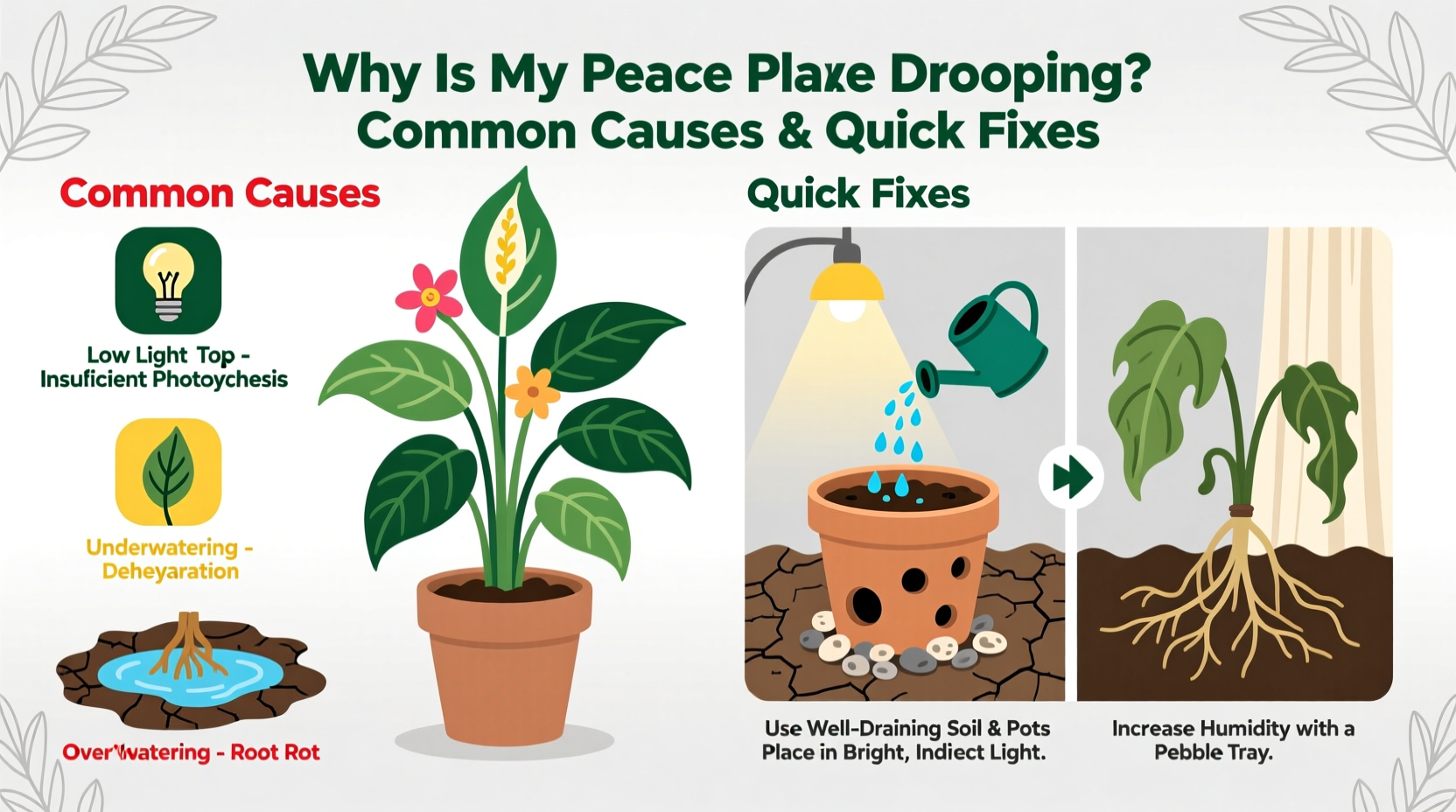
Before jumping to conclusions, it helps to know that peace lilies (Spathiphyllum) have a natural way of communicating their needs. Their leaves will visibly droop when under stress—this is an evolutionary survival mechanism. In their native tropical understory habitats, brief dry spells trigger leaf wilting as a way to reduce surface area and conserve moisture. Once rain returns, they quickly recover. This sensitivity makes them excellent indicators of plant distress, but it also means they react strongly to suboptimal conditions—even if recently watered.
However, unlike temporary wilting due to mild dehydration, persistent drooping after watering suggests something more serious is at play. It’s not just about how much water you give, but how the plant receives and uses it.
Common Causes of Drooping After Watering
When a peace lily droops despite being watered, the issue typically lies beneath the soil. Here are the most frequent culprits:
1. Overwatering and Root Rot
Overwatering is the leading cause of drooping in peace lilies. While they enjoy consistent moisture, soggy soil suffocates the roots, preventing oxygen uptake. Without oxygen, roots begin to rot, impairing their ability to absorb water and nutrients—even if the soil is wet. As root function declines, the plant cannot support its foliage, resulting in limp, drooping leaves.
2. Poor Drainage
A pot without adequate drainage traps water at the bottom, creating a swamp-like environment. Even if you water carefully, excess moisture accumulates and leads to root rot over time. Plastic pots, compacted soil, or saucers left full of water all contribute to poor drainage.
3. Compacted or Degraded Soil
Over time, potting mix breaks down and compacts, reducing aeration and water infiltration. Roots struggle to breathe and absorb water efficiently. Even with regular watering, the plant may appear thirsty because the roots can't access the moisture.
4. Temperature Stress
Peace lilies thrive in stable, warm environments (65–80°F). Exposure to cold drafts, air conditioning vents, or sudden temperature drops can shock the plant, causing immediate drooping. Similarly, hot, dry air from heaters dehydrates leaves faster than roots can replenish, leading to wilt.
5. Low Humidity
Native to humid rainforests, peace lilies suffer in dry indoor air—especially during winter. Low humidity increases transpiration, causing leaves to lose water faster than roots can supply it. The result? Drooping, even if the soil is moist.
6. Repotting Shock or Root Damage
If your peace lily was recently repotted, transported, or suffered root disturbance, it may enter a period of adjustment. Damaged or stressed roots temporarily lose absorption capacity, leading to drooping until new roots form.
7. Underlying Pests or Disease
While less common, pests like spider mites or fungal infections can weaken a plant’s vascular system. Infestations often go unnoticed until symptoms like yellowing, spotting, or drooping appear.
“Many people assume drooping equals thirst, but with peace lilies, overwatering is far more likely than underwatering—especially in indoor settings.” — Dr. Linda Chen, Horticulturist & Plant Physiologist
Step-by-Step Guide to Diagnose and Fix Drooping
Follow this systematic approach to identify and correct the issue:
- Stop watering immediately – If the soil is already wet, further watering will worsen the situation.
- Check for drainage – Ensure the pot has holes at the bottom. If not, consider repotting into a better container.
- Inspect the roots – Gently remove the plant from its pot. Healthy roots are firm and white; rotted roots are brown, mushy, and may smell foul.
- Trim damaged roots – Using sterilized scissors, cut away any soft or blackened roots. Remove up to one-third of the root mass if necessary.
- Repot in fresh, well-draining mix – Use a peat-based potting mix with perlite or orchid bark for aeration. A 2:1 ratio of potting soil to perlite works well.
- Allow soil to dry slightly between waterings – Wait until the top inch of soil feels dry before watering again.
- Increase humidity – Place the plant on a pebble tray with water or use a humidifier nearby. Grouping plants can also boost ambient moisture.
- Adjust location – Move the plant away from drafts, heaters, or direct sunlight. An east-facing window with indirect light is ideal.
- Monitor recovery – Give the plant 7–14 days to respond. New growth and firmer leaves indicate improvement.
Do’s and Don’ts: Caring for a Drooping Peace Lily
| Do’s | Don’ts |
|---|---|
| Check soil moisture with your finger before watering | Water on a fixed schedule regardless of soil condition |
| Use pots with drainage holes | Leave the plant sitting in a water-filled saucer |
| Mist leaves or use a humidifier to boost humidity | Place near heating vents or drafty windows |
| Repot every 1–2 years to refresh soil | Use heavy garden soil or clay-based mixes |
| Clean leaves gently with a damp cloth to aid photosynthesis | Expose to direct sunlight, which scorches leaves |
Real Example: Reviving a Neglected Office Peace Lily
Jamie, an office manager in Portland, noticed her conference room peace lily had been drooping for over a week. Staff had been watering it weekly, assuming it needed more moisture. Despite wet soil, the leaves sagged, and some turned yellow at the base. Concerned, she reached out to a local plant care consultant.
The consultant inspected the plant and found the pot lacked drainage holes and sat in a decorative sleeve filled with standing water. The soil was waterlogged, and upon removal, the roots were dark and slimy—clear signs of advanced root rot. The team repotted the plant into a terracotta container with proper drainage, trimmed the damaged roots, and switched to a lighter, aerated mix.
They placed the plant in a brighter but indirect light spot, stopped automatic watering, and introduced a small desktop humidifier. Within ten days, new upright leaves emerged, and the drooping ceased. Today, the peace lily thrives and blooms twice a year.
This case illustrates how even well-intentioned care—like routine watering—can backfire without attention to drainage and root health.
Quick Fixes Checklist
- ✅ Check soil moisture: Is it soggy or dry?
- ✅ Inspect pot drainage: Are there holes? Is water pooling?
- ✅ Feel the roots: Firm and white = healthy; soft and brown = rot
- ✅ Trim rotten roots and repot if necessary
- ✅ Move to a warm, draft-free area with bright, indirect light
- ✅ Boost humidity using a pebble tray or humidifier
- ✅ Hold off on fertilizing until the plant recovers
- ✅ Monitor daily for signs of improvement or decline
Frequently Asked Questions
Can a severely drooping peace lily recover?
Yes, most peace lilies can recover if the roots are not entirely destroyed. Even if all leaves collapse, the plant may regenerate from surviving rhizomes if given proper care. Patience is key—recovery can take 2–3 weeks.
How often should I water my peace lily?
Water when the top 1–2 inches of soil feel dry—typically every 7–10 days indoors. Frequency depends on light, temperature, and humidity. In low light, it may need water only every 2 weeks. Always err on the side of underwatering.
Should I cut off drooping leaves?
If a leaf is yellowing, brown, or clearly dead, remove it at the base with clean scissors to redirect energy to healthy growth. However, do not prune green, turgid leaves unless they’re beyond saving. The plant may still draw resources from them during recovery.
Preventing Future Drooping Episodes
Once your peace lily bounces back, maintaining consistent care prevents recurrence. Establish a simple routine:
- Water mindfully: Use the finger test instead of a calendar.
- Refresh soil annually: Prevent compaction and nutrient depletion.
- Monitor humidity: Keep levels above 50% if possible.
- Rotate the plant: Ensure even light exposure and balanced growth.
- Flush soil occasionally: Every few months, water thoroughly until water runs out the bottom to prevent salt buildup.
Consider investing in a moisture meter for precise readings, especially if you're unsure about soil conditions. These inexpensive tools eliminate guesswork and help maintain optimal root zone moisture.
Conclusion: Act Now, Save Your Plant
A drooping peace lily after watering isn’t a lost cause—it’s a call for attention. More often than not, the solution lies beneath the surface: in the roots, the soil, and the pot. By diagnosing the true cause—whether it’s root rot, poor drainage, or environmental stress—you can take targeted steps to restore your plant’s vitality. With prompt action and informed care, your peace lily can not only recover but flourish with glossy leaves and graceful blooms.




 浙公网安备
33010002000092号
浙公网安备
33010002000092号 浙B2-20120091-4
Comments
No comments yet. Why don't you start the discussion?