
Peace lilies are among the most forgiving houseplants, known for their lush green foliage and elegant white blooms. Yet, even these resilient plants can send distress signals—most commonly through drooping leaves. If you've watered your peace lily recently and it's still wilting, something deeper is at play. Overwatering, poor drainage, temperature stress, or root rot could be the culprits. Understanding the underlying causes and how to address them is essential to restoring your plant’s vitality.
Understanding Why Drooping Happens After Watering
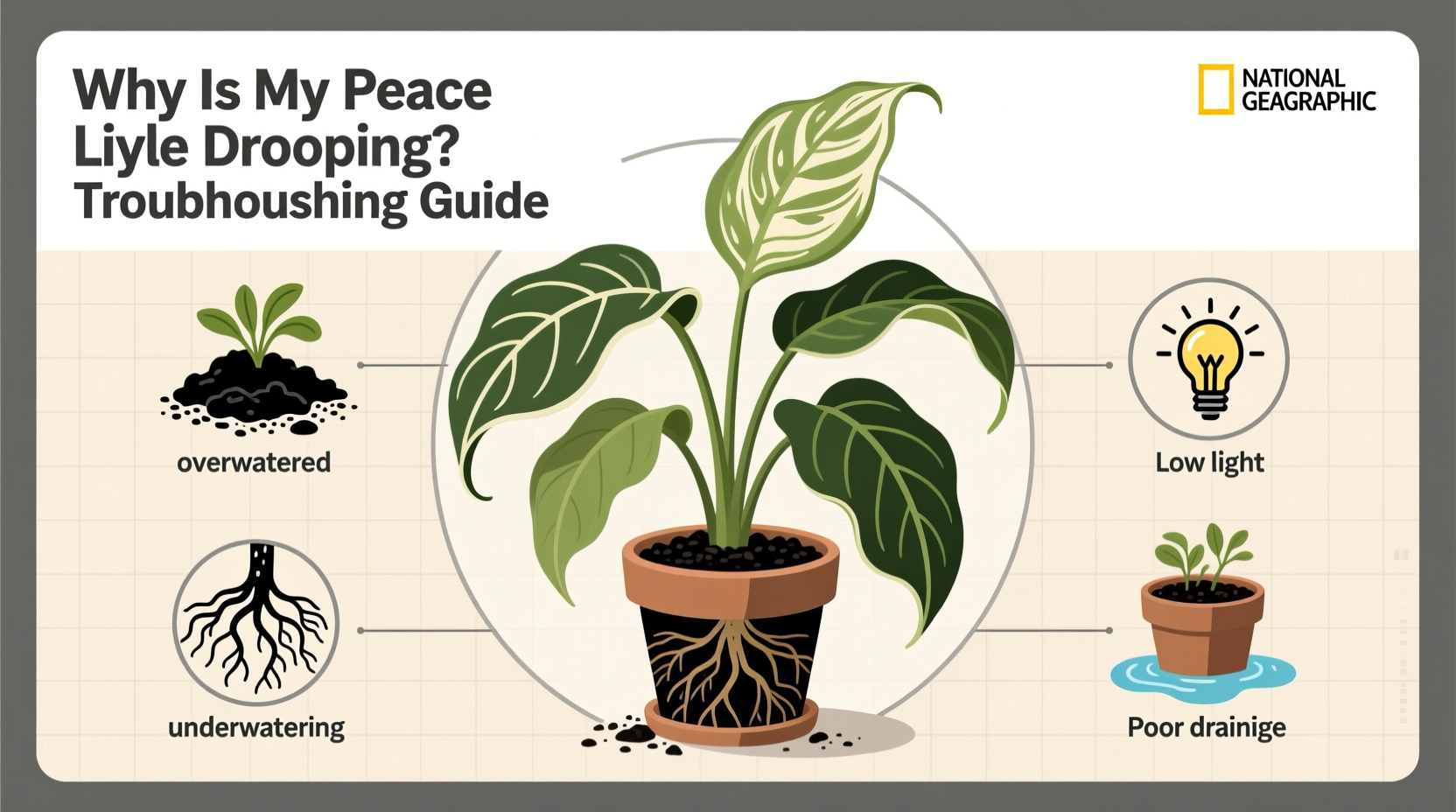
Drooping in peace lilies typically indicates a hydration imbalance. While underwatering is a common cause, many owners are surprised when their plant droops despite regular watering. This paradox often points to root-level problems that prevent the plant from absorbing moisture effectively.
The roots of a peace lily are designed to take up water and nutrients from the soil. When compromised by overwatering, compaction, or disease, they lose functionality. Even if the soil is wet, the plant cannot utilize that moisture, leading to symptoms identical to drought stress—wilting, yellowing, and limp leaves.
Common Causes of Post-Watering Droop and How to Diagnose Them
To fix the issue, you must first identify the root cause—literally. Here are the most frequent reasons a peace lily droops after being watered:
1. Overwatering and Root Rot
Overwatering is the number one killer of peace lilies. Soggy soil suffocates roots, promoting fungal growth and root rot. Affected roots turn brown or black, become mushy, and fail to absorb water. The plant then droops, even though the soil is wet.
Diagnosis: Gently remove the plant from its pot. Healthy roots are firm and white. Rotten roots are soft, dark, and may emit a foul odor.
2. Poor Drainage
Even with proper watering habits, a pot without drainage holes traps excess water. This creates a waterlogged environment that mimics overwatering. Over time, oxygen levels in the soil drop, stressing the roots.
Diagnosis: Check the bottom of the pot. If water pools beneath the soil or leaks slowly, drainage is inadequate.
3. Compacted or Degraded Soil
Old potting mix breaks down over time, losing its structure and aeration. Compacted soil prevents air and water from reaching roots evenly, impairing nutrient uptake.
Diagnosis: Soil that feels hard, crusty, or repels water instead of absorbing it is likely compacted.
4. Temperature and Draft Stress
Peace lilies thrive in stable, warm environments (65–80°F). Exposure to cold drafts, air conditioning vents, or sudden temperature shifts can trigger drooping—even with adequate moisture.
Diagnosis: Note the plant’s location. Is it near a window in winter, an AC unit, or a frequently opened door?
5. Pot Size and Root Bound Conditions
A peace lily that has outgrown its container becomes root-bound. Roots circle the inside of the pot, leaving little room for soil and water retention. This leads to rapid drying and inconsistent hydration.
Diagnosis: Roots emerging from drainage holes or circling the root ball indicate the plant needs repotting.
“Many people assume drooping means thirst, but with peace lilies, it’s often a cry for better root health.” — Dr. Lena Torres, Urban Horticulturist, Brooklyn Botanic Garden
Troubleshooting Checklist: Step-by-Step Recovery Plan
If your peace lily is drooping despite recent watering, follow this step-by-step guide to diagnose and correct the problem.
- Stop watering immediately if the soil is soggy. Allow it to dry out slightly before reassessing.
- Inspect the roots by gently removing the plant from its pot. Trim any black, mushy roots with sterilized scissors.
- Check the pot for drainage holes. If none exist, transfer the plant to a suitable container.
- Replace old soil with fresh, well-draining potting mix designed for indoor plants.
- Repot if root-bound, choosing a container only 1–2 inches larger in diameter than the current one.
- Adjust placement away from drafts, direct heat, or cold windows.
- Mist leaves lightly to increase humidity while the plant recovers.
- Wait 7–10 days before watering again, allowing roots to heal.
Preventative Care: Do’s and Don’ts for Peace Lily Health
Once your peace lily recovers, maintaining optimal conditions prevents future drooping. Refer to this table to avoid common mistakes.
| Do’s | Don’ts |
|---|---|
| Water when the top inch of soil feels dry | Water on a fixed schedule regardless of soil moisture |
| Use pots with drainage holes | Keep plants in decorative pots without drainage |
| Repot every 1–2 years to refresh soil | Leave the plant in the same pot for years |
| Place in bright, indirect light | Expose to direct sunlight or deep shade |
| Maintain moderate humidity (40–60%) | Place near heaters or AC units that dry the air |
Real-Life Example: Reviving a Chronically Drooping Peace Lily
Sarah, a plant enthusiast in Chicago, noticed her peace lily drooping every few days despite daily misting and weekly watering. She assumed it needed more moisture and increased watering frequency—only to see the condition worsen. Leaves turned yellow, and the base began to smell faintly sour.
After reading about root rot, she decided to inspect the roots. Upon removal from the pot, she found dark, slimy roots and soil that hadn’t dried in weeks. The decorative outer pot lacked drainage, and water had been pooling at the bottom.
Sarah took action: she trimmed the damaged roots, repotted the plant in fresh mix with perlite for aeration, and placed it in a terracotta pot with proper drainage. She moved it away from a drafty window and waited ten days before watering again. Within two weeks, new upright leaves emerged, and the drooping ceased.
Her key takeaway? “I was loving it to death. Once I stopped overwatering and fixed the pot, it bounced back faster than I expected.”
When to Repot and How to Do It Right
Repotting is one of the most effective ways to resolve chronic drooping caused by root issues. The best time to repot is in spring or early summer when the plant is entering its active growth phase.
Steps to Repot a Peace Lily:
- Choose a new pot 1–2 inches wider in diameter with drainage holes.
- Prepare a mix of peat moss, perlite, and pine bark for optimal aeration.
- Gently remove the plant and shake off old soil.
- Trim dead or rotting roots using clean, sharp scissors.
- Place the plant in the new pot and fill around it with fresh mix.
- Water lightly and place in bright, indirect light.
- Avoid fertilizing for 4–6 weeks to reduce root stress.
After repotting, expect some adjustment period. A few leaves may yellow or droop slightly, but new growth should appear within 3–4 weeks if conditions are right.
Frequently Asked Questions
Can a severely drooping peace lily be saved?
Yes, in most cases. If the crown and some healthy roots remain, recovery is possible. Address the root cause—such as overwatering or poor drainage—and give the plant time to rebound. Avoid fertilizing until new growth appears.
How often should I water my peace lily?
There’s no universal schedule. Instead, check the soil weekly. Water when the top 1–2 inches feel dry. In average indoor conditions, this usually means every 7–10 days. Frequency varies with season, humidity, and pot size.
Why do peace lilies droop overnight and perk up after watering?
This behavior is normal and often called the \"drought signal.\" Peace lilies dramatically wilt when thirsty but can recover within hours of watering. However, if drooping persists after watering, the issue is not dehydration but root dysfunction.
Conclusion: From Drooping to Thriving
A drooping peace lily after watering isn’t a lost cause—it’s a call to reevaluate your care routine. More often than not, the problem lies beneath the surface. By diagnosing root health, improving drainage, and adjusting environmental factors, you can restore your plant to full vigor.
Remember, peace lilies thrive on consistency, not constant attention. They prefer to dry out slightly between waterings and flourish in stable, humid environments away from extremes. With the right approach, your peace lily will not only stop drooping but reward you with glossy foliage and elegant blooms year after year.




 浙公网安备
33010002000092号
浙公网安备
33010002000092号 浙B2-20120091-4
Comments
No comments yet. Why don't you start the discussion?