
If you’ve noticed your houseplant stretching toward the window, leaning dramatically to one side, or producing sparse foliage along an elongated stem, it’s likely suffering from insufficient light. This common issue—known as phototropism gone awry—occurs when plants bend or grow sideways in search of a better light source. While some movement toward light is natural, excessive lateral growth signals stress. Left uncorrected, this can weaken the plant, reduce flowering, and lead to leggy, unattractive forms.
Understanding the underlying causes and implementing timely corrections can save your plant and encourage balanced, upright development. In this guide, we’ll explore how to identify light deficiency, explain why plants grow sideways, and provide practical, science-backed solutions to correct and prevent the problem.
What Causes Plants to Grow Sideways?
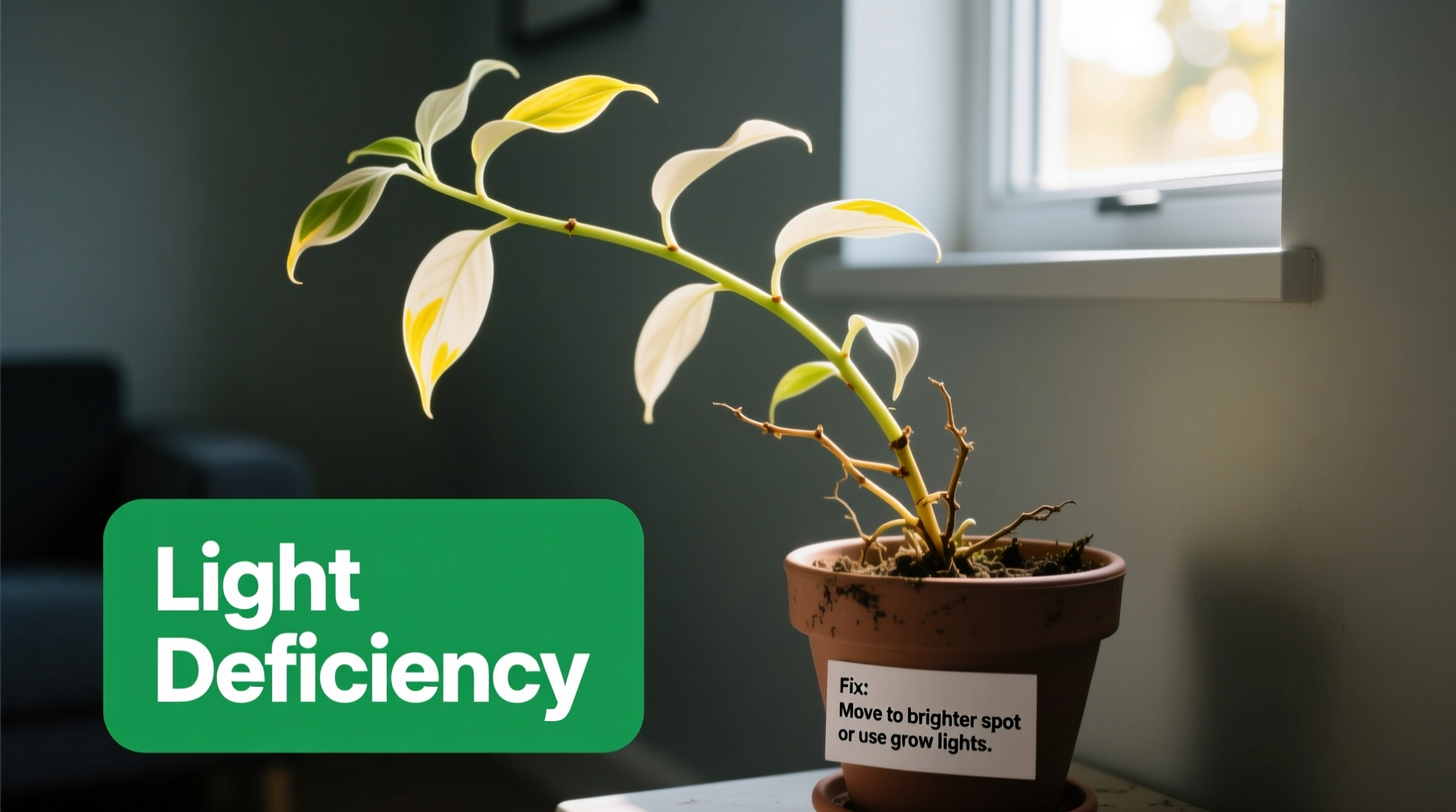
Plants naturally exhibit phototropism—the ability to grow toward a light source. This behavior is regulated by auxins, plant hormones that redistribute in response to light exposure. When light comes from one direction, auxins accumulate on the shaded side of the stem, causing those cells to elongate more than the lit side. The result? A visible lean or curve toward the light.
While this mechanism helps wild plants compete for sunlight, indoor environments often create uneven lighting conditions. Windows provide directional light, and artificial lighting may be too weak or inconsistently applied. Over time, this leads to:
- Asymmetrical stem elongation
- Leaves clustering only on one side
- Thin, weak stems with large gaps between leaves (internodal spacing)
- Reduced leaf size and color vibrancy
These symptoms are not just cosmetic—they reflect compromised photosynthesis and energy allocation, which affect overall health and resilience.
Signs Your Plant Isn’t Getting Enough Light
Light deficiency manifests in several observable ways. Recognizing these early signs allows for prompt intervention before structural damage becomes irreversible.
1. Leggy Growth (Etiolation)
Etiolation is the technical term for spindly, stretched growth. Stems become long and thin with exaggerated spaces between leaves. This occurs because the plant expends energy rapidly elongating in hopes of reaching brighter light, sacrificing structural integrity.
2. Sparse Foliage and Leaf Drop
A plant struggling for light will often shed lower leaves to conserve energy. New leaves may emerge smaller, paler, or fail to develop altogether. The canopy becomes lopsided, with most growth concentrated on the side facing the light source.
3. Leaves Pointing in One Direction
If all the leaves on your plant are angled sharply toward a window or lamp, it’s a clear sign of directional light dependency. Healthy plants typically display more symmetrical leaf orientation.
4. Slow or Stalled Growth
Lack of sufficient photons slows photosynthesis, reducing the plant’s ability to produce energy. This results in minimal new growth, delayed flowering, and poor root development.
5. Pale or Yellowing Leaves
Chlorophyll production depends on adequate light. In low-light conditions, leaves lose their deep green hue, turning pale green or yellow—a condition sometimes mistaken for nutrient deficiency.
“Plants don’t just grow toward light—they survive by it. Chronic low light forces them into survival mode, where form and function deteriorate.” — Dr. Lena Torres, Botanist & Indoor Plant Specialist
Common Lighting Mistakes That Trigger Sideways Growth
Even well-intentioned plant owners often make lighting errors that contribute to uneven development. Awareness of these pitfalls can help avoid unnecessary stress on your plants.
| Mistake | Why It’s Harmful | Better Approach |
|---|---|---|
| Placing plants too far from windows | Light intensity drops exponentially with distance; even 3 feet from a bright window can mean inadequate exposure | Keep light-loving plants within 1–3 feet of a south or east-facing window |
| Relying solely on overhead room lighting | Standard ceiling lights are too weak and diffuse for photosynthesis | Supplement with grow lights or move to natural light sources |
| Not rotating plants regularly | One side remains shaded, leading to permanent curvature | Rotate pots 90° weekly to ensure even exposure |
| Using sheer curtains without assessing light loss | Dense fabrics can block up to 50% of available light | Use lightweight sheers or open curtains during daylight hours |
| Ignoring seasonal light changes | Winter sun is weaker and shorter; plants may need repositioning | Monitor growth patterns seasonally and adjust placement accordingly |
Step-by-Step Guide to Correct Sideways Growth
Reversing etiolation and restoring balance takes time, but consistent action yields strong results. Follow this timeline to rehabilitate your light-starved plant.
- Assess Current Placement (Day 1)
Evaluate where your plant sits. Is it near a window? Which direction does it face? Use a light meter app or observe shadow clarity—if shadows are faint, light is likely insufficient. - Relocate to a Brighter Spot (Day 1–3)
Move the plant closer to a natural light source. South-facing windows offer the most consistent brightness (in the Northern Hemisphere). East-facing windows provide gentle morning light, ideal for many tropical species. - Introduce Supplemental Lighting (Day 3–7)
If natural light is limited, invest in a full-spectrum LED grow light. Position it 6–12 inches above the plant for 12–14 hours daily. Avoid leaving lights on 24/7—plants need dark periods for respiration. - Prune Leggy Stems (Week 2)
Use clean, sharp scissors to cut back over-elongated stems just above a leaf node. This encourages branching and denser growth. Remove any dead or yellowing leaves to redirect energy. - Rotate Regularly (Ongoing)
Turn the pot a quarter turn every 3–4 days. This ensures all sides receive equal exposure and prevents renewed leaning. - Monitor and Adjust (Monthly)
Watch for new growth direction, leaf color, and internode length. If improvement stalls, consider upgrading your grow light or trying a different window.
Mini Case Study: Reviving a Leggy Pothos
Samantha had a golden pothos that had been on a north-facing shelf for six months. The plant developed long, bare vines with small leaves clustered at the tips—all pointing toward a distant window. She initially thought it needed fertilizer, but after researching, she realized the issue was light deficiency.
She moved the plant to a bright, indirect spot near an east-facing window and added a clip-on LED grow light for 12 hours each morning. She rotated the pot weekly and pruned the longest stems by half. Within eight weeks, new growth emerged thicker and greener, with leaves spaced closer together. By three months, the plant filled out evenly and no longer leaned.
This case illustrates that even severely etiolated plants can recover with proper light management and patience.
Choosing the Right Plants for Low-Light Spaces
Not all rooms can provide bright light. Instead of fighting the environment, match your plant choices to your space. Some species tolerate lower light better than others, though they still require some illumination.
Good options include:
- Sansevieria (Snake Plant): Thrives in low to moderate light and requires minimal care.
- Zamioculcas zamiifolia (ZZ Plant): Stores water in rhizomes and survives in dim corners.
- Epipremnum aureum (Pothos): Adapts well but will stretch if light is too low—best with some indirect brightness.
- Aglaonema: Offers colorful foliage and tolerates shade, though growth slows.
Avoid placing high-light species like fiddle leaf figs, cacti, or succulents in poorly lit areas. These demand strong, direct exposure and will inevitably grow sideways or decline.
FAQ
Can sideways growth be reversed completely?
Once a stem has bent due to etiolation, it won’t straighten on its own. However, new growth will grow upright if light conditions improve. Pruning encourages fresh, balanced shoots, effectively replacing damaged structure over time.
How do I know if my grow light is strong enough?
A good grow light should produce visible, crisp shadows and support consistent new growth. If leaves remain pale or stems continue to stretch, the light may be too weak or too far from the plant. Look for bulbs labeled “full-spectrum” with a brightness of at least 2,000 lumens per square foot.
Is it normal for plants to lean slightly toward light?
Minor orientation toward light is natural and not harmful. Concern arises when the lean becomes extreme, growth is sparse, or stems appear weak. Regular rotation minimizes noticeable bending.
Checklist: Fix Light Deficiency in 7 Steps
- ✅ Observe your plant for signs of etiolation (long stems, sparse leaves)
- ✅ Determine the light level in its current location
- ✅ Move it closer to a bright window or add a grow light
- ✅ Set a schedule to rotate the plant every 3–4 days
- ✅ Prune leggy or damaged growth to stimulate bushiness
- ✅ Monitor new growth for improved color and symmetry
- ✅ Adjust placement seasonally as sunlight angles change
Conclusion
A plant growing sideways isn’t failing—it’s signaling a need. Light is the foundation of plant health, and ignoring its role leads to weakened, unbalanced growth. By recognizing the signs of deficiency and taking deliberate steps to correct lighting conditions, you can transform a struggling specimen into a vibrant, symmetrical centerpiece.
Start today: check your plant’s position, assess the light quality, and make one small adjustment. Whether it’s a simple rotation or adding a grow light, each action brings your greenery closer to thriving. Share your progress, ask questions, and celebrate the quiet victories of healthier growth.




 浙公网安备
33010002000092号
浙公网安备
33010002000092号 浙B2-20120091-4
Comments
No comments yet. Why don't you start the discussion?