
If your houseplant is stretching toward the window, leaning dramatically to one side, or producing long, weak stems with sparse foliage, it’s likely suffering from light deficiency. This common issue—known as etiolation—occurs when plants don’t receive enough light to perform photosynthesis efficiently. In response, they grow abnormally in a desperate attempt to reach available light, often at the expense of their health and appearance. Understanding why this happens and how to correct it can save your plant from decline and help it thrive.
What Is Etiolation and Why Does It Happen?
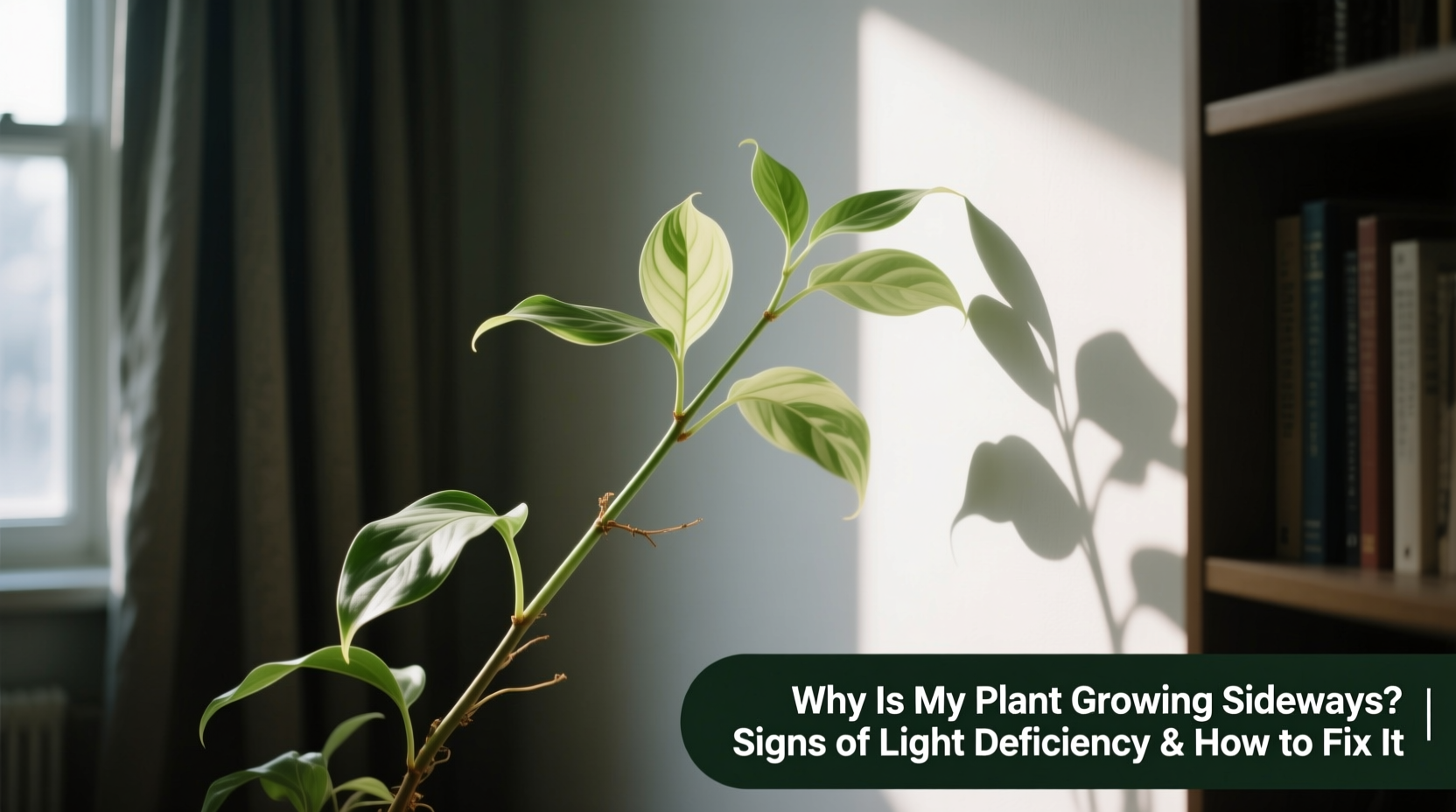
Etiolation is a physiological response in plants triggered by insufficient light. When light levels drop below what a plant needs for optimal growth, it activates survival mechanisms. The plant elongates its stem rapidly, reduces leaf size, and spaces out nodes (the points where leaves emerge) in an effort to position its foliage closer to a light source. This results in a lanky, pale, and structurally weak plant that looks stretched and unbalanced.
In nature, this might happen under dense tree canopies. Indoors, it’s typically due to poor placement—too far from windows, obstructed sunlight, or reliance on low-output artificial lighting. While some degree of directional growth toward light (phototropism) is normal, pronounced sideways growth is a red flag.
“Plants are energy-driven organisms. When light is scarce, they prioritize reaching it over building strong tissue. That’s why etiolated plants look leggy and fragile.” — Dr. Lena Peterson, Botanist & Indoor Plant Specialist
Common Signs Your Plant Isn’t Getting Enough Light
Recognizing early symptoms of light deficiency allows you to intervene before irreversible damage occurs. Look for these telltale signs:
- Sideways or uneven growth: The plant leans noticeably toward a window or light source.
- Long, spindly stems: Internodes (spaces between leaves) become exaggerated.
- Pale or yellowing leaves: Chlorophyll production drops, leading to lighter green or yellow foliage.
- Smaller new leaves: Successive leaves are progressively smaller than older ones.
- Slow or stunted growth: Despite proper watering and feeding, the plant isn’t thriving.
- Dropping lower leaves: Energy is redirected to new growth, causing older leaves to die off prematurely.
How to Fix a Plant Growing Sideways Due to Low Light
Correcting sideways growth involves both immediate adjustments and long-term strategies. The goal is to provide consistent, adequate light while supporting recovery. Follow this step-by-step guide to rehabilitate your plant.
Step 1: Assess Current Light Conditions
Use a light meter app or observe natural patterns. South-facing windows offer the brightest light in the Northern Hemisphere; east and west provide moderate exposure. North-facing windows are typically too dim for most sun-loving species.
Step 2: Relocate the Plant Closer to Light
Move the plant within 1–3 feet of a bright window. Avoid placing it directly against cold glass in winter or in scorching sun during summer. Sheer curtains can diffuse harsh rays while maintaining intensity.
Step 3: Supplement with Grow Lights
If natural light is limited, invest in full-spectrum LED grow lights. These mimic sunlight and can be used for 12–16 hours daily. Position the light 6–12 inches above the canopy and adjust height as the plant grows.
Step 4: Prune Leggy Growth
Cut back elongated stems just above a node to encourage bushier growth. Use clean, sharp scissors to avoid infection. Removed cuttings may be propagated if healthy.
Step 5: Support Structural Recovery
Stake weak stems with soft ties and a slender support rod. This prevents breakage and helps the plant maintain an upright form while new growth strengthens.
Step 6: Monitor and Adjust Over Time
Recovery takes weeks. Track new leaf development, color improvement, and growth direction. If the plant continues leaning, rotate it regularly and reassess light uniformity.
Do’s and Don’ts of Managing Light-Deficient Plants
| Do’s | Don’ts |
|---|---|
| Place sun-loving plants near south or west windows | Leave low-light plants in dark corners for extended periods |
| Use sheer curtains to filter intense midday sun | Expose etiolated plants suddenly to full direct sunlight (risk of sunburn) |
| Supplement with grow lights during winter months | Overwater a struggling plant—low light slows evaporation and increases rot risk |
| Rotate plants weekly for balanced growth | Ignore early signs like pale leaves or slow growth |
| Prune leggy stems to redirect energy | Expect full reversal of stretched stems—they won’t shrink back |
Real Example: Reviving a Leggy Pothos
Sarah, an apartment dweller in Chicago, noticed her golden pothos trailing across the floor, with thin vines and widely spaced leaves. The plant sat 8 feet from a north-facing window, receiving minimal daylight. After researching, she moved it to a shelf near a south-facing window and added a small LED grow light for 14 hours daily. She pruned the longest stems and began rotating the pot weekly. Within six weeks, new growth emerged—compact, deep green, and symmetrical. Though the old vines remained stretched, Sarah propagated cuttings and trained new growth into a fuller display.
This case illustrates that while etiolated growth doesn’t reverse, new growth can be healthy with proper conditions. Patience and consistency made the difference.
Choosing the Right Artificial Lighting
Not all indoor spaces offer sufficient natural light, especially in winter or urban environments. High-quality grow lights bridge the gap. Consider these options based on your setup:
- Full-spectrum LED panels: Energy-efficient and ideal for shelves or plant stands. Look for a color temperature of 5000–6500K.
- Clip-on grow lights: Perfect for individual plants on desks or side tables.
- Grow light bulbs: Can replace standard bulbs in existing fixtures, offering flexibility.
- Smart grow lights: Programmable timers and adjustable brightness simplify maintenance.
Aim for 20–40 watts per square foot for low-to-medium light plants, and 40–60+ watts for high-light species like fiddle leaf figs or citrus trees. Keep lights on a timer to ensure consistent photoperiods.
Preventative Care Checklist
Stay ahead of light issues with this proactive checklist:
- ✔ Evaluate light levels seasonally—shorter days in fall/winter reduce exposure.
- ✔ Clean windowpanes monthly to maximize light transmission.
- ✔ Group plants with similar light needs together for efficient care.
- ✔ Label each plant with its light requirements for quick reference.
- ✔ Inspect growth patterns monthly for early signs of leaning or stretching.
- ✔ Use reflective surfaces (white walls, aluminum foil) behind plants to bounce light.
- ✔ Replace aging grow lights every 2–3 years as output diminishes.
Frequently Asked Questions
Can a plant recover fully from growing sideways?
While existing stretched stems won’t revert to compact form, new growth can be healthy and symmetrical with improved lighting. Pruning encourages branching, and over time, the plant regains balance. Full recovery depends on species resilience and consistency of care.
Is sideways growth always due to lack of light?
Most commonly, yes—but other factors can contribute. Uneven watering, root binding, or pest infestations may cause asymmetrical growth. However, if the plant is stretching with pale, weak stems, light deficiency is the primary culprit. Always assess light first.
Should I repot a plant that’s growing sideways?
Repotting isn’t necessary unless the plant is root-bound or in poorly draining soil. Focus on correcting light first. Once stable, repot during active growing season (spring/summer) using fresh, well-aerated mix suited to the species.
Final Thoughts: Act Now to Save Your Plant
A plant growing sideways isn’t just an aesthetic issue—it’s a distress signal. Ignoring it risks weakened structure, susceptibility to pests, and eventual decline. The good news is that most cases of etiolation are reversible with timely intervention. By relocating your plant, supplementing light, and encouraging new growth, you restore not just its shape but its vitality.
Start today: move your plant closer to light, evaluate its environment, and commit to regular rotation. Small changes yield dramatic results over time. Healthy plants don’t just survive—they flourish, purify air, and bring life to your space.




 浙公网安备
33010002000092号
浙公网安备
33010002000092号 浙B2-20120091-4
Comments
No comments yet. Why don't you start the discussion?