
Yellowing leaves are one of the most common signs that a houseplant is under stress. While it’s natural for older leaves to fade over time, widespread or sudden yellowing usually signals an underlying issue. For beginners, diagnosing the problem can feel overwhelming—especially when every plant seems to have different needs. The truth is, most causes of yellow leaves are preventable and often reversible with the right care adjustments. Understanding what’s happening beneath the surface gives you the power to revive your green companion and build confidence in your plant parenting skills.
Overwatering: The #1 Culprit Behind Yellow Leaves
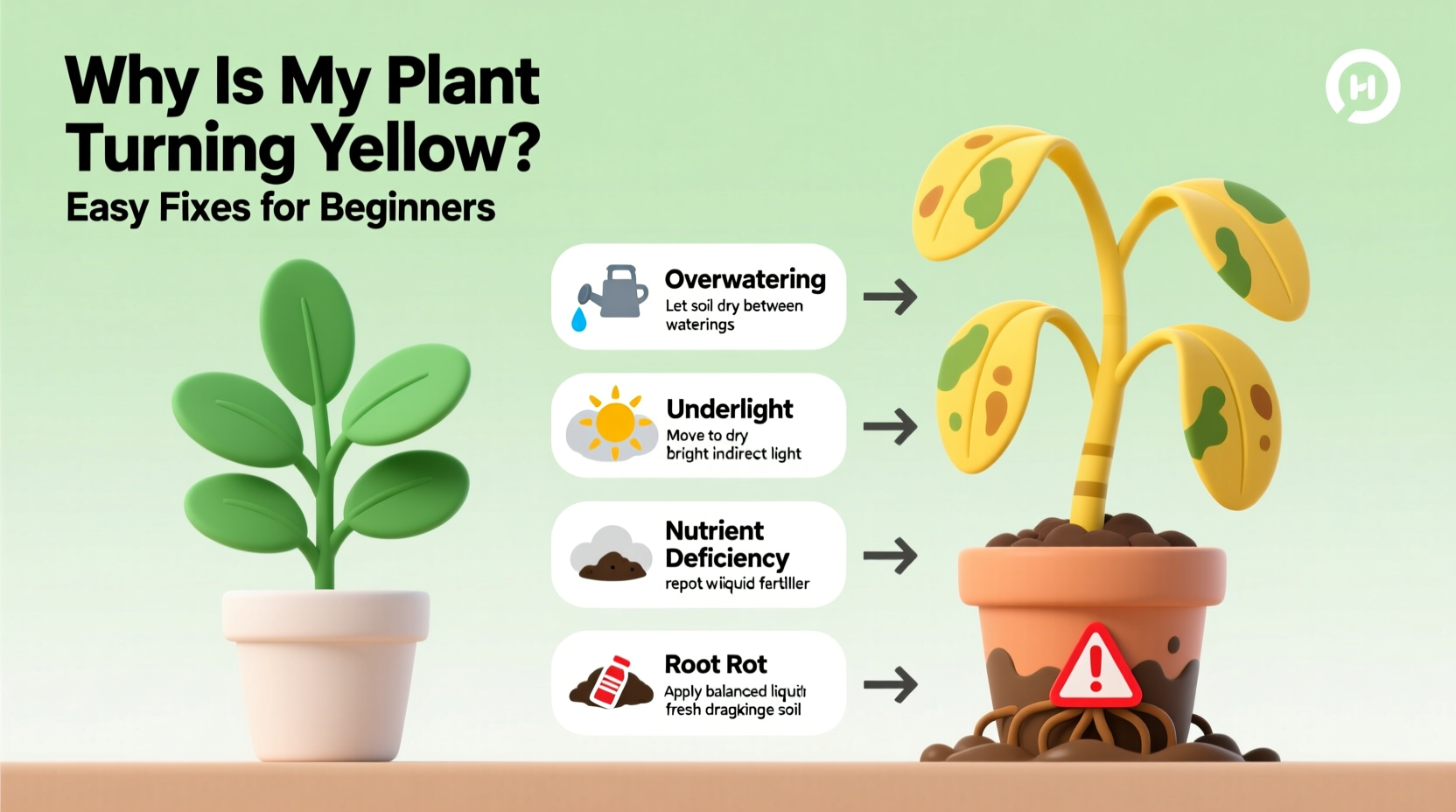
More houseplants die from too much water than from neglect. Overwatering damages roots by cutting off oxygen supply, leading to root rot—a condition where roots become mushy, dark, and ineffective at absorbing nutrients. As roots fail, the plant struggles to support its foliage, resulting in yellow, drooping leaves, often starting at the base.
The confusion often arises because symptoms of overwatering can mimic those of underwatering: wilting, dry-looking tips, and leaf drop. However, the key difference lies in the soil and texture of the leaves. If the soil is consistently wet and the leaves feel soft or limp, overwatering is likely the cause.
To fix overwatering, stop watering immediately and let the soil dry out. Remove the plant from its pot and inspect the roots. Trim any black, mushy sections with sterilized scissors and repot into fresh, well-draining soil. Reduce watering frequency moving forward and consider using a moisture meter for accuracy.
Underwatering and Inconsistent Moisture Levels
While less common than overwatering, underwatering also leads to yellow leaves—typically crisp, dry ones that start at the edges and progress inward. Plants rely on consistent moisture to transport nutrients. When they’re deprived, they shed leaves to conserve energy.
Inconsistent watering—alternating between drought and flood—stresses plants even more. This rollercoaster prevents roots from functioning properly and can trigger premature yellowing across multiple leaves.
“Plants thrive on routine. Erratic watering is like asking someone to sprint after days of fasting—it’s simply unsustainable.” — Dr. Lena Patel, Botanist and Urban Gardening Consultant
To correct underwatering, give your plant a thorough soak until water drains from the bottom. Let excess water escape fully—never let the pot sit in standing water. Going forward, establish a regular schedule based on your plant’s species, light exposure, and seasonal changes. Grouping plants together increases humidity and reduces moisture loss.
Nutrient Deficiencies and Poor Soil Quality
Even with proper watering, plants may turn yellow if essential nutrients are missing from the soil. Common deficiencies include nitrogen (general yellowing, especially in older leaves), iron (yellowing between veins on new growth), and magnesium (yellow margins on older leaves).
Poor-quality soil breaks down over time, losing structure and nutrient retention. Potting mix that’s been used for months or years becomes compacted and less effective, starving roots despite regular fertilizing.
| Deficiency | Symptoms | Solution |
|---|---|---|
| Nitrogen | Uniform yellowing of older leaves | Balanced liquid fertilizer (e.g., 10-10-10) |
| Iron | Young leaves turn yellow with green veins | Chelated iron supplement |
| Magnesium | Yellow edges on lower leaves; green veins | Epsom salt solution (1 tsp per liter of water) |
Fertilize only during active growing seasons—spring and summer—and always follow label instructions. Over-fertilizing can burn roots and worsen yellowing. Refresh the top layer of soil annually or repot completely every 1–2 years to maintain soil health.
Light Issues: Too Much or Too Little Sun
Light is the engine of photosynthesis, and imbalances directly affect leaf color. Insufficient light causes pale, weak growth and gradual yellowing as the plant fails to produce enough chlorophyll. On the other hand, too much direct sunlight can scorch leaves, leading to yellow or brown patches, particularly on sun-sensitive species like pothos or peace lilies.
Most common houseplants prefer bright, indirect light. South-facing windows may be too intense without filtering, while north-facing ones often lack sufficient brightness. Rotate your plant regularly to ensure even exposure and watch for signs of stretchy, leggy growth—a telltale sign of low light.
If your plant shows signs of light stress, reposition it gradually. Sudden changes can shock the plant. Test different spots and observe improvements over 1–2 weeks. Consider grow lights for rooms with limited natural light—they provide consistent spectrum and intensity without risk of burning.
Pests, Temperature Stress, and Environmental Factors
Small pests like spider mites, aphids, and scale insects feed on plant sap, weakening the plant and causing stippling, webbing, or yellow speckles. These invaders often hide on the undersides of leaves or along stems, making early detection crucial.
Environmental stressors also play a role. Cold drafts, heating vents, or sudden temperature shifts can trigger leaf discoloration. Tropical plants, which make up most indoor varieties, prefer stable temperatures between 65°F and 75°F (18°C–24°C). Humidity levels below 40% can also lead to dry, yellowing leaf tips.
- Inspect leaves weekly with a magnifying glass if needed.
- Wipe leaves gently with a damp cloth to remove dust and deter pests.
- Isolate affected plants to prevent infestation spread.
- Treat with insecticidal soap or neem oil every 5–7 days for 3 weeks.
- Use a humidifier or pebble tray to boost ambient moisture.
Mini Case Study: Reviving a Yellowing Pothos
Sarah, a first-time plant owner, noticed her popular pothos vine developing yellow leaves within weeks of bringing it home. She was watering it twice a week, assuming consistency was key. After research, she discovered the soil stayed soggy for days due to a decorative outer pot without drainage. She removed the inner pot after watering to allow full drainage, trimmed damaged roots, and switched to watering only when the top inch of soil was dry. Within three weeks, new growth emerged, and yellowing slowed significantly. Sarah now checks moisture with her finger and rotates the plant weekly for even light exposure.
Step-by-Step Guide to Diagnose and Fix Yellow Leaves
Follow this practical sequence to identify and resolve the issue efficiently:
- Assess the pattern of yellowing: Are older leaves affected first (likely watering or nutrient issues)? New leaves (possible nutrient deficiency)? All leaves (environmental stress)?
- Check the soil moisture: Stick your finger 1–2 inches deep. Is it wet, dry, or just right?
- Examine the roots (if possible): Gently remove the plant. Look for firm, white roots vs. soft, brown ones.
- Inspect for pests: Use a magnifier to check leaf undersides and stem joints.
- Evaluate light conditions: Is the plant in direct sun or deep shade? Has it been recently moved?
- Review recent care changes: New fertilizer? Relocation? Draft exposure?
- Take action: Adjust watering, move location, treat pests, or repot as needed.
- Monitor for two weeks: Track improvements or worsening. Patience is essential—plants recover slowly.
Prevention Checklist: Keep Your Plants Green and Healthy
- ✅ Water only when the top 1–2 inches of soil are dry
- ✅ Use pots with drainage holes and saucers to catch runoff
- ✅ Provide bright, indirect light suitable for your plant type
- ✅ Fertilize monthly during growing season (spring/summer), not in winter
- ✅ Wipe leaves monthly to remove dust and check for pests
- ✅ Repot every 1–2 years with fresh, quality potting mix
- ✅ Maintain stable temperatures and avoid cold drafts or hot air vents
- ✅ Group plants to increase humidity naturally
Frequently Asked Questions
Should I remove yellow leaves from my plant?
Yes, if they are fully yellow and lifeless. Removing them helps the plant focus energy on healthy growth and improves appearance. Use clean scissors to avoid spreading disease. However, do not pull leaves off by hand, as this can damage the stem.
Can a yellow leaf turn green again?
Generally, no. Once a leaf turns yellow due to stress, nutrient loss, or aging, it cannot regain its green color. The goal is to halt further yellowing by correcting the underlying issue and supporting new, healthy growth.
Is tap water safe for houseplants?
Most tap water is fine, but some contain chlorine, fluoride, or high minerals that accumulate in soil over time, causing tip burn or yellowing. If your plant is sensitive (like calatheas or spider plants), let tap water sit overnight to evaporate chlorine, or use filtered or rainwater.
Final Thoughts: Confidence Starts with Observation
Yellow leaves aren’t a death sentence—they’re a message. Each discoloration tells a story about water, light, nutrition, or environment. By learning to read these signs early, you shift from reacting to thriving as a proactive plant caregiver. Start small: pick one plant, assess its conditions, and apply one fix at a time. Progress may be slow, but steady observation builds intuition faster than any guide ever could.




 浙公网安备
33010002000092号
浙公网安备
33010002000092号 浙B2-20120091-4
Comments
No comments yet. Why don't you start the discussion?