
Poop color can reveal a surprising amount about your digestive health. While brown is the standard, shades of green are common and often harmless. Yet, when you notice green stool, especially if it persists or comes with other symptoms, questions naturally arise. Is it something you ate? A sign of infection? Or could it indicate an underlying condition?
The truth is, green poop usually has a straightforward explanation rooted in diet, digestion speed, or supplements. However, knowing when to dismiss it as normal and when to take it seriously can prevent unnecessary worry—or catch a problem early.
What Determines Poop Color?
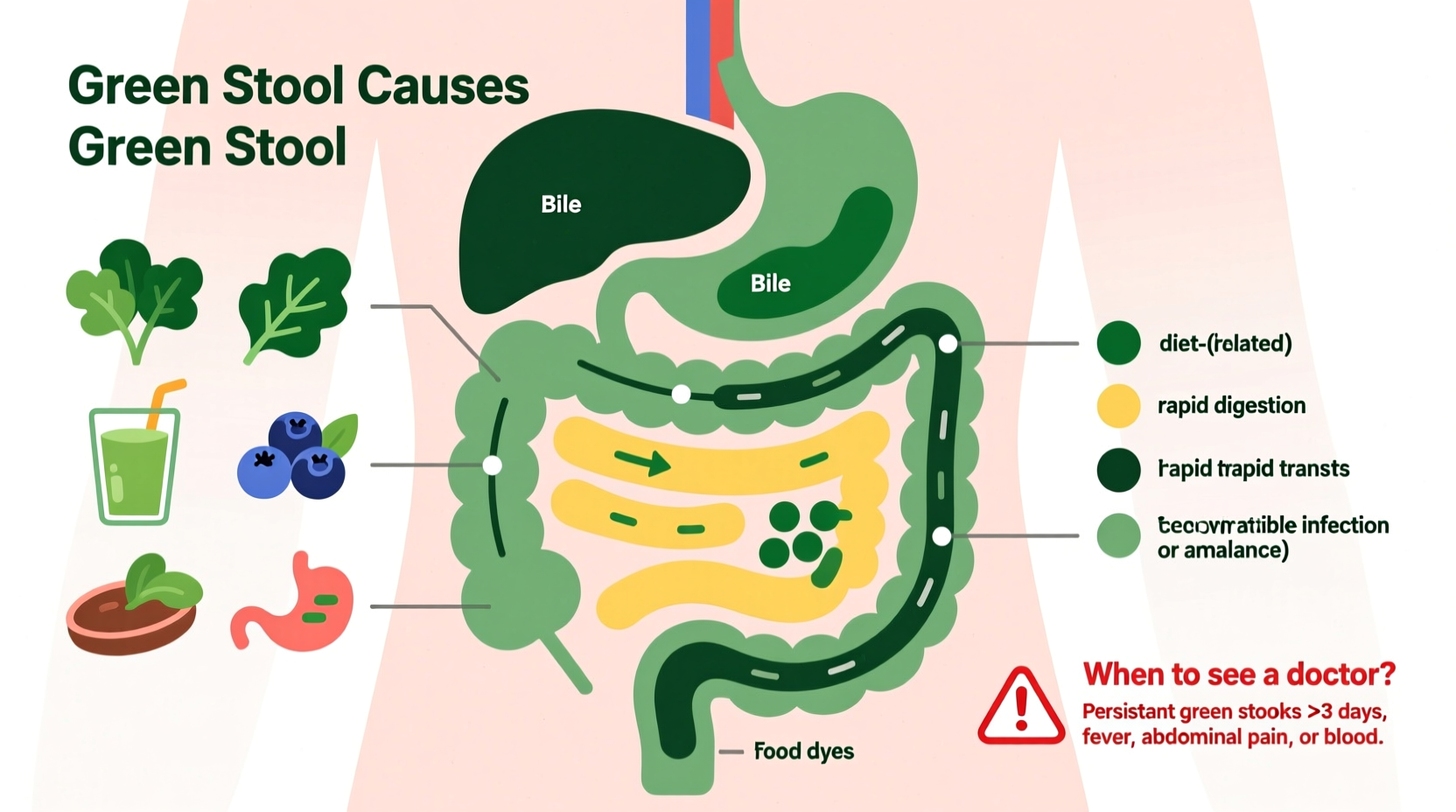
Stool color is primarily influenced by bile, a greenish fluid produced by the liver and stored in the gallbladder. Bile helps break down fats during digestion. As food moves through the intestines, bacteria interact with bile, gradually changing its chemical structure and turning it from green to brown. This transformation is why healthy stool is typically some shade of brown.
If digestion happens too quickly—such as during diarrhea—bile doesn’t have enough time to break down fully. The result? Green poop. Alternatively, certain pigments in food can overpower the natural coloration process, leading to temporary color shifts.
Foods That Can Turn Your Poop Green
Diet is one of the most common causes of green stool. Certain foods contain natural or artificial pigments that pass through the digestive tract largely unchanged. Here are the usual suspects:
- Leafy greens: Spinach, kale, broccoli, and Swiss chard are rich in chlorophyll, the pigment that makes plants green. Eating large amounts can tint stool green.
- Artificial food coloring: Found in candies, sports drinks, brightly colored cereals, and processed snacks. Blue or green dyes (like FD&C Blue No. 1) can mix with yellow digestive fluids to produce green stool.
- Green gelatin or ice pops: These often contain high levels of artificial coloring and move quickly through the gut.
- Blueberries: Though dark in color, their pigments can react with stomach acid and appear greenish in stool.
- Matcha and green tea powders: Concentrated plant pigments may influence stool color, especially when consumed in large doses.
In most cases, eliminating the food item leads to a return to normal stool color within a day or two.
Habits and Conditions That Speed Up Digestion
Beyond food, how fast food moves through your digestive system plays a major role. Rapid transit means less time for bile to change from green to brown. Several habits and conditions can accelerate digestion:
- High-fiber diets: While fiber is essential, sudden increases—especially from raw vegetables or supplements—can speed up intestinal movement.
- Laxative use: Over-the-counter or herbal laxatives stimulate bowel contractions, reducing transit time.
- Stress and anxiety: The gut-brain axis means emotional stress can trigger faster motility, sometimes resulting in loose, green stools.
- Intense exercise: Some endurance athletes report green stool during heavy training periods due to increased gut activity.
- Infections: Viral gastroenteritis (“stomach flu”) or bacterial infections like Salmonella or E. coli cause rapid transit and diarrhea, often green in color.
When stool passes through the colon in less than 24 hours, bile remains largely unaltered, giving stool a green hue. This is especially common in cases of diarrhea.
Case Study: Sudden Green Stool After a Smoothie Trend
A 28-year-old office worker began a “7-day green detox” involving daily smoothies packed with spinach, kale, spirulina, and matcha powder. Within two days, her stool turned noticeably green. She initially worried about infection but had no pain, fever, or diarrhea. After pausing the smoothies for 48 hours, her stool returned to normal. A quick review confirmed chlorophyll and spirulina as likely culprits. This case illustrates how concentrated plant-based diets can temporarily alter stool color without indicating illness.
Medical Conditions Associated With Green Stool
While most green poop is benign, persistent or symptomatic changes may signal underlying issues. Consider these possibilities if green stool lasts more than a few days or occurs with other symptoms:
- Irritable Bowel Syndrome (IBS): IBS can cause alternating constipation and diarrhea. During diarrhea-predominant episodes, green stool is common due to rapid transit.
- Inflammatory Bowel Disease (IBD): Crohn’s disease and ulcerative colitis involve intestinal inflammation that disrupts digestion and absorption, sometimes leading to discolored stool.
- Celiac disease: An autoimmune reaction to gluten damages the small intestine, impairing nutrient absorption and altering stool consistency and color.
- Gallbladder removal: Without a gallbladder, bile flows directly into the intestines, increasing volume and potentially affecting color, especially after fatty meals.
- Parasitic infections: Giardia and other parasites can cause greasy, foul-smelling, green diarrhea lasting weeks.
“Green stool alone is rarely a red flag, but when paired with weight loss, abdominal pain, or blood in stool, it warrants evaluation.” — Dr. Lena Patel, Gastroenterologist
When to Be Concerned: Warning Signs
Most cases of green poop resolve on their own. But certain symptoms suggest it’s time to consult a healthcare provider. Use this checklist to assess whether further action is needed:
- Green stool lasting more than 7–10 days without dietary explanation
- Diarrhea lasting over 2 days (or 24 hours in children)
- Severe abdominal pain or cramping
- Fever above 100.4°F (38°C)
- Blood or mucus in stool
- Unexplained weight loss
- Nausea, vomiting, or signs of dehydration
- Recent antibiotic use followed by persistent diarrhea (possible C. diff)
Children and infants may experience green stool more frequently due to formula changes, teething, or viral infections. However, parents should contact a pediatrician if an infant has green, frothy stools with poor feeding, irritability, or signs of dehydration.
Do’s and Don’ts of Managing Green Stool
| Do | Don’t |
|---|---|
| Monitor your diet and note any patterns | Ignore persistent changes lasting over a week |
| Stay hydrated, especially with diarrhea | Self-diagnose serious conditions like IBD |
| Gradually introduce high-fiber or green foods | Overuse laxatives or cleanses |
| Keep a symptom journal if issues recur | Assume all green stool is dangerous |
| Consult a doctor if warning signs appear | Delay care if you have severe pain or fever |
Step-by-Step Guide to Identifying the Cause
If you’re unsure why your stool is green, follow this practical sequence to pinpoint the cause:
- Pause new foods or supplements: Eliminate green-colored foods, artificial dyes, or recent additions like iron or probiotics for 48 hours.
- Observe changes: Monitor stool color and consistency. If it returns to brown, diet was likely the cause.
- Review recent illnesses: Consider if you’ve had stomach bugs, antibiotics, or traveled recently (risk of infection).
- Track symptoms: Note frequency, pain, gas, bloating, or changes in appetite.
- Hydrate and rest: Support your gut with water, electrolytes, and bland foods like rice, bananas, and toast.
- Seek testing if needed: If symptoms persist, your doctor may order stool tests, blood work, or imaging to rule out infection or chronic conditions.
This methodical approach prevents overreaction while ensuring real problems aren’t overlooked.
Frequently Asked Questions
Can iron supplements turn poop green?
Yes. Iron supplements often cause stool to darken, but in some cases, they can lead to greenish or black-green stool. This is normal and not harmful. However, if accompanied by severe constipation or abdominal pain, discuss dosage with your doctor.
Is green poop contagious?
Not inherently. But if green stool is caused by an infection like norovirus, rotavirus, or a bacterial pathogen, the illness itself can be contagious. Practice good hand hygiene and avoid preparing food for others if you're sick.
Why is my child’s poop green?
Common reasons include formula changes (especially switching brands), introduction of solid foods, excessive fruit juice, or mild stomach bugs. Breastfed babies often have variable stool colors, including green. Persistent green stool with discomfort or poor growth should be evaluated by a pediatrician.
Conclusion: Listen to Your Body, Not Just the Toilet
Green poop is usually a fleeting result of what you’ve eaten or how quickly your gut is moving. Leafy greens, food dyes, and fast digestion are the most common explanations—and typically nothing to fear. But your digestive system communicates through more than just color. Frequency, texture, smell, and accompanying symptoms all matter.
By paying attention to patterns and knowing when to act, you maintain control over your gut health. Most people will experience green stool at some point without consequence. But if changes persist or concern you, don’t hesitate to reach out to a healthcare professional. Understanding your body isn’t about chasing perfection—it’s about recognizing what’s normal for you and responding wisely when things shift.




 浙公网安备
33010002000092号
浙公网安备
33010002000092号 浙B2-20120091-4
Comments
No comments yet. Why don't you start the discussion?