
Popcorn should be light, airy, and satisfyingly crisp—each bite shattering with a clean snap. But too often, home cooks pull a batch from the stove or microwave only to find it tough, gummy, or unpleasantly chewy. This texture flaw ruins what should be a delightful snack. The good news? Chewy popcorn isn’t inevitable. It’s usually the result of predictable mistakes in technique, moisture control, or equipment use. By understanding the science behind popping corn and adjusting a few key variables, you can consistently achieve crisp, fluffy results.
The Science Behind Popcorn Popping
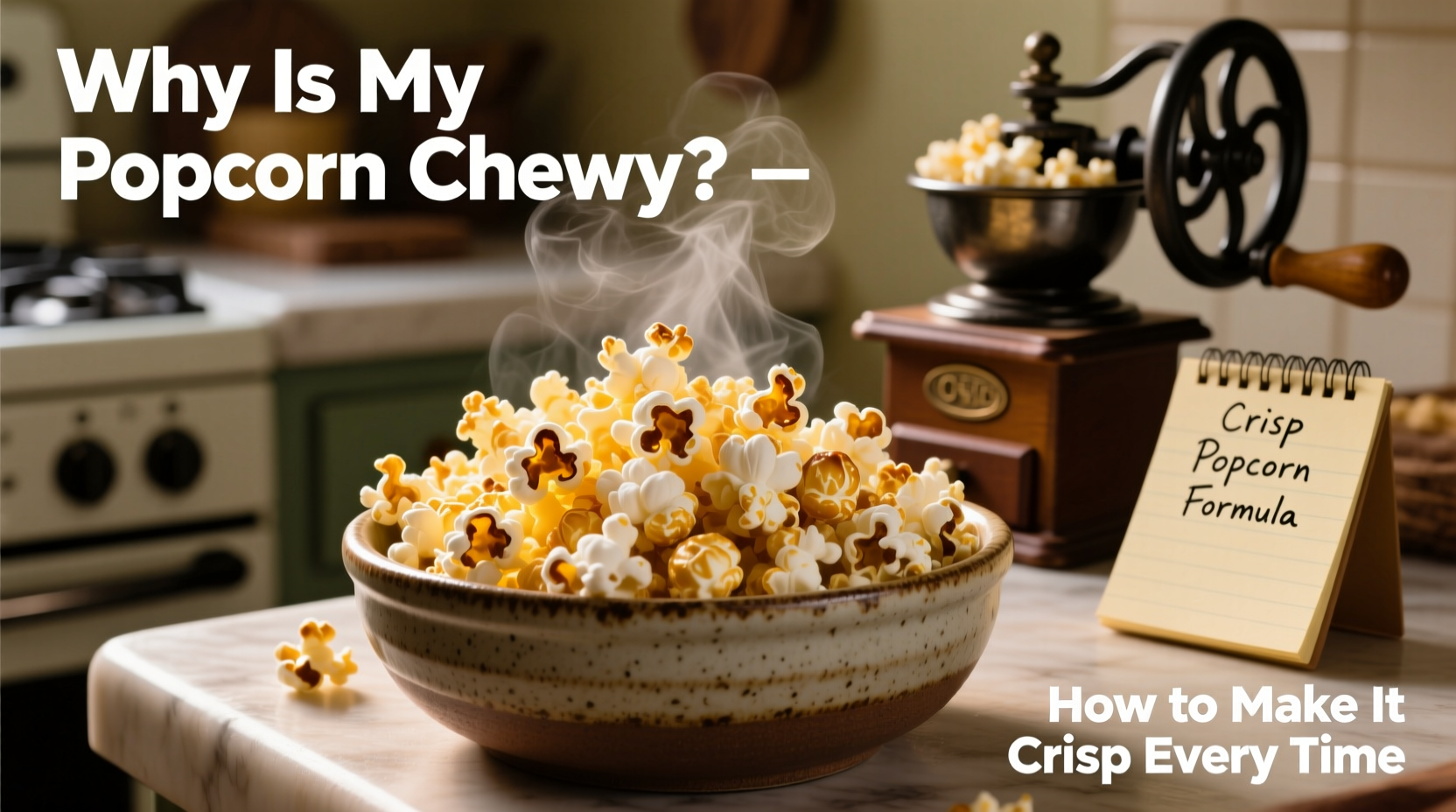
Popcorn kernels are unique among corn varieties because they contain a small amount of water sealed inside a hard starch shell. When heated, that internal moisture turns to steam, building pressure until the hull ruptures explosively. The sudden release causes the starchy interior to puff outward, forming the familiar white, crunchy morsel.
For this process to work optimally, three conditions must be met:
- The kernel must have the right internal moisture content (typically 13–14%).
- Heat must be applied evenly and at the correct temperature (around 350°F to 460°F).
- Steam must escape quickly after popping to prevent reabsorption.
If any of these factors are off, the result is often chewy popcorn. Too much moisture, uneven heating, or trapped steam softens the popped structure, making it dense and rubbery instead of crisp.
Why Your Popcorn Turns Chewy: Common Causes
Chewiness in popcorn rarely comes down to one single error. Instead, it’s typically a combination of subtle missteps. Identifying them is the first step toward fixing the problem.
1. Excess Moisture After Popping
One of the most frequent culprits is steam retention. When popcorn pops in a closed pot or microwave bag, the steam has nowhere to go. That moisture settles back onto the freshly popped kernels, softening their texture. This is especially common with tightly covered pots or non-vented containers.
2. Old or Poor-Quality Kernels
Over time, popcorn kernels lose moisture. If they’re too dry, they won’t pop properly; if they’ve absorbed ambient humidity, they may pop weakly and remain chewy. Old kernels also tend to produce more unpopped “old maids,” which can burn and affect overall texture.
3. Inconsistent Heat Distribution
Stovetop popping requires steady, even heat. Using too high a flame scorches some kernels while leaving others under-popped. Too low, and the steam builds slowly, leading to incomplete expansion and a denser, chewier result.
4. Adding Seasonings Too Soon
Butter, oil, or flavorings added immediately after popping can trap residual steam or coat the popcorn in a film that softens its surface over time. Especially when using melted butter, the liquid weight accelerates sogginess.
5. Wrong Equipment or Method
Some appliances, like basic air poppers without adequate ventilation or cheap microwave bags with poor venting, contribute to chewiness by failing to release steam efficiently. Similarly, overcrowding the pan reduces popping efficiency and increases moisture buildup.
“Texture is everything in popcorn. The moment steam recondenses on cooled kernels, you lose crispness. Ventilation during and after popping is non-negotiable.” — Dr. Lena Torres, Food Scientist & Snack Innovation Consultant
How to Make Crisp Popcorn Every Time: A Step-by-Step Guide
Follow this proven method for consistently light, crisp popcorn using basic stovetop equipment. This approach maximizes popping efficiency and minimizes moisture retention.
- Use Fresh, High-Quality Kernels: Purchase popcorn from a store with high turnover, preferably in sealed packaging. Avoid bulk bins unless you know they’re frequently replenished.
- Preheat the Pan: Use a heavy-bottomed pot (like a Dutch oven) and heat it over medium for 1–2 minutes. Add 2–3 test kernels to gauge readiness.
- Add Oil and Wait for Shimmer: Pour in enough oil to coat the bottom (about 2 tablespoons). Once the test kernels pop, add the rest of the batch in a single layer.
- Cover with a Vented Lid: Use a lid slightly ajar or one with a built-in vent. Alternatively, prop it open with a wooden spoon to allow steam to escape.
- Shake Frequently: Gently shake the pot every 15–20 seconds to prevent scorching and ensure even heating.
- Remove from Heat at First Burnt Smell: Once pops slow to 2–3 seconds between bursts, take the pot off the stove. Overheating leads to burnt flavors and trapped moisture.
- Transfer Immediately: Pour popcorn into a large bowl right away. Do not let it sit in the hot pot where residual steam will soften it.
- Season Smartly: Wait 1–2 minutes before adding melted butter or oil. Sprinkle salt and spices evenly using a shaker or sieve.
Do’s and Don’ts: Popcorn Texture Best Practices
| Do | Don’t |
|---|---|
| Use a heavy pot with a vented lid | Use a tightly sealed lid that traps steam |
| Pop kernels in a single layer | Overcrowd the pot, reducing heat circulation |
| Transfer popcorn immediately after popping | Let popcorn sit in the hot pot post-popping |
| Add butter after a short cooling period | Pour melted butter directly onto hot, steaming popcorn |
| Store in a paper bag or breathable container | Keep in airtight plastic bags or sealed Tupperware |
| Use fresh kernels within 6 months of purchase | Use old or improperly stored kernels |
Real Example: From Chewy to Crisp – A Home Cook’s Turnaround
Sarah, a teacher from Portland, had long given up on homemade popcorn. Her stovetop batches always turned out soggy, no matter how carefully she followed recipes. She used a stainless steel pot with a tight-fitting lid, added butter as soon as the popping stopped, and stored leftovers in a plastic container.
After learning about steam retention, she made three changes: she began propping her lid open with a chopstick, transferred popcorn to a wide ceramic bowl immediately, and waited five minutes before drizzling with warm (not hot) clarified butter. The difference was immediate. Her next batch was airy and crisp—even the leftovers stayed fresh for two days when stored in a paper bag on the counter.
“I didn’t realize I was essentially steaming my popcorn after it popped,” she said. “Once I fixed that, everything changed.”
Alternative Methods: Air Poppers, Microwaves, and More
While stovetop popping offers the most control, other methods can yield crisp results—if used correctly.
Air Poppers
These devices use hot air to pop kernels without oil, reducing fat content. However, many models lack sufficient airflow or cooling time, causing moisture buildup. To improve results:
- Choose a model with a wide chute and visible popping chamber.
- Run the machine for 30 seconds after popping ends to blow out excess moisture.
- Transfer popcorn immediately to a ventilated bowl.
Microwave Popcorn
Convenience comes at a cost. Most microwave bags create a humid microenvironment. To reduce chewiness:
- Select brands with vented lids or “crisp” labeling.
- Open the bag carefully at the top and let steam escape for 30 seconds before eating.
- Consider switching to pre-packaged kernels designed for microwave bowls with vents.
Pre-Packaged Kernels for Microwave Bowls
Using measured kernels in a vented microwave-safe bowl (covered loosely with a plate) gives better control than traditional bags. Use 1/4 cup kernels per batch and cook on high for 2–4 minutes, stopping when pops slow.
Frequently Asked Questions
Can I fix chewy popcorn after it’s made?
Yes, to some extent. Spread the popcorn in a single layer on a baking sheet and warm it in a 250°F oven for 10–15 minutes. This drives off residual moisture and restores some crispness. Avoid higher temperatures, which can burn delicate kernels.
Does the type of oil affect crispness?
Indirectly. Oils with high smoke points (like coconut, avocado, or refined peanut oil) allow for consistent heating without burning, promoting full popping. But the real issue isn’t the oil itself—it’s when and how it’s applied. Adding oil or butter too early traps steam and creates chewiness.
How long does homemade popcorn stay crisp?
Freshly made popcorn stays crisp for 4–6 hours at room temperature if stored in a breathable container. For longer storage, keep it in a paper bag for up to 24 hours. Plastic containers accelerate sogginess due to trapped humidity.
Checklist for Perfectly Crisp Popcorn
- ✅ Use fresh, high-quality popcorn kernels
- ✅ Preheat the pan with a couple of test kernels
- ✅ Use a heavy-bottomed pot for even heat distribution
- ✅ Cover with a slightly ajar or vented lid
- ✅ Shake the pot regularly during popping
- ✅ Remove from heat once popping slows to 2–3 seconds
- ✅ Transfer immediately to a large, open bowl
- ✅ Wait 1–5 minutes before adding butter or seasonings
- ✅ Store leftovers in a paper bag, not plastic
- ✅ Clean your popper or pot after each use to prevent residue buildup
Final Thoughts: Crispness Is Within Reach
Chewy popcorn isn’t a flaw of the ingredient—it’s a symptom of process errors. With attention to moisture, heat, and timing, anyone can produce café-quality popcorn at home. The keys are simple: let steam escape, act quickly after popping, and season thoughtfully. These adjustments don’t require special tools or gourmet ingredients, just awareness and consistency.
Next time you crave a crunchy, satisfying snack, remember that perfection lies in the details. A vented lid, a timely transfer, and a brief pause before butter can transform a disappointing batch into something truly crisp and enjoyable.




 浙公网安备
33010002000092号
浙公网安备
33010002000092号 浙B2-20120091-4
Comments
No comments yet. Why don't you start the discussion?