
A sudden banging or clanking sound from your radiator can be alarming—especially when you're trying to enjoy a quiet evening or rely on consistent warmth during colder months. While it might seem like a sign of serious damage, in most cases, the cause is relatively straightforward and often solvable without calling a professional. Understanding the root causes of these noises and knowing how to address them can save time, money, and prevent further issues with your central heating system.
Radiators are designed to operate quietly, distributing heat efficiently through convection and radiation. When they begin to make noise, especially rhythmic banging, it usually points to mechanical stress, trapped air, water pressure imbalances, or thermal expansion. This guide walks through the most common reasons behind radiator banging, provides actionable solutions, and helps you determine when it’s time to call in an expert.
Common Causes of Radiator Banging Noises
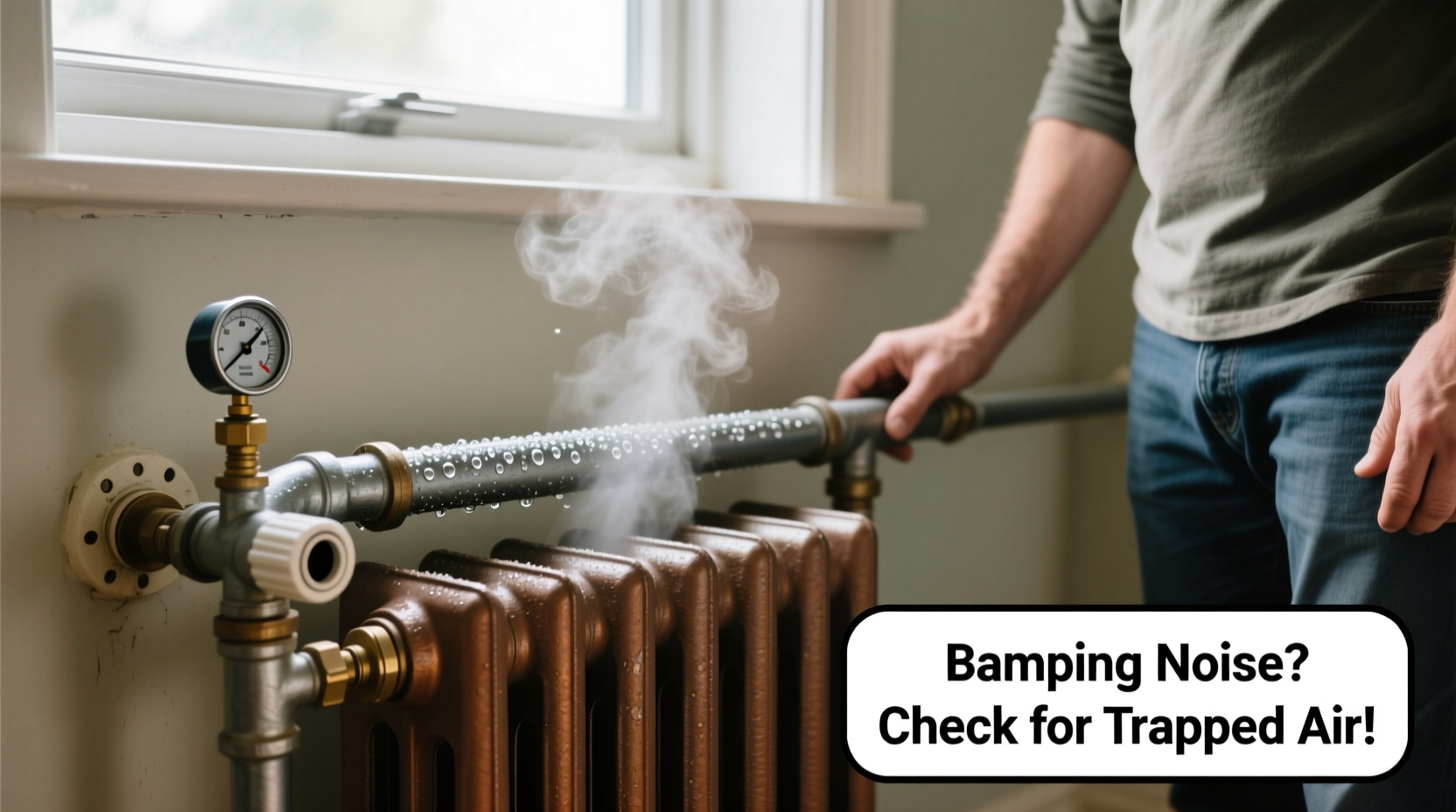
Banging noises in radiators typically stem from physical movement or pressure changes within the system. Identifying the exact cause is essential before attempting any fixes. Below are the primary culprits:
- Thermal Expansion and Contraction: Metal expands when heated and contracts as it cools. If a radiator isn’t properly mounted or has limited clearance, this movement can cause it to knock against walls, floorboards, or brackets.
- Trapped Air: Air bubbles trapped inside the radiator reduce efficiency and can lead to gurgling or knocking sounds as steam pockets shift.
- Sludge Buildup: Over time, rust and debris accumulate in the bottom of radiators, restricting water flow. This uneven heating can create popping or banging noises.
- Water Hammer (in Pipes): A hydraulic shock caused by sudden valve closures in the boiler or zone valves can send pressure waves through pipes, resulting in loud bangs.
- Loose Mounting Brackets: If the brackets holding the radiator to the wall are loose or corroded, the unit may vibrate or shift slightly when hot water flows through it.
- Incorrect System Pressure: Too high or too low pressure in the central heating system can cause erratic water movement and noise.
Step-by-Step Troubleshooting Guide
Follow this logical sequence to diagnose and resolve the source of the banging noise. Start with the simplest checks and progress to more involved procedures if needed.
- Identify When the Noise Occurs: Does the banging happen when the heating turns on, during operation, or when it shuts off? This timing can help pinpoint the cause:
- Noise at startup: Likely thermal expansion or water hammer.
- Constant knocking while running: Could indicate trapped air or sludge.
- Noise at shutdown: Often due to rapid contraction or pressure shifts.
- Check Radiator Mounting: Inspect the brackets securing the radiator to the wall. Gently wiggle the unit to test for looseness. Tighten any visible screws or bolts using a wrench. If brackets are rusted, replace them.
- Ensure Proper Clearance: Make sure the radiator isn’t touching the wall, skirting board, or any nearby furniture. Leave at least 2–3 cm of space behind and below for airflow and expansion.
- Bleed the Radiator: Use a radiator key to open the bleed valve at the top corner. Place a cloth underneath to catch drips. Turn the key counterclockwise until you hear air escaping. Once water starts to drip, close the valve. This removes trapped air that could be causing gurgling or knocking.
- Assess System Pressure: Check the pressure gauge on your boiler. Normal operating pressure is between 1.0 and 1.5 bar when cold. If below 0.5 bar, repressurize using the filling loop under the boiler. If above 2.0 bar, consult a heating engineer.
- Flush the Radiator (if accessible): For older systems with persistent noise, sludge buildup may be the issue. Isolate the radiator, drain it, and flush with clean water. Consider chemical inhibitors or professional power flushing for severe cases.
- Inspect Thermostatic Valves: Faulty thermostatic radiator valves (TRVs) can cause abrupt water flow changes, leading to banging. Replace if sticking or leaking.
Do’s and Don’ts When Dealing with Noisy Radiators
| Action | Do | Don't |
|---|---|---|
| Bleeding Radiators | Do it when the system is cold and use a proper radiator key. | Don’t leave the bleed valve open unattended or force it if stuck. |
| Tightening Brackets | Do secure loose brackets firmly but avoid over-tightening metal into plaster. | Don’t ignore signs of wall damage or crumbling anchors. |
| Repressurizing Boiler | Do follow manufacturer instructions and check pressure regularly. | Don’t exceed 2.0 bar or attempt repairs if leaks are present. |
| Using Chemical Inhibitors | Do add corrosion inhibitors annually to prevent sludge. | Don’t mix incompatible chemicals or skip dosage guidelines. |
| Calling a Professional | Do contact a Gas Safe registered engineer for complex issues. | Don’t attempt gas or pressurized system repairs without certification. |
Real Example: Resolving a Persistent Banging Issue
Sarah, a homeowner in Manchester, noticed her upstairs bedroom radiator started making a loud banging sound every time the heating came on. The noise was disruptive, especially at night. She first tried bleeding the radiator, which released some air but didn’t stop the banging. Next, she checked the mounting brackets and found one had pulled away from the wall due to weakened plaster. After tightening the bracket and adding a spacer to allow room for expansion, the noise reduced significantly. However, the radiator still made a faint pop when cooling down. A local heating engineer diagnosed minor sludge buildup and recommended a chemical flush. Following the treatment, the system ran silently and more efficiently.
This case illustrates how multiple factors can contribute to noise—and how systematic troubleshooting leads to a full resolution.
Expert Insight on Heating System Maintenance
“Many radiator noises are preventable with regular maintenance. Bleeding radiators twice a year, checking pressure monthly, and using system inhibitors can eliminate 90% of common issues.” — James Holloway, Certified Heating Engineer with 18 years of experience
According to industry standards, central heating systems should be serviced annually. Regular maintenance not only prevents noise but also improves energy efficiency, reduces fuel costs, and extends the lifespan of both radiators and boilers.
When to Call a Professional
While many radiator issues can be resolved DIY-style, certain situations require expert intervention:
- You notice water leaks around valves, joints, or the radiator body.
- The boiler frequently loses pressure after repressurizing.
- Banging persists despite bleeding, tightening, and flushing.
- You suspect a problem with the pump, expansion tank, or zone valves.
- There’s a history of corrosion or frequent sludge in the system.
In such cases, a qualified heating engineer can perform diagnostics using pressure tests, thermal imaging, or system flushing equipment. Attempting advanced repairs without proper tools or knowledge can void warranties or create safety hazards.
Frequently Asked Questions
Is a banging radiator dangerous?
Not usually. Most banging noises are mechanical and not indicative of immediate danger. However, persistent knocking combined with leaks, pressure loss, or overheating should be inspected promptly to avoid potential system failure.
Can I stop the noise by turning down the thermostat?
Sometimes. Lowering the temperature reduces thermal expansion, which may minimize banging. But this is a temporary workaround—not a fix. Address the underlying cause for long-term results.
How often should I bleed my radiators?
At least once per year, ideally before winter begins. Homes with older systems or noticeable cold spots may benefit from biannual bleeding. Always do it when the system is cold to avoid scalding.
Preventative Maintenance Checklist
To keep your heating system quiet and efficient, follow this seasonal checklist:
- ✅ Bleed all radiators before winter.
- ✅ Check boiler pressure and top up if necessary.
- ✅ Inspect brackets and tighten loose fittings.
- ✅ Flush radiators showing signs of slow heating or cold bottoms.
- ✅ Add a central heating inhibitor if not already present.
- ✅ Schedule a professional boiler service annually.
- ✅ Clean radiator surfaces and vents to improve heat output.
Conclusion: Take Control of Your Heating Comfort
A banging radiator doesn’t have to mean costly repairs or sleepless nights. In most cases, the solution lies in basic maintenance, proper installation, and understanding how your heating system behaves. By systematically addressing air, pressure, mounting, and sludge issues, you can restore quiet operation and improve overall efficiency. Small actions—like bleeding a radiator or tightening a bracket—can make a big difference in comfort and longevity.




 浙公网安备
33010002000092号
浙公网安备
33010002000092号 浙B2-20120091-4
Comments
No comments yet. Why don't you start the discussion?