
A refrigerator should operate with a quiet hum, not a persistent or loud buzzing noise. When you start hearing unusual sounds—especially a continuous buzz—it’s natural to wonder whether it’s a minor issue or a sign of something serious. While some buzzing can be normal during certain cycles, sudden, intense, or prolonged buzzing often points to an underlying mechanical or electrical problem. Understanding the causes and knowing when to take action can prevent food spoilage, costly repairs, or even total appliance failure.
This guide breaks down the most common reasons behind a buzzing refrigerator, offers practical troubleshooting steps, and clearly outlines when it's time to call in a professional technician.
Common Causes of Refrigerator Buzzing
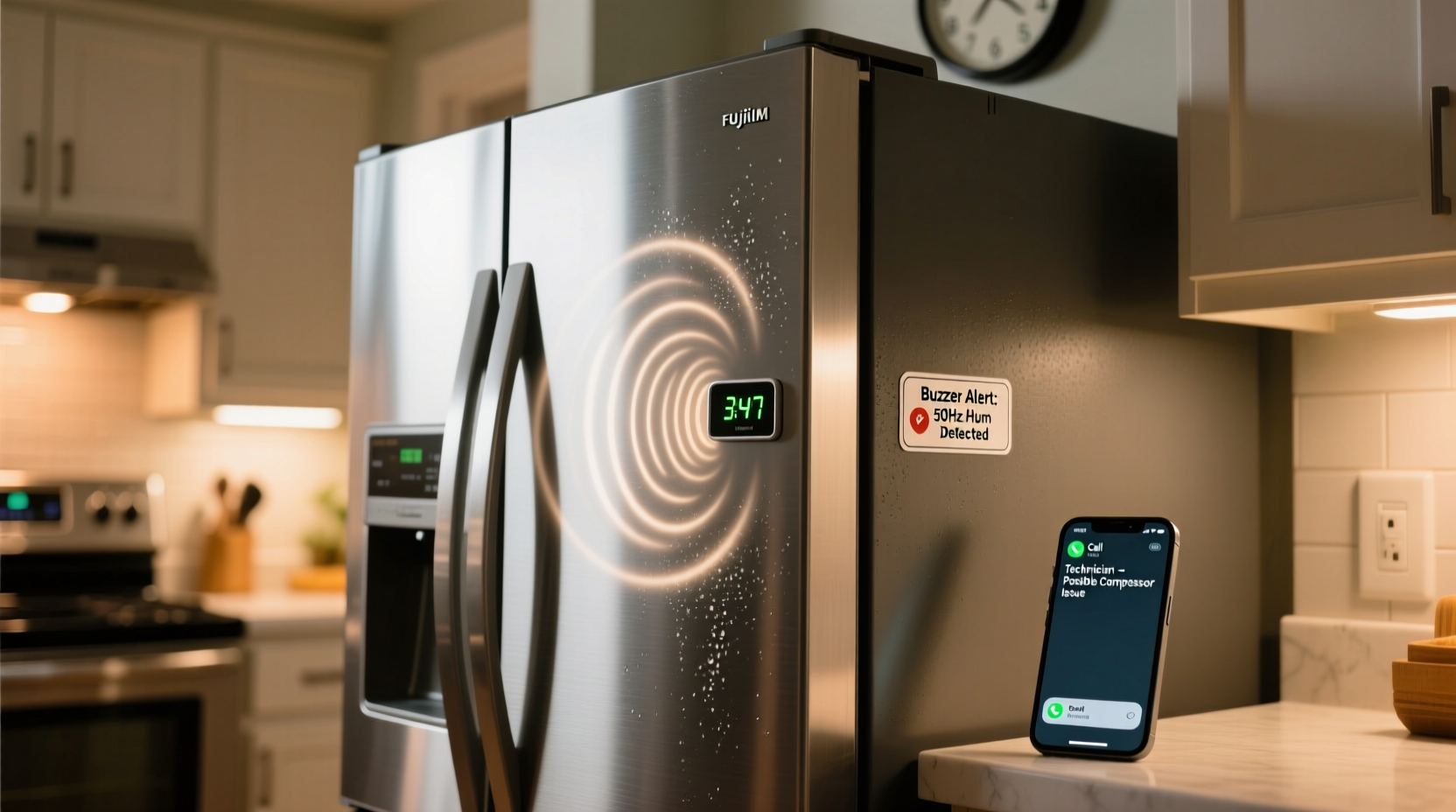
Buzzing noises from a refrigerator aren’t always a cause for alarm. Some are part of regular operation, while others signal developing problems. Identifying the source helps determine whether intervention is needed.
1. Normal Compressor Cycling
The compressor is the heart of your refrigerator, responsible for circulating refrigerant. It emits a low hum or brief buzz when starting up or shutting down. This is completely normal and typically lasts only a few seconds.
2. Condenser Fan Motor Issues
Located near the back or bottom of the unit, the condenser fan helps dissipate heat from the coils. If dust builds up or the motor bearings wear out, the fan may produce a louder-than-usual buzzing or grinding noise. A failing motor might also cause the fridge to overheat and lose cooling efficiency.
3. Evaporator Fan Problems
Inside the freezer compartment, the evaporator fan circulates cold air into the fridge. If ice accumulates around the blades or the motor is failing, it can create a high-pitched buzzing or whirring sound. This often coincides with uneven cooling or frost buildup.
4. Water Inlet Valve Hum or Buzz
If your refrigerator has an ice maker or water dispenser, the solenoid valve that controls water flow can emit a buzzing sound when activated. This usually occurs during ice production and lasts less than a minute. However, a constant buzz could mean the valve isn’t closing properly or is receiving continuous power due to a control board fault.
5. Loose Components or Vibration
Over time, screws, brackets, or panels can loosen, causing parts to vibrate against each other when the compressor runs. Check if the refrigerator is level—if not, adjust the leveling feet. Also, ensure nothing is touching the back of the unit, as contact with walls or cabinets can amplify vibrations.
6. Defrost System Malfunction
The defrost heater and timer work periodically to melt frost from the evaporator coils. A faulty defrost heater may buzz or crackle during operation, especially if it’s short-circuiting. Ignoring this can lead to excessive ice buildup and reduced airflow.
7. Failing Start Relay or Capacitor
The start relay and capacitor assist the compressor in powering on. When these components degrade, they may produce a loud clicking followed by a sustained buzzing. In some cases, the compressor struggles to start, leading to repeated attempts and increased noise.
“Persistent buzzing that wasn’t there before is one of the earliest red flags of internal component failure. Address it early to avoid compressor burnout.” — Carlos Mendez, Appliance Repair Technician with 18 years of experience
Step-by-Step Guide: Diagnosing the Buzz
Before calling a technician, follow this logical sequence to identify the source of the noise and rule out simple fixes.
- Locate the Sound: Stand near the refrigerator and try to pinpoint where the buzzing is coming from—back, bottom, inside the freezer, or upper cabinet area.
- Check Operation Cycle: Note when the noise occurs—is it during startup, continuously, or only when the ice maker runs?
- Inspect for Obstructions: Ensure the fridge isn’t touching walls or cabinets, and that airflow around the unit is unobstructed.
- Level the Unit: Use a bubble level on the top shelf. Adjust the front leveling legs until the fridge is stable and doesn’t rock.
- Clean Condenser Coils: Unplug the fridge, pull it out, and vacuum or brush dust off the coils (usually at the back or beneath the front grille).
- Listen Inside the Freezer: Open the freezer and listen for fan noise. If buzzing comes from inside, turn off the ice maker to see if the sound stops.
- Test the Ice Maker: Disconnect power to the ice maker (via shut-off switch or unplugging) and observe if the buzzing ceases after a cycle would normally run.
- Monitor Temperature: Use a thermometer in both fridge and freezer compartments. Fluctuating or rising temps suggest a cooling problem linked to the noise.
When to Call a Technician: Clear Warning Signs
While some issues can be resolved with cleaning or adjustments, others require expert diagnosis and repair. Knowing when to pick up the phone can save time, money, and prevent further damage.
| Symptom | Can You Fix It? | Call a Technician? |
|---|---|---|
| Brief buzz at startup, then silence | Yes – likely normal operation | No |
| Continuous low hum from back | Check for dust; clean coils | Only if persists after cleaning |
| Loud, constant buzzing from compressor area | No – possible relay or capacitor failure | Yes |
| Buzzing with no cooling | No – indicates compressor or control issue | Yes immediately |
| Buzzing only when ice maker runs | Try turning off ice maker | Yes, if valve remains energized |
| Grinding or screeching with buzz | No – fan motor likely failing | Yes |
| Frequent clicking before buzzing | No – sign of start component failure | Yes |
Mini Case Study: The Persistent Kitchen Buzz
Jamie noticed a new buzzing sound coming from her side-by-side refrigerator every time the ice maker cycled. At first, she assumed it was normal, but within a week, the noise became constant—even when no ice was being made. She tried shutting off the ice maker, which temporarily silenced the buzz, but the freezer began warming up.
After checking online forums and testing voltage with a multimeter (a step not recommended without experience), she called a technician. The diagnosis? A stuck water inlet valve that remained partially open, drawing continuous power and generating heat. The valve was replaced for $140, and the fridge returned to normal operation. Jamie learned that ignoring intermittent noises can escalate into larger issues—especially when linked to temperature changes.
Troubleshooting Checklist
Use this checklist to quickly assess your refrigerator’s condition:
- ✅ Is the refrigerator level and stable?
- ✅ Are the condenser coils clean and free of dust?
- ✅ Is the back of the fridge at least 2 inches from the wall?
- ✅ Does the buzzing occur only during ice maker operation?
- ✅ Have you turned off the ice maker to test the noise?
- ✅ Is the freezer building up excessive frost?
- ✅ Are both fridge and freezer maintaining proper temperatures?
- ✅ Does the compressor attempt to start but fail or buzz loudly?
- ✅ Has the noise increased in frequency or volume over time?
- ✅ Have you recently experienced a power surge or outage?
If three or more items are flagged, it’s strongly recommended to schedule a professional inspection.
Frequently Asked Questions
Is a buzzing refrigerator dangerous?
In most cases, a buzzing fridge isn’t an immediate safety hazard. However, if the noise is accompanied by burning smells, smoke, or tripped circuit breakers, unplug the unit immediately and contact a technician. Electrical faults in the compressor or wiring can pose fire risks.
Why does my fridge buzz more at night?
Quiet nighttime environments make normal operational sounds more noticeable. However, if the buzzing is louder or more frequent at night, it could indicate higher ambient temperatures (if the kitchen heats up), increased compressor workload, or a failing component struggling under load.
Can I replace the start relay myself?
Yes, the start relay is a relatively simple part to replace and often sold as a kit matching your model number. However, if you’re uncomfortable working with electrical components or the issue persists after replacement, professional help is advised. Misdiagnosis can lead to repeated part failures.
Conclusion: Don’t Ignore the Buzz
A buzzing refrigerator may seem like a minor annoyance, but it’s often the first symptom of a deeper issue. From clogged coils to failing motors and electrical malfunctions, the causes range from easy fixes to urgent repairs. By systematically diagnosing the noise and recognizing red flags—like rising temperatures, constant buzzing, or failed startups—you protect your appliance, your food, and your home.
Simple maintenance goes a long way, but don’t hesitate to call a qualified technician when the problem extends beyond basic troubleshooting. Timely intervention can extend your refrigerator’s lifespan by years and prevent unexpected breakdowns.




 浙公网安备
33010002000092号
浙公网安备
33010002000092号 浙B2-20120091-4
Comments
No comments yet. Why don't you start the discussion?