
A refrigerator should operate with a quiet, consistent hum—familiar enough that you barely notice it. But when that sound turns into a loud, persistent, or irregular humming, it’s natural to pause and wonder: Is this normal? Could it signal something serious? The truth is, not all humming noises are cause for alarm, but some are early warnings of bigger issues. Understanding the difference can save you money, prevent food spoilage, and extend the life of your appliance.
Refrigerators rely on several mechanical components to maintain cool temperatures, and many of these parts produce sound during operation. A slight increase in volume isn’t always a problem—especially after cleaning cycles or temperature adjustments. However, sudden changes in pitch, intensity, or duration may point to underlying faults that require attention.
Common Causes of Loud Humming Noises
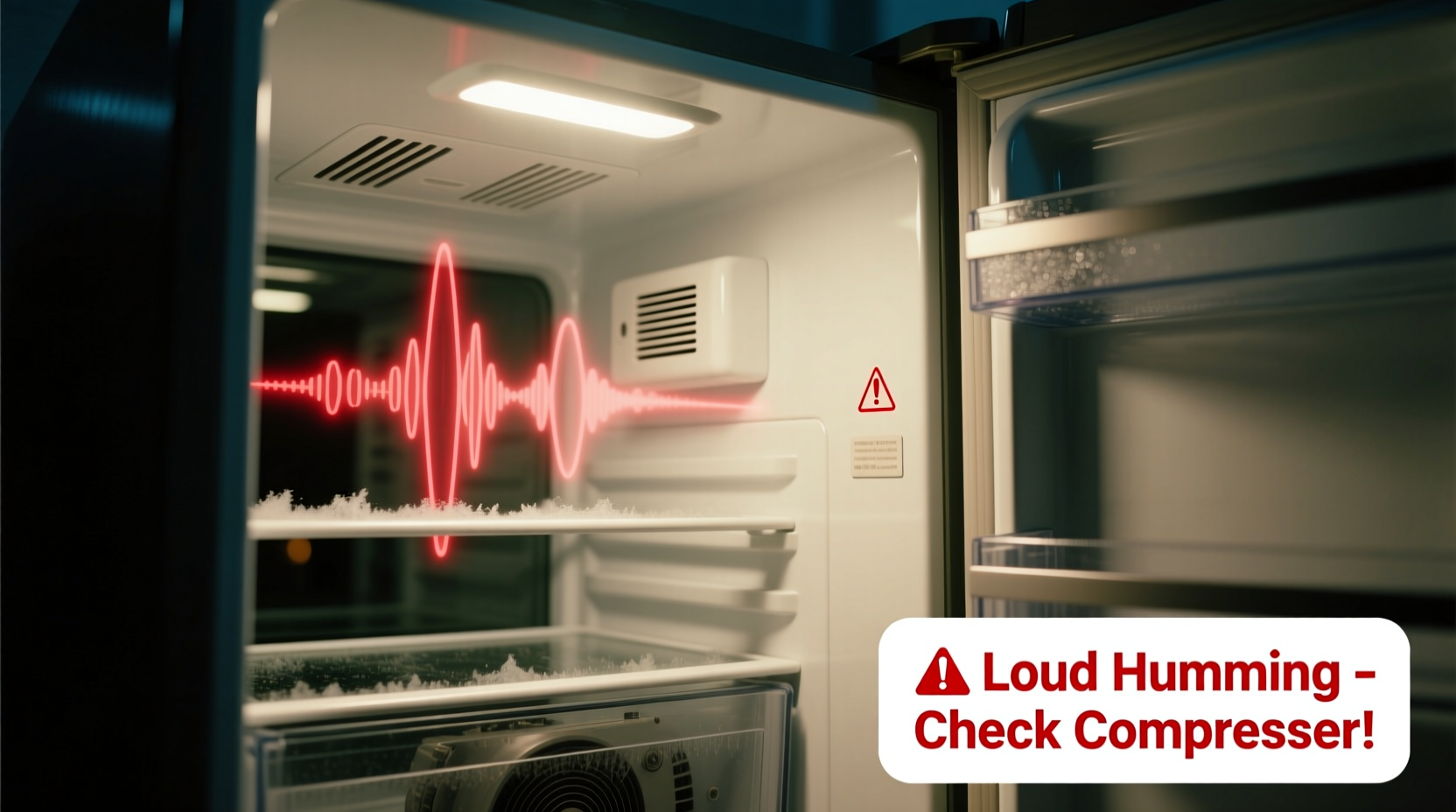
The most frequent sources of abnormal humming originate from key internal systems. Identifying which component is responsible helps determine whether the issue is minor or urgent.
- Condenser Fan Motor: Located near the back or bottom of the unit, this fan cools the condenser coils. If dust-clogged or failing, it may emit a louder-than-usual hum or grinding noise.
- Compressor: The heart of the cooling system, typically at the rear lower section. A healthy compressor produces a steady hum. A louder, vibrating, or rhythmic pulsing sound could indicate wear or improper mounting.
- Evaporator Fan (inside freezer): Circulates cold air through the fridge. When bearings wear out, the motor may generate a high-pitched whine or deep drone.
- Water Inlet Valve: On refrigerators with ice makers or water dispensers, this valve opens to refill the reservoir. A faulty valve can buzz or hum intermittently, especially during water flow.
- Defrost Timer or Heater: During defrost cycles, the heater activates briefly. An aging timer may stick, causing prolonged humming or clicking.
In newer models, variable-speed compressors adjust output based on demand, which can create fluctuating sounds. This is often mistaken for malfunction when it's actually part of energy-efficient design.
When Should You Be Concerned?
Not every unusual sound means disaster, but certain red flags suggest immediate action is needed. Refrigerators are long-term investments, and ignoring warning signs can lead to costly repairs—or total failure.
A low, steady hum that has been present since installation is usually harmless. But if the noise has changed dramatically over hours or days, investigate further. Key concerns include:
- Sudden volume increase – Especially if accompanied by vibration felt through the floor or cabinets.
- Rattling or buzzing – May indicate loose parts, failing motors, or electrical arcing.
- Intermittent humming that cycles frequently – Could mean the compressor is short-cycling due to overheating or refrigerant issues.
- No cooling despite noise – If the fridge hums loudly but doesn't cool, the compressor may be struggling or failed.
“Unusual refrigerator noises are like coughs in humans—sometimes benign, sometimes symptomatic of deeper problems. Pay attention to changes in rhythm, intensity, and accompanying performance issues.” — Dr. Alan Zhou, Appliance Systems Engineer, Midwest Technical Institute
Understanding Normal vs. Abnormal Operation
It’s helpful to distinguish between expected operational sounds and those requiring intervention. Use the table below as a reference:
| Sound Type | Likely Source | Is It Normal? | Recommended Action |
|---|---|---|---|
| Steady low hum | Compressor running | Yes | None needed |
| Loud vibrating hum | Loose compressor mount or unlevel fridge | No | Level the unit; call technician if persists |
| High-pitched whirring | Evaporator fan obstruction or bearing wear | No | Clean fan blades; replace motor if noisy |
| Buzzing during ice cycle | Water inlet valve | Possibly | Check water pressure; inspect valve for debris |
| Clicking + humming every few minutes | Short-cycling compressor | No | Call professional—could indicate refrigerant leak or overload |
Step-by-Step Guide to Diagnosing the Noise
If your refrigerator starts humming louder than usual, follow this logical troubleshooting sequence before calling a technician. Many issues can be resolved quickly—and inexpensively—with basic maintenance.
- Unplug the refrigerator temporarily. Safety first. Turn off power at the outlet or circuit breaker to eliminate risk while inspecting components.
- Check if the unit is level. Use a bubble level on the top shelf. If tilted forward or sideways, adjust the front legs until balanced. An unlevel fridge forces motors to work harder, increasing strain and noise.
- Inspect and clean the condenser coils. Found at the back or beneath the unit, these coils collect dust over time. Use a coil brush or vacuum to remove buildup. Dirty coils reduce efficiency and cause the compressor to overheat and run longer.
- Listen for location-specific sounds. Plug the fridge back in and open both fridge and freezer doors. Stand nearby and identify where the noise seems loudest:
- Back/bottom → likely condenser fan or compressor
- Inside freezer → evaporator fan
- Near ice maker → water valve or auger motor
- Test fan operation. In the freezer compartment, ensure the evaporator fan spins freely. Remove any ice blockages. If the fan is seized or wobbly, replacement is likely needed.
- Verify ambient conditions. Is the kitchen unusually hot? Has the door been left open frequently? High ambient temperatures make compressors run longer and louder. Allow 24 hours under normal use to reassess.
- Monitor cooling performance. Place a glass of water in the fridge and freezer. Check every few hours. If not chilling properly despite continuous humming, internal failure may be occurring.
Real Example: A Case of Misdiagnosed Humming
Sarah from Portland noticed her Samsung French-door refrigerator began emitting a loud, pulsing hum late one evening. At first, she assumed the compressor was failing and braced for a $1,200 replacement. She unplugged the unit overnight and called a repair service the next day.
The technician arrived and asked two questions: “Does the noise happen only when the ice maker is active?” and “Have you checked the water filter?” Sarah hadn’t considered either. After inspection, the tech discovered the water inlet valve was partially clogged, causing it to vibrate excessively during refill attempts. The filter hadn’t been changed in over a year.
He replaced the filter, flushed the line, and tested the valve. The humming dropped to a faint click. Total cost: $35 for a new filter and labor. Sarah avoided an unnecessary service call later that week when another company quoted $700 for a “faulty compressor.”
This case underscores a critical point: Not all loud noises come from major components. Sometimes, a simple $15 fix resolves what seems like a catastrophic issue.
Preventive Maintenance Checklist
Regular care reduces the likelihood of unexpected noises and extends your refrigerator’s lifespan. Follow this checklist monthly or quarterly:
- ✅ Clean condenser coils with a soft brush or vacuum attachment
- ✅ Replace water filter every 6 months (or per manufacturer guidelines)
- ✅ Check door seals for cracks or gaps using the dollar bill test
- ✅ Defrost freezer manually if frost exceeds ¼ inch (for non-frost-free models)
- ✅ Ensure proper clearance around the unit—leave at least 2 inches at the back and sides
- ✅ Listen weekly for changes in operational sound
- ✅ Keep interior organized to allow airflow; avoid blocking vents
“The number one reason we see avoidable compressor failures? Neglected coil maintenance. Dust acts like insulation, trapping heat and forcing the system to work up to 30% harder.” — National Appliance Technicians Association (NATA) Field Report, 2023
Frequently Asked Questions
Is a humming refrigerator dangerous?
In most cases, no. A humming fridge isn’t inherently dangerous unless accompanied by burning smells, smoke, or tripped circuit breakers. However, persistent loud noise can indicate stress on electrical components, which over time may pose fire risks if left unchecked—especially in older units.
Can I continue using the fridge if it’s making noise?
Yes, if cooling performance remains stable and the noise is occasional. However, do not ignore sustained increases in volume or new rattling/buzzing. Continuing to run a failing compressor can lead to complete breakdown and loss of perishable food. Monitor closely and schedule inspection within a week if symptoms persist.
How much does it cost to fix a noisy refrigerator?
Repairs vary widely:
- Coil cleaning: $0–$50 (DIY or technician)
- Fan motor replacement: $150–$300
- Water inlet valve: $100–$200
- Compressor repair/replacement: $400–$1,000+
Conclusion: Act Early, Save Later
A loud humming noise from your refrigerator isn’t something to ignore—but it also doesn’t always mean disaster. By understanding the mechanics behind the sound, you gain the power to respond wisely rather than react emotionally. Most issues start small: a dusty coil, a worn bearing, a clogged filter. Addressing them promptly prevents escalation.
Don’t wait for silence to become a crisis. Take five minutes today to clean the coils, check the level, and listen carefully. These small actions protect your food, your wallet, and your peace of mind. If uncertainty remains, consult a certified technician—your local utility provider often offers subsidized diagnostic services.




 浙公网安备
33010002000092号
浙公网安备
33010002000092号 浙B2-20120091-4
Comments
No comments yet. Why don't you start the discussion?