
A refrigerator should operate with a quiet hum—consistent, predictable, and unobtrusive. When you start hearing knocking sounds, especially rhythmic thuds or sudden bangs, it’s natural to worry. Is something broken? Could it be dangerous? And most importantly, do you need to call a technician right away?
The truth is, not all knocking noises are signs of imminent failure. Some are part of normal operation, while others point to developing issues that could escalate if ignored. Understanding the difference can save you from unnecessary service calls—or prevent costly repairs down the line.
Common Causes of Knocking Noises in Refrigerators
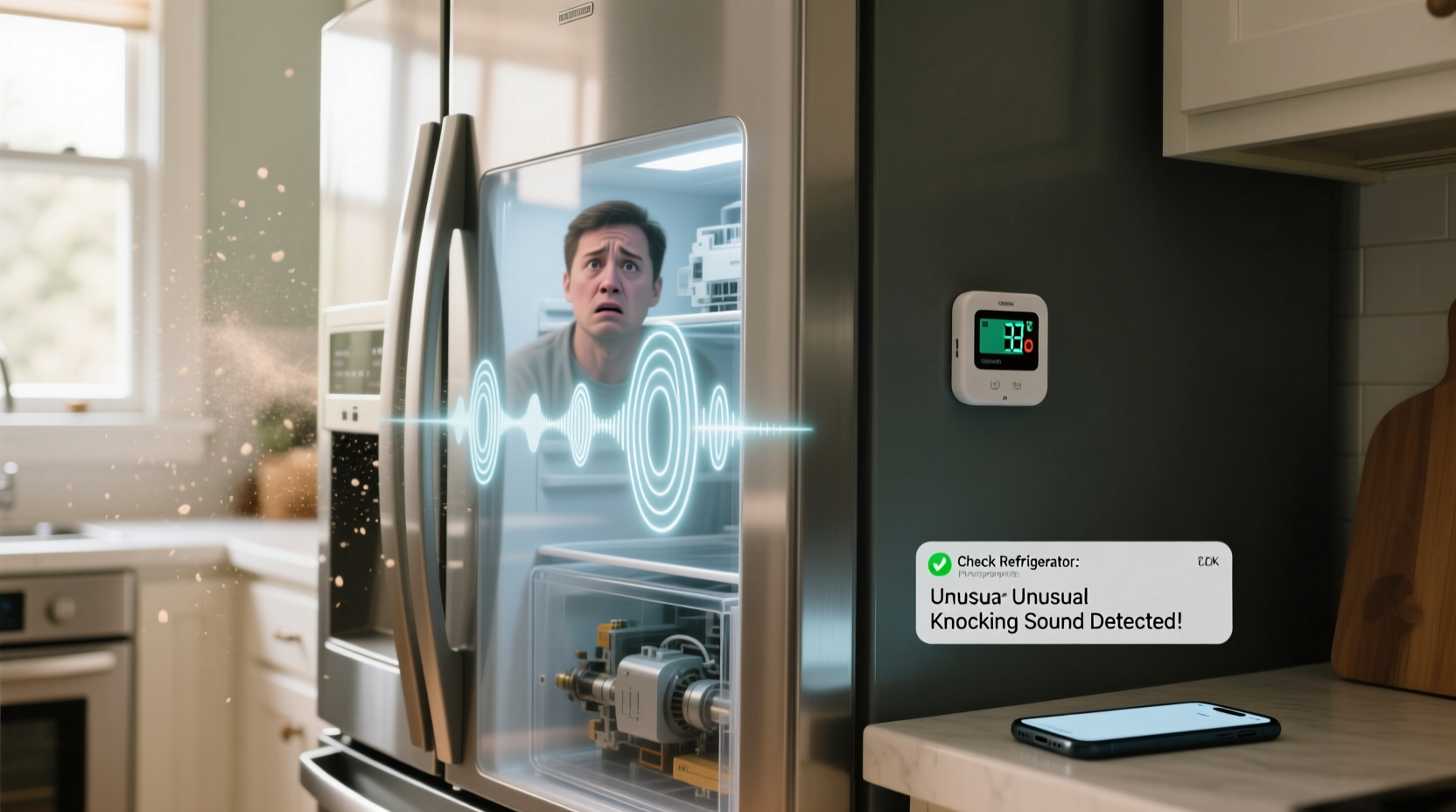
Knocking sounds in refrigerators typically originate from internal components expanding, contracting, or cycling on and off. The source often depends on when the noise occurs: during startup, cooling cycles, defrosting, or even after closing the door.
- Thermal expansion and contraction: As metal parts heat up and cool down during operation, they expand and contract. This movement can cause ticking or light knocking, especially in newer models with tighter construction.
- Defrost cycle activity: Many refrigerators have automatic defrost systems. When the heater activates to melt frost buildup, the sudden temperature change can make surrounding panels pop or knock.
- Condenser fan or evaporator motor issues: If the fan blades are unbalanced, obstructed, or worn, they may create a knocking or slapping sound as they spin.
- Water inlet valve vibration: During ice maker or water dispenser use, the solenoid valve opens abruptly. If loose or aging, it can vibrate against the cabinet, producing a knocking or banging noise.
- Compressor cycling: The compressor is the heart of your fridge’s cooling system. It engages and disengages periodically. A healthy compressor makes a low hum, but if mounts are worn or internal parts are failing, it may produce loud thuds.
When Knocking Is Normal vs. When It’s a Problem
Not every unusual sound means disaster. Refrigerators are complex appliances with moving parts, fluids, and pressure changes—all of which generate some noise. But there are clear indicators that separate harmless operation from warning signs.
| Noise Type | Likely Cause | Is It Serious? |
|---|---|---|
| Light ticking or popping after shutdown | Plastic panels contracting as they cool | No – completely normal |
| Rhythmic knocking every few hours | Defrost heater activating | Usually no – unless accompanied by poor cooling |
| Loud thud at startup | Compressor engaging | Potentially yes – if new or worsening |
| Intermittent metallic banging | Loose water valve or tubing | Moderate – can lead to leaks or failure |
| Continuous knocking with vibration | Failing compressor or unbalanced fan | Yes – requires professional inspection |
“Modern refrigerators are designed to be quiet, but minor operational sounds are expected. What matters is change—when a familiar hum turns into a knock, that’s when homeowners should pay attention.” — Carlos Mendez, Appliance Repair Technician with 18 years of field experience
Step-by-Step Guide: Diagnosing the Knocking Sound
Before calling a technician, perform a systematic check to narrow down the cause. This saves time and money—and might reveal a simple fix you can handle yourself.
- Identify when the noise occurs: Does it happen when the fridge starts cooling? During the night? Only when using the ice maker? Take notes over 24 hours.
- Check if the refrigerator is level: Use a bubble level on the top shelf. An unlevel fridge can cause internal components to shift and knock. Adjust the front legs until stable.
- Inspect the back panel: Unplug the unit and pull it away from the wall. Look for loose screws, vibrating hoses, or debris around the condenser fan.
- Listen near the freezer compartment: If the knock comes from inside the freezer wall, it may be the evaporator fan or defrost system.
- Examine the water supply line (if applicable): Ensure the line isn’t touching the cabinet. Secure it with tape or clips if needed.
- Test the compressor area: After the fridge cycles off, wait 5 minutes, then listen closely when it restarts. A single deep thud followed by steady hum is usually fine. Repeated knocking or grinding is concerning.
Real Example: When a “Normal” Knock Turned Serious
Sarah from Portland noticed a faint knocking in her side-by-side Samsung refrigerator every few hours. At first, she dismissed it—until she found puddles on the kitchen floor one morning. She called a technician who discovered the water inlet valve was cracked from repeated vibration against the chassis. The knocking had been a warning sign for weeks.
Worse, the constant stress had begun affecting the compressor mounts. By addressing it early, Sarah avoided a full system replacement. Her repair cost $180; a new fridge would have cost over $1,200.
This case highlights a key principle: recurring knocking noises, even if mild, should not be ignored—especially if they coincide with other symptoms like water leaks, inconsistent cooling, or longer run times.
Checklist: Should You Call a Technician?
Use this checklist to determine whether professional help is necessary. Answer “yes” to any of these, and consider scheduling an inspection.
- ✅ The knocking has increased in volume or frequency over the past week
- ✅ The fridge struggles to stay cold (food feels warm, condensation builds up)
- ✅ You hear grinding, screeching, or buzzing along with the knocking
- ✅ The refrigerator runs constantly without shutting off
- ✅ There’s a burning smell or visible smoke near the unit
- ✅ The ice maker or water dispenser has stopped working
- ✅ The knocking occurs with strong vibrations felt through the floor
If three or more apply, the risk of major component failure is high. Delaying service could result in food spoilage, water damage, or complete breakdown.
What Technicians Look For During Service
Professional diagnostics go beyond listening to the noise. A qualified technician will conduct a thorough assessment, including:
- Measuring refrigerant pressure levels
- Testing compressor amperage draw
- Inspecting motor mounts and fan balance
- Checking for loose brackets or misaligned panels
- Verifying electrical connections and control board signals
In many cases, the fix is relatively simple—a tightened valve, a replaced fan motor, or repositioned tubing. But catching problems early prevents cascading failures. For example, a failing compressor can contaminate the entire refrigerant system, requiring expensive line flushing or replacement.
“The biggest mistake I see is waiting until the fridge stops cooling. By then, the compressor is often beyond repair. Early intervention based on odd noises can save hundreds.” — Linda Tran, Senior HVAC & Appliance Specialist
FAQ: Common Questions About Refrigerator Knocking Noises
Is it normal for a new refrigerator to make knocking sounds?
Yes, to an extent. New units often make ticking, popping, or light knocking as internal plastics and metals adjust to temperature cycles. These should subside within the first few weeks. Persistent or loud knocks should be reported to the retailer or manufacturer, especially if under warranty.
Can a knocking noise indicate a Freon leak?
Not directly. A Freon (refrigerant) leak usually causes hissing or bubbling sounds, along with poor cooling performance. However, knocking can precede a leak if vibration damages refrigerant lines over time. If cooling weakens alongside knocking, have the system pressure-checked.
How much does it cost to repair a knocking refrigerator?
Repair costs vary widely. Simple fixes like securing a water valve or replacing a fan motor range from $100–$250. Compressor replacements can cost $400–$800, sometimes approaching the price of a new unit. Always get a diagnostic estimate before authorizing major repairs.
Preventive Maintenance Tips to Reduce Future Noise
Regular care reduces mechanical stress and extends your refrigerator’s life. Incorporate these habits into your routine:
- Clean condenser coils every 6 months using a coil brush or vacuum attachment.
- Ensure at least 2 inches of clearance around the unit for airflow.
- Replace water filters as recommended (usually every 6 months) to reduce strain on the water valve.
- Avoid overloading shelves, which can misalign internal components.
- Check door seals monthly for cracks or gaps that force the compressor to work harder.
Conclusion: Don’t Ignore the Knock
Your refrigerator communicates through sound. A sudden or persistent knocking noise isn’t just annoying—it’s a signal. Sometimes it’s harmless, but other times it’s the first symptom of a growing problem. By understanding the possible causes, performing basic checks, and knowing when to call a professional, you protect both your appliance and your household budget.
If the knocking is new, worsening, or paired with performance issues, don’t wait. Schedule a technician visit before a minor rattle becomes a major repair. Your groceries—and your peace of mind—are worth it.




 浙公网安备
33010002000092号
浙公网安备
33010002000092号 浙B2-20120091-4
Comments
No comments yet. Why don't you start the discussion?