
It’s a common household frustration: you step into your bedroom or home office only to be met with a noticeable chill, while the rest of the house feels comfortably warm. You’re not imagining it—some rooms really do run colder, and this imbalance can stem from a range of issues, from poor insulation to airflow problems. The good news? Many of these problems have simple, affordable solutions that don’t require major construction or HVAC overhauls. Understanding the root causes and applying targeted fixes can make your space more comfortable in just a few hours.
Common Causes of a Cold Room
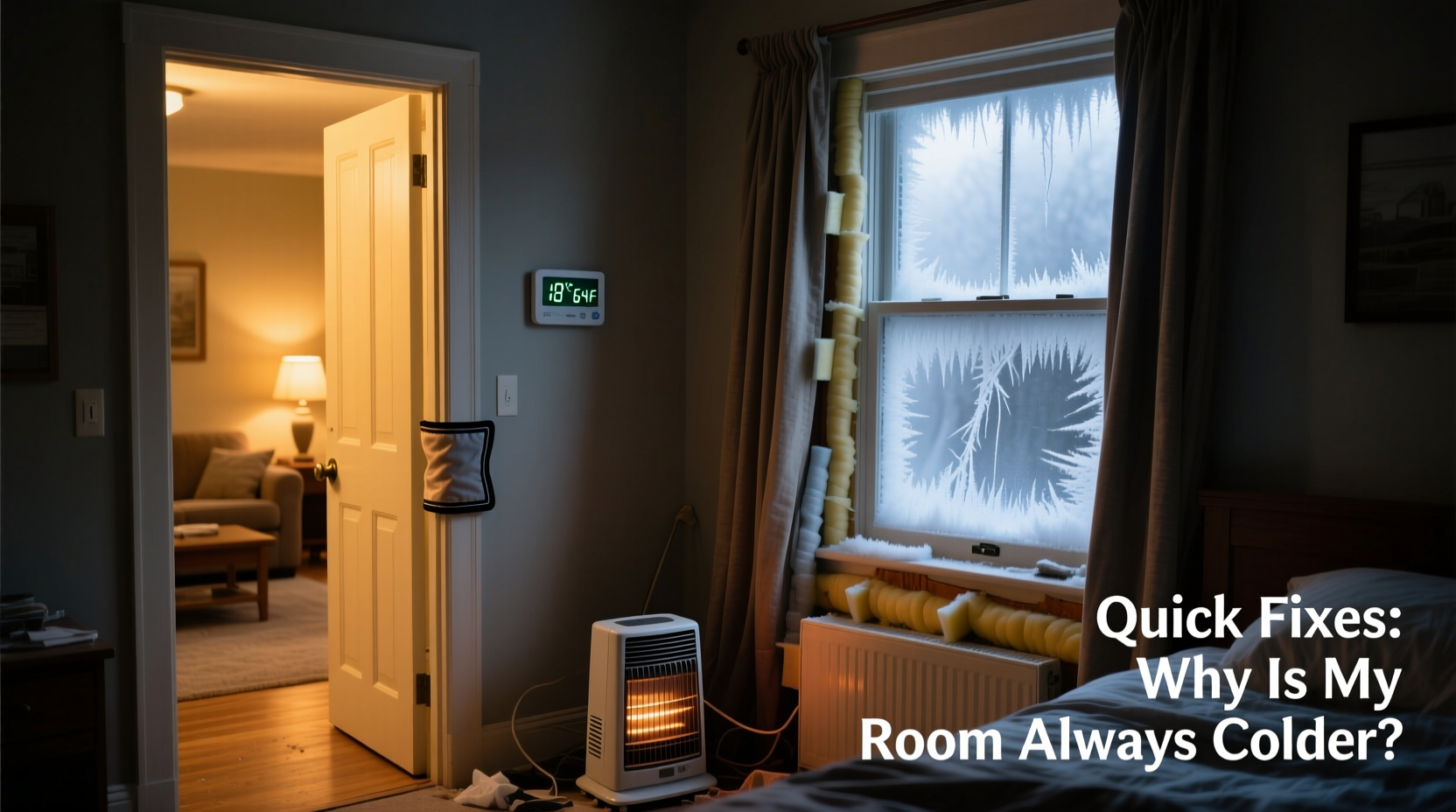
A single cold room in an otherwise warm house typically points to localized inefficiencies rather than a failing heating system. Several factors can contribute:
- Poor insulation: Walls, ceilings, or floors lacking sufficient insulation allow heat to escape, especially in older homes or exterior-facing rooms.
- Drafts and air leaks: Gaps around windows, doors, baseboards, or electrical outlets let cold outdoor air seep in.
- Inadequate airflow: Closed or blocked vents, dirty filters, or imbalanced ductwork can starve certain rooms of warm air.
- Room location: Rooms on upper floors, corners of the house, or those with multiple exterior walls lose heat faster.
- Thermostat placement: If your thermostat is located far from the cold room, it may shut off the heat before your room reaches a comfortable temperature.
Quick Fixes to Warm Up Your Room
You don’t need to replace windows or re-insulate walls immediately. Start with these low-cost, high-impact solutions that can make a noticeable difference within a day.
1. Adjust Your Vents and Registers
Ensure all supply vents in the cold room are fully open. Sometimes, vents get partially closed during cleaning or furniture rearrangement. Also, check that furniture, rugs, or curtains aren’t blocking airflow. Even a small obstruction can reduce warm air delivery by up to 30%.
2. Reverse Ceiling Fan Direction
Ceiling fans aren’t just for summer. In winter, they should rotate clockwise at a low speed to push warm air— which naturally rises—back down into the room. Most fans have a switch on the motor housing to change direction. This subtle adjustment can raise perceived room temperature by 2–4°F.
3. Seal Air Leaks
Use weatherstripping around doors and windows to seal gaps. For smaller cracks—like those around outlets or window frames—apply caulk or foam sealant. These materials are inexpensive and available at any hardware store. A thorough sealing job can prevent hundreds of cubic feet of cold air from entering daily.
4. Add Insulation Strategically
If your windows are old or single-pane, consider temporary fixes like insulating window film kits. These clear plastic sheets create an extra barrier against cold air. Alternatively, use heavy thermal curtains, especially at night. Studies show that insulated curtains can reduce heat loss through windows by up to 25%.
5. Use a Space Heater (Safely)
A ceramic space heater with a thermostat and tip-over protection can provide supplemental heat. Place it near the coldest wall or corner, but never under a desk or near flammable materials. Modern energy-efficient models use about as much electricity as a hair dryer and can quickly take the edge off a chilly room.
“Even minor air leaks can cause significant discomfort. Sealing gaps is one of the most cost-effective ways to improve indoor comfort.” — Dr. Linda Harper, Building Science Engineer, ASHRAE
Step-by-Step Diagnostic Checklist
Follow this practical sequence to identify and resolve the issue systematically:
- Inspect vents: Confirm the room’s supply vent is open and unobstructed. Check return vents nearby to ensure proper circulation.
- Test airflow: Hold a tissue near the vent while the heat is running. If it doesn’t flutter, there may be a duct blockage or imbalance.
- Check for drafts: On a windy day, move your hand slowly along window and door edges. Cold spots indicate leaks.
- Measure temperature differences: Use a digital thermometer to compare the cold room with adjacent spaces over several hours.
- Examine insulation: In unfinished areas (like attics or basements), look for thin or missing insulation near the cold room’s walls or ceiling.
- Assess furniture layout: Rearrange large pieces to ensure they aren’t blocking radiators or vents.
- Monitor thermostat behavior: Does the furnace cycle off while your room still feels cold? This could mean delayed heat delivery due to duct length or design.
Do’s and Don’ts: Heating Efficiency Guide
| Do | Don't |
|---|---|
| Keep vents clean and unblocked | Close more than 1–2 supply vents in the house |
| Use draft stoppers under exterior doors | Rely solely on space heaters for primary heating |
| Run ceiling fans clockwise in winter | Ignore persistent cold spots—they may indicate larger issues |
| Replace HVAC filter every 1–3 months | Overload circuits with multiple high-wattage heaters |
| Install smart vents to balance airflow | Seal vents permanently—this can damage duct systems |
Real-Life Example: The Corner Bedroom Dilemma
Sarah, a homeowner in Ohio, struggled each winter with her upstairs corner bedroom. Despite cranking the thermostat, the room remained 8°F colder than the hallway. She followed a systematic approach: first, she confirmed the vent was open and cleaned the HVAC filter. Next, she noticed a draft under the door and installed a $12 door sweep. She then applied an insulating window film kit to her double-hung windows and switched her ceiling fan to winter mode. Within two days, the room warmed by 6°F. Finally, she added a small radiant heater set to 68°F, which maintained comfort without raising her energy bill excessively. Her total investment: under $75 and less than four hours of effort.
When to Consider Professional Help
While many fixes are DIY-friendly, some issues require expert intervention:
- Duct leakage: If warm air isn’t reaching the room despite open vents, there may be leaks or disconnections in the ductwork. An HVAC technician can perform a duct blaster test and seal joints with mastic.
- Insufficient insulation: If walls feel cold to the touch, blown-in insulation or spray foam may be needed. Professionals can assess R-values and recommend upgrades.
- Zoning problems: Homes with multiple floors often benefit from zone-based heating. Installing motorized dampers and separate thermostats allows precise control per area.
According to the U.S. Department of Energy, sealing and insulating ducts can improve HVAC efficiency by up to 20%, especially in attics or crawl spaces where temperature extremes degrade performance.
Frequently Asked Questions
Why is my upstairs room colder in winter?
Heat rises, so upper floors tend to be warmer—but if your upstairs room is cold, it may have poor insulation, long duct runs, or excessive exposure to wind. Inconsistent airflow due to closed vents or clogged filters can also prevent warm air from reaching upper levels efficiently.
Can dirty air filters make one room colder?
Yes. A clogged HVAC filter restricts overall airflow, reducing the volume of warm air delivered to distant or hard-to-reach rooms. Regularly replacing filters (every 30–90 days) ensures consistent pressure and distribution throughout the system.
Should I close vents in unused rooms to save heat?
Not recommended. Modern forced-air systems are designed for balanced airflow. Closing too many vents increases pressure in the ducts, potentially causing leaks or forcing the furnace to work harder. Instead, use a programmable thermostat to lower temperatures in unused areas.
Final Thoughts and Action Plan
A cold room doesn’t have to be a permanent annoyance. Most cases stem from correctable issues like drafts, poor airflow, or inadequate insulation—all of which respond well to simple, low-cost interventions. Start with the easiest fixes: open vents, seal obvious leaks, adjust your ceiling fan, and add thermal curtains. Monitor the results over a few days. If the problem persists, move to intermediate steps like using a space heater or upgrading window treatments. Only after exhausting these options should you consider professional assessments for ductwork or insulation.
The goal isn’t perfection—it’s comfort. With a little observation and proactive maintenance, you can eliminate cold spots and enjoy consistent warmth throughout your home. Don’t tolerate shivering in one room while the rest of the house bakes. Take action today, and reclaim your comfort tonight.




 浙公网安备
33010002000092号
浙公网安备
33010002000092号 浙B2-20120091-4
Comments
No comments yet. Why don't you start the discussion?