
Flaking skin on the scalp is a common concern, often dismissed as simple dandruff. But what if you're washing regularly with anti-dandruff shampoos and still seeing flakes? Persistent flakiness—even after a thorough wash—can be frustrating and confusing. While dandruff caused by Malassezia yeast overgrowth is a frequent culprit, it's far from the only one. A range of underlying conditions, lifestyle habits, and product missteps can leave your scalp dry, irritated, and shedding.
Understanding why flakes persist despite cleanliness means looking beyond surface-level treatments. From inflammatory skin disorders to environmental stressors and improper hair care routines, multiple factors contribute to ongoing scalp flaking. This article explores the lesser-known causes, backed by dermatological insight, and provides actionable steps to restore scalp health.
Common Misconceptions About Scalp Flaking
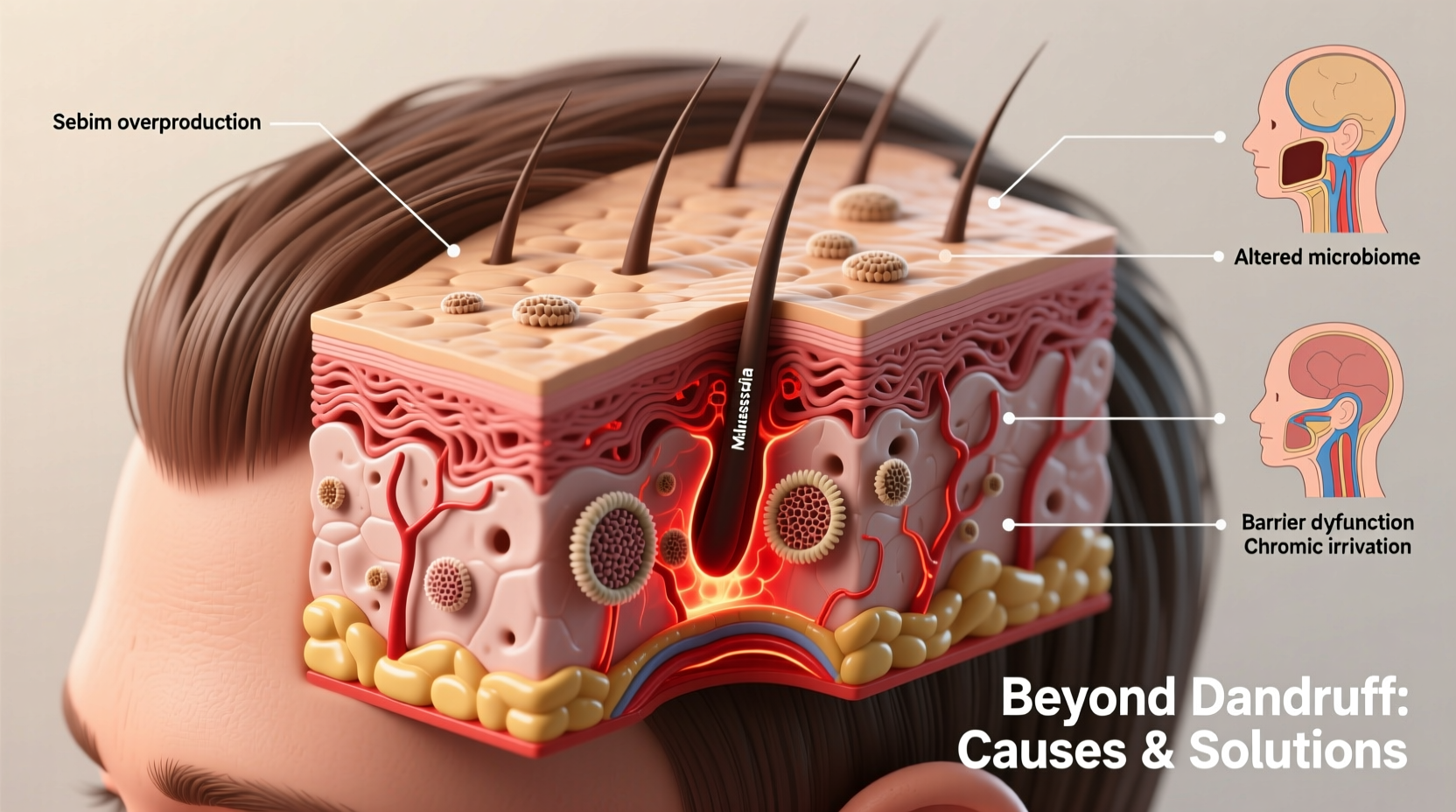
Many assume that any white specks in the hair are dandruff, leading to repeated use of medicated shampoos without improvement. The truth is, not all flaking is created equal. Dandruff typically presents as oily, yellowish flakes accompanied by mild itching. However, dry scalp produces smaller, whiter, powdery flakes—often mistaken for dandruff but requiring entirely different care.
Another misconception is that poor hygiene causes flaking. In reality, over-washing can strip natural oils, worsening dryness. Some individuals scrub aggressively or use hot water, which inflames the scalp and disrupts its protective barrier. Others rely solely on drugstore anti-dandruff formulas when their condition may require medical diagnosis and treatment.
Beyond Dandruff: 5 Hidden Causes of Persistent Scalp Flaking
1. Seborrheic Dermatitis
This chronic inflammatory condition affects areas rich in oil glands, including the scalp, eyebrows, and sides of the nose. Unlike regular dandruff, seborrheic dermatitis involves redness, greasy skin, and thick, yellowish scales. It’s linked to an overgrowth of Malassezia yeast, immune response irregularities, and hormonal fluctuations.
Triggers include stress, cold weather, and certain medications. While antifungal shampoos (like those containing ketoconazole or selenium sulfide) help manage symptoms, flare-ups often return without consistent care.
2. Psoriasis
Scalp psoriasis affects up to half of people with plaque psoriasis. It results from an overactive immune system causing skin cells to build up rapidly, forming thick, silvery-white scales with well-defined edges. The affected area may extend beyond the hairline onto the forehead or neck.
Psoriasis patches are often itchy and can bleed when scratched. Because the scaling resembles severe dandruff, it’s frequently misdiagnosed. Unlike dandruff, psoriasis requires prescription treatments such as topical corticosteroids, vitamin D analogs, or phototherapy.
“Scalp psoriasis is commonly underdiagnosed because patients self-treat with OTC dandruff products. Early intervention prevents progression and improves quality of life.” — Dr. Lena Torres, Board-Certified Dermatologist
3. Eczema (Atopic Dermatitis)
Eczema isn’t limited to the body—it can affect the scalp too, especially in children and those with a history of allergies or asthma. Symptoms include dry, itchy skin, redness, and small flaky patches. Scratching can lead to secondary infections.
Harsh shampoos, fragrances, and allergens like nickel in hair accessories may trigger flare-ups. Managing scalp eczema often involves gentle, fragrance-free cleansers and short-term use of low-potency steroids under medical supervision.
4. Fungal Imbalance and Microbiome Disruption
The scalp hosts a delicate ecosystem of bacteria and fungi. Overuse of strong antifungals or antibiotics can disrupt this balance, allowing opportunistic pathogens to thrive. Conversely, insufficient cleansing in oily scalps creates an environment where Malassezia proliferates unchecked.
Recent research highlights the role of microbiome diversity in scalp health. A lack of microbial balance can impair skin barrier function, increasing sensitivity and flaking—even in clean scalps.
5. Contact Dermatitis from Hair Products
Many commercial shampoos, conditioners, and styling products contain irritants such as sulfates, parabens, formaldehyde-releasing preservatives, and synthetic fragrances. These ingredients can cause allergic or irritant contact dermatitis, leading to inflammation, itching, and flaking.
Ironically, the very products meant to treat flaking may be making it worse. “Fragrance” alone encompasses hundreds of undisclosed chemicals, many known sensitizers. Switching to hypoallergenic, minimalist formulations often brings rapid improvement.
Lifestyle and Environmental Triggers
Even with perfect hygiene, external factors play a major role in scalp health.
- Cold, dry air: Winter months reduce humidity, drying out the scalp and accelerating cell turnover.
- Indoor heating: Central heating systems further deplete moisture from the air and skin.
- Hard water: High mineral content in tap water can leave residue on the scalp, interfering with cleansing and irritating sensitive skin.
- Dietary deficiencies: Low intake of omega-3 fatty acids, zinc, biotin, or vitamin B6 may impair skin integrity and healing.
- Stress: Chronic stress increases cortisol levels, which can exacerbate inflammatory skin conditions like psoriasis and seborrheic dermatitis.
Step-by-Step Guide to Diagnose and Treat Flaky Scalp
Follow this timeline to identify the root cause and implement effective solutions:
- Week 1: Observe and Document
Note the appearance of flakes (dry vs. oily), presence of redness, itching level, and whether the condition worsens after using specific products. - Week 2: Simplify Routine
Switch to a gentle, sulfate-free shampoo. Eliminate styling products temporarily. Avoid hot water and vigorous scrubbing. - Week 3: Introduce Targeted Treatment
If flakes are oily and yellow, try a ketoconazole 1% shampoo twice weekly. For dry, silvery scales, consider a tar-based shampoo or salicylic acid cleanser. - Week 4: Evaluate Response
If no improvement, discontinue self-treatment and schedule a dermatology appointment. A professional can perform a scalp biopsy or dermoscopy to confirm diagnosis. - Ongoing: Maintain Balance
Once symptoms improve, maintain with periodic use of medicated shampoos and moisturizing scalp treatments like squalane or ceramide serums.
Do’s and Don’ts: Scalp Care Checklist
| Action | Recommendation |
|---|---|
| Wash frequency | Do: Wash every 2–3 days depending on oil production. Don’t: Wash daily unless using ultra-gentle formulas. |
| Water temperature | Do: Use lukewarm water. Don’t: Use hot water, which strips natural oils. |
| Shampoo application | Do: Massage gently with fingertips. Don’t: Use nails, which can damage skin and spread infection. |
| Product selection | Do: Choose fragrance-free, dye-free options. Don’t: Use heavy silicones or alcohol-based sprays near roots. |
| Drying method | Do: Pat dry with microfiber towel. Don’t: Rub vigorously with cotton towels. |
Real-Life Example: Sarah’s Journey to a Healthier Scalp
Sarah, a 34-year-old graphic designer, struggled with persistent scalp flaking for over a year. She washed her hair every other day with a popular anti-dandruff shampoo but saw no improvement. In fact, her itching worsened. After reading about contact dermatitis, she reviewed her product labels and discovered her conditioner contained methylisothiazolinone—a known allergen.
She eliminated all scented products and switched to a fragrance-free, hypoallergenic line. Within three weeks, flaking decreased significantly. A visit to a dermatologist confirmed allergic contact dermatitis. With guidance, she introduced a low-dose steroid solution for two weeks, followed by a maintenance routine using a mild cleanser and scalp oil. Today, her scalp remains clear with minimal upkeep.
Frequently Asked Questions
Can drinking more water cure a flaky scalp?
While hydration supports overall skin health, drinking water alone won’t resolve pathological flaking. Topical and systemic factors are usually involved. However, chronic dehydration can impair skin barrier function, so adequate fluid intake is part of a holistic approach.
Is it safe to exfoliate the scalp regularly?
Mild chemical exfoliation (e.g., salicylic acid) is safe and beneficial for removing built-up dead skin. However, physical scrubs or excessive brushing can cause microtears and inflammation. Limit exfoliation to once or twice a week, and avoid if you have open sores or diagnosed psoriasis.
Can stress really cause scalp flakes?
Yes. Stress activates the hypothalamic-pituitary-adrenal (HPA) axis, increasing sebum production and inflammatory cytokines. This can trigger or worsen conditions like seborrheic dermatitis and psoriasis. Mind-body practices like meditation, yoga, or cognitive behavioral therapy may reduce flare frequency.
Expert-Backed Tips for Long-Term Scalp Wellness
Maintaining a healthy scalp goes beyond symptom management. Consider these evidence-based strategies:
- Incorporate omega-3-rich foods like salmon, chia seeds, and walnuts to support skin lipid barriers.
- Use a humidifier during winter to counteract indoor dryness.
- Avoid tight hairstyles that pull on the scalp, potentially causing traction folliculitis.
- Rotate medicated shampoos to prevent microbial resistance—e.g., alternate between ketoconazole and selenium sulfide.
- Apply a lightweight scalp serum with niacinamide or panthenol to soothe irritation and strengthen the moisture barrier.
“The scalp is an extension of facial skin. Treating it with the same care—gentle cleansing, protection, and targeted actives—leads to lasting results.” — Dr. Arjun Patel, Trichology Specialist
Conclusion: Take Control of Your Scalp Health
Flaky scalp after washing isn’t just a cosmetic nuisance—it’s a signal that something deeper may be off-balance. Whether it’s an undiagnosed skin condition, a reaction to everyday products, or environmental strain, identifying the true cause is essential for real relief.
Stop guessing and start observing. Track your symptoms, simplify your routine, and don’t hesitate to seek professional help when needed. With accurate diagnosis and consistent care, most forms of scalp flaking are manageable—and often fully resolvable.




 浙公网安备
33010002000092号
浙公网安备
33010002000092号 浙B2-20120091-4
Comments
No comments yet. Why don't you start the discussion?