
An itchy scalp after washing hair is more than just a minor annoyance—it can disrupt your daily routine, affect your confidence, and even lead to flaking or hair damage if left unaddressed. While occasional itching may not be cause for concern, persistent discomfort following every wash suggests an underlying issue. The causes range from product-related reactions to skin conditions and environmental factors. Understanding the root of the problem is essential to finding long-term relief.
Unlike general scalp irritation, post-wash itching often points directly to something in your hair care routine. Whether it’s a harsh ingredient in your shampoo, improper rinsing, or sensitivity to buildup, identifying the trigger allows you to make informed changes. This article breaks down the most common culprits, provides science-backed solutions, and offers practical steps to restore comfort and health to your scalp.
Common Causes of Post-Wash Scalp Itching
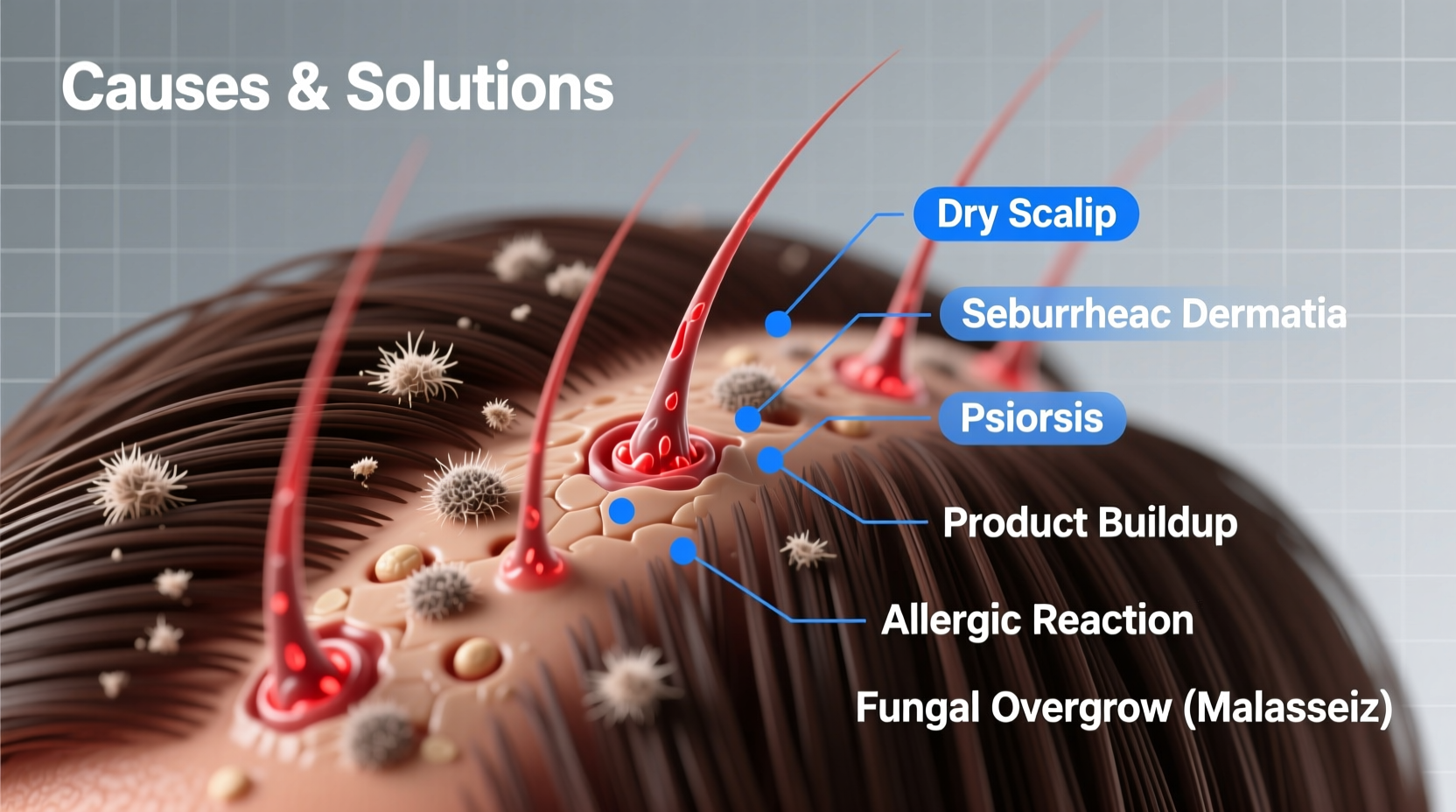
Itching that occurs shortly after washing is rarely random. It typically stems from direct contact with products or changes in the scalp’s natural balance. Below are the most frequent triggers:
- Sulfates and harsh detergents: Many shampoos contain sulfates like sodium lauryl sulfate (SLS), which create lather but strip natural oils, leading to dryness and irritation.
- Allergic reactions or sensitivities: Fragrances, preservatives (like parabens or methylisothiazolinone), and dyes can provoke allergic contact dermatitis.
- Incomplete rinsing: Residue from shampoo, conditioner, or styling products can accumulate on the scalp, causing itchiness.
- Scalp dryness: Overwashing or using hot water removes sebum, leaving the scalp dehydrated and prone to tightness and itching.
- Dandruff or seborrheic dermatitis: Caused by an overgrowth of Malassezia yeast, this condition leads to flaking, redness, and itchiness—often worse after cleansing when the scalp is exposed.
- Poor water quality: Hard water, rich in minerals like calcium and magnesium, can leave deposits on the scalp and interfere with product effectiveness.
Each of these factors alters the scalp’s pH or protective barrier, triggering inflammation and nerve stimulation that results in itching. The key is pinpointing whether the cause is external (product-related) or internal (skin condition).
Identifying Problematic Ingredients
Not all shampoo ingredients are created equal. Some serve functional purposes but come with trade-offs for sensitive scalps. Here’s a breakdown of common irritants and their effects:
| Ingredient | Purpose | Potential Issue |
|---|---|---|
| Sodium Lauryl Sulfate (SLS) | Lathering agent | Strips natural oils, increases transepidermal water loss |
| Fragrance (Parfum) | Scent enhancement | Common allergen; may cause contact dermatitis |
| Parabens | Preservatives | Linked to hormonal disruption and skin sensitivity |
| Methylisothiazolinone | Preservative | Highly allergenic; banned in leave-on products in EU |
| Alcohol (e.g., denatured alcohol) | Quick-drying agent | Drying, especially in high concentrations |
The presence of one or more of these ingredients doesn’t automatically mean they’re harmful—but for individuals with sensitive skin or compromised barriers, they can be significant triggers. Dermatologists recommend opting for “fragrance-free” rather than “unscented,” as the latter may still contain masking fragrances.
“Patients frequently report immediate scalp relief after switching to sulfate-free, low-sensitization shampoos. Ingredient awareness is half the battle.” — Dr. Lena Patel, Board-Certified Dermatologist
Step-by-Step Guide to Soothe and Prevent Itching
If you're experiencing regular post-wash itching, follow this structured approach to identify and resolve the issue:
- Pause all new products: Stop using any recently introduced shampoos, conditioners, or treatments to rule out acute reactions.
- Switch to a gentle, sulfate-free formula: Choose a mild cleanser labeled for sensitive scalps. Look for calming ingredients like oat extract, aloe vera, or panthenol.
- Adjust water temperature: Use lukewarm, not hot, water to avoid further drying the scalp.
- Rinse thoroughly: Spend at least 30 seconds rinsing, focusing on the hairline and behind the ears where residue collects.
- Incorporate a weekly scalp treatment: Apply a hydrating mask or a few drops of jojoba oil before washing to reinforce the moisture barrier.
- Limit wash frequency: Washing too often (daily or twice daily) can exacerbate dryness. Aim for every other day or 2–3 times per week.
- Monitor improvement: Track symptoms over two weeks. If itching persists, consider a medicated option or consult a dermatologist.
This methodical process helps isolate variables and prevents overwhelming changes that could confuse diagnosis. Consistency over time yields clearer results than quick fixes.
When It’s More Than Just Irritation: Recognizing Scalp Conditions
Sometimes, itching isn't due to product misuse but an underlying dermatological condition. These require targeted treatment beyond changing shampoos.
Seborrheic Dermatitis: Characterized by greasy, yellowish scales and redness, often along the hairline, eyebrows, and ears. It flares after washing because water activates yeast on the skin. Ketoconazole or selenium sulfide shampoos are clinically proven to manage it.
Psoriasis: Presents as thick, silvery plaques with well-defined edges. Itching can be intense and is caused by rapid skin cell turnover. Requires prescription topicals or biologics in severe cases.
Contact Dermatitis: An allergic or irritant reaction to a product. Symptoms include burning, stinging, and sometimes blistering. Patch testing by a dermatologist can identify specific allergens.
A real-world example illustrates this distinction: Sarah, a 34-year-old teacher, experienced worsening scalp itch after switching to a popular clarifying shampoo. She assumed it was dryness and added oils, which only increased flaking. After seeing a dermatologist, she was diagnosed with seborrheic dermatitis exacerbated by over-cleansing. A regimen of ketoconazole shampoo twice weekly and reduced washing frequency brought complete symptom relief within four weeks.
Checklist: How to Fix and Prevent Post-Wash Scalp Itch
Use this actionable checklist to address and eliminate scalp discomfort:
- ☐ Read labels: Avoid sulfates, synthetic fragrances, and known allergens.
- ☐ Rinse thoroughly: Ensure no product residue remains after washing.
- ☐ Use lukewarm water: Hot water strips natural oils and worsens dryness.
- ☐ Limit shampooing: Wash 2–3 times per week unless advised otherwise.
- ☐ Try a clarifying wash monthly: Remove mineral or product buildup, especially if you have hard water.
- ☐ Install a shower filter: Reduces chlorine and mineral content in tap water.
- ☐ Patch test new products: Apply behind the ear for 48 hours before full use.
- ☐ Moisturize the scalp: Use a non-comedogenic oil or serum if dryness persists.
- ☐ Consult a dermatologist: If itching lasts more than three weeks despite changes.
Following this checklist systematically increases the likelihood of identifying the true cause and achieving lasting relief.
Frequently Asked Questions
Can hard water really cause an itchy scalp?
Yes. Hard water contains high levels of calcium and magnesium that bind to shampoo, forming insoluble residue on the scalp. This film can clog follicles, reduce lather, and leave hair feeling coated—leading to irritation and itching. A simple solution is installing a shower filter designed to soften water or using a chelating shampoo once a week.
Is it safe to use dandruff shampoo every time I wash?
Not always. While anti-dandruff shampoos containing zinc pyrithione, ketoconazole, or salicylic acid are effective, daily use can lead to dryness or resistance. Most experts recommend using them 2–3 times per week until symptoms improve, then reducing frequency. Rotate with a gentle moisturizing shampoo to maintain balance.
Why does my scalp itch only after I condition?
Conditioner is meant for the lengths and ends of hair, not the scalp. Applying it directly to the scalp—especially heavy formulas—can clog follicles and trap moisture, creating an environment for fungal growth or irritation. Always apply conditioner from mid-length to ends and rinse thoroughly.
Conclusion: Take Control of Your Scalp Health
An itchy scalp after washing doesn’t have to be a permanent frustration. With careful observation and deliberate adjustments, most cases can be resolved through smarter product choices, better washing techniques, and attention to environmental factors. The scalp is an extension of your skin, and treating it with the same care you give your face can transform both comfort and hair health.
Start by auditing your current routine: examine ingredient lists, assess your water quality, and evaluate how you rinse and dry your hair. Small changes often yield dramatic improvements. If home strategies don’t bring relief, don’t hesitate to seek expert guidance—persistent itching may signal a condition that needs medical treatment.




 浙公网安备
33010002000092号
浙公网安备
33010002000092号 浙B2-20120091-4
Comments
No comments yet. Why don't you start the discussion?