
Waking up in the middle of the night with an uncontrollable urge to scratch your scalp is more than just a nuisance—it can disrupt sleep, cause discomfort, and even lead to skin damage if left unmanaged. Many people experience nighttime scalp itching without understanding the underlying reasons. Unlike daytime irritation, which may be masked by distractions, nighttime itching becomes impossible to ignore in the quiet stillness before sleep. The good news is that most causes are treatable with the right approach. From dry skin and dandruff to allergic reactions and environmental factors, identifying the root issue is the first step toward lasting relief.
Why Does Itching Worsen at Night?
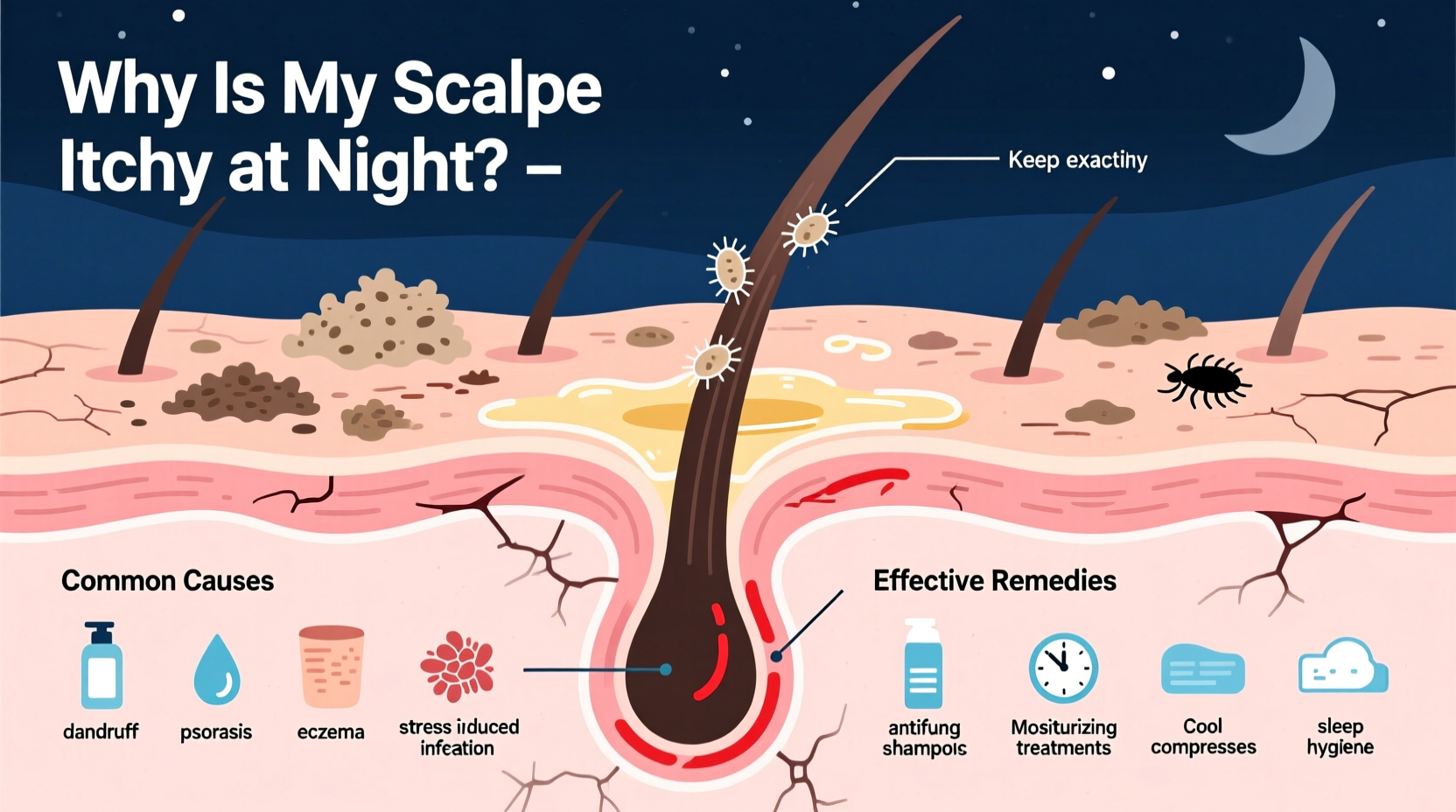
The human body undergoes subtle physiological changes during the evening hours that can amplify sensations like itchiness. One key factor is the natural rise in body temperature at night, which increases blood flow to the skin and can intensify inflammatory responses. Additionally, cortisol levels—our body’s natural anti-inflammatory hormone—drop in the evening, reducing the body’s ability to suppress irritation.
Another reason itching feels worse at night is reduced sensory distraction. During the day, visual, auditory, and mental stimuli divert attention away from minor discomforts. At night, in the absence of these distractions, the brain becomes more attuned to physical sensations, making even mild itching feel overwhelming.
“Nighttime pruritus, or itching, is often not due to new triggers appearing after dark, but rather the body’s heightened sensitivity during rest cycles.” — Dr. Lena Torres, Dermatologist and Sleep Medicine Specialist
Common Causes of Nighttime Scalp Itching
Scalp itching at night can stem from a range of conditions, some benign and others requiring medical attention. Understanding the most frequent culprits helps narrow down potential solutions.
Dry Scalp and Low Humidity
Dry air—especially in heated indoor environments during winter—can strip moisture from the scalp, leading to flakiness and irritation. This type of dryness is often mistaken for dandruff but lacks the oily flakes characteristic of seborrheic dermatitis.
Dandruff (Seborrheic Dermatitis)
Caused by an overgrowth of Malassezia yeast on the scalp, dandruff leads to greasy, yellowish flakes and persistent itching. Symptoms often worsen at night due to increased oil production and warmth under hats or bedding.
Allergic Reactions or Contact Dermatitis
Hair care products such as shampoos, conditioners, dyes, or styling agents may contain irritants like sulfates, fragrances, or parabens. These can trigger allergic reactions that manifest as redness, swelling, and intense itching, particularly after prolonged contact during sleep.
Pediculosis (Head Lice)
Lice are tiny parasitic insects that feed on blood from the scalp. They are most active at night, explaining why itching peaks after lights out. While more common in children, adults can also contract lice through close contact or shared items like hats and pillows.
Fungal Infections (Tinea Capitis)
A fungal infection of the scalp, tinea capitis causes circular patches of scaling, hair loss, and severe itching. It requires antifungal treatment and is more prevalent in humid climates or among those with weakened immune systems.
Skin Conditions: Psoriasis and Eczema
Both psoriasis and eczema can affect the scalp. Psoriasis appears as thick, silvery scales and inflamed skin, while eczema causes red, weeping patches. These chronic conditions often flare at night due to stress, temperature changes, or hormonal shifts.
Stress and Hormonal Fluctuations
Psychological stress increases histamine release and inflammation, both of which contribute to itching. Hormonal imbalances, such as those occurring during menstruation, pregnancy, or menopause, can also alter scalp health and sensitivity.
Effective Remedies and Relief Strategies
Treating nighttime scalp itching depends on identifying and addressing the root cause. However, several general strategies provide immediate comfort and support long-term healing.
Use Medicated Shampoos
Shampoos containing active ingredients like ketoconazole, selenium sulfide, salicylic acid, or pyrithione zinc help control dandruff and fungal growth. Use them 2–3 times per week, allowing the product to sit on the scalp for at least 5 minutes before rinsing.
Maintain Scalp Hydration
Apply lightweight, non-comedogenic oils like jojoba or argan oil before bed to lock in moisture. Alternatively, use a hydrating scalp serum free of alcohol and synthetic fragrances.
Switch to Gentle Hair Products
Eliminate sulfates, parabens, and artificial fragrances from your routine. Look for labels marked “hypoallergenic” or “for sensitive scalps.” Patch-test new products behind the ear before full application.
Wash Bedding Regularly
Pillowcases accumulate sweat, oils, allergens, and microbes that can irritate the scalp. Wash them weekly in hot water and avoid fabric softeners, which leave chemical residues.
Control Indoor Humidity
Use a humidifier in your bedroom, especially during winter months. Maintaining humidity between 40% and 60% helps prevent dryness-related itching.
“Patients often overlook their pillow environment as a source of scalp irritation. Simple changes like silk pillowcases and regular laundering make a measurable difference.” — Dr. Rajiv Mehta, Trichologist
Step-by-Step Guide to Soothe an Itchy Scalp at Night
Follow this nightly routine to reduce itching and promote scalp health:
- Evening Shower (1–2 hours before bed): Rinse hair with lukewarm water. Apply a medicated shampoo targeting your specific condition (e.g., anti-dandruff or soothing for eczema).
- Gentle Drying: Pat hair dry with a soft towel. Avoid vigorous rubbing, which can inflame sensitive skin.
- Apply Treatment Serum: Use a few drops of tea tree oil diluted in a carrier oil (like coconut or jojoba), or a dermatologist-recommended topical solution.
- Change Pillowcase: Ensure your pillowcase is clean and made from breathable, low-friction fabric like silk or bamboo.
- Run a Humidifier: Turn on a cool-mist humidifier in the bedroom to maintain optimal moisture levels.
- Avoid Scratching: Trim nails short and consider wearing cotton gloves at night if scratching persists unconsciously.
- Practice Stress Reduction: Engage in light stretching, meditation, or journaling to lower cortisol levels before sleep.
Do’s and Don’ts: Managing Scalp Health
| Do’s | Don’ts |
|---|---|
| Wash hair regularly based on your scalp type (oily vs. dry) | Over-wash, which strips natural oils and increases dryness |
| Use lukewarm water instead of hot | Use harsh scrubs or exfoliants daily |
| Keep fingernails short to minimize skin damage from scratching | Share combs, brushes, or hats with others |
| Try natural remedies like aloe vera or apple cider vinegar rinses (diluted) | Use expired or heavily scented hair products |
| Seek professional diagnosis for persistent symptoms | Ignore signs of infection like pus, swelling, or hair loss |
Real-Life Example: Sarah’s Journey to Relief
Sarah, a 34-year-old teacher from Oregon, began experiencing severe scalp itching every night, often waking up multiple times to scratch. She initially assumed it was dandruff and tried several over-the-counter shampoos with little improvement. After two months of worsening symptoms—including redness and small sores from scratching—she consulted a dermatologist.
The doctor identified her issue as allergic contact dermatitis caused by a fragrance ingredient in her favorite leave-in conditioner. Sarah had been applying it nightly, allowing prolonged exposure while sleeping. She discontinued the product, switched to a fragrance-free regimen, and used a prescribed corticosteroid lotion for two weeks. Within ten days, her nighttime itching subsided significantly. She now reads all product labels carefully and washes her hair before bed to minimize residue buildup.
Her case highlights how seemingly harmless routines can exacerbate scalp issues—and how proper diagnosis leads to faster recovery.
When to See a Doctor
While many cases of scalp itching resolve with home care, certain warning signs require medical evaluation:
- Persistent itching lasting more than 4 weeks despite treatment
- Visible sores, crusting, or oozing lesions
- Bald patches or noticeable hair thinning
- Signs of infection such as swelling, pain, or fever
- Suspected lice infestation that doesn’t respond to treatment
A dermatologist may perform a scalp biopsy, fungal culture, or allergy test to determine the exact cause. Prescription treatments like topical steroids, antifungals, or immunomodulators may be necessary for chronic conditions like psoriasis or seborrheic dermatitis.
FAQ
Can diet affect scalp itching?
Yes. Deficiencies in vitamins B, D, zinc, or omega-3 fatty acids can compromise skin barrier function and increase inflammation. A balanced diet rich in leafy greens, fish, nuts, and whole grains supports scalp health. Some individuals also notice improvements after reducing sugar and processed foods, which can fuel yeast overgrowth linked to dandruff.
Is it safe to use apple cider vinegar on an itchy scalp?
When properly diluted (1 part vinegar to 3 parts water), apple cider vinegar can help restore the scalp’s pH and reduce fungal activity. However, avoid using it on broken or inflamed skin, as the acidity may cause stinging. Perform a patch test first and limit use to once a week.
Why does my scalp itch only at night and not during the day?
This pattern typically results from increased sensory awareness at night, combined with factors like warmer bedding, accumulated product residue, or allergens in pillows. It does not mean the cause is imaginary—rather, the timing amplifies perception of the itch.
Final Thoughts and Call to Action
Nighttime scalp itching is a common yet disruptive issue that often stems from manageable causes. Whether it's dryness, product sensitivity, or an underlying skin condition, relief is possible with consistent care and informed choices. Start by evaluating your current hair care routine, bedding hygiene, and environmental factors. Implement gentle, targeted remedies and monitor changes over time. If symptoms persist, don’t hesitate to seek expert advice—early intervention prevents complications like infections or permanent hair damage.




 浙公网安备
33010002000092号
浙公网安备
33010002000092号 浙B2-20120091-4
Comments
No comments yet. Why don't you start the discussion?