
An itchy scalp without visible flakes can be one of the most frustrating skin concerns—uncomfortable, persistent, and often misunderstood. Unlike dandruff, where flaking is obvious, this type of irritation offers fewer visual clues, making diagnosis and treatment more challenging. Yet millions experience this sensation regularly, often dismissing it as stress or a minor reaction. The truth is, an itchy, non-flaky scalp can stem from several underlying causes, ranging from product buildup to inflammatory conditions. Understanding the root issue is essential to choosing the right shampoo and restoring comfort.
This article explores the science behind non-flaky scalp itchiness, identifies common triggers, evaluates effective ingredients in treatment shampoos, and provides actionable steps to soothe and prevent recurrence—all backed by dermatological insight and real-world experience.
What Causes an Itchy Scalp Without Flakes?
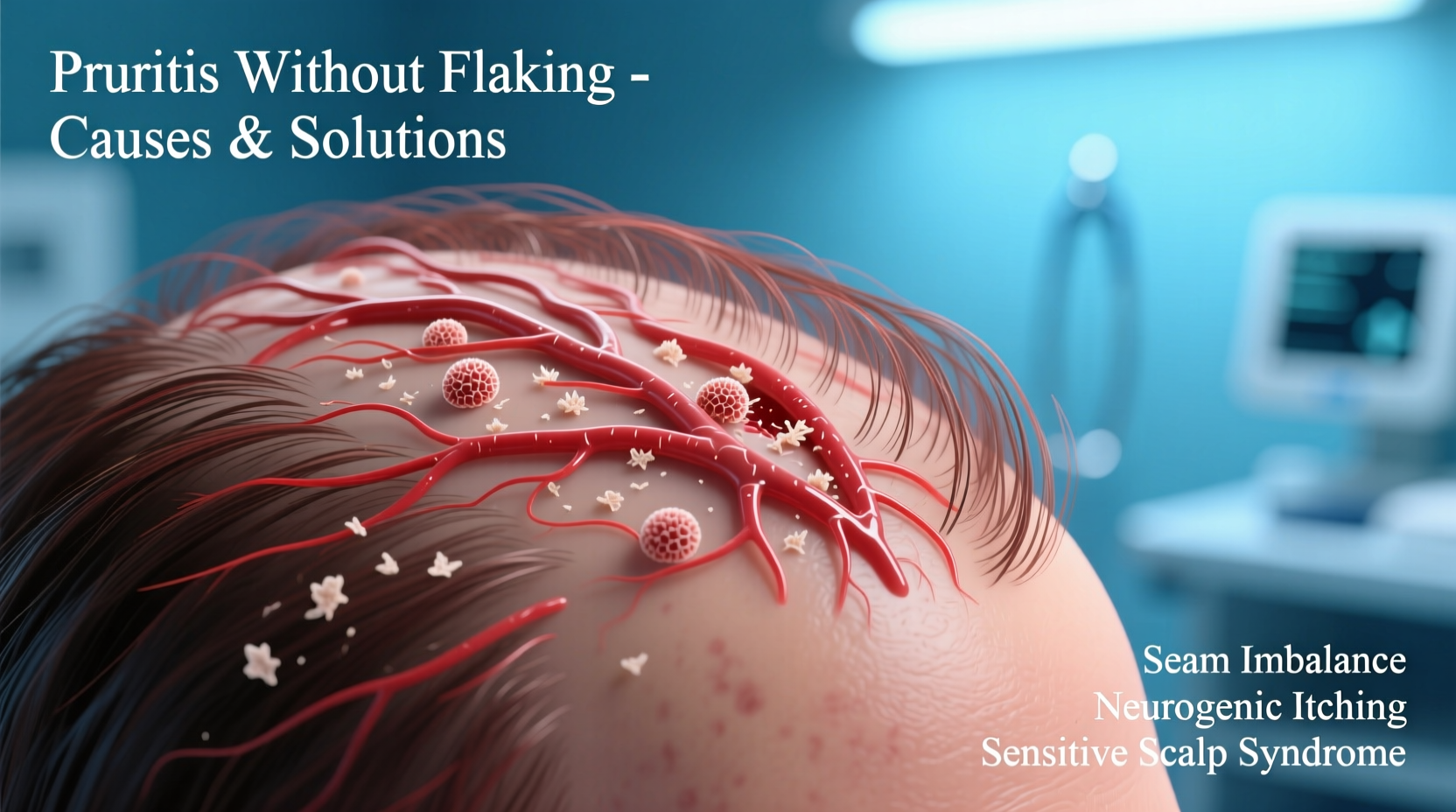
The absence of visible flakes doesn’t mean your scalp is healthy. Itchiness without flaking can originate from internal imbalances, environmental exposure, or improper hair care habits. Here are the most common culprits:
- Product buildup: Residue from styling products, silicones, or sulfates can clog hair follicles and irritate the scalp over time.
- Allergic contact dermatitis: Sensitivity to ingredients in shampoos, conditioners, or dyes (like paraphenylenediamine or fragrance) can cause localized itching without peeling.
- Seborrheic dermatitis (early stage): This common condition may begin with redness and itch before scaling appears.
- Dry scalp due to environment: Cold weather, low humidity, or excessive heat styling can dehydrate the scalp without causing visible flaking.
- Fungal imbalance: Malassezia yeast, naturally present on the scalp, can overgrow and trigger inflammation and itching—even without noticeable dandruff.
- Hormonal fluctuations: Changes during menstruation, pregnancy, or menopause can affect sebum production and lead to irritation.
- Stress-induced neurogenic inflammation: Psychological stress can increase nerve sensitivity in the scalp, causing itch signals without physical damage.
How to Identify the Root Cause
Pinpointing the reason behind your itch requires observation and elimination. Start by assessing your hair care habits and symptoms:
- Timing: Did the itching start after using a new product? Track when symptoms began.
- Zones: Is the itch localized (e.g., along the hairline or part line) or diffuse across the entire scalp?
- Associated symptoms: Look for redness, swelling, burning, or tiny bumps, which suggest inflammation or allergy.
- Lifestyle factors: Note changes in diet, sleep, stress levels, or frequency of washing.
- Washing frequency: Overwashing strips natural oils; underwashing leads to buildup. Both can cause itch.
If the itch persists beyond two weeks despite changing routines, consult a dermatologist. Patch testing can identify specific allergens, and a scalp examination may reveal early signs of psoriasis or fungal infection that aren't visible to the naked eye.
Shampoos That Work: Ingredients That Soothe Non-Flaky Itch
Not all anti-dandruff shampoos are suitable for non-flaky itch. Some contain harsh ingredients like high-concentration salicylic acid or coal tar, which can further dry the scalp. Instead, focus on formulations with gentle yet effective actives that target inflammation, microbial balance, and hydration.
| Active Ingredient | How It Helps | Best For | Recommended Use |
|---|---|---|---|
| Pyrithione Zinc | Antifungal and antibacterial; reduces Malassezia overgrowth | Mild fungal-related itch, early seborrheic dermatitis | 2–3 times per week |
| Ketoconazole (1%) | Strong antifungal; targets yeast-driven inflammation | Stubborn itch with redness or history of dandruff | Twice weekly for 2–4 weeks |
| Colloidal Oatmeal | Soothes irritation, restores moisture barrier | Dry, sensitive, or reactive scalps | Daily or every other day |
| Ceramides | Reinforce lipid barrier; prevent moisture loss | Environmentally stressed or chemically treated hair | Daily use |
| Tea Tree Oil (5%) | Natural antiseptic with anti-inflammatory properties | Mild microbial imbalance, organic preference | 2–3 times weekly (diluted) |
| Salicylic Acid (low dose) | Gently exfoliates dead cells and clears follicles | Buildup-related itch without dryness | Once or twice weekly |
When selecting a shampoo, avoid formulas with sulfates, parabens, synthetic fragrances, and alcohol—these can worsen irritation. Opt for “fragrance-free” rather than “unscented,” as the latter may still contain masking agents.
“An itchy scalp without flakes is often a sign of subclinical inflammation or sensitivity. Gentle, targeted treatments work better than aggressive ones.” — Dr. Lena Patel, Board-Certified Dermatologist
Step-by-Step Guide to Calm Your Scalp
Follow this 7-day protocol to reduce itching and restore scalp health:
- Day 1: Reset with a clarifying wash. Use a sulfate-free clarifying shampoo once to remove product buildup. Massage gently for 2 minutes, then rinse thoroughly.
- Days 2–4: Introduce a therapeutic shampoo. Choose one with pyrithione zinc or ketoconazole. Apply directly to the scalp, leave for 5 minutes, then rinse. Use every other day.
- Day 5: Hydrate and soothe. Switch to a moisturizing shampoo with colloidal oatmeal or ceramides. Avoid hot water, which can strip lipids.
- Day 6: Assess progress. Note changes in itch intensity, redness, or comfort. Discontinue any product causing stinging or increased redness.
- Day 7: Establish maintenance. Continue using the effective shampoo 1–2 times per week, alternating with a gentle daily cleanser.
Mini Case Study: From Chronic Itch to Relief
Sarah, a 34-year-old graphic designer, experienced persistent scalp itching for three months. No flakes were visible, but she noticed redness along her hairline and discomfort when wearing hats. She used a popular volumizing shampoo and frequently applied dry shampoo.
After eliminating dry shampoo and switching to a pyrithione zinc-based formula (Neutrogena T/Gel Therapeutic), she saw improvement within five days. By day 10, the itch had reduced by 80%. A patch test later revealed mild sensitivity to fragrance compounds in her previous products. Now, she uses a fragrance-free regimen and experiences no recurrence.
Her case highlights how non-flaky itch can stem from cumulative irritation rather than disease—and how simple changes can bring fast relief.
Checklist: How to Treat and Prevent Itchy Scalp Without Flakes
- ✅ Eliminate potential allergens: Check labels for fragrance, parabens, and propylene glycol.
- ✅ Clarify weekly: Use a gentle clarifying shampoo to prevent buildup.
- ✅ Choose the right active: Match ingredients to your suspected cause (e.g., ketoconazole for fungal, oatmeal for dryness).
- ✅ Wash with lukewarm water: Hot water increases irritation and dryness.
- ✅ Limit heat styling: Blow dryers and flat irons stress the scalp.
- ✅ Moisturize when needed: Use a lightweight scalp serum with squalane or panthenol if dryness persists.
- ✅ See a dermatologist if no improvement in 3–4 weeks.
Frequently Asked Questions
Can stress really make my scalp itch?
Yes. Stress activates neuropeptides that increase blood flow and nerve sensitivity in the skin, leading to itch sensations even without rash or damage. Managing stress through mindfulness, sleep, and exercise can significantly reduce symptoms.
Is it safe to use medicated shampoo long-term?
For most over-the-counter options (like those with pyrithione zinc or 1% ketoconazole), yes—when used as directed. However, prolonged daily use may disrupt the scalp microbiome. Reserve medicated shampoos for flare-ups and rotate with gentler formulas for maintenance.
Could my diet be causing the itch?
Potentially. Deficiencies in B vitamins, zinc, or omega-3 fatty acids can impair skin barrier function. Excess sugar and dairy may also exacerbate inflammation in sensitive individuals. While diet alone rarely causes isolated scalp itch, it can contribute to overall skin health.
Expert Insight: When to Seek Medical Help
While most cases resolve with proper care, some require professional intervention. Persistent itching lasting more than a month, spreading redness, hair thinning, or oozing lesions should prompt a visit to a dermatologist.
“If itching interferes with sleep or daily life, it’s not something to tough out. We have safe, effective treatments for conditions like scalp psoriasis, lichen planus, or chronic eczema that don’t always show classic signs.” — Dr. Marcus Tran, Clinical Dermatology Specialist
Prescription options such as low-potency corticosteroid solutions, antifungal lotions, or immunomodulators may be necessary for stubborn cases. Never self-treat with steroid creams unless directed by a doctor, as long-term use can thin the scalp skin.
Conclusion: Take Control of Your Scalp Health
An itchy scalp without flakes isn’t normal—and it’s not something you have to live with. With careful observation, the right shampoo, and consistent care, most people find relief within days to weeks. The key is understanding that your scalp is living skin, just like the rest of your body, and deserves the same attention to hygiene, sensitivity, and balance.
Start by simplifying your routine, identifying triggers, and introducing evidence-backed ingredients. Whether you choose a medicated option or a soothing natural formula, consistency and patience will yield results. Don’t ignore persistent symptoms; early action prevents long-term discomfort.




 浙公网安备
33010002000092号
浙公网安备
33010002000092号 浙B2-20120091-4
Comments
No comments yet. Why don't you start the discussion?