
An itchy scalp can be more than just a minor annoyance—it can disrupt your focus, affect sleep, and lead to persistent discomfort. What’s particularly puzzling is when the itch comes without visible flakes. Unlike dandruff, which often presents with white or yellowish scales, an itchy-but-not-flaky scalp lacks obvious symptoms, making diagnosis trickier. Yet, this condition is surprisingly common and stems from a range of underlying causes, from environmental factors to internal imbalances. Understanding why your scalp itches without flaking is the first step toward lasting relief.
Dry Scalp: The Most Overlooked Culprit
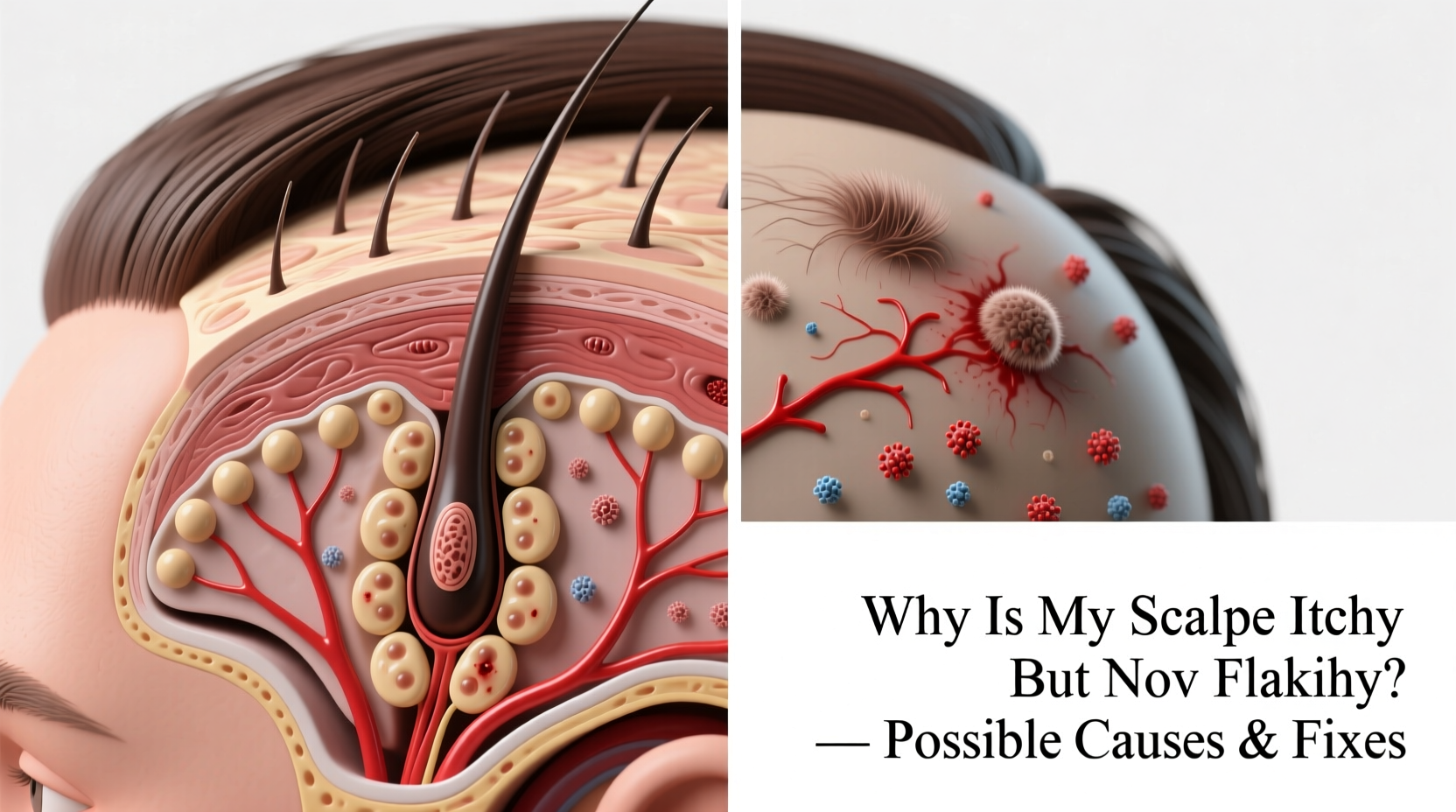
Dry scalp is one of the leading reasons for persistent itching without visible flaking. When the skin on your scalp lacks sufficient moisture, it becomes tight, irritated, and prone to micro-tears that trigger itch signals. This condition is often mistaken for dandruff, but unlike dandruff—which involves excess skin cell turnover—dry scalp results from insufficient hydration.
Several factors contribute to scalp dryness:
- Cold weather and low humidity: Winter air saps moisture from the skin.
- Overwashing: Frequent shampooing strips natural oils (sebum) essential for moisture retention.
- Hard water: High mineral content in tap water can leave residue and dehydrate the scalp.
- Harsh shampoos: Sulfates and alcohol-based cleansers disrupt the scalp’s lipid barrier.
To restore moisture, consider using a lightweight scalp oil (like jojoba or argan) before washing or applying a hydrating leave-in conditioner. Look for ingredients such as hyaluronic acid, glycerin, and ceramides, which help attract and retain moisture.
Sensitivity to Hair Products: A Hidden Trigger
Your scalp may react negatively to certain ingredients in shampoos, conditioners, styling products, or even hair dyes—even if you've used them for years. Product sensitivity doesn’t always cause redness or swelling; sometimes, the only symptom is a persistent itch.
Common irritants include:
- Fragrances and essential oils: Synthetic or natural scents can trigger allergic reactions.
- Preservatives: Such as methylisothiazolinone or DMDM hydantoin, known sensitizers.
- Alcohol (denatured, ethanol): Can be drying and irritating, especially in high concentrations.
- Formaldehyde-releasing agents: Used in some smoothing treatments and sprays.
If you suspect a product is causing irritation, conduct a patch test behind the ear or on the inner forearm before full application. Discontinue use immediately if itching worsens.
“Many patients come in with chronic scalp itch only to discover it’s caused by a ‘natural’ essential oil blend they started using.” — Dr. Lena Patel, Board-Certified Dermatologist
Product Sensitivity Checklist
- Review ingredient labels of all hair products currently in use.
- Eliminate one product at a time to identify the culprit.
- Switch to fragrance-free, hypoallergenic options.
- Introduce new products gradually.
- Keep a symptom diary tracking product use and itch intensity.
Scalp Buildup: When Clean Isn’t Clean Enough
Even with regular washing, residue from styling products, silicones, and sebum can accumulate on the scalp. This buildup clogs hair follicles and creates an environment where bacteria thrive, leading to inflammation and itching—without visible flaking.
Signs of buildup include:
- Scalp feels gritty or coated
- Hair looks dull despite frequent washing
- Itchiness increases after using gels, sprays, or dry shampoo
A clarifying shampoo used once every 1–2 weeks can dissolve accumulated residue. However, overuse can lead to dryness, so follow up with a moisturizing conditioner applied only to the lengths of the hair.
| Product Type | Likely to Cause Buildup? | Prevention Strategy |
|---|---|---|
| Leave-in conditioners | Yes, especially heavy creams | Apply only to ends; avoid roots |
| Dry shampoos | High—powder residues remain | Use sparingly; wash within 2 days |
| Hairsprays & gels | Yes, particularly alcohol-free versions | Apply away from scalp; rinse thoroughly |
| Silicone-based serums | Yes, unless water-soluble | Use occasionally; pair with clarifying wash |
Allergic Reactions and Contact Dermatitis
Scalp itching without flaking may indicate allergic contact dermatitis—an immune response triggered by direct exposure to allergens. Unlike irritant reactions, which cause immediate stinging, allergic reactions can take hours or days to develop and often persist long after exposure.
Common allergens include:
- P-Phenylenediamine (PPD): Found in permanent hair dyes; affects up to 5% of users.
- Parabens and cocamidopropyl betaine: Preservatives and foaming agents in many shampoos.
- Metallic components: From hair tools or jewelry touching the scalp (e.g., nickel).
Diagnosis typically requires patch testing by a dermatologist. In the meantime, switch to minimalist, fragrance-free regimens and avoid coloring your hair until symptoms resolve.
Mini Case Study: Sarah’s Reaction to Hair Color
Sarah, a 34-year-old teacher, began experiencing intense scalp itching two days after coloring her hair at home. There were no rashes or flakes, but the itch was unbearable. She stopped using the dye and switched to a gentle, fragrance-free shampoo. After three weeks of avoidance and using a colloidal oatmeal rinse, her symptoms subsided. A dermatologist later confirmed a mild allergy to PPD through patch testing. Now, Sarah opts for PPD-free dyes and performs a strand test before each application.
Underlying Skin Conditions That Don’t Always Flake
Some scalp disorders don’t present with classic flaking but still cause significant itching. These conditions require accurate identification and targeted treatment.
Seborrheic Dermatitis (Early Stage)
In its early phase, seborrheic dermatitis may cause only mild itching and subtle greasiness without visible scaling. It commonly affects oily areas like the scalp, eyebrows, and sides of the nose. Malassezia yeast overgrowth plays a key role, feeding on sebum and triggering inflammation.
Psoriasis
Scalp psoriasis often begins with localized itching and thickened patches. Flakes may be fine and hidden under hair, mistaken for dryness. Unlike dandruff, psoriasis plaques are silvery-white and well-defined.
Folliculitis
Inflammation of hair follicles—often due to bacterial or fungal infection—leads to small, itchy bumps. It’s common in people who wear hats frequently, sweat heavily, or use oily hair products.
“Just because you don’t see flakes doesn’t mean there isn’t an inflammatory condition at play. Early intervention prevents progression.” — Dr. Rajiv Mehta, Clinical Dermatologist
Step-by-Step Guide to Soothing an Itchy Scalp
- Stop using potential irritants: Eliminate fragranced products, dyes, and heavy stylers.
- Wash with a gentle, sulfate-free shampoo: Use lukewarm water—hot water worsens dryness.
- Apply a soothing treatment: Try aloe vera gel, diluted apple cider vinegar rinse (1 part ACV to 3 parts water), or over-the-counter hydrocortisone cream (short-term use only).
- Hydrate the scalp: Use a few drops of non-comedogenic oil (jojoba, squalane) 2–3 times per week.
- Monitor improvement: Track changes daily. If no improvement in 2–3 weeks, consult a dermatologist.
- Seek professional diagnosis: For persistent cases, get tested for fungal infections, allergies, or autoimmune conditions.
Environmental and Lifestyle Factors
External influences often go unnoticed but significantly impact scalp health:
- Stress: Elevates cortisol levels, increasing oil production and inflammation.
- Poor diet: Deficiencies in zinc, B vitamins, and omega-3 fatty acids impair skin barrier function.
- Infrequent brushing: Allows dead skin and oils to stagnate.
- Wearing hats or helmets: Traps heat and sweat, encouraging microbial growth.
Improving lifestyle habits can reduce scalp irritation. Stay hydrated, eat a balanced diet rich in antioxidants, manage stress through mindfulness or exercise, and allow your scalp to breathe by limiting headwear.
Frequently Asked Questions
Can shampooing too much cause an itchy scalp?
Yes. Overwashing strips the scalp of natural oils, disrupting the moisture barrier and leading to dryness and irritation. Washing every other day—or even less frequently for curly or dry hair types—is often sufficient.
Is it safe to scratch my itchy scalp?
No. Scratching can break the skin, introduce bacteria, and worsen inflammation. Instead, gently massage your scalp with fingertips or use a soft-bristle brush to relieve itch without damage.
Will drinking more water help my itchy scalp?
While hydration supports overall skin health, topical care and product selection have a more direct impact. However, chronic dehydration can exacerbate dryness, so aim for 6–8 glasses of water daily as part of a holistic approach.
Conclusion: Take Control of Your Scalp Health
An itchy, non-flaky scalp is more than just a nuisance—it’s a signal from your body that something is off. Whether it’s dryness, product buildup, or an undiagnosed sensitivity, identifying the root cause is essential for lasting relief. Small changes in your haircare routine, from switching shampoos to adjusting washing frequency, can make a dramatic difference. Don’t ignore persistent symptoms; early action prevents complications and restores comfort.




 浙公网安备
33010002000092号
浙公网安备
33010002000092号 浙B2-20120091-4
Comments
No comments yet. Why don't you start the discussion?