
Shadow boxes are more than decorative displays—they’re personal archives of memories, achievements, and heirlooms. Whether it holds a military uniform, concert ticket stubs, or a child’s first pair of shoes, each item tells a story. But over time, many owners notice colors dulling, fabrics weakening, and paper turning brittle. The culprit? A slow but relentless combination of ultraviolet (UV) light and fluctuating humidity. Understanding the science behind this degradation—and how to stop it—is essential for preserving what matters most.
The Science Behind Fading: How Light and Moisture Degrade Materials
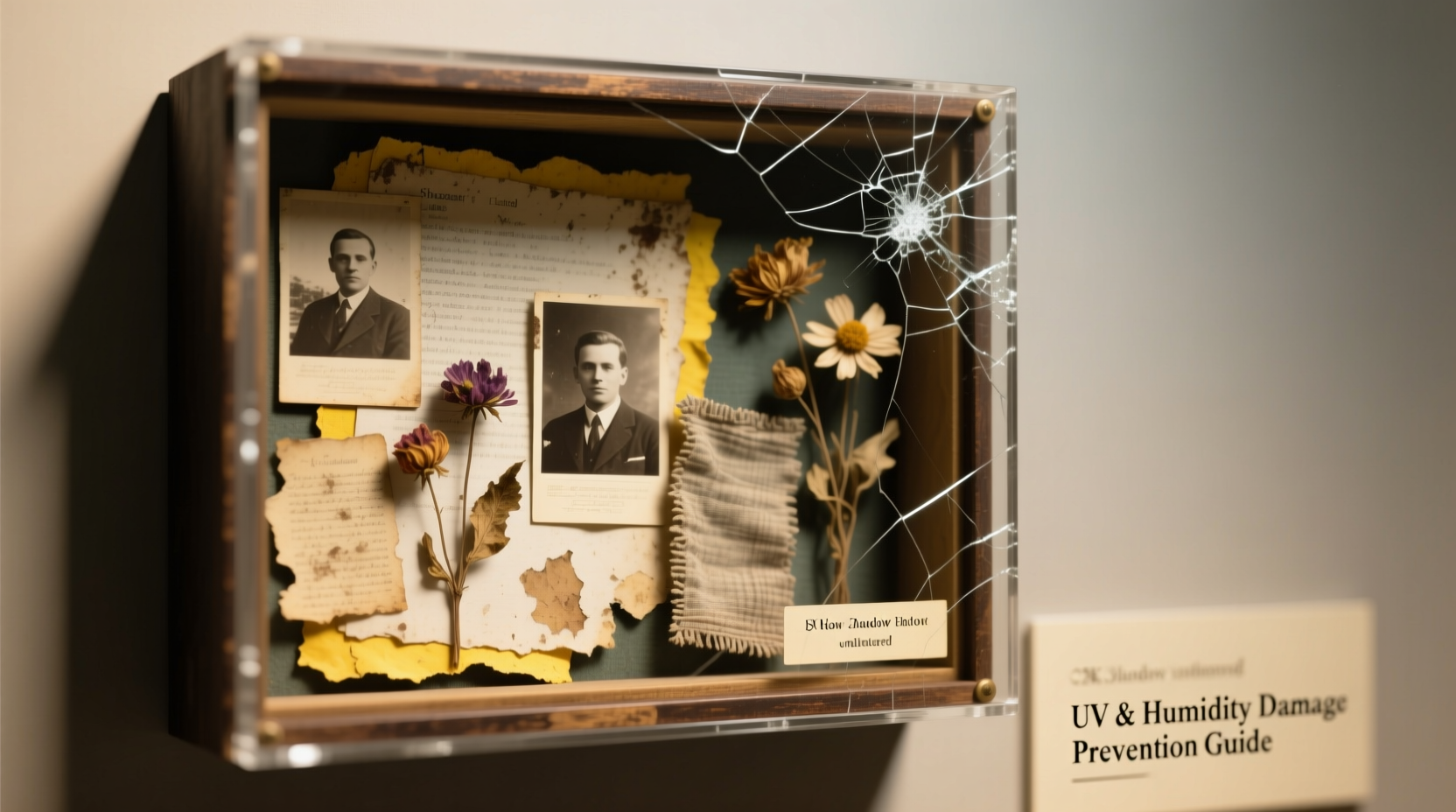
Fading in shadow boxes isn’t random; it follows predictable patterns rooted in photochemistry and material science. When organic materials like fabric, ink, paper, or photographs are exposed to light—especially ultraviolet radiation—photons break down chemical bonds in dyes and pigments. This process, known as photodegradation, causes colors to shift or disappear entirely. Blue and red dyes, for example, are particularly vulnerable due to their molecular instability under UV exposure.
Humidity compounds the problem. High moisture levels encourage mold growth, accelerate oxidation, and weaken adhesives used in mounting. Conversely, excessively dry air can make paper and textiles brittle. Fluctuations between wet and dry conditions cause materials to expand and contract, leading to warping, cracking, or delamination. Together, UV light and unstable humidity create a perfect storm for deterioration.
“Even indirect sunlight contains enough UV radiation to cause visible fading within six months. For archival items, every hour counts.” — Dr. Lila Nguyen, Conservation Scientist at the National Museum Institute
Common Causes of Shadow Box Deterioration
Most shadow box owners assume that once an item is framed, it’s protected. Unfortunately, standard framing often falls short. Here are the primary contributors to fading and damage:
- Unfiltered natural light: Windows allow UV rays to penetrate, even on cloudy days.
- Incandescent and LED lighting: While less harmful than sunlight, prolonged exposure to artificial light still contributes to cumulative fading.
- Poor sealing: Gaps in the frame permit dust and humidity to enter, accelerating decay.
- Inferior glazing: Regular glass offers no UV protection. Acrylic without UV filtering is equally ineffective.
- Non-archival materials: Acidic mats, adhesives, or backings can yellow and damage contents over time.
How to Prevent UV Damage: Choosing the Right Protection
Blocking UV radiation is the single most effective step in preserving your shadow box. Standard glass blocks only about 45% of UV rays. To truly protect sensitive materials, you need specialized glazing.
| Glazing Type | UV Protection | Pros | Cons |
|---|---|---|---|
| Standard Glass | 45% | Affordable, scratch-resistant | Poor UV blocking, heavy |
| Non-UV Acrylic | 35% | Lightweight, shatterproof | Scratches easily, low protection |
| UV-Filtering Glass (e.g., Museum Glass) | 99% | High clarity, minimal glare, excellent protection | Expensive, heavier than acrylic |
| UV-Filtering Acrylic (e.g., Optium Museum Acrylic) | 99% | Lightweight, shatterproof, anti-static | Higher cost, prone to scratching if not handled carefully |
For maximum protection, opt for glazing labeled as “museum grade” or “UV-filtering with 99% protection.” These products use special coatings or laminates to absorb or reflect harmful wavelengths. While more expensive upfront, they extend the life of your display by decades.
Controlling Humidity: The Hidden Threat Inside the Frame
Even with perfect UV protection, internal humidity can silently ruin a shadow box. Changes in ambient temperature cause condensation inside poorly sealed frames. Over time, this moisture promotes mold, mildew, and insect activity—especially in organic materials like fabric or paper.
To mitigate this risk, ensure your shadow box is properly sealed with acid-free backing and includes a moisture barrier. Some conservators recommend inserting silica gel packets (encased in breathable fabric) to regulate humidity, though these require periodic replacement or reactivation.
Ideally, maintain room humidity between 40% and 50%. Use a hygrometer near the display to monitor levels. Avoid placing shadow boxes in high-moisture areas like bathrooms, basements, or kitchens.
Mini Case Study: Preserving a WWII Veteran’s Uniform
James Carter inherited his grandfather’s military shadow box, which included medals, a folded flag, and a wool uniform jacket. After hanging it in his sunlit living room for two years, he noticed the red trim on the jacket had faded to pink, and the flag’s blue field appeared washed out.
He consulted a local frame conservator, who recommended reframing with UV-filtering acrylic, replacing the acidic mat board with a conservation-grade mat, and sealing the back with Japanese tissue paper and linen tape. The box was then moved to a north-facing hallway with controlled lighting. Ten years later, the contents remain vibrant—a testament to proper intervention.
Step-by-Step Guide to Protecting Your Shadow Box
If you want to preserve your shadow box long-term, follow this detailed sequence:
- Assess current condition: Check for fading, discoloration, musty odors, or visible mold. Note the type of glass and backing.
- Relocate away from direct light: Move the box to a room with minimal sunlight or use blackout shades during peak daylight hours.
- Upgrade the glazing: Replace standard glass or acrylic with UV-filtering museum glass or acrylic.
- Inspect and replace non-archival materials: Remove acidic mats, tapes, or adhesives. Use pH-neutral mounting methods.
- Seal the frame properly: Ensure the backing is tightly secured with framers’ tape to prevent air and dust infiltration.
- Monitor environmental conditions: Place a small hygrometer nearby to track humidity. Aim for 40–50% RH.
- Schedule periodic inspections: Every 12–18 months, gently open the back (if possible) to check for pests or moisture buildup.
Preservation Checklist: What You Need to Protect Your Shadow Box
Use this checklist to ensure your shadow box is fully protected against fading and environmental damage:
- ✅ UV-filtering glazing (glass or acrylic)
- ✅ Acid-free mat board and backing
- ✅ Properly sealed frame with framers’ tape
- ✅ Location away from windows and heat sources
- ✅ Indoor humidity maintained between 40–50%
- ✅ No direct exposure to artificial lighting (especially spotlights)
- ✅ Periodic inspection schedule established
- ✅ Items mounted using archival-safe adhesives or mechanical fasteners
Frequently Asked Questions
Can I clean a faded shadow box item myself?
Cleaning faded materials carries significant risk. Never attempt to wash or chemically treat fabrics, paper, or photographs without professional guidance. Surface dust can be gently removed with a soft brush or low-suction vacuum with a mesh screen. For deeper cleaning, consult a textile or paper conservator.
Is LED lighting safe for shadow boxes?
LEDs emit little to no UV radiation, making them safer than halogen or fluorescent lights. However, prolonged exposure—even to visible light—can still contribute to fading. Limit illumination time and avoid spotlighting valuable displays. Use motion-sensor or timer-controlled lighting to reduce exposure.
How often should I reframe my shadow box?
Reframing every 15–20 years is advisable, especially if original materials were not archival. Signs it’s time include visible fading, yellowing mats, musty smells, or loose backing. Proactive reframing prevents irreversible damage.
“Prevention is always cheaper and more effective than restoration. Once a dye molecule breaks down, it cannot be restored.” — Sarah Lin, Archival Conservator, Northeast Document Conservation Center
Conclusion: Preserve the Past, Protect the Future
Your shadow box is more than decor—it’s a vessel of memory, identity, and legacy. Allowing it to fade diminishes not just its appearance, but the emotional weight it carries. With informed choices about UV protection, humidity control, and archival materials, you can halt deterioration and ensure your treasured items endure for generations.
Start today: evaluate your current displays, upgrade where necessary, and commit to regular maintenance. The effort you invest now will echo through time, keeping stories vivid and colors alive long into the future.




 浙公网安备
33010002000092号
浙公网安备
33010002000092号 浙B2-20120091-4
Comments
No comments yet. Why don't you start the discussion?