
An itchy scalp after shampooing isn’t just a minor annoyance—it can signal irritation, allergic reactions, or even the beginning of a chronic skin condition. While many assume dandruff or dryness are to blame, the real culprit may be hiding in plain sight: your shampoo. A growing number of people are experiencing adverse reactions to ingredients commonly found in commercial haircare products. Understanding which components are most likely to trigger discomfort—and how to respond—is essential for restoring scalp health.
The scalp is an extension of facial skin, rich in sebaceous glands and sensitive nerve endings. When exposed to harsh or irritating chemicals, it reacts quickly. Unlike other areas of the body, the scalp is often overlooked in skincare routines, yet it's subjected daily to fragrances, detergents, and preservatives that can compromise its protective barrier. This article identifies the most common allergens in shampoos, explains how they cause itching, and provides practical steps to diagnose and resolve the issue.
Common Irritants and Allergens in Shampoos
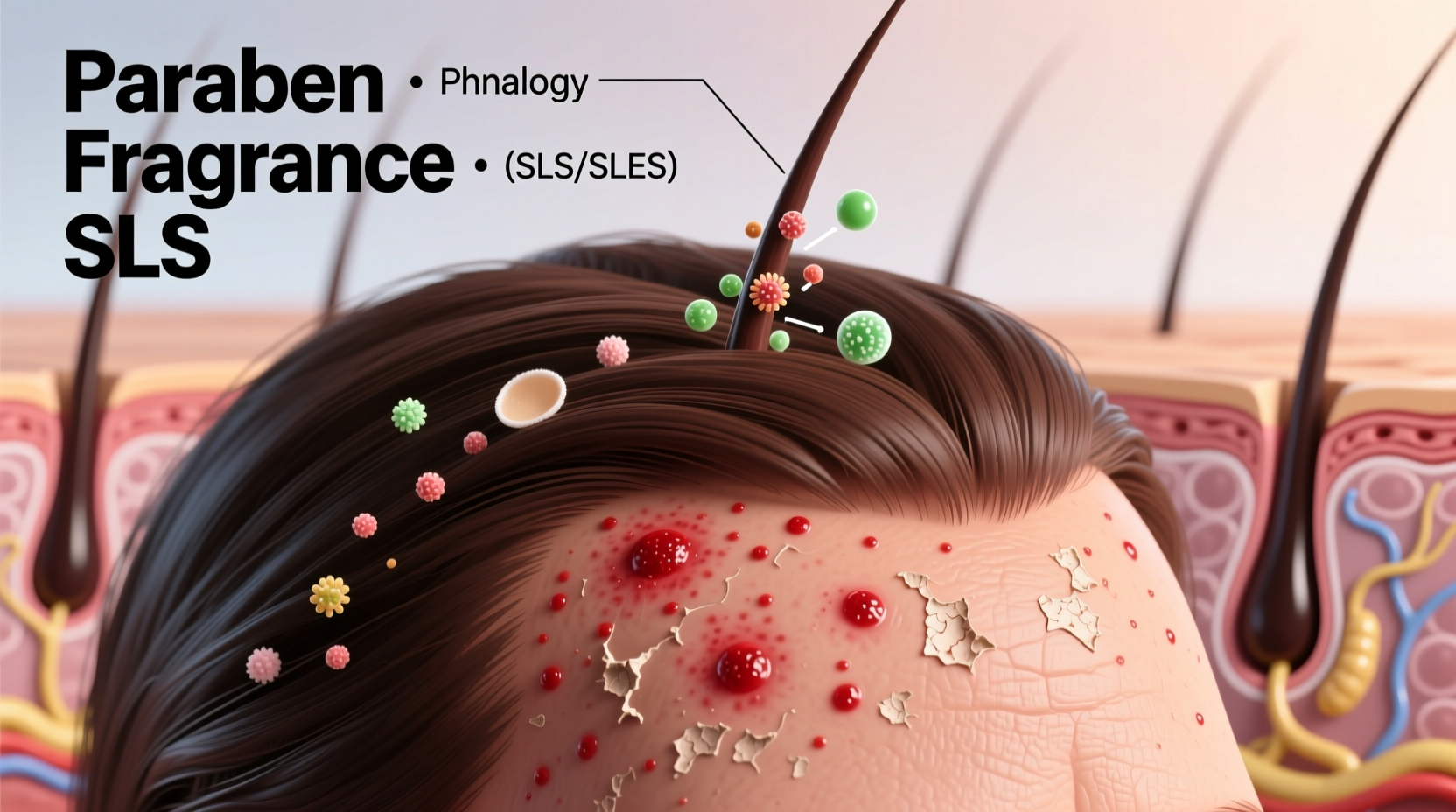
Not all shampoo ingredients are created equal. While some cleanse gently, others strip natural oils, disrupt pH balance, or provoke immune responses. Below are the top offenders linked to scalp itching:
- Sulfates (Sodium Lauryl Sulfate, Sodium Laureth Sulfate): These foaming agents are effective at removing oil but can be excessively drying. They degrade the lipid layer of the scalp, leading to inflammation and itchiness, especially in individuals with sensitive skin.
- Parabens (Methylparaben, Propylparaben): Used as preservatives to extend shelf life, parabens mimic estrogen and have been associated with contact dermatitis. Though widely used, they’re increasingly scrutinized for potential endocrine disruption and skin sensitivity.
- Fragrances (Synthetic and “Fragrance/Parfum” blends): Often listed simply as “fragrance,” these mixtures can contain dozens of undisclosed chemicals. Many fragrance compounds—like limonene, linalool, and coumarin—are known sensitizers and frequent causes of allergic contact dermatitis.
- Formaldehyde-releasing agents (DMDM Hydantoin, Quaternium-15): These preservatives slowly release formaldehyde, a potent allergen. Even in low concentrations, they can cause burning, stinging, and persistent itching over time.
- Cocamidopropyl Betaine: Derived from coconut oil, this surfactant is generally considered mild but ranks among the top five allergens in personal care products according to the North American Contact Dermatitis Group. It can degrade into allergenic compounds during storage or use.
- Essential Oils (Tea Tree Oil, Peppermint, Lavender): Despite their “natural” label, essential oils are highly concentrated and can irritate the scalp. Tea tree oil, while antimicrobial, has caused allergic reactions in up to 3% of users in clinical patch testing.
How to Identify Your Trigger: A Step-by-Step Approach
Pinpointing the exact ingredient causing your scalp reaction requires methodical elimination and observation. Here’s a structured timeline to help isolate the problem:
- Stop using all current hair products for 7–10 days. Use only lukewarm water or a hypoallergenic, medical-grade cleanser recommended for sensitive skin (e.g., Vanicream Free & Clear).
- Monitor symptoms. If itching subsides within a week, reintroduce one product at a time every 3–5 days, starting with your shampoo.
- Read labels carefully. Note each ingredient added back into your routine. Keep a journal tracking any return of itching, redness, or flaking.
- Perform a patch test. Apply a small amount of shampoo behind the ear or on the inner forearm. Wait 48 hours. If redness, swelling, or itching occurs, discontinue use.
- Consider professional patch testing. If self-testing fails to identify the trigger, consult a dermatologist for comprehensive allergen screening.
This process not only helps identify problematic ingredients but also resets the scalp’s microbiome and allows damaged tissue to heal.
Expert Insight: What Dermatologists Say
Allergic contact dermatitis of the scalp is underdiagnosed, partly because patients attribute symptoms to dandruff or stress. However, experts emphasize ingredient scrutiny as a first-line defense.
“Patients come in with severe scalp itching, convinced they need stronger dandruff treatments. But when we review their shampoo labels, we often find multiple known allergens. Eliminating just one—like cocamidopropyl betaine—can lead to dramatic improvement.” — Dr. Rachel Nguyen, Board-Certified Dermatologist, Seattle Skin Clinic
Dr. Nguyen notes that patch testing confirms allergies in nearly 40% of patients with chronic scalp irritation who’ve used conventional shampoos long-term. She advises patients to treat their scalp like facial skin: gentle, fragrance-free, and non-comedogenic.
Do’s and Don’ts: Managing Scalp Sensitivity
| Do’s | Don’ts |
|---|---|
| Choose shampoos labeled “fragrance-free” (not “unscented,” which may still contain masking fragrances) | Use products with “parfum” or “fragrance” in the ingredients list |
| Opt for formulas with fewer than 15 ingredients to minimize allergen exposure | Switch between multiple brands frequently without tracking reactions |
| Rinse thoroughly to prevent residue buildup | Leave shampoo on the scalp longer than instructed, especially if burning occurs |
| Use lukewarm water—hot water exacerbates dryness and irritation | Scratch aggressively; it can break the skin and lead to infection |
| Consult a dermatologist if symptoms persist beyond two weeks of product changes | Ignore signs of oozing, crusting, or hair loss, which may indicate eczema or psoriasis |
Real-World Case: Sarah’s Journey to Relief
Sarah, a 32-year-old teacher from Portland, had used the same volumizing shampoo for years without issues. But six months ago, she began experiencing intense scalp itching, especially at night. Over-the-counter dandruff shampoos worsened the problem. She tried switching to natural brands, but the itching persisted.
After visiting a dermatologist, Sarah underwent patch testing. The results revealed a moderate allergy to cocamidopropyl betaine—a surfactant present in all three shampoos she’d used recently, including the “gentle” organic brand. Her doctor explained that even though the ingredient was derived from coconut, its chemical processing made it allergenic.
Sarah switched to a minimalist, fragrance-free shampoo formulated for sensitive skin. Within ten days, her itching decreased significantly. After four weeks, her scalp was calm and flake-free. “I never thought a ‘natural’ ingredient could be the problem,” she said. “Now I read every label like it’s a prescription.”
Checklist: How to Choose a Safer Shampoo
Before purchasing any shampoo, run through this checklist to reduce the risk of scalp irritation:
- ✅ Avoid products listing “fragrance” or “parfum”
- ✅ Check for sulfates (SLS, SLES) in the first five ingredients—avoid if sensitive
- ✅ Look for certifications: National Eczema Association approved, hypoallergenic, dermatologist-tested
- ✅ Prefer shampoos with short ingredient lists (under 15 components)
- ✅ Steer clear of formaldehyde donors like DMDM hydantoin
- ✅ Patch test new products before full application
- ✅ Consider prescription options (e.g., Cetaphil RestoraDerm, Vanicream PS) for severe cases
Frequently Asked Questions
Can a shampoo cause an allergic reaction even if I’ve used it for years?
Yes. Allergies can develop at any age, even after prolonged, uneventful use. This phenomenon, called “delayed hypersensitivity,” occurs when repeated exposure gradually sensitizes the immune system. One day, the body begins recognizing a previously tolerated ingredient as a threat, triggering inflammation and itching.
Is “natural” or “organic” shampoo safer for sensitive scalps?
Not necessarily. While plant-based ingredients sound appealing, they aren’t inherently safer. Essential oils, herbal extracts, and botanicals can be potent allergens. For example, tea tree oil and lavender—common in natural shampoos—are documented causes of allergic contact dermatitis. Always check the full ingredient list, regardless of marketing claims.
What should I do if my scalp continues to itch despite switching shampoos?
Persistent itching may indicate an underlying condition such as seborrheic dermatitis, psoriasis, or fungal infection. In such cases, over-the-counter remedies may not suffice. Consult a dermatologist for diagnosis and treatment, which may include medicated shampoos (e.g., ketoconazole, ciclopirox) or topical corticosteroids.
Conclusion: Take Control of Your Scalp Health
An itchy scalp shouldn’t be dismissed as normal or inevitable. More often than not, it’s a warning sign that your shampoo contains ingredients incompatible with your skin. By understanding common allergens—from hidden fragrances to deceptive “natural” additives—you gain the power to make informed choices. Simple changes, like switching to a minimalist, fragrance-free formula or patch testing new products, can bring lasting relief.
Your scalp deserves the same level of care as the rest of your skin. Start reading labels, listen to your body’s signals, and don’t hesitate to seek expert help when needed. With the right approach, you can enjoy clean, healthy hair without the constant urge to scratch.




 浙公网安备
33010002000092号
浙公网安备
33010002000092号 浙B2-20120091-4
Comments
No comments yet. Why don't you start the discussion?