
Suddenly stepping into a cold shower when you expected warm water can be more than just an inconvenience—it’s a sign that something in your plumbing or water heating system may be off. Whether it happens occasionally or every time you turn on the tap, inconsistent water temperature points to underlying issues that range from simple fixes to more complex mechanical failures. Understanding the root causes and knowing how to respond can save you time, money, and discomfort.
This guide walks through the most common reasons for cold showers, provides actionable diagnostics, and outlines both DIY solutions and signs that professional help is needed. By the end, you’ll know exactly what steps to take—whether it’s adjusting your water heater settings or calling a licensed plumber.
Common Causes of Sudden Cold Water in Showers
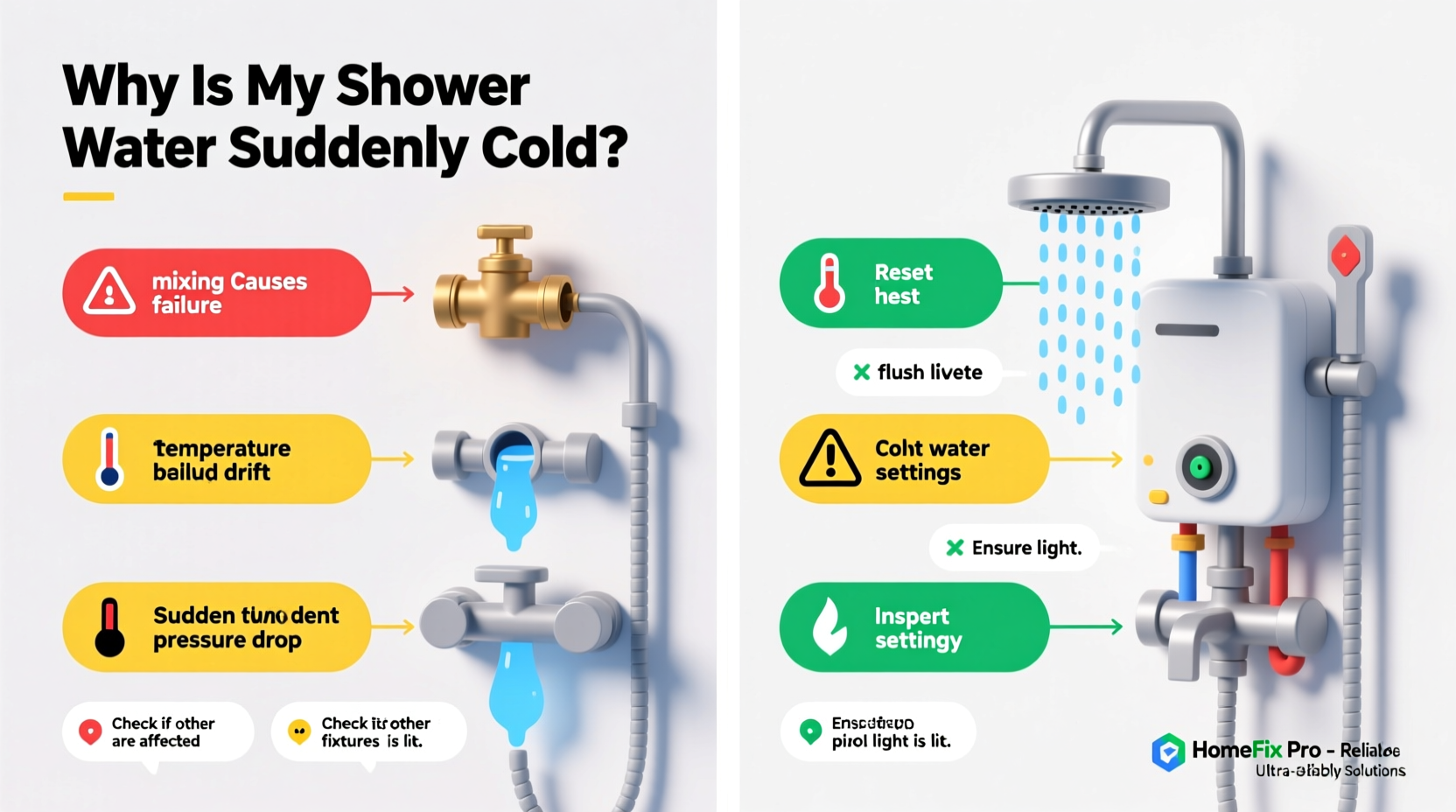
When your shower goes from comfortably warm to unexpectedly cold, several factors could be at play. The issue might stem from your water heater, plumbing configuration, fixture components, or even household demand patterns.
- Water heater malfunction: Sediment buildup, pilot light failure, or thermostat issues can reduce or cut off hot water supply.
- High household water demand: Running multiple appliances (dishwasher, washing machine) simultaneously can deplete available hot water.
- Thermostatic mixing valve failure: This device balances hot and cold water pressure; if faulty, it may shut off hot flow to prevent scalding.
- Dip tube breakage: In older water heaters, a broken dip tube sends cold water directly into the hot water outlet.
- Anti-scald valve activation: Safety mechanisms may reduce hot water if they detect sudden pressure changes.
- Plumbing blockages or leaks: Obstructions or leaks in hot water lines diminish flow and temperature.
Pinpointing the exact cause requires observation and systematic testing. Start by noting when the problem occurs: consistently, intermittently, or only during peak usage times.
Step-by-Step Troubleshooting Guide
Follow this logical sequence to diagnose and potentially fix your cold shower issue without immediately calling a technician.
- Check other fixtures. Run hot water in another bathroom or kitchen sink. If all outlets deliver cold water, the issue is likely with the water heater. If only the shower is affected, focus on the shower valve or mixer.
- Inspect the water heater. Confirm it’s powered (gas: check pilot light; electric: verify circuit breaker). Listen for ignition sounds or heating elements clicking on.
- Test the thermostat setting. Most manufacturers recommend 120°F (49°C) as a safe and efficient setting. If set lower, increase gradually and wait 1–2 hours before retesting.
- Flush the water heater. Sediment buildup insulates the heating element from water, reducing efficiency. Draining a few gallons through the drain valve can clear debris.
- Examine the shower valve. Single-handle showers often have pressure-balancing or thermostatic valves. If turning the handle doesn’t produce expected heat, internal parts may need replacement.
- Monitor water pressure changes. Flush a toilet or run a cold faucet while showering. If the shower turns cold instantly, a pressure imbalance or failed mixing valve is likely.
If these steps don’t resolve the issue, deeper inspection or component replacement may be necessary.
Do’s and Don’ts When Dealing With Hot Water Issues
| Do’s | Don’ts |
|---|---|
| Set water heater to 120°F to balance safety and efficiency | Set the thermostat above 140°F without anti-scald protection |
| Drain and flush your tank annually to remove sediment | Ignore rumbling noises from the water heater—they indicate sediment buildup |
| Replace worn shower cartridges promptly | Use pliers instead of proper cartridge removal tools—this damages internal fittings |
| Hire a licensed plumber for gas line or major electrical work | Attempt to repair a gas water heater’s burner assembly without training |
| Install a recirculation pump for faster hot water delivery | Run excessive amounts of water waiting for heat—wastes energy and resources |
Real-World Example: A Case of Intermittent Cold Showers
In suburban Denver, Sarah noticed her morning shower would start warm but abruptly turn cold after about three minutes. She first assumed the water heater was undersized, but after checking the kitchen sink, she found hot water remained stable elsewhere.
She followed the troubleshooting steps: verified the water heater was functioning normally, confirmed no other appliances were running, and observed that flushing the downstairs toilet caused the shower to cool instantly. This pointed to a pressure imbalance.
A plumber diagnosed a failing pressure-balancing valve inside the shower cartridge. Over time, mineral deposits had restricted its movement, preventing it from adjusting properly when cold water pressure dropped. Replacing the cartridge—a $35 part and 45-minute job—resolved the issue completely.
Sarah’s experience highlights how localized problems can mimic whole-house failures. Without careful observation, she might have replaced a perfectly functional water heater unnecessarily.
Expert Insight: What Plumbers See Most Often
“Over half the ‘cold shower’ calls we get are due to worn-out shower valves or imbalanced water pressure—not water heater issues. Homeowners often overlook simple fixes like replacing a cartridge because they assume the problem is bigger.” — Mark Reynolds, Master Plumber with 22 years of residential service experience
“Sediment in older tanks is silent killer of efficiency. If your water heater is over five years old and hasn’t been flushed, that alone could explain lukewarm or inconsistent output.” — Alicia Nguyen, HVAC & Plumbing Systems Technician
Tips for Preventing Future Cold Shower Surprises
Prevention is always more cost-effective than repair. Implementing routine maintenance and smart usage habits reduces the risk of sudden hot water loss.
- Flush your water heater every 6–12 months. Connect a hose to the drain valve and discharge 3–5 gallons to clear sediment.
- Inspect shower cartridges annually. Look for reduced flow, difficulty adjusting temperature, or sudden shifts in heat.
- Upgrade to a thermostatic mixing valve. These maintain consistent output temperature despite pressure fluctuations.
- Consider a tankless water heater. For homes with frequent hot water shortages, on-demand systems provide endless hot water with higher upfront cost but long-term savings.
- Install low-flow showerheads. They reduce hot water consumption, extending the usable duration of stored hot water.
Frequently Asked Questions
Why does my shower get cold when I flush the toilet?
This is typically due to a drop in cold water pressure. When the toilet refills, it draws cold water, which increases pressure on the hot side temporarily. If your shower has a pressure-balancing valve, it automatically reduces hot water flow to prevent scalding, causing a sudden chill. Replacing the valve with a thermostatic model eliminates this issue.
Can a bad shower cartridge cause no hot water?
Yes. The cartridge regulates the mix of hot and cold water. If it becomes cracked, warped, or clogged with mineral deposits, it may block hot water entirely or fail to open the hot inlet. Cartridge failure is especially common in areas with hard water.
How long should a water heater last before causing problems?
Most traditional tank water heaters last 8–12 years. After a decade, expect reduced efficiency, increased noise, and inconsistent output. Signs of aging include rusty water, leaks around the base, and longer recovery times. Proactive replacement avoids emergency failures.
Action Plan Checklist
Use this checklist to methodically address and resolve your cold shower issue:
- ☐ Test hot water at another fixture in the home
- ☐ Verify power/gas supply to the water heater
- ☐ Check thermostat setting (adjust if below 120°F)
- ☐ Flush water heater to remove sediment
- ☐ Inspect for visible leaks in plumbing or heater
- ☐ Determine if cold water occurs during high-demand activities
- ☐ Remove shower handle and inspect cartridge condition
- ☐ Replace faulty shower valve or cartridge if damaged
- ☐ Schedule professional inspection if no improvement
- ☐ Consider upgrading to tankless or point-of-use heater if problems persist
Final Thoughts and Next Steps
A cold shower shouldn’t be a daily surprise. While momentary drops in temperature can happen due to normal household usage, recurring or complete loss of hot water signals a fixable issue. Most causes—from sediment-clogged tanks to worn internal valves—are manageable with basic tools and a bit of knowledge.
The key is acting early. Ignoring minor symptoms like fluctuating temperatures or delayed hot water can lead to full system failure, costly repairs, or even water damage. By performing regular maintenance and understanding how your plumbing responds to demand, you regain control over comfort and efficiency.




 浙公网安备
33010002000092号
浙公网安备
33010002000092号 浙B2-20120091-4
Comments
No comments yet. Why don't you start the discussion?