
If you’ve ever turned on your kitchen or bathroom sink and heard a strange bubbling or gurgling noise—almost like water draining through a straw—you’re not imagining things. That sound is a real symptom, and more often than not, it points to an issue within your home’s plumbing ventilation system. While many homeowners assume clogged pipes are the culprit, the root cause may lie above the roofline in the plumbing vent stack.
Plumbing vents are essential for maintaining balanced air pressure in your drain-waste-vent (DWV) system. When they become blocked or improperly installed, air can’t flow freely, leading to slow drainage, foul odors, and yes—bubbling sinks. Understanding how this system works and what to do when it fails can save you from costly repairs and unpleasant surprises.
How Plumbing Vents Work: The Invisible Lifeline of Your Drain System
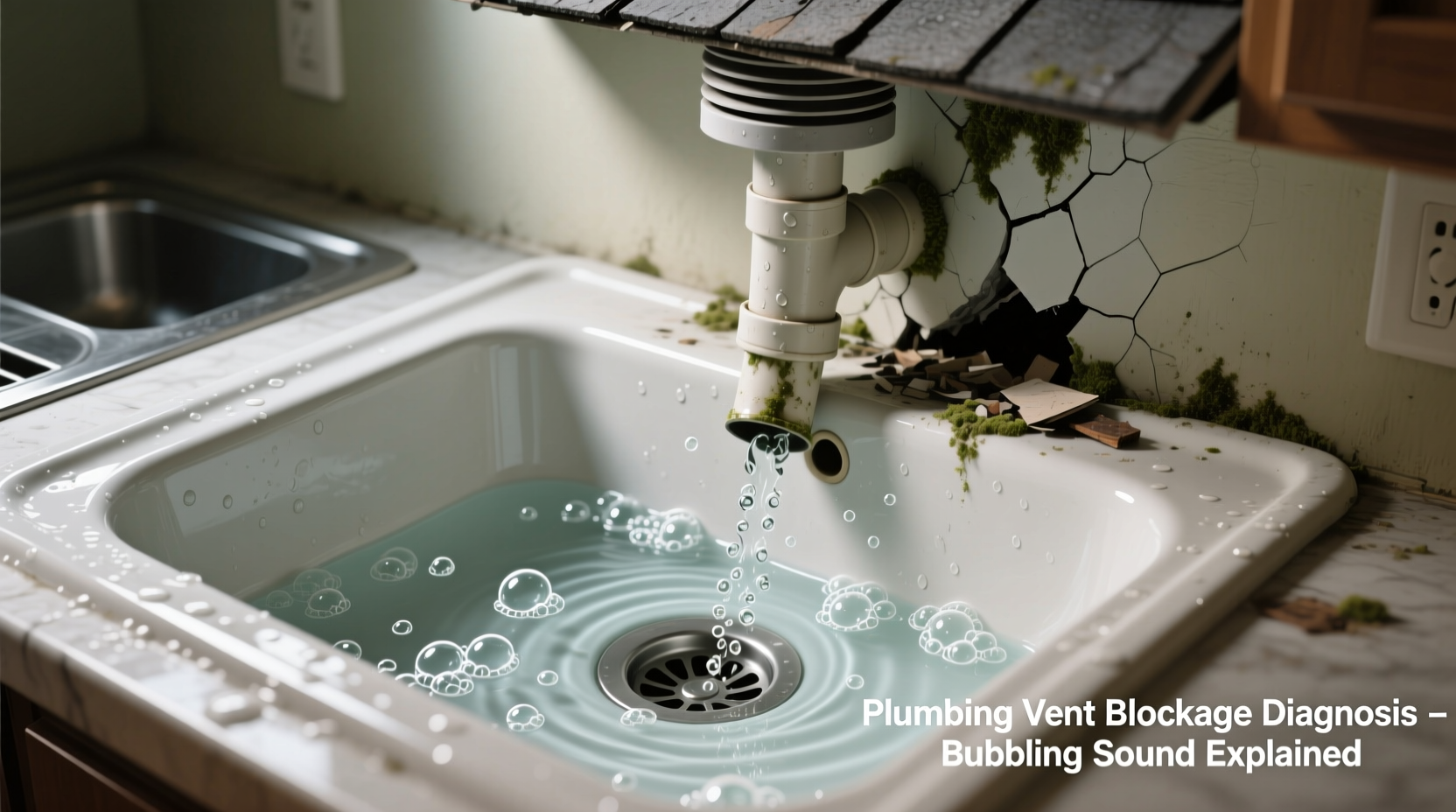
Every time you flush a toilet, run a dishwasher, or empty a sink, wastewater flows through a network of pipes toward the sewer or septic tank. But water isn’t the only thing moving through those pipes—air is equally important. Without proper airflow, gravity alone can’t efficiently pull waste down the line. This is where plumbing vents come in.
Installed vertically and extending through your roof, plumbing vents allow fresh air to enter the drainage system. This incoming air equalizes pressure, preventing vacuum locks that would otherwise slow or stop drainage. Think of it like opening the cap on a soda bottle: without an air inlet, liquid pours out slowly and unevenly. With it, the flow is smooth and complete.
When a vent is obstructed—by debris, ice, bird nests, or even improper pipe angles—the system struggles to maintain equilibrium. As wastewater moves down one drain, it pulls air from elsewhere, often sucking it through nearby traps. This causes the telltale bubbling or gurgling sound in sinks, showers, or tubs.
“Venting is 50% of a properly functioning drain system. No amount of pipe cleaning will fix a blocked vent.” — James Ralston, Master Plumber with 30+ years in residential plumbing
Common Signs of a Plumbing Vent Problem
Bubbling sounds are just one red flag. A compromised vent system often presents multiple symptoms across different fixtures. Recognizing these early signs can prevent full blockages, sewage backups, or health hazards from sewer gas infiltration.
- Gurgling noises in sinks, tubs, or toilets during or after flushing/draining
- Slow drainage even when no visible clog exists
- Foul sewage odors near drains or in bathrooms
- Toilets burping or making loud suction sounds after flushing
- Multiple fixtures affected simultaneously (e.g., kitchen sink bubbles when washing machine drains)
These issues often worsen when high-volume appliances discharge large amounts of water quickly—like dishwashers or washing machines. If your second-floor bathroom gurgles every time the basement laundry runs, the shared vent stack is likely blocked somewhere between them.
Step-by-Step Guide: Diagnosing a Blocked Plumbing Vent
Before calling a plumber, you can perform a few investigative steps to determine if your vent is the source of the problem. This process requires minimal tools and can save you unnecessary service fees.
- Isolate the noise: Run water in the suspect sink and note when the bubbling occurs. Does it happen during draining only? After other fixtures are used?
- Test fixture independence: Flush a toilet while someone listens at the sink. Repeat with the shower, washing machine, and dishwasher. Shared gurgling suggests a common vent issue.
- Check roof access safely: Use a ladder to inspect the vent pipe protruding from your roof. Look for obvious obstructions like leaves, snow buildup, or nesting materials.
- Use a garden hose: Insert a hose into the vent opening and run water down the pipe. Have someone inside listen for changes in drain behavior. If gurgling stops temporarily, water may have cleared a partial blockage.
- Listen for airflow: After flushing a toilet, place your hand over the vent opening (if safe). You should feel a brief suction followed by release. No sensation suggests restricted airflow.
- Conduct a smoke test (optional): Professional plumbers use non-toxic smoke machines to pressurize the system and reveal leaks or blockages. Home kits are available but require caution.
If these steps confirm restricted airflow and clearing the roof vent doesn’t resolve the issue, internal damage or improper installation may be to blame. In such cases, professional assessment is recommended.
What Causes Plumbing Vent Blockages?
Even well-designed systems degrade over time. Here are the most frequent causes of vent failure:
| Cause | Description | Solution |
|---|---|---|
| Debris Accumulation | Leaves, twigs, pine needles, and rooftop litter enter exposed vent openings. | Install a vent cap or screen; clean annually. |
| Ice or Frost Buildup | In cold climates, condensation freezes inside vertical pipes, especially during winter. | Insulate pipes; use heated cables in extreme zones. |
| Animal Nests | Birds, rodents, or insects build nests inside unguarded vents. | Install mesh guards; remove nests professionally. |
| Poor Installation | Vents sloped incorrectly, too long, or undersized per plumbing code. | Re-pipe or modify layout to meet local codes. |
| Internal Corrosion | Old metal vents rust shut over decades, reducing diameter. | Replace with PVC or ABS plastic sections. |
| Shared Vent Conflicts | Modern appliances overload older vent systems not designed for high flow. | Add auxiliary vents or air admittance valves (AAVs). |
One overlooked factor is the placement of new roofing or attic insulation. Sometimes contractors accidentally seal off attic-accessible vents or compress insulation around pipes, leading to condensation and eventual clogs. Always ensure vent stacks remain unobstructed during home renovations.
Mini Case Study: The Mystery of the Gurgling Kitchen Sink
In suburban Chicago, homeowner Lisa Tran noticed her kitchen sink began bubbling loudly whenever she ran the upstairs bathroom shower. At first, she assumed a minor clog and tried drain cleaner—twice. It didn’t help. Then, the smell started: a faint rotten-egg odor creeping up from the disposal.
Lisa called a plumber who performed a quick diagnostic. He climbed onto the roof and found the main vent stack partially filled with compacted leaves and a small squirrel nest. After clearing the debris with a plumber’s snake fed from the top, he flushed the system with water. Inside, the gurgling stopped immediately. The foul odor vanished within hours as fresh air restored proper trap sealing.
The total repair took under 45 minutes and cost $120—far less than a sewer line inspection or hydro-jetting. “I wasted money on chemicals I didn’t need,” Lisa said later. “But now I check my vent every fall before winter.”
Do’s and Don’ts of Plumbing Vent Maintenance
Preventing vent problems is easier and cheaper than fixing them. Follow this guide to keep your system flowing smoothly year-round.
| Do’s | Don’ts |
|---|---|
| Inspect roof vents twice a year (spring and fall) | Ignore recurring gurgling sounds |
| Install protective vent caps or screens | Use chemical drain cleaners to address vent issues |
| Clean debris with a plumber’s snake from the roof | Seal or paint over vent openings during remodeling |
| Trim nearby tree branches that shed into vents | Assume all drainage issues are caused by clogs |
| Consider adding an air admittance valve (AAV) for remote fixtures | Delay repairs when sewage odors appear indoors |
Air admittance valves, also known as cheater vents, are mechanical devices that allow air into the system when needed but seal shut to prevent gas escape. They’re approved in many jurisdictions for island sinks, underfloor installations, or retrofit projects where running a full vent stack isn’t feasible.
FAQ: Common Questions About Bubbling Sinks and Vent Issues
Can a clogged vent cause a toilet to overflow?
Yes. A severely blocked vent can create negative pressure that siphons water out of the toilet trap. Once the seal is broken, sewer gases enter the bathroom. In rare cases, backpressure from downstream blockages can force waste upward through the weakest point—including toilets.
Are bubbling sounds dangerous?
While the noise itself isn’t harmful, it signals a malfunction that could lead to unsafe conditions. Prolonged vent failure risks exposure to methane and hydrogen sulfide gases, both of which pose health risks in enclosed spaces. Additionally, dry traps make homes vulnerable to pest infestations via sewer lines.
Can I install a vent myself?
DIY vent work is possible but risky. Improper slope, incorrect pipe sizing, or code violations can result in failed inspections or future leaks. Most jurisdictions require permits for any modification to the DWV system. For safety and compliance, hire a licensed plumber—especially for roof penetrations or multi-story homes.
Conclusion: Silence the Bubbles, Restore Your System
A bubbling sink isn’t just annoying—it’s a message from your plumbing system. Dismissing it as a minor quirk can lead to bigger problems: persistent odors, inefficient drainage, and potential health hazards. By understanding the role of plumbing vents and recognizing early warning signs, you gain control over one of the most overlooked yet critical components of your home’s infrastructure.
Taking proactive steps—like annual inspections, installing protective caps, and knowing when to call a professional—can extend the life of your entire drainage network. Whether you're troubleshooting a sudden gurgle or planning a renovation, remember that airflow is just as vital as water flow in keeping your home safe, functional, and comfortable.




 浙公网安备
33010002000092号
浙公网安备
33010002000092号 浙B2-20120091-4
Comments
No comments yet. Why don't you start the discussion?