
Skin discoloration affects millions of people worldwide, often causing concern not just for cosmetic reasons but also as a potential signal of underlying health issues. Whether you're noticing dark patches, uneven tone, or sudden lightening in certain areas, understanding the root causes is essential. Skin color changes can stem from sun damage, hormonal shifts, inflammation, or medical conditions such as vitiligo or Addison’s disease. The good news is that many causes are manageable with proper care, lifestyle adjustments, and timely medical intervention.
Common Causes of Skin Color Changes
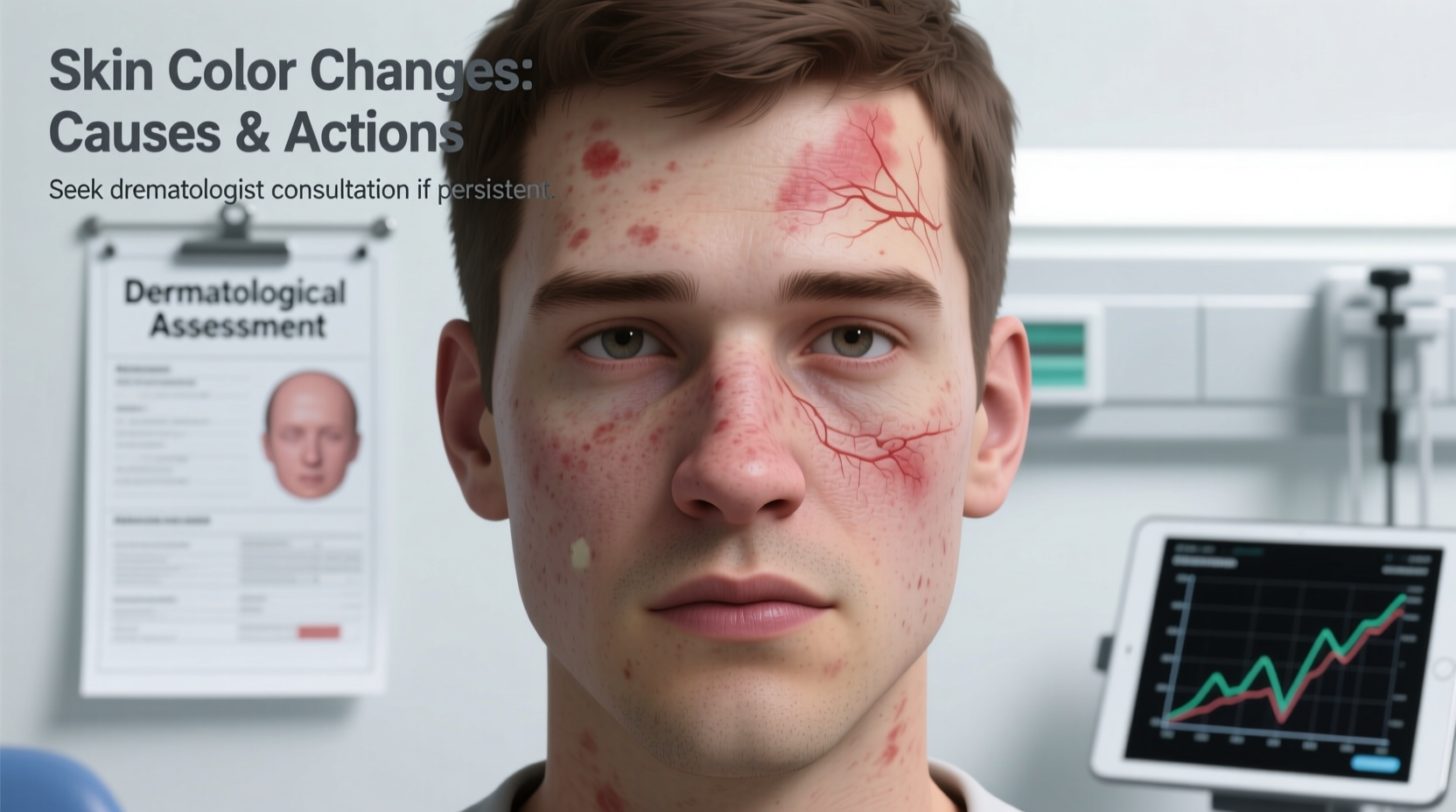
Skin pigmentation is primarily controlled by melanin, the pigment produced by cells called melanocytes. When these cells become overactive, underactive, or damaged, skin tone can shift in noticeable ways. The most frequent triggers include:
- UV Exposure: Prolonged sun exposure stimulates melanin production, leading to tanning, freckles, or age spots.
- Hormonal Fluctuations: Pregnancy, birth control, or hormone therapy can trigger melasma—dark patches typically on the face.
- Inflammation or Injury: Acne, eczema, or cuts may leave behind post-inflammatory hyperpigmentation (PIH), especially in darker skin tones.
- Aging: As we age, melanocyte distribution becomes irregular, resulting in sunspots or liver spots.
- Medical Conditions: Diseases like vitiligo (loss of pigment), Addison’s disease (increased pigmentation), or fungal infections such as tinea versicolor alter skin color.
- Medications: Certain drugs—including chemotherapy agents, antimalarials, and some antibiotics—can cause pigmentation changes as a side effect.
Types of Skin Discoloration and Their Characteristics
Not all skin color changes look the same. Recognizing the type of discoloration helps determine whether it's benign or requires medical attention.
| Type | Appearance | Common Locations | Potential Cause |
|---|---|---|---|
| Hyperpigmentation | Dark brown or gray patches | Face, hands, arms | Sun exposure, acne scars, hormones |
| Hypopigmentation | Pale or white patches | Any area, often symmetrical | Vitiligo, fungal infection, healing wounds |
| Melasma | Blotchy, symmetrical dark areas | Cheeks, forehead, upper lip | Hormones, sun, genetics |
| Tinea Versicolor | Scaly, discolored patches (light or dark) | Chest, back, shoulders | Yeast overgrowth |
| Addisonian Pigmentation | Bronze or darkened skin | Palms, knuckles, gums, scars | Adrenal insufficiency |
“Skin pigmentation disorders are often more than cosmetic—they can reflect systemic imbalances. A thorough evaluation is key.” — Dr. Lena Torres, Board-Certified Dermatologist
What You Can Do: Practical Steps to Address Skin Color Changes
Depending on the cause, treatment ranges from simple skincare adjustments to medical therapies. Here’s a step-by-step approach to managing skin discoloration effectively.
- Assess the Pattern: Note when the change started, whether it’s spreading, and if it’s associated with other symptoms like fatigue, itching, or weight changes.
- Practice Sun Protection: Use broad-spectrum SPF 30+ daily, even on cloudy days. Reapply every two hours during prolonged outdoor activity.
- Switch Skincare Products: Avoid harsh scrubs or alcohol-based toners that can worsen irritation and pigmentation.
- Introduce Brightening Agents: Ingredients like niacinamide, vitamin C, azelaic acid, and licorice root extract help fade dark spots over time.
- Consult a Dermatologist: For persistent or worsening discoloration, professional diagnosis is critical. They may perform a Wood’s lamp exam, skin biopsy, or blood tests.
Real-Life Example: Maria’s Experience with Melasma
Maria, a 34-year-old teacher, noticed dark patches forming on her cheeks and forehead during her second pregnancy. At first, she assumed it was normal “pregnancy glow,” but the discoloration deepened and didn’t fade after delivery. She began using a harsh scrub to “exfoliate the darkness away,” which only irritated her skin and made the patches more pronounced.
After visiting a dermatologist, Maria was diagnosed with melasma. She was advised to stop aggressive exfoliation, start wearing mineral sunscreen daily, and use a prescription cream containing hydroquinone and tretinoin. Within four months, with strict sun protection and consistent treatment, her skin tone improved significantly. Her case highlights how self-treatment without diagnosis can worsen the condition—and why expert guidance matters.
When to Seek Medical Help: Red Flags
While many pigmentation changes are harmless, certain signs warrant immediate medical evaluation:
- Rapid spread of white or dark patches
- Changes in mole color, shape, or texture
- Discoloration accompanied by fatigue, weight loss, or low blood pressure
- Patches that don’t respond to over-the-counter treatments after 3 months
- Development of scaly, bleeding, or painful lesions
These could indicate autoimmune disorders, endocrine imbalances, or skin cancer. Early detection dramatically improves outcomes.
Prevention and Long-Term Care Checklist
Protecting your skin from future discoloration involves daily habits and awareness. Follow this checklist to maintain even skin tone:
- ✅ Apply sunscreen every morning, rain or shine
- ✅ Wear wide-brimmed hats and UV-protective clothing outdoors
- ✅ Avoid picking at acne or scabs to prevent post-inflammatory marks
- ✅ Use gentle, non-comedogenic skincare products suited to your skin type
- ✅ Monitor hormonal medications and discuss pigmentation risks with your doctor
- ✅ Schedule annual skin checks with a dermatologist, especially if you have a history of sun exposure or skin cancer
- ✅ Stay hydrated and maintain a balanced diet rich in antioxidants (vitamins C and E, green leafy vegetables)
Frequently Asked Questions
Can stress cause skin to change color?
Indirectly, yes. Chronic stress can disrupt hormone balance and weaken the immune system, potentially triggering conditions like vitiligo or worsening melasma. Stress-related inflammation may also contribute to uneven skin tone.
Is skin discoloration permanent?
Not always. Post-inflammatory hyperpigmentation and melasma often improve with treatment and sun protection. However, conditions like vitiligo may require long-term management, and some pigmentation from severe burns or trauma can be permanent.
Are home remedies like lemon juice effective for dark spots?
Lemon juice is highly acidic and can irritate the skin, increase photosensitivity, and worsen pigmentation. Dermatologists advise against using citrus directly on the skin. Safer, evidence-based alternatives include vitamin C serums and over-the-counter brightening creams.
Conclusion: Take Control of Your Skin Health
Skin color changes are more than surface-level concerns—they’re signals from your body that deserve attention. Whether caused by sun, hormones, illness, or injury, understanding the root cause is the first step toward effective treatment. With consistent sun protection, mindful skincare, and timely medical consultation, most forms of discoloration can be managed or improved.
Your skin tells a story. Make sure you’re listening—and responding with care.




 浙公网安备
33010002000092号
浙公网安备
33010002000092号 浙B2-20120091-4
Comments
No comments yet. Why don't you start the discussion?