
Snakes are stoic creatures by nature. Their quiet demeanor and minimal activity can make it difficult for owners to detect health issues early—especially when it comes to feeding. One of the most common concerns among reptile keepers is a snake that refuses food. While occasional fasting is normal, prolonged refusal can signal underlying problems. Understanding the reasons behind appetite loss and knowing when intervention is necessary can mean the difference between a temporary pause and a serious health crisis.
Common Reasons Snakes Stop Eating
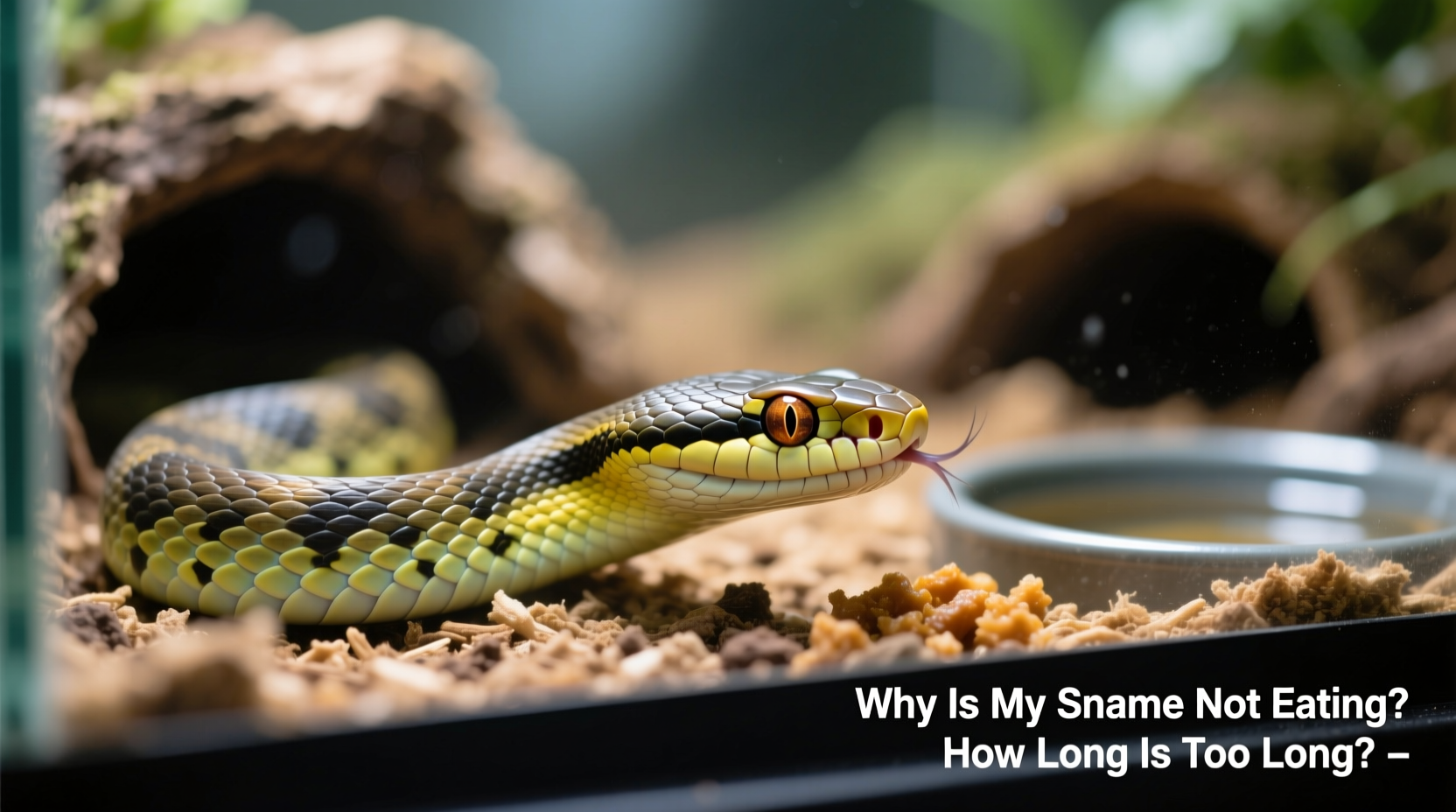
Snakes don’t eat on a daily schedule like mammals. Their metabolism, behavior, and feeding patterns are influenced by species, age, environment, and biological cycles. A lack of appetite isn't always alarming, but recognizing the cause helps determine whether action is needed.
- Brumation or seasonal fasting: Many snakes naturally reduce or stop eating during cooler months. This behavior, known as brumation (the reptilian equivalent of hibernation), is especially common in colubrids like corn snakes and king snakes.
- Shedding cycle: In the days leading up to a shed, a snake’s eyes turn cloudy, and their vision is impaired. Most snakes avoid eating during this time due to discomfort and reduced visibility.
- Stress: Relocation, excessive handling, loud environments, or cage mates can stress a snake enough to suppress appetite. Even subtle changes in enclosure setup may trigger a feeding strike.
- Inappropriate prey: Offering prey that’s too large, cold, or unfamiliar in scent can deter a snake. Some species are picky and prefer live or freshly killed prey over frozen-thawed options.
- Poor environmental conditions: Incorrect temperature gradients, humidity levels, or hiding spots can disrupt digestion and discourage feeding.
- Illness or parasites: Respiratory infections, mouth rot, gastrointestinal parasites, or internal injuries often manifest first as appetite loss.
- Reproductive behavior: Female snakes may fast while developing eggs, and males may lose interest in food during breeding season due to heightened activity and hormonal shifts.
How Long Is Too Long Without Eating?
The answer depends heavily on the snake’s species, age, size, and overall condition. Healthy adult snakes can go weeks—or even months—without food without significant harm. However, juveniles and underweight snakes have far less reserve and require closer monitoring.
| Snake Type | Typical Fasting Tolerance | When to Worry |
|---|---|---|
| Adult Ball Python | 3–6 months (common) | More than 6 months or weight loss >10% |
| Juvenile Corn Snake | 2–6 weeks | Over 6 weeks or visible spine/ribs |
| Kingsnake (Adult) | 1–3 months | Consistent refusal beyond 3 months |
| Boa Constrictor | 1–4 months | Signs of dehydration or muscle atrophy |
| Young or Sick Snake | 1–3 weeks max | Any refusal beyond 3 weeks |
A healthy adult ball python, for example, might skip meals for several months during winter and still maintain good body condition. But if the same snake begins losing weight, becomes lethargic, or develops labored breathing, veterinary attention is urgent.
“Fasting is a natural behavior in many snake species, but prolonged anorexia is never normal. It's a symptom, not a diagnosis.” — Dr. Melissa Kaplan, Reptile Health Researcher
Step-by-Step Guide to Diagnosing and Addressing Appetite Loss
When your snake stops eating, follow this logical progression to identify and resolve the issue:
- Assess recent changes: Did you move the enclosure? Change the substrate? Introduce new lighting? Even minor disruptions can stress sensitive species.
- Check shedding status: Look for dull skin, blue-tinged eyes, or increased hiding. If shedding is imminent, wait 3–7 days after completion before offering food again.
- Verify enclosure parameters: Use digital thermometers and hygrometers to confirm temperatures and humidity. Ensure there are warm and cool zones, and adequate hiding spaces on both sides.
- Review feeding routine: Are you offering appropriately sized prey? Is it warmed to near-body temperature? Try varying prey type (e.g., switching from mouse to rat pup for larger snakes).
- Observe behavior: Is the snake active, alert, and responsive? Or is it listless, gaping, or wheezing? Abnormal behavior warrants immediate investigation.
- Monitor body condition: Gently run your fingers along the snake’s back. You should feel muscle, not sharp bones. Significant weight loss appears as a “railroad track” spine or visible ribs.
- Attempt feeding adjustments: Try different times (nocturnal species may feed better at night), use tongs to simulate movement, or scent prey with lizard or bird feathers if appropriate.
- Consult a veterinarian: If no progress after 4–6 weeks (or sooner for juveniles), schedule an appointment with a reptile-savvy vet.
Real-Life Case: The Picky Ball Python
Mark adopted a male ball python named Nero from a breeder at eight months old. For the first few months, Nero ate every 10–14 days without issue. Then, in November, he refused three consecutive meals. Mark panicked, assuming illness.
He reviewed the habitat: temperatures were stable, humidity was 60%, and the hide boxes were intact. Nero was active, shed cleanly, and showed no respiratory signs. After researching, Mark realized it was late fall—prime brumation time. He slightly lowered the ambient temperature and reduced handling. Two months later, in January, Nero accepted a small fuzzy mouse. By spring, his regular feeding pattern resumed.
No medical treatment was needed. The issue was seasonal instinct, not disease. Had Mark forced feeding or rushed to antibiotics, he might have caused more harm than good.
Actionable Checklist: What to Do When Your Snake Won’t Eat
Use this checklist to methodically address feeding refusal:
- ✅ Confirm the snake is not in shed cycle (eyes clear?)
- ✅ Verify thermal gradient (warm side 85–90°F, cool side 75–80°F)
- ✅ Check humidity (species-specific; ball pythons need 50–60%, wood boas up to 70%)
- ✅ Inspect for signs of illness (wheezing, mucus, swelling, discharge)
- ✅ Assess body condition (can you see spine or ribs?)
- ✅ Review prey size (should be no wider than the snake’s midsection)
- ✅ Try pre-killing or scenting prey (rub with lizard, bird, or gerbil)
- ✅ Reduce disturbances and handling frequency
- ✅ Attempt feeding in a separate, quiet container to minimize stress
- ✅ Consult a reptile veterinarian if fasting exceeds safe duration
Dos and Don’ts of Managing Snake Appetite
| Do | Don’t |
|---|---|
| Wait 5–7 days after shedding to re-offer food | Leave live prey unattended in the enclosure |
| Warm prey to ~98–100°F before offering | Force-feed without veterinary guidance |
| Offer food in the evening for nocturnal species | Change multiple variables at once (hard to isolate causes) |
| Use feeding tongs to mimic movement | Handle the snake right before or after feeding attempts |
| Keep a detailed feeding and health journal | Assume fasting is normal without checking conditions |
When to Seek Veterinary Help
While patience is often warranted, certain red flags demand professional evaluation:
- Weight loss exceeding 10% of body mass
- Persistent refusal beyond species-specific thresholds
- Visible signs of illness: nasal discharge, open-mouth breathing, swelling, lesions
- Vomiting or regurgitation after eating
- Lethargy, inability to right itself, or abnormal posture
- Fecal changes: diarrhea, blood, or presence of worms
A qualified reptile veterinarian can perform physical exams, run fecal tests for parasites, take radiographs, or administer supportive care such as fluid therapy or appetite stimulants. Early intervention improves outcomes significantly.
Frequently Asked Questions
Can I force-feed my snake if it won’t eat?
Force-feeding should only be done under veterinary supervision. Improper technique can cause aspiration, esophageal damage, or worsen stress. It’s not a substitute for diagnosing the root cause.
Will my snake starve itself to death?
Snakes do not “starve themselves” out of defiance. They may fast due to instinct, stress, or illness, but prolonged fasting leads to organ failure and death. Intervention is critical once reserves are depleted.
Why does my snake strike at prey but not eat it?
This behavior, called “strike-and-release,” can indicate stress, incorrect temperatures, or dissatisfaction with prey. It may also occur during shedding or if the snake feels exposed. Try feeding in a smaller, darker container to increase security.
Conclusion: Listen to Your Snake’s Silence
A snake that won’t eat is communicating. Whether it’s responding to seasonal rhythms, reacting to environmental stress, or signaling illness, the key is attentive observation and informed response. Resist the urge to panic, but also avoid complacency. Understand your species’ natural behaviors, maintain optimal husbandry, and document changes over time.
Most feeding strikes resolve with time and adjustment. But when in doubt, err on the side of caution. Partnering with a knowledgeable reptile veterinarian ensures your snake receives the care it needs—before a temporary fast becomes a life-threatening condition.




 浙公网安备
33010002000092号
浙公网安备
33010002000092号 浙B2-20120091-4
Comments
No comments yet. Why don't you start the discussion?